Can Soft Tonneau Covers Go Through a Carwash: Explained Clearly
One common question I hear from truck owners, especially those new to the world of truck bed accessories, revolves around the convenience of vehicle maintenance. After investing in a sleek, protective tonneau cover, the last thing anyone wants is to damage it during a routine wash. This often leads to a moment of hesitation before pulling into an automatic carwash bay. It’s a valid concern: the powerful jets, rotating brushes, and harsh chemicals found in these facilities can be quite aggressive.
The good news is that for many modern designs, the answer is generally yes, but with some very important caveats and distinctions. The type of tonneau cover you have, its material, installation quality, and even the specific carwash you choose can all play a significant role in determining whether it’s a safe endeavor or a recipe for disaster. Understanding these nuances is key to protecting your investment and keeping your truck looking its best.
In this article, I’ll explain in detail whether can soft tonneau covers go through a carwash, exploring the different types of soft covers, the risks involved, and the best practices for cleaning them. My goal is to equip you with the knowledge to make an informed decision, ensuring your tonneau cover remains in excellent condition for years to come, whether you opt for an automatic wash or prefer a more hands-on approach.
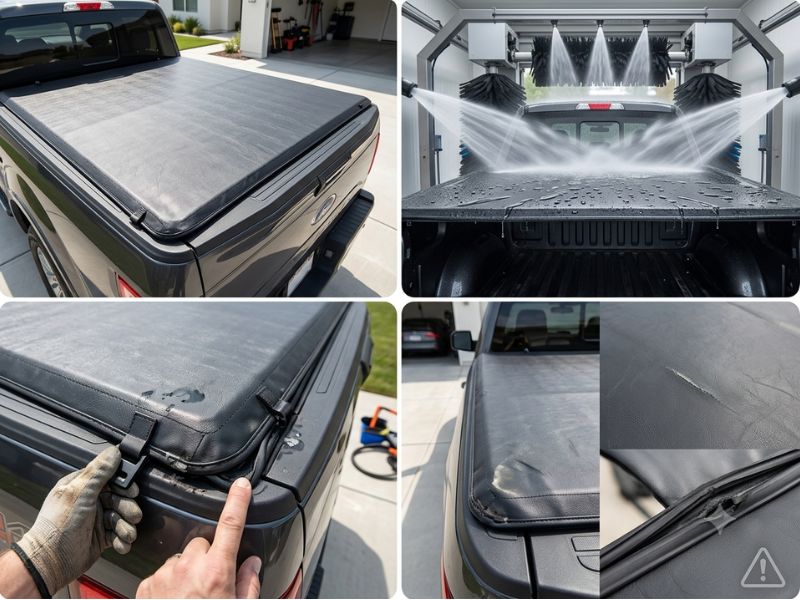
Understanding Soft Tonneau Covers and Their Vulnerabilities
Before diving into carwash compatibility, it’s important to understand what constitutes a “soft” tonneau cover and where its potential vulnerabilities lie. Soft covers are primarily characterized by their flexible, often fabric-like material, which distinguishes them from rigid hard covers made of fiberglass, aluminum, or hard plastic. This flexibility, while offering advantages in terms of weight and cost, also introduces specific considerations when exposed to the rigors of an automatic carwash.
Types of Soft Tonneau Covers
Soft tonneau covers come in several popular styles, each with its own design and material characteristics:
- Soft Roll-Up Covers: These are among the most common. They typically feature a vinyl or fabric-reinforced vinyl tarp that rolls up towards the cab, secured by Velcro, snaps, or an integrated hook-and-loop system along the bed rails. The tarp is usually tensioned to keep it flat.
- Soft Tri-Fold Covers: These covers consist of several hinged panels, usually three, that fold up towards the cab. While the panels themselves might have a rigid frame, the surface material is typically a heavy-duty vinyl or canvas-like fabric.
- Soft Snap Covers: Less common now but still available, these covers use individual snaps along the perimeter to secure the tarp to the bed rails. They require more effort to open and close compared to roll-ups or tri-folds.
Common Materials and Their Properties
The primary material for the tarp or surface of a soft tonneau cover is almost always a type of vinyl or a composite fabric. These materials are chosen for their durability, weather resistance, and flexibility. However, they are not impervious to all forces:
- Vinyl: Most soft covers use a heavy-duty, marine-grade vinyl. This material is designed to withstand UV exposure, rain, and temperature fluctuations. However, it can be susceptible to scratching, tearing, and degradation from harsh chemicals over time. The stitching and seams are also potential weak points.
- Fabric/Canvas Composites: Some premium soft covers use a woven fabric composite, often with a PVC or vinyl backing. These can offer a more matte finish and a different aesthetic. They share similar vulnerabilities to vinyl regarding physical abrasion and chemical exposure.
Key Vulnerabilities in a Carwash Environment
When considering an automatic carwash, several aspects of soft tonneau covers become critical points of concern:
- Material Abrasion: The rotating brushes in many automatic carwashes are designed to scrub dirt off paint and glass. While effective, they can be abrasive to the softer surface of a vinyl or fabric tonneau cover, potentially causing scratches, scuffs, or even minor tears over time.
- High-Pressure Water Jets: Automatic carwashes use powerful jets to blast away grime. These jets, especially if directed at seams, edges, or areas where the cover meets the bed rails, can force water underneath the cover, compromising its seal and potentially soaking your cargo. In extreme cases, they could even lift or dislodge a poorly secured cover.
- Chemical Exposure: The soaps, waxes, and drying agents used in carwashes are formulated for automotive paint. While generally safe, some stronger degreasers or acidic cleaners could potentially degrade the vinyl or fabric material, leading to discoloration, brittleness, or a reduced lifespan over many washes.
- Fasteners and Sealing Mechanisms: The Velcro, snaps, or integrated hook-and-loop systems that secure the cover are crucial. High-pressure water or aggressive brushes could potentially weaken these fasteners, causing the cover to flap or even come partially undone during the wash. The rubber or foam seals along the bed rails are also vulnerable to dislodgement or damage.
Understanding these inherent characteristics and potential weak points is the first step in deciding whether to risk an automatic carwash or opt for a safer cleaning method for your specific soft tonneau cover.
Can Soft Tonneau Covers Go Through a Carwash? The General Answer
The short answer, as I mentioned, is often “yes,” but it’s a qualified yes. Most reputable manufacturers of soft tonneau covers design their products to be reasonably durable and weather-resistant, which includes some level of tolerance for washing. However, this tolerance is not limitless, and the type of carwash makes a significant difference.
Touchless Carwashes: Generally Safe
For most soft tonneau covers, a touchless automatic carwash is generally considered the safest option. Here’s why:
- No Physical Contact: As the name suggests, touchless carwashes use high-pressure water jets and cleaning solutions to clean your vehicle without any brushes or cloths making physical contact. This eliminates the risk of abrasion, scratching, or tearing of the cover’s material.
- Reduced Mechanical Stress: Without brushes tugging and pulling, there’s less mechanical stress on the cover’s fasteners, seams, and overall structure. This reduces the risk of the cover coming loose or being damaged.
- Controlled Chemical Application: While chemicals are used, they are typically applied and rinsed in a controlled manner, and most are formulated to be safe for automotive surfaces, including vinyl and similar materials.
Even with a touchless wash, I still recommend a quick visual inspection of your cover beforehand to ensure it’s properly secured and tensioned. If you have any doubts about the cover’s seal or the integrity of its fasteners, it’s always better to err on the side of caution.
Friction (Brush) Carwashes: Proceed with Caution
This is where the “proceed with caution” advice becomes critical. Friction or brush automatic carwashes, which use rotating brushes, cloth strips, or other physical contact methods, pose a higher risk to soft tonneau covers. While some covers might survive an occasional trip through such a wash without immediate visible damage, I generally advise against it as a regular practice.
Here are the primary concerns with friction carwashes:
- Abrasion and Scratches: The brushes, even if made of soft cloth, can still abrade the vinyl or fabric surface of your tonneau cover. Over time, this can lead to dulling, scuff marks, or even fine scratches that compromise the cover’s appearance and potentially its protective coating.
- Risk of Tearing or Dislodgement: The aggressive scrubbing and pulling action of the brushes can snag on edges, seams, or even the main surface of the cover. This can potentially tear the material, pull the cover loose from its fasteners, or damage the rails. This risk is especially high if the cover is not perfectly tensioned or if its fasteners are worn.
- Water Intrusion: The combination of high-pressure water and the physical manipulation of the cover by brushes can increase the likelihood of water being forced under the cover, especially at the edges or seams.
- Chemical Residue: While less of a direct damage risk, the brushes can sometimes trap and transfer dirt or harsh cleaning agents, potentially leaving streaks or residues on the cover.
If you absolutely must use a friction carwash, I strongly recommend checking the cover’s tension and security before entering. Ensure all snaps, Velcro, or latches are firmly engaged. However, for the longevity and appearance of your soft tonneau cover, a touchless wash or hand washing is almost always preferable to a friction wash.
Factors Influencing Carwash Safety for Soft Tonneau Covers
Beyond the type of carwash, several other factors play a crucial role in determining whether your soft tonneau cover will emerge unscathed.
Quality of the Tonneau Cover
Not all soft tonneau covers are created equal. Higher-quality covers typically feature:
- Thicker, More Durable Materials: Premium vinyl or fabric composites are more resistant to UV degradation, tearing, and abrasion.
- Robust Stitching and Seams: Reinforced stitching and heat-sealed seams are less likely to fray or leak under pressure.
- Superior Fastening Systems: Better quality Velcro, snaps, or integrated rail systems provide a more secure attachment, reducing the chance of the cover flapping or coming loose.
- Better Sealing Gaskets: High-quality rubber or foam gaskets along the bed rails offer a more effective barrier against water intrusion.
A cheap, flimsy cover is inherently more vulnerable to carwash damage than a well-constructed, heavy-duty model.
Installation Quality and Fit
Even the best tonneau cover can be compromised by poor installation. A properly installed cover should be:
- Tightly Secured: The cover should be firmly attached to the bed rails with no excessive play or movement.
- Properly Tensioned: For roll-up covers, the tarp should be taut and flat, without sags or wrinkles. Proper tension prevents flapping and reduces the risk of water pooling or the cover being lifted by jets or brushes.
- Correctly Aligned: The cover should sit squarely on the bed rails, with seals making full contact all around. Misalignment can create gaps for water to enter.
If you installed the cover yourself, double-check your work. If it was professionally installed, ensure it still maintains its original fit and tension.
Age and Condition of the Cover
An older tonneau cover, especially one that has seen years of sun exposure and weather, will be more susceptible to damage. Over time:
- Material Degradation: Vinyl can become brittle, faded, or develop micro-cracks. Fabric can fray or thin.
- Weakened Fasteners: Velcro can lose its grip, snaps can become loose, and rail clamps can weaken.
- Compromised Seals: Rubber or foam seals can harden, crack, or become compressed, reducing their effectiveness.
A cover in poor condition is a prime candidate for carwash damage. What might be safe for a new cover could easily damage an old one.
Type and Aggressiveness of the Carwash
As discussed, touchless is generally safe, friction is risky. Within friction washes, there’s also a spectrum:
- Older, Stiffer Brushes: Some older carwashes might use stiffer, more abrasive brushes that are more likely to scratch or damage the cover.
- Newer, Softer Cloths: Modern friction washes often use softer, non-abrasive cloth strips, which are gentler but still present a risk of snagging or pulling.
- High-Pressure Settings: The intensity of the water jets can vary. Extremely high pressure, especially at close range, can challenge even well-sealed covers.
If you’re unsure about a particular carwash, it’s always best to observe a few vehicles going through before committing your truck.
Weather Conditions
While not directly related to the carwash itself, extreme temperatures can affect the cover’s material. In very cold weather, vinyl can become stiffer and more brittle, making it more prone to cracking or tearing if subjected to physical stress from brushes. In very hot weather, the material might be softer and more pliable, but prolonged exposure to harsh chemicals followed by intense heat could also be an issue.
Best Practices for Washing a Soft Tonneau Cover
To ensure your soft tonneau cover lasts as long as possible and continues to protect your cargo, I recommend following these best practices, whether you choose an automatic wash or prefer to do it by hand.
Before Entering an Automatic Carwash
- Inspect Your Cover Thoroughly: Before you even pull into the carwash lane, walk around your truck. Check for any loose snaps, unfastened Velcro, or areas where the cover might be sagging. Ensure the cover is fully closed and securely latched. For roll-up covers, verify that the tension is appropriate – it should be taut but not overly stretched.
- Secure All Fasteners: Double-check that all clamps, latches, and securing mechanisms are fully engaged. If your cover has any straps or buckles that are typically used when the cover is rolled up (e.g., to hold it in the open position), ensure they are either completely tucked away or secured so they don’t flap around.
- Check for Damage: Look for any existing tears, rips, or significant wear spots on the vinyl or fabric. If your cover already has damage, an automatic carwash will almost certainly exacerbate it. In such cases, hand washing is the only safe option, or consider repairing/replacing the cover.
- Consider the Carwash Type: As I’ve emphasized, opt for a touchless carwash whenever possible. If only friction washes are available, weigh the risks against the convenience. If your cover is old, has minor damage, or you’re particularly concerned about its longevity, skip the friction wash.
- Remove Any Loose Items: While not directly related to the cover, ensure any items in the truck bed are secured or removed, just in case water does manage to get past the seals.
During and After the Automatic Carwash
- Observe (If Possible): If you’re using a carwash for the first time with your cover, try to observe it as it goes through. Listen for any unusual flapping or sounds.
- Immediate Post-Wash Inspection: As soon as you exit the carwash, do another quick visual inspection. Check for any signs of damage, dislodgement, or water intrusion. Pay attention to the edges and seams.
- Wipe Down if Necessary: Even touchless washes can sometimes leave water spots or residue. A quick wipe down with a microfiber towel can help maintain the cover’s appearance.
- Check for Water in the Bed: Open the tailgate and check the truck bed for any standing water or dampness. This will tell you if the seals were compromised.
Hand Washing: The Safest and Most Recommended Method
For optimal care and longevity of your soft tonneau cover, hand washing is by far the safest and most recommended method. It allows for gentle cleaning, precise attention to detail, and avoids the harshness of automatic systems.
Here’s my recommended process for hand washing:
- Gather Your Supplies: You’ll need a bucket, mild automotive soap (pH-neutral is best), a soft bristle brush or a large sponge, several microfiber towels, and a hose with a spray nozzle.
- Rinse Thoroughly: Start by rinsing the entire tonneau cover with water to remove loose dirt, dust, and debris. This prevents scratching during the washing phase.
- Wash with Mild Soap: Mix your automotive soap according to the directions. Dip your soft brush or sponge into the soapy water and gently scrub the surface of the tonneau cover. Work in small sections, applying light pressure. Pay attention to any stubborn spots or areas where dirt tends to accumulate, like seams or edges.
- Clean the Underside (Optional but Recommended): If your cover is a roll-up, you can roll it back and clean the underside of the tarp and the bed rails. This helps prevent dirt and grime from transferring to the top surface.
- Rinse Again: Once you’ve scrubbed the entire cover, rinse it thoroughly with clean water, ensuring all soap residue is removed. Soap left on the cover can leave streaks or attract dirt.
- Dry Gently: Use clean microfiber towels to dry the cover. This helps prevent water spots and ensures the cover is completely dry, which is especially important before rolling or folding it for storage. Air drying is also an option, but towel drying prevents water spots.
- Apply a Protectant (Optional but Highly Recommended): After the cover is clean and dry, consider applying a UV protectant specifically designed for vinyl or fabric tonneau covers. These products help protect against sun damage, keep the material supple, and can repel water and dirt, extending the life and appearance of your cover. Avoid products with silicone or petroleum distillates, as these can degrade vinyl over time.
By hand washing, you maintain full control over the cleaning process, ensuring your soft tonneau cover receives the gentle care it needs to stay in top condition.
Specific Considerations for Different Soft Cover Types
While the general advice applies, there are some specific nuances for each type of soft tonneau cover when it comes to washing.
Soft Roll-Up Covers
Roll-up covers are generally quite robust, but their tensioning system is a key factor. When going through an automatic carwash:
- Tension is Critical: Ensure your roll-up cover is properly tensioned. A loose cover will flap excessively under high-pressure water or brushes, increasing the risk of damage or dislodgement. If your cover has an adjustable tension system, make sure it’s set correctly.
- Velcro/Hook-and-Loop Security: The sides of roll-up covers often attach with heavy-duty Velcro or an integrated hook-and-loop system. Verify that these are fully engaged along the entire length of the bed rails. High-pressure water can sometimes peel back loose edges.
- End-of-Bed Latch: The latch mechanism at the tailgate end must be securely fastened. This is a primary point of attachment.
For hand washing, rolling the cover partially or fully open allows you to clean the rails and the underside of the tarp, which can accumulate dirt and debris.
Soft Tri-Fold Covers
Soft tri-fold covers have a more rigid internal frame but a flexible outer skin. Their vulnerabilities differ slightly:
- Panel Hinges: The hinges between the panels are potential weak points for water intrusion. While designed to be weather-resistant, direct, sustained high-pressure jets could find their way in.
- Clamping Mechanisms: Tri-folds are secured by clamps that attach to the bed rails. Ensure these clamps are tightly fastened before entering any carwash. Loose clamps could allow the panels to lift or shift.
- Surface Material: The vinyl or fabric surface is still susceptible to abrasion from friction washes, just like roll-ups.
When hand washing a tri-fold, you can clean it in its closed position. If you want to clean the underside or the bed rails, you’ll need to fold it up towards the cab.
Soft Snap Covers
While less common, snap covers have their own set of considerations:
- Individual Snaps: Each snap is a potential point of failure. Ensure every single snap is securely fastened before a carwash. A missing or loose snap can allow the cover to flap, potentially tearing the material around other snaps or allowing water entry.
- Material Around Snaps: The material around the snaps can weaken over time, especially with repeated use or sun exposure. This makes it more prone to tearing in an aggressive carwash.
Hand washing is particularly recommended for snap covers, as it allows you to be gentle around each snap and inspect their integrity.
What to Do if Your Cover Gets Damaged or Leaks in a Carwash
Despite your best efforts, sometimes things go wrong. If your soft tonneau cover experiences issues after a carwash, here’s how to address them:
Water Intrusion
If you find water in your truck bed:
- Identify the Source: Carefully inspect the perimeter of your cover, the seals, and any seams. Look for gaps, lifted edges, or areas where the seal might be compromised. Sometimes, water can also enter through the truck bed itself (e.g., stake pockets, gaps in the bulkhead), not just the tonneau cover.
- Check Seals and Gaskets: Ensure the rubber or foam seals along the bed rails are intact and making full contact. If they are compressed, cracked, or dislodged, they may need to be re-seated, repaired, or replaced.
- Adjust Tension/Clamps: For roll-up covers, ensure proper tension. For tri-folds, check the tightness of the clamps. Sometimes a simple adjustment can resolve minor leaks.
- Consider Weatherstripping: If the leak persists, especially at the bulkhead or tailgate, you might need to add additional weatherstripping. Many truck beds are not perfectly sealed from the factory.
Remember that no tonneau cover, especially a soft one, is 100% waterproof. They are designed to be highly water-resistant and keep most of your cargo dry under normal conditions. Some minor dampness after an extremely aggressive wash might be unavoidable, but significant pooling indicates an issue.
Physical Damage (Tears, Scratches, Dislodgement)
If your cover suffers physical damage:
- Assess the Severity: Small scratches or scuffs might be cosmetic and can sometimes be minimized with a vinyl protectant. Tears are more serious.
- Temporary Repairs: For small tears, a vinyl repair kit (often found at marine supply stores or automotive shops) can provide a temporary or even long-term fix. These kits usually involve a patch and adhesive.
- Contact the Manufacturer: If the damage is significant, especially if the cover is relatively new, contact the manufacturer. While carwash damage might not be covered under warranty, they might offer advice, replacement parts, or a discounted replacement.
- Professional Repair/Replacement: For larger tears or structural damage, you might need to consult an automotive upholstery shop or consider replacing the cover entirely.
Document any damage with photos, especially if you believe the carwash facility was at fault (though proving this can be difficult).
Alternatives to Automatic Carwashes for Tonneau Covers
If you’re still hesitant about automatic carwashes or simply prefer a more controlled cleaning environment, there are excellent alternatives:
Self-Service Carwashes (Wand Washes)
These are a great middle-ground option. You get access to high-pressure sprayers and soapy water, but you control the application:
- Control Pressure and Distance: You can keep the spray wand at a safe distance from your tonneau cover, avoiding direct, sustained high-pressure blasts at seams or edges.
- Avoid Brushes: You can choose not to use the provided foam brushes, which can often be dirty and abrasive. Stick to the high-pressure rinse and soap.
- Targeted Cleaning: You can focus on specific dirty areas without subjecting the entire cover to unnecessary force.
I often use self-service washes for a quick rinse, followed by a hand wash at home for a deeper clean.
Professional Hand Car Washes
If you prefer not to wash your truck yourself, a professional hand carwash service can be an excellent option. These establishments typically use gentle methods, soft mitts, and appropriate cleaning solutions. Be sure to inform them that you have a soft tonneau cover and ask them to be gentle with it.
Home Hand Washing (as detailed above)
This remains the gold standard for tonneau cover care. It’s the most gentle, thorough, and cost-effective method in the long run, and it allows you to apply protectants and inspect your cover closely.
Maintaining Your Soft Tonneau Cover for Longevity
Beyond washing, regular maintenance is key to extending the life and appearance of your soft tonneau cover, regardless of how you choose to clean it.
- Regular Cleaning: Don’t let dirt and grime build up. Regular cleaning prevents stubborn stains and keeps the material supple.
- UV Protection: Sun exposure is one of the biggest enemies of vinyl and fabric covers. Apply a UV protectant specifically designed for tonneau covers every few months, especially if your truck is parked outdoors. This helps prevent fading, cracking, and brittleness.
- Check Tension/Fasteners: Periodically check the tension of roll-up covers and the security of all clamps and fasteners. Adjust as needed to maintain a tight, secure fit.
- Inspect Seals: Routinely check the rubber or foam seals along the bed rails and tailgate. Ensure they are clean, intact, and making good contact. Clean them with a mild soap and water solution and apply a rubber conditioner if they start to dry out.
- Lubricate Moving Parts: If your cover has any moving parts, such as hinges on a tri-fold or the rolling mechanism on a roll-up, a light application of a silicone-based lubricant can keep them operating smoothly.
- Address Damage Promptly: Don’t ignore small tears or issues. Repair them quickly before they worsen.
By integrating these maintenance steps into your routine, you can significantly extend the lifespan of your soft tonneau cover, ensuring it continues to protect your cargo and enhance the look of your truck for many years.
Conclusion
Ultimately, the question of can soft tonneau covers go through a carwash has a nuanced answer. While many modern soft covers are designed to withstand some level of automatic washing, it’s crucial to understand the risks and choose your carwash wisely.
Touchless automatic carwashes are generally safe, minimizing the risk of abrasion and damage. Friction or brush carwashes, however, pose a higher risk due to physical contact and aggressive scrubbing, and I generally advise against them for the long-term health of your cover.
Factors like the cover’s quality, installation, age, and overall condition also play a significant role. For the best care and longevity, hand washing remains the safest and most recommended method, allowing for gentle cleaning and the application of protective treatments. By following these guidelines, you can keep your soft tonneau cover looking great and performing its protective duties effectively.