What Are Tonneau Covers Made of: What to Know and Why It Matters
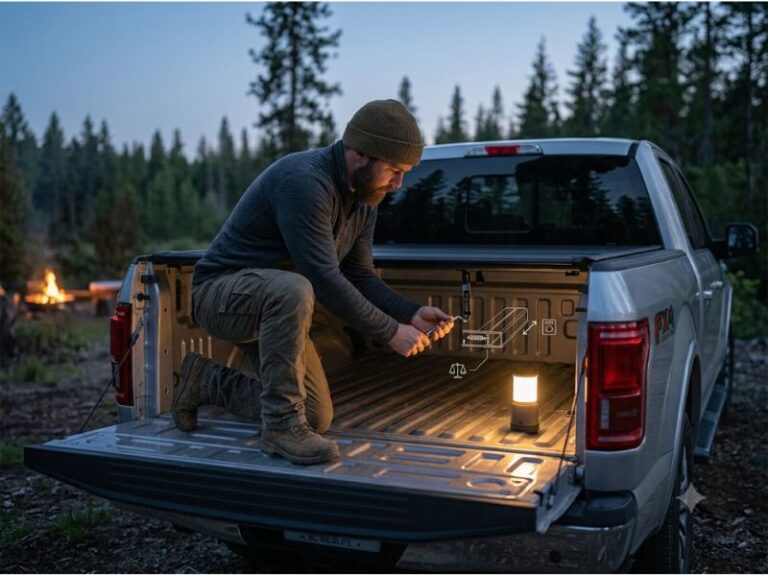
Imagine pulling up to your favorite outdoor store, ready to load up on gear for a weekend adventure. You pop open the tailgate, and there it is: your truck bed, perfectly organized and protected from the elements, thanks to a tonneau cover. Or perhaps you’re simply running errands, and the peace of mind knowing your groceries or tools are secure and out of sight is invaluable. These covers have become an indispensable accessory for many truck owners, offering a blend of security, weather protection, and even improved fuel efficiency.
But have you ever stopped to consider what makes these versatile covers so effective? From their ability to withstand harsh weather to their robust security features, a lot goes into their design and construction. The materials chosen play a crucial role in determining a cover’s durability, weight, appearance, and overall performance.
Understanding the different materials and construction methods can help you make an informed decision when choosing the right cover for your truck and lifestyle. This article will delve into what are tonneau covers made of, exploring the common materials, their unique properties, and how these choices impact the cover’s functionality and longevity. By the end, you’ll have a clear picture of what to look for and why certain materials might be better suited for your specific needs.
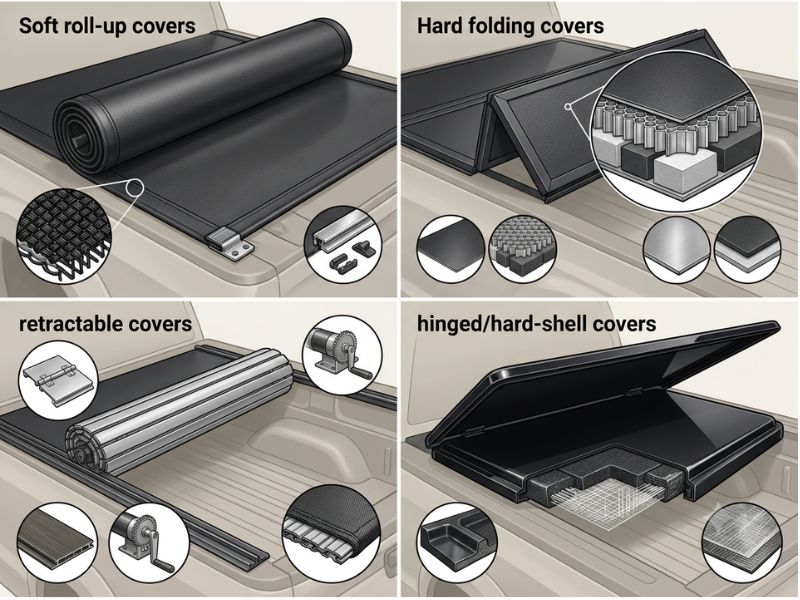
I will guide you through the various options, from soft roll-up covers to hard folding and retractable designs, explaining the benefits and drawbacks of each material. This knowledge will empower you to compare different tonneau covers effectively, ensuring you select one that offers the best value and protection for your vehicle.
The Core Materials of Tonneau Covers
When I look at the vast array of tonneau covers available today, I see a fascinating blend of engineering and material science. The primary materials used can be broadly categorized into soft and hard options, each with distinct characteristics that appeal to different truck owners. Let’s break down the most common materials you’ll encounter.
Soft Tonneau Cover Materials
Soft tonneau covers are often the most budget-friendly option and are known for their flexibility and ease of use. They typically come in roll-up or snap-on designs.
Vinyl (PVC)
- Description: Vinyl, specifically PVC (polyvinyl chloride), is the most common material for soft tonneau covers. It’s a synthetic plastic polymer known for its durability and weather resistance.
- Properties: I find vinyl to be an excellent choice for its waterproof nature, UV resistance, and ability to withstand a wide range of temperatures without cracking or fading significantly. It’s also relatively lightweight and flexible, making it easy to roll up or fold.
- Construction: High-quality vinyl covers often feature multiple layers, sometimes reinforced with fabric backing (like polyester or nylon) for added strength and tear resistance. This multi-layer construction helps prevent stretching and provides better insulation.
- Advantages: Affordable, lightweight, easy to install, good weather protection, and simple to operate.
- Disadvantages: Less secure against theft compared to hard covers, can be susceptible to cuts or punctures, and may sag over time if not properly tensioned.
Canvas (Fabric)
- Description: While less common than vinyl, some soft covers utilize heavy-duty canvas or fabric materials, often treated for water resistance.
- Properties: Canvas can offer a more traditional look and feel. Modern canvas covers are typically made from synthetic fabrics like polyester or acrylic, treated with water-repellent coatings to ensure they stand up to rain and snow.
- Construction: Similar to vinyl, these fabrics are often woven tightly and may have a backing for added strength.
- Advantages: Unique aesthetic, can be very durable against abrasions, and may offer a slightly quieter ride due to less flapping than some vinyl covers.
- Disadvantages: Generally more expensive than vinyl, requires more maintenance to maintain water repellency, and can be heavier.
Hard Tonneau Cover Materials
Hard tonneau covers prioritize security and durability. They come in various styles, including folding, retractable, and solid one-piece designs.
Aluminum
- Description: Aluminum is a prevalent material for hard tonneau covers, particularly for folding and retractable designs. It’s a lightweight metal known for its strength-to-weight ratio.
- Properties: I appreciate aluminum for its corrosion resistance, especially when anodized or powder-coated. It’s strong enough to support significant weight and withstand impacts, yet light enough not to add excessive weight to the truck.
- Construction: Aluminum covers often feature panels made from extruded aluminum slats or sheets. These panels are frequently interlocked or hinged, and many are designed with a honeycomb or ribbed structure underneath for added rigidity without increasing weight dramatically. A common finish is a durable powder coat, which enhances scratch resistance and aesthetic appeal.
- Advantages: Excellent security, good durability, relatively lightweight for a hard cover, strong weather protection, and often supports weight on top.
- Disadvantages: Can be more expensive than soft covers, may dent under extreme impact, and some designs can be complex to install.
Fiberglass
- Description: Fiberglass is a composite material made from fine fibers of glass woven into a fabric and then embedded in a resin matrix, typically polyester or epoxy.
- Properties: Fiberglass is incredibly strong, rigid, and lightweight. It’s also highly resistant to rust and corrosion. I often see it used in one-piece, painted tonneau covers because it can be molded into complex shapes and painted to match the truck’s color, giving a seamless, OEM look.
- Construction: Fiberglass covers are typically molded as a single, solid piece. They often have an inner frame or reinforcement for added structural integrity. The exterior is usually gel-coated and then painted and clear-coated, similar to automotive body panels.
- Advantages: Superior strength and rigidity, excellent paint matching capabilities, very secure, and provides a sleek, integrated look.
- Disadvantages: Heavier than aluminum, more expensive, and can be cumbersome to remove if full bed access is needed frequently.
ABS Plastic (Acrylonitrile Butadiene Styrene)
- Description: ABS is a common thermoplastic polymer used in many automotive applications due to its balance of strength, rigidity, and impact resistance.
- Properties: I find ABS to be a versatile material. It’s lighter than fiberglass and often more impact-resistant than some metals. It’s also resistant to many chemicals and can withstand temperature fluctuations.
- Construction: ABS covers are typically thermoformed or injection-molded into panels. They might be used as the primary material for folding covers or as a top layer over an aluminum frame for added durability and a specific finish. Some designs may incorporate a honeycomb core for increased strength without significant weight gain.
- Advantages: Good impact resistance, lighter than fiberglass, often more affordable than aluminum or fiberglass, and resistant to dents.
- Disadvantages: Can be susceptible to UV degradation over long periods if not properly treated or coated, and may not offer the same level of rigidity as fiberglass or aluminum.
Polycarbonate
- Description: Polycarbonate is another thermoplastic polymer known for its exceptional impact strength and transparency, though for tonneau covers, it’s typically used in an opaque form.
- Properties: When I think of polycarbonate, I think of its incredible toughness. It’s often used in applications where extreme impact resistance is required, such as bulletproof glass. For tonneau covers, this translates to excellent durability against hail, falling objects, and general wear and tear.
- Construction: Similar to ABS, polycarbonate panels are typically molded. They can be used as the primary material for folding or retractable covers, sometimes reinforced with aluminum frames or cores.
- Advantages: Extremely high impact resistance, lighter than many metal or fiberglass options, and good weatherability.
- Disadvantages: Can be more expensive than ABS, and some formulations may be prone to scratching if not properly coated.
Understanding the Impact of Material Choice on Tonneau Cover Performance
The material a tonneau cover is made from profoundly influences its performance across several key areas. When I’m evaluating different options, I always consider how the material choice affects security, weather protection, durability, weight, and aesthetics.
Security
- Soft Covers (Vinyl, Canvas): These offer basic security, primarily keeping items out of sight. They are relatively easy to cut or pry open, meaning they deter opportunistic theft but won’t stop a determined thief. For valuable items, I would not rely solely on a soft cover for security.
- Hard Covers (Aluminum, Fiberglass, ABS, Polycarbonate): These provide significantly enhanced security.
- Aluminum: When made with interlocking or solid panels, aluminum is highly resistant to prying and cutting. Many aluminum covers feature secure locking mechanisms that integrate with the truck’s tailgate lock.
- Fiberglass: Its rigid, solid construction makes it very difficult to breach. Like aluminum, it often incorporates robust locking systems.
- ABS & Polycarbonate: These plastics offer good impact resistance, making them difficult to smash. While not as inherently rigid as metal or fiberglass, their toughness provides a strong deterrent against theft, especially when combined with a secure frame.
Weather Protection
- Soft Covers: Modern soft covers, particularly those made from high-quality vinyl, are excellent at repelling water and protecting against UV rays. They typically feature perimeter seals and drainage systems to keep the bed dry. However, extreme snow loads can sometimes cause sagging or pooling, though most are designed to shed water effectively.
- Hard Covers: Generally offer superior weather protection.
- Aluminum: Panels are often designed to interlock tightly, and perimeter seals are robust. Many retractable aluminum covers have sophisticated drainage channels to divert water away from the bed.
- Fiberglass: The solid, one-piece construction, combined with tight seals, makes fiberglass covers exceptionally waterproof.
- ABS & Polycarbonate: These materials are inherently waterproof. When properly sealed and installed, they provide excellent protection against rain, snow, and dust. Their rigidity prevents sagging, ensuring water sheds effectively.
Durability and Longevity
- Soft Covers: While durable for their class, vinyl and canvas can eventually show signs of wear such as fading, minor tears, or stretching over many years, especially with constant exposure to harsh sun or extreme temperatures. Regular cleaning and UV protectant application can extend their life.
- Hard Covers: These are built for the long haul.
- Aluminum: Highly durable against impacts, scratches (especially with powder coating), and corrosion. They can last for many years with minimal maintenance.
- Fiberglass: Extremely durable and resistant to dents and scratches. The automotive-grade paint finish is designed to last as long as your truck’s paint.
- ABS & Polycarbonate: Excellent impact resistance means they can withstand bumps and dings without showing significant damage. They are also resistant to rust and many chemicals, contributing to a long lifespan.
Weight and Fuel Efficiency
- Soft Covers: These are the lightest option, adding minimal weight to your truck. This means virtually no impact on fuel efficiency due to added weight. However, all tonneau covers can contribute to minor fuel efficiency improvements by reducing aerodynamic drag.
- Hard Covers:
- Aluminum: While heavier than soft covers, aluminum is a relatively lightweight metal. Many aluminum covers are designed to be as light as possible while maintaining strength, offering a good balance.
- Fiberglass: Generally the heaviest type of tonneau cover, especially the one-piece designs. This added weight can have a minor, though often negligible, impact on fuel efficiency.
- ABS & Polycarbonate: These materials fall in between soft covers and fiberglass in terms of weight. They are lighter than fiberglass but heavier than soft vinyl, offering a good compromise for those seeking durability without excessive weight.
- Fuel Efficiency Benefit: Regardless of material, any tonneau cover can improve fuel efficiency by reducing aerodynamic drag over the truck bed. An open truck bed creates turbulence, increasing drag. A cover smooths the airflow, potentially leading to a 5-10% improvement in highway fuel economy, though individual results vary.
Aesthetics and Finish Options
- Soft Covers: Typically come in matte black or textured finishes. They offer a clean, understated look that blends well with most trucks.
- Hard Covers: Offer a wider range of aesthetic choices.
- Aluminum: Often available in matte black powder coat, which gives a rugged, utilitarian look. Some may have a brushed aluminum finish.
- Fiberglass: The premium option for aesthetics. It can be painted to perfectly match your truck’s factory color, creating a seamless, integrated appearance that looks like an original part of the vehicle.
- ABS & Polycarbonate: Usually come in a textured matte black finish, similar to many automotive trim pieces. This provides a modern, durable look that resists fingerprints and minor scratches.
Specialized Tonneau Cover Materials and Features
Beyond the primary construction materials, many tonneau covers incorporate specialized components and features to enhance their functionality, durability, and user experience. I often see these innovations making a significant difference in a cover’s overall value.
Frame and Rail Materials
The structural integrity of any tonneau cover, especially folding and retractable hard covers, relies heavily on its frame and rail system. These components are typically made from:
- Aluminum: By far the most common material for frames and rails. Its lightweight nature, strength, and corrosion resistance make it ideal. Aluminum frames provide the necessary rigidity to support the cover panels and withstand vibrations and impacts during driving.
- Steel: Less common for the main frame due to its weight, but steel might be used for specific brackets, hinges, or locking mechanisms where extreme strength is required. It’s usually powder-coated to prevent rust.
- High-Impact Plastics/Composites: Some lighter-duty or more budget-friendly covers might use reinforced plastic or composite materials for certain frame components, particularly in soft covers where less structural support is needed.
Sealing and Gasket Materials
Effective weather protection hinges on the quality of the seals and gaskets used around the perimeter of the cover and between panels. Common materials include:
- EPDM Rubber: Ethylene Propylene Diene Monomer (EPDM) rubber is widely used for its excellent weather resistance, UV stability, and flexibility across a wide temperature range. It forms a tight seal against the truck bed rails and tailgate.
- Foam Gaskets: Closed-cell foam gaskets are often used in conjunction with rubber seals or in specific areas to fill gaps and provide cushioning.
- Vinyl/PVC Strips: Sometimes used for less critical sealing areas or as part of the cover’s fabric itself.
Hinges and Fasteners
The hardware that allows folding covers to articulate or secures roll-up covers plays a critical role in their functionality and longevity.
- Stainless Steel: Preferred for hinges, latches, and fasteners due to its superior corrosion resistance and strength. This is especially important in areas exposed to the elements.
- Aluminum: Often used for hinge components or attachment clamps, especially when weight is a concern.
- High-Strength Plastics/Nylon: Some non-load-bearing components or internal mechanisms might use durable plastics for weight reduction and smooth operation.
Drainage Systems
Many hard tonneau covers, particularly retractable and some folding designs, incorporate sophisticated drainage systems to manage water that inevitably gets past the seals. These typically involve:
- Drain Tubes: Small hoses that connect to channels within the cover’s rails and direct water out of the truck bed, often through drain holes in the bed or near the tailgate.
- Integrated Channels: The design of the cover’s panels and rails often includes built-in channels that guide water towards the drain tubes, preventing it from pooling on the cover or entering the bed.
Insulation and Core Materials
For some hard covers, especially those designed for extreme durability or to support weight on top, internal core materials are used:
- Honeycomb Cores: Often found in aluminum or ABS panels, these provide significant rigidity and strength without adding much weight. The honeycomb structure creates air pockets that can also offer some insulation.
- Foam Cores: Some fiberglass or composite covers may incorporate a foam core for added insulation, rigidity, and sound dampening.
UV Protection and Coatings
To ensure longevity and maintain appearance, many tonneau cover materials receive special treatments:
- UV Inhibitors: Incorporated directly into vinyl, ABS, and polycarbonate materials during manufacturing to prevent degradation, fading, and cracking from sun exposure.
- Powder Coating: A durable finish applied to aluminum and steel components. It provides excellent scratch resistance, corrosion protection, and a consistent aesthetic.
- Automotive-Grade Paint and Clear Coat: Used on fiberglass covers to match the truck’s finish and provide long-lasting gloss and protection against the elements.
Choosing the Right Tonneau Cover Material for Your Needs
Deciding on the best tonneau cover material really boils down to balancing your priorities, budget, and how you intend to use your truck. I always advise considering these factors carefully before making a purchase.
Consider Your Primary Use
- Casual Use/Light Protection: If you primarily need to keep items out of sight and protected from light rain, and security isn’t a top concern, a soft vinyl roll-up or snap-on cover is likely sufficient. It’s affordable, easy to use, and lightweight.
- Security and Moderate Protection: For those who frequently carry tools, luggage, or other valuables and need better security against theft and robust weather protection, an aluminum folding or retractable cover, or an ABS/polycarbonate folding cover, would be an excellent choice. These offer a good balance of security, durability, and weight.
- Maximum Security, Durability, and Aesthetics: If you demand the highest level of security, superior weather protection, and a seamless, integrated look that matches your truck’s paint, a fiberglass one-piece or folding cover is the premium option. It’s also suitable if you need to carry weight on top of the cover (check specific weight ratings).
- Heavy-Duty Work/Extreme Conditions: For contractors or those who put their truck through demanding conditions, a heavy-duty aluminum or reinforced polycarbonate hard cover with a robust frame will offer the best resistance to impacts and wear.
Evaluate Your Budget
- Entry-Level: Soft vinyl covers are typically the most budget-friendly, ranging from a few hundred dollars.
- Mid-Range: ABS/polycarbonate folding covers and basic aluminum folding covers usually fall into this category, offering a significant upgrade in security and durability without breaking the bank.
- Premium: Fiberglass covers, advanced aluminum retractable covers, and highly specialized hard folding covers represent the higher end of the price spectrum, reflecting their superior materials, features, and often custom finishes.
Think About Installation and Removal
- Soft Covers: Generally the easiest to install and remove, often requiring no drilling.
- Hard Folding Covers (Aluminum, ABS, Polycarbonate): Most are clamp-on designs that are relatively straightforward to install. Some can be removed by one person, though two might be helpful for larger units.
- Hard Retractable Covers (Aluminum, Polycarbonate): Installation can be more involved due to the canister system, but once installed, operation is very easy. Removal is generally not intended for frequent use.
- One-Piece Fiberglass Covers: These are the most challenging to install and remove due to their size and weight. They typically require two people and are usually considered a semi-permanent addition.
Consider Your Climate
- Hot, Sunny Climates: UV-resistant materials like high-quality vinyl with UV inhibitors, powder-coated aluminum, and UV-treated ABS/polycarbonate are crucial to prevent fading, cracking, and material degradation.
- Cold, Snowy Climates: Materials that remain flexible and durable in low temperatures (e.g., specific grades of vinyl, aluminum, polycarbonate) are important. Covers with good sealing and drainage systems are essential to prevent ice buildup and water intrusion.
- Rainy Climates: All covers offer some water resistance, but hard covers with robust perimeter seals and integrated drainage systems will provide the best protection against heavy downpours.
Aesthetics and Appearance
- Sleek and Integrated: If you want your tonneau cover to look like it came from the factory, a painted fiberglass cover is unmatched.
- Modern and Rugged: Matte black powder-coated aluminum or textured ABS/polycarbonate covers offer a contemporary, durable look.
- Understated: Soft vinyl covers provide a clean, simple appearance.
By carefully weighing these factors against the properties of each material, you can confidently choose a tonneau cover that not only fits your truck but also perfectly aligns with your lifestyle and expectations.
Maintenance and Care for Different Tonneau Cover Materials
Proper maintenance is key to extending the life and preserving the appearance of your tonneau cover, regardless of what it’s made of. While the specific care routine will vary by material, I can offer some general guidelines.
General Cleaning Practices
- Regular Washing: Just like your truck, your tonneau cover benefits from regular washing. Use mild automotive soap and water. Avoid harsh detergents, abrasive cleaners, or stiff brushes, which can damage the surface.
- Soft Cloths/Sponges: Always use a soft cloth, sponge, or microfiber mitt to wash the cover.
- Rinse Thoroughly: Rinse the cover completely to remove all soap residue, which can leave streaks or attract dirt.
- Dry: Air drying is fine, but for a spot-free finish, especially on hard covers, I recommend drying with a clean microfiber towel.
Material-Specific Care
Vinyl (Soft Covers)
- UV Protection: Vinyl is susceptible to UV damage over time, which can lead to fading and cracking. Regularly apply a vinyl protectant that contains UV inhibitors. This is perhaps the most crucial step for vinyl covers.
- Avoid Harsh Chemicals: Do not use silicone-based products, petroleum distillates, or citrus-based cleaners, as these can dry out and damage the vinyl.
- Tension Adjustment: Periodically check and adjust the tension of roll-up vinyl covers to prevent sagging and flapping, which can cause premature wear.
- Winter Care: In cold weather, be gentle when rolling or folding. Vinyl can become less flexible when cold, increasing the risk of cracking if forced.
Canvas/Fabric (Soft Covers)
- Water Repellency: Over time, the water-repellent coating on fabric covers can diminish. Reapply a fabric waterproofing spray periodically to maintain its protective qualities.
- Spot Cleaning: For stubborn stains, use a fabric cleaner specifically designed for outdoor textiles.
- Brush Gently: A soft-bristle brush can be used for cleaning, but always test in an inconspicuous area first.
Aluminum (Hard Covers)
- Powder Coat Care: The powder-coated finish on aluminum covers is very durable. Treat it like your truck’s painted surfaces. Wash regularly and apply a wax or sealant for added protection and shine.
- Avoid Scratches: While tough, powder coats can scratch. Be mindful of placing sharp or abrasive objects on the cover.
- Hinge and Latch Lubrication: Periodically lubricate hinges, locks, and moving parts with a silicone-based lubricant to ensure smooth operation and prevent corrosion.
Fiberglass (Hard Covers)
- Paint Care: Fiberglass covers are painted with automotive-grade paint. Treat them exactly as you would your truck’s paint. Wash, wax, and polish regularly to maintain the shine and protect the finish from UV rays and environmental contaminants.
- Avoid Abrasives: Do not use abrasive compounds or scrubbers that could scratch the clear coat.
ABS Plastic and Polycarbonate (Hard Covers)
- UV Protection: While often treated with UV inhibitors, an additional layer of UV protectant designed for plastics can further extend their life and prevent dulling or hazing.
- Gentle Cleaning: These materials are generally robust but can be scratched. Use soft cloths and mild cleaners.
- Avoid Strong Solvents: Do not use harsh solvents or petroleum-based cleaners, as these can damage the plastic.
Component-Specific Maintenance
- Seals and Gaskets: Inspect rubber and foam seals regularly for cracks, tears, or compression. Clean them with a mild soap and water solution, and apply a rubber conditioner to keep them pliable.
- Drain Tubes: If your cover has drain tubes, ensure they are clear of debris (leaves, dirt) to allow proper water drainage.
- Rails and Tracks: For retractable covers, keep the tracks clean and free of dirt and grit. Lubricate with a dry silicone spray as recommended by the manufacturer to ensure smooth operation.
- Hardware: Periodically check all bolts, clamps, and fasteners to ensure they are tight. Vibration from driving can sometimes loosen them.
By following these maintenance tips, you can ensure your tonneau cover remains functional, secure, and looking great for many years, regardless of the materials it’s constructed from.
Conclusion
As I’ve explored the diverse world of tonneau covers, it’s clear that the choice of material is fundamental to a cover’s performance, durability, and overall value. From the flexible, cost-effective vinyl of soft covers to the robust security of aluminum, fiberglass, ABS, and polycarbonate hard covers, each material offers a distinct set of advantages tailored to different needs and preferences.
Understanding what are tonneau covers made of empowers you to make an informed decision, ensuring you select a product that not only fits your truck but also perfectly aligns with your lifestyle, budget, and expectations for security, weather protection, and aesthetics. By considering the unique properties of each material and committing to proper maintenance, you can enjoy the benefits of your chosen tonneau cover for many years to come, keeping your truck bed protected and your cargo secure.