Is it safe to inflate your tires with the car on Find out
Yes, it is generally safe to inflate your tires with the car running, as this can provide more stable power to an air compressor and prevent draining your car’s battery. While technically permissible, it’s often unnecessary and carries minor, avoidable risks like potential carbon monoxide exposure in enclosed spaces. For simplicity and to eliminate any minute concerns, turning the car off before inflating is usually recommended.
Hey there, fellow driver! Picture this: You’re getting ready for a road trip, or maybe just heading out for your daily commute, and that little tire pressure warning light suddenly decides to make an unwelcome appearance on your dashboard. Or perhaps you’re just doing your routine check, only to find one of your tires looking a little… flat. We’ve all been there, right? It’s that moment you pull out your trusty portable air compressor, ready to top up the air, and then a thought pops into your head that many of us have pondered:
Should I keep my car running while I inflate my tires? Is it really safe to inflate your tires with the car on? This isn’t just a random question; it’s a genuine concern that touches on everything from battery life to personal safety. There’s a lot of chatter out there, some saying it’s perfectly fine, others warning against it. It can get confusing, and when it comes to your vehicle’s safety and your own, clarity is key.
So, let’s cut through the noise together. In this comprehensive guide, we’re going to dive deep into the ins and outs of inflating your tires with the car on. We’ll explore the science, debunk some myths, and equip you with the knowledge to make the safest and most informed decision every time you need to top up your tire pressure. Get ready to find out everything you need to know!
Key Takeaways
- Engine Off is Safest: Inflate tires with your engine off whenever possible.
- Prioritize Ventilation: Always ensure a well-ventilated area to avoid CO fumes.
- Engage Parking Brake: Secure your vehicle with the parking brake to prevent movement.
- Beware Moving Parts: Stay clear of fans and belts if the engine is running.
- Prevent Battery Drain: Engine on helps power 12V compressors and saves battery.
- Professional Recommendation: Experts generally advise inflating tires with the engine off.
Quick Answers to Common Questions
Is it safe to inflate your tires with the car on?
Yes, it is generally safe to inflate your tires with the car on. Keeping the engine running can actually be beneficial, especially if you’re using a 12V portable air compressor, as it prevents draining your car battery.
Will inflating my tires with the engine running damage my vehicle?
No, inflating your tires with the car on will not cause any damage to your vehicle. It’s often recommended when using a portable compressor to ensure a stable power supply and prevent your car battery from running low.
Does having the car on affect the accuracy of the tire pressure reading?
No, whether your car is running or off does not impact the accuracy of your tire pressure gauge. The most important factor for an accurate reading is to check your tire pressure when the tires are cold.
Is there any reason I *shouldn’t* inflate my tires with the car on?
Generally, there’s no major reason not to inflate your tires with the car on, especially if you’re using a 12V compressor. The primary concern would be ensuring good ventilation if you’re in an enclosed space, to avoid carbon monoxide buildup.
Should I keep my car running if I’m using a small 12V portable tire inflator?
Absolutely! It’s highly recommended to keep your car running when using a 12V portable tire inflator. This provides a consistent power supply to the compressor and prevents excessive drain on your car’s battery.
📑 Table of Contents
- Understanding the Basics: Why Tire Pressure Matters More Than You Think
- The “Car On” Conundrum: What Happens When You Inflate Tires with the Car On?
- Portable Air Compressors: Your Tire-Inflating Ally
- Is It Safe? Debunking Myths and Understanding Risks When Inflating Tires with the Car On
- Best Practices for Tire Inflation: Car On or Off?
- Beyond Inflation: Maintaining Your Tires for Longevity and Safety
- Comparative Overview: Car On vs. Car Off for 12V Compressor Use
- Conclusion
Understanding the Basics: Why Tire Pressure Matters More Than You Think
Before we even get to the debate of whether to keep the engine running, let’s quickly touch upon why proper tire pressure is so incredibly vital. It’s not just about avoiding that annoying warning light; it’s about your safety, your car’s performance, and even your wallet. Think of your tires as the four points of contact between your car and the road – they literally hold everything up!
The Hidden Dangers of Underinflation
Driving with underinflated tires is like trying to run a marathon with untied shoelaces – it’s inefficient and risky. When your tires don’t have enough air, more of the tire surface makes contact with the road. This might sound good, but it actually causes increased friction, leading to several problems:
- Reduced Fuel Economy: Your engine has to work harder to move the car, burning more fuel. That’s money out of your pocket!
- Premature Tire Wear: The shoulders of your tires wear out much faster, significantly shortening their lifespan.
- Increased Risk of Blowouts: The excessive flexing and heat buildup can weaken the tire structure, making it more susceptible to sudden failure, especially at highway speeds. This is a major safety concern.
- Poor Handling and Braking: Your car won’t steer or stop as effectively, making emergency maneuvers much more dangerous.
The Risks of Overinflation
On the flip side, too much air isn’t good either. Overinflated tires are like bouncing on hard rubber balls:
- Reduced Traction: Only the very center of the tire makes good contact with the road, leading to less grip, especially in wet conditions.
- Harsher Ride: You’ll feel every bump and pothole much more acutely, making for an uncomfortable driving experience.
- Increased Risk of Puncture: A tire that’s too rigid is more vulnerable to damage from road debris.
- Uneven Tire Wear: The center of the tire will wear out faster than the edges.
Finding Your Car’s Optimal Tire Pressure
So, what’s the magic number? It’s not one-size-fits-all. Your car’s recommended tire pressure is usually listed on a sticker located on the driver’s side door jamb, in your glove compartment, or in your owner’s manual. This specification is for cold tires, meaning the car hasn’t been driven for at least three hours or more than a mile. Always use this number, not the “MAX PSI” printed on the tire sidewall, which refers to the maximum pressure the tire can hold, not the recommended operating pressure for your vehicle.
The “Car On” Conundrum: What Happens When You Inflate Tires with the Car On?
Now that we understand why proper tire pressure is non-negotiable, let’s tackle the main question: the wisdom (or lack thereof) of keeping your car’s engine running while you inflate your tires. This often comes up when using a 12-volt portable air compressor, which plugs into your car’s auxiliary power outlet (cigarette lighter) or directly to the battery.
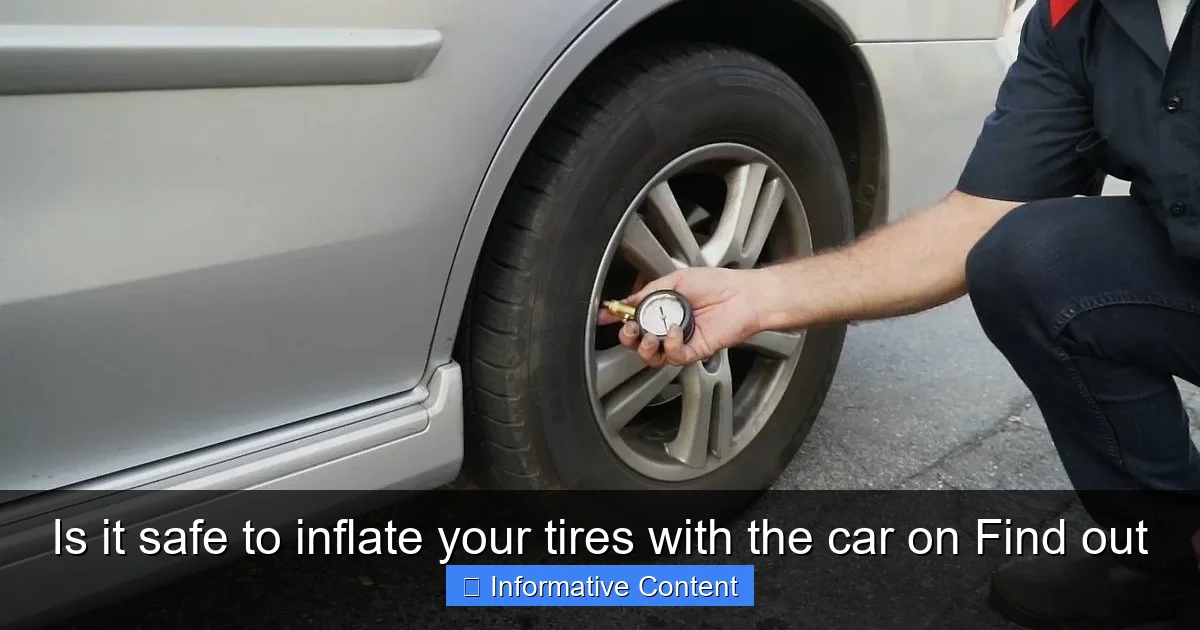
Visual guide about can i inflate my tires with the car on
Image source: whatcarshouldibuy.net
The Logic Behind Keeping the Engine Running
Many drivers believe that keeping the engine on while using a 12V compressor is beneficial, and there’s a simple, logical reason behind this thought process. The car’s engine, when running, powers the alternator. The alternator’s job is to generate electricity to run your car’s electrical systems and, crucially, to recharge your car’s battery. If you’re drawing power from the 12-volt outlet with the engine off, you’re solely relying on your car’s battery to power the compressor. A portable air compressor can draw a significant amount of power, and prolonged use could potentially drain your battery, leaving you stranded. So, the idea is that by keeping the engine on, you’re providing a continuous, stable power supply directly from the alternator, preventing battery drain.
When you are trying to inflate your tires with the car on, the alternator essentially acts as a direct power source, taking the load off the battery. This can be particularly appealing if you have multiple tires to inflate, or if you’re using a compressor that’s known to be a bit of a power hog. Many believe it makes the compressor work more efficiently and reduces the strain on the battery.
Potential Drawbacks and Safety Concerns
While the logic about battery drain makes sense, there are several important drawbacks and safety concerns associated with keeping the engine on when you inflate your tires. These often outweigh the potential benefit of not draining your battery, especially for typical usage scenarios.
- Exhaust Fumes: A running engine produces exhaust, which contains harmful gases like carbon monoxide. If you’re in an enclosed space, even a partially enclosed garage, or if the wind isn’t dispersing the fumes effectively, you risk inhaling these dangerous gases.
- Vehicle Movement: A running car, even in park, can potentially move. There’s a slight risk of the vehicle being accidentally knocked into gear, especially if it’s not parked on level ground or if there’s a malfunction. This is a rare but serious hazard.
- Overheating: While less common with modern compressors, some older or cheaper models might overheat if run for extended periods. Operating near a running engine, which also generates heat, could exacerbate this issue.
- Electrical Strain (Minor): While the alternator is providing power, it still puts a minor electrical load on the car’s system. Modern car electronics are robust, but it’s generally good practice to minimize unnecessary electrical loads when possible.
So, while the thought of protecting your battery is valid, the actual process of inflating your tires with the car on introduces other factors that need careful consideration.
Portable Air Compressors: Your Tire-Inflating Ally
Most of us who tackle tire inflation at home or on the go rely on portable air compressors. These handy devices come in various forms and power options, and understanding them is key to deciding when and how to inflate your tires with the car on.
How Portable Compressors Work
Portable air compressors are relatively simple machines. They consist of a motor, a piston, and a cylinder. When the motor runs, the piston moves up and down within the cylinder, drawing in ambient air and then compressing it. This compressed air is then pushed out through a hose and into your tire valve. They typically have a built-in pressure gauge (though it’s always wise to double-check with a separate, accurate gauge) and an auto-shutoff feature once a set pressure is reached.
Powering Your Compressor: 12V vs. AC
This is where the “car on” question primarily arises:
- 12-Volt (DC) Compressors: These are the most common type for roadside emergencies and personal use. They plug into your car’s 12V auxiliary power outlet (formerly known as the cigarette lighter socket) or connect directly to your car battery terminals with alligator clips. These are the ones that rely on your car’s electrical system for power, making the “should I inflate my tires with the car on” question pertinent.
- AC (Alternating Current) Compressors: These are typically more powerful and are designed to plug into a standard household wall outlet (110V/120V). If you’re using one of these, perhaps in your garage, the question of keeping your car’s engine on is entirely irrelevant, as the compressor isn’t drawing power from your vehicle.
- Rechargeable Cordless Compressors: These are powered by their own internal battery. They offer ultimate portability and freedom from power cords. With these, you definitely do not need to keep your car on to inflate your tires, as they are self-sufficient.
The Role of Your Car’s Battery and Alternator
For 12V compressors, the interaction between your car’s battery and alternator is crucial. When your engine is off, the 12V outlet draws power directly from your car’s battery. A compressor can pull a significant current, often between 10 to 15 amps, sometimes even more. Using it for an extended period, say to inflate all four tires from a very low pressure, can noticeably drain your battery. This is where the fear of a dead battery comes in, prompting many to consider inflating their tires with the car on.
When the engine is running, the alternator kicks in. The alternator is essentially a mini power plant that converts mechanical energy from the engine into electrical energy. It powers all the electrical components of your car and sends excess power to recharge the battery. So, when you’re using a 12V compressor with the engine running, the alternator is doing the heavy lifting, providing the necessary current and protecting your battery from significant discharge. This is the core reason people consider keeping the engine on while inflating tires.
Is It Safe? Debunking Myths and Understanding Risks When Inflating Tires with the Car On
Let’s get to the heart of the matter: the safety implications of choosing to inflate your tires with the car on. While the convenience of avoiding a drained battery is appealing, we must weigh it against other factors.
Battery Drain vs. Engine Performance
Myth: Using a compressor with the engine off will always kill your battery.
Reality: While a powerful compressor used for a long time *can* drain your battery, for most standard tire top-ups (e.g., adding 5-10 PSI to each tire), the risk is often exaggerated. A healthy car battery has enough reserve capacity for several minutes of compressor use without dying. However, if your battery is already old or weak, or if you’re inflating multiple tires from almost flat, the risk increases. Keeping the engine on virtually eliminates the risk of battery drain because the alternator is actively supplying power and charging the battery.
Exhaust Fumes and Ventilation: A Critical Safety Aspect
This is arguably the most significant safety concern when you inflate your tires with the car on. Car exhaust contains carbon monoxide (CO), a colorless, odorless, and highly toxic gas. Inhaling CO can lead to carbon monoxide poisoning, which can be fatal. Symptoms include headache, dizziness, nausea, and confusion. Because you can’t see or smell it, it’s incredibly dangerous.
- In Garages: Never, ever inflate your tires with the car on in an enclosed garage. Even with the garage door open, fumes can accumulate rapidly.
- Outdoors: While less risky outdoors due to natural ventilation, you still need to be aware of wind direction. If the wind is blowing exhaust fumes towards you, or if you’re working very close to the tailpipe for an extended period, you’re still exposing yourself to risk. Always position yourself away from the exhaust pipe and be mindful of your surroundings.
Given the dangers of CO, many experts and car manufacturers would advise against inflating your tires with the car on in any scenario where exhaust fumes could be a concern.
Electrical Load and Overheating Concerns
Some worry that running the compressor with the engine on puts an undue strain on the car’s electrical system or the compressor itself.
Electrical Load: While the compressor draws power, the car’s electrical system and alternator are designed to handle various loads. Running a compressor is usually well within these design parameters. It’s similar to running your headlights, radio, and wipers simultaneously. It won’t typically “damage” your car’s electronics.
Compressor Overheating: The primary cause of compressor overheating is usually prolonged continuous use, especially for cheaper models. Keeping the engine on itself doesn’t directly cause the compressor to overheat, but it doesn’t prevent it either. Always follow the compressor’s operating instructions regarding maximum continuous run time and allow it to cool down if needed.
Distraction and Vehicle Movement
Having the engine running means the car is “alive.” This introduces a slight but non-zero risk:
- Accidental Gear Engagement: If you or someone else accidentally bumps the gear shifter into drive or reverse while the engine is running and you’re outside the vehicle, it could move, posing a serious hazard.
- Noise and Distraction: A running engine adds noise and vibration, which can be distracting when you’re trying to carefully monitor tire pressure and listen to the compressor.
For these reasons, many safety guidelines suggest turning the engine off whenever you’re working around or under the vehicle, even for simple tasks like tire inflation.
Best Practices for Tire Inflation: Car On or Off?
So, after exploring all the angles, what’s the definitive answer? While there are situations where keeping the engine on seems logical, the safest and most widely recommended practice is to turn your car off when you inflate your tires.
When Turning the Engine Off is the Safest Bet
For the vast majority of drivers and situations, the safest approach is to turn off your engine completely before you begin to inflate your tires. Here’s why:
- Eliminates Carbon Monoxide Risk: No running engine, no exhaust fumes, no risk of CO poisoning. This is the paramount safety factor.
- Prevents Accidental Vehicle Movement: With the engine off and the parking brake engaged, the risk of your car accidentally moving is virtually zero.
- Reduces Distraction: A quieter environment allows you to focus solely on the task at hand – ensuring accurate tire pressure.
- Preserves Battery (with caveats): As mentioned, for brief top-ups, a healthy battery can handle the load. If you’re concerned about battery drain for longer inflation tasks, consider a compressor that connects directly to the battery terminals (which tend to be more efficient than those plugged into the 12V outlet) or investing in a rechargeable cordless compressor.
Scenarios Where Keeping the Engine On Might Be Considered (with caveats)
Okay, so is there *ever* a time when you might leave the engine on? Some professional roadside assistance technicians or those in very specific circumstances might do so, but always with extreme caution. If you absolutely feel compelled to inflate your tires with the car on, here are the absolute minimum conditions:
- Outdoors in an Open Space: Never in a garage or even a carport. Ensure excellent ventilation.
- Wind Blowing Away Fumes: Position your car and yourself so that any exhaust fumes are immediately blown away from you.
- Vehicle in Park with Parking Brake Engaged: Double-check, triple-check.
- On a Level Surface: To prevent any rolling.
- Compressor Direct to Battery: If using a high-power compressor that connects directly to the battery, keeping the engine on ensures stable voltage.
Even with these precautions, the general recommendation remains to turn the engine off. The benefits of keeping it on are usually outweighed by the inherent safety risks.
Essential Safety Precautions Every Time You Inflate Your Tires
No matter if your car is on or off, these universal tips will help you inflate your tires safely and effectively:
- Park on Level Ground: Always ensure your car is on a flat, stable surface.
- Engage the Parking Brake: This prevents accidental rolling.
- Use a Reliable Tire Gauge: Don’t just rely on the compressor’s built-in gauge. A separate, high-quality digital or stick gauge will provide the most accurate reading.
- Check Cold Tire Pressure: For the most accurate reading, check your tire pressure when the tires are “cold,” meaning the car hasn’t been driven for at least three hours or more than a mile.
- Follow Manufacturer Recommendations: Always inflate to the PSI specified on your car’s door jamb sticker, not the max pressure on the tire sidewall.
- Don’t Overinflate: It’s better to be slightly under than significantly over.
- Wear Gloves: Protect your hands from hot engine parts or the compressor.
- Listen to Your Compressor: If it sounds strained or overheats, give it a break.
- Monitor Pressure Carefully: Add air in short bursts and check the pressure frequently to avoid overinflation.
Beyond Inflation: Maintaining Your Tires for Longevity and Safety
Inflating your tires with the car on or off is just one small part of overall tire care. True safety and longevity come from consistent maintenance. Think of your tires as your car’s shoes; they need regular attention to perform their best.
Regular Pressure Checks
This cannot be stressed enough. Checking your tire pressure should be a monthly habit, at minimum. Temperature fluctuations, slow leaks, and natural air seepage mean tires can lose pressure even if they don’t look flat. A consistent schedule helps you catch issues early, preventing bigger problems down the road.
Tire Rotations and Alignments
Regular tire rotations (every 5,000-8,000 miles, or as recommended by your car manufacturer) help ensure even wear across all four tires, extending their lifespan. Wheel alignments ensure your wheels are correctly angled, preventing uneven wear and improving handling. If your car is pulling to one side, it’s a sign you need an alignment.
Visual Inspections for Wear and Damage
Take a few moments to visually inspect your tires regularly. Look for:
- Tread Depth: Use the “penny test” (insert a penny head-first into a tread groove; if you can see Lincoln’s entire head, your tread is too shallow). Many tires also have built-in tread wear indicators.
- Sidewall Cracks or Bulges: These are serious warning signs of internal tire damage and require immediate professional inspection.
- Embedded Objects: Nails, screws, or sharp rocks can cause slow leaks or eventual punctures.
- Uneven Wear Patterns: This can indicate issues like improper inflation, misalignment, or suspension problems.
By staying on top of these routine checks, you’re not just ensuring your tires last longer; you’re significantly contributing to your own safety and the safety of everyone on the road.
Comparative Overview: Car On vs. Car Off for 12V Compressor Use
To help you quickly grasp the key differences, here’s a table summarizing the pros and cons of inflating your tires with the car on versus with the car off, specifically when using a 12V portable air compressor.
| Feature / Concern | Car Engine ON | Car Engine OFF |
|---|---|---|
| Battery Drain Risk | Very Low (alternator provides power) | Low to Moderate (depends on battery health, inflation time, compressor power draw) |
| Exhaust Fume Exposure | High Risk (carbon monoxide, especially in enclosed/poorly ventilated areas) | No Risk |
| Accidental Vehicle Movement | Low Risk (but present if engine is running) | Very Low Risk (with parking brake engaged) |
| Compressor Performance | Potentially more stable voltage, consistent power | May slightly fluctuate if battery is weak, but usually adequate |
| Electrical System Strain | Minor load on alternator/electrical system | Load primarily on battery |
| Overall Safety Recommendation | Generally NOT Recommended due to fume/movement risks | RECOMMENDED as the safer practice |
This table clearly illustrates that while leaving the engine on addresses the battery drain concern, it introduces more serious safety hazards related to fumes and vehicle movement. Therefore, the safest practice is typically to turn the engine off.
Conclusion
So, can you inflate your tires with the car on? Technically, yes, you can. But is it safe? Generally, no, it’s not the safest approach, and it’s certainly not recommended as a standard practice. While the intention to prevent battery drain is understandable, the risks associated with carbon monoxide exposure from exhaust fumes and the slight chance of accidental vehicle movement far outweigh the benefits.
The safest and most recommended method is to turn off your car’s engine, engage the parking brake, and ensure you’re on a level surface before using your portable air compressor. For quick top-ups, a healthy car battery can easily handle the load. If you have an older or weaker battery, or anticipate a prolonged inflation task, consider investing in a compressor that connects directly to the battery terminals, or even better, a rechargeable cordless model.
Ultimately, taking a few extra seconds to prioritize safety by turning off your engine is a small price to pay for peace of mind and protection from potential hazards. Your tires are crucial to your car’s performance and your safety on the road, so giving them the proper, safe attention they deserve is always the right call. Stay safe out there, and happy driving!
Frequently Asked Questions
Is it safe to inflate my tires with the car on?
Generally, it is not recommended to inflate your tires with the car on due to unnecessary safety risks and no significant benefit. While the car itself won’t be damaged by the act of inflation, it introduces hazards that are easily avoided by turning the engine off.
Why would someone consider inflating tires with the engine running?
Some individuals might believe that running the engine helps maintain car battery charge if using a 12V portable compressor, or they might mistakenly think it provides a more accurate pressure reading. However, these reasons don’t outweigh the safety concerns associated with having the engine on during tire maintenance.
What are the potential risks if I inflate my tires with the car on?
The primary risks include accidental vehicle movement if the car is unintentionally knocked out of park, the danger of being struck by moving engine parts (like fan belts) if you’re working near the engine, and exposure to exhaust fumes. It’s always safer to work on a stationary, powered-off vehicle.
Does having the car on affect the accuracy of the tire pressure reading?
No, having the car on itself does not directly affect the accuracy of your tire pressure reading. The main factor influencing tire pressure is the tire’s temperature, which increases from driving. For the most accurate reading, always check your tire pressure when the tires are “cold,” meaning they haven’t been driven on for at least three hours or more than a mile.
If I’m using a 12V portable compressor, should I keep the car on while inflating tires?
If you’re using a 12V portable air compressor that draws power from your car’s outlet, running the engine can help prevent draining your car’s battery, especially if you’re inflating multiple tires or they are very low. However, you should still exercise extreme caution, ensure the vehicle is in park with the parking brake on, and remain aware of your surroundings.
What is the recommended way to inflate my car tires?
For optimal safety and accuracy, it is always recommended to inflate your car tires with the engine off, the car in park, and the parking brake fully engaged. This eliminates unnecessary risks and allows for the most accurate cold tire pressure reading, ensuring your tires are properly maintained.

