Does a 2013 F150 Have a Cabin Air Filter: Overview and Key Facts
Imagine driving your Ford F-150, a truck known for its rugged capability and comfortable interior, only to find yourself constantly sneezing, battling a persistent musty odor, or noticing a significant reduction in your climate control system’s effectiveness.
These seemingly minor annoyances can quickly diminish your driving experience and even pose health concerns, especially for those with allergies or respiratory sensitivities. Often, the root cause of such issues can be traced back to a single, often overlooked component: the cabin air filter. The question “does a 2013 f150 have a cabin air filter” becomes clearer once the surrounding conditions and practical details are considered.
Many vehicle owners, myself included, assume certain features are standard across all models and years, only to discover later that specifications can vary significantly. This is particularly true for maintenance items like filters.
A common question I encounter from fellow F-150 owners, especially those with slightly older models, is whether their specific truck includes this vital filtration system.
Understanding whether your vehicle has a cabin air filter, and if so, where it’s located and how to maintain it, is crucial for preserving interior air quality and the longevity of your HVAC system. Neglecting this simple component can lead to costly repairs down the line and a less enjoyable ride every day. This article aims to clarify precisely whether a 2013 F-150 has a cabin air filter and guide you through everything you need to know about it.
By the end of this comprehensive guide, you’ll have a definitive answer to the question, “does a 2013 F-150 have a cabin air filter?”
I’ll also help you understand its purpose, potential issues if it’s neglected, and practical steps for inspection and replacement, ensuring your truck’s interior remains a pleasant and healthy environment.
Does a 2013 F-150 Have a Cabin Air Filter?
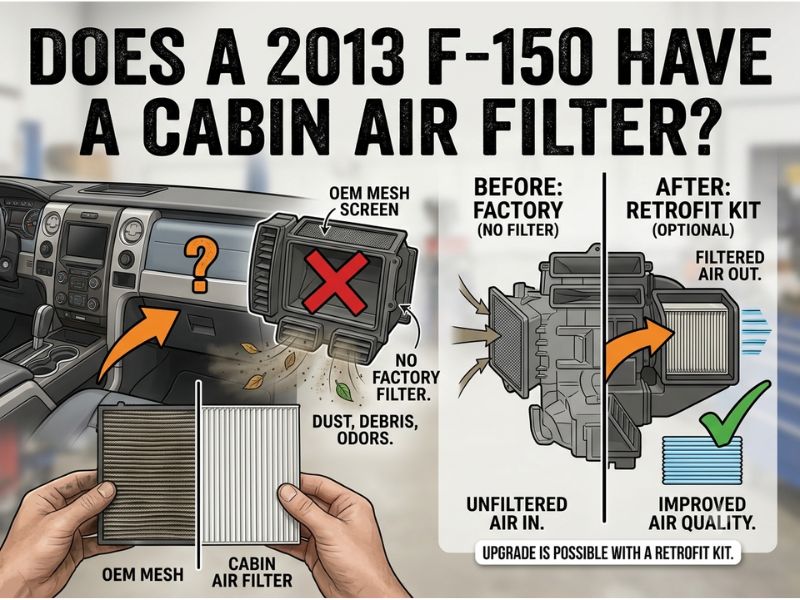
Let’s get straight to the point: the 2013 Ford F-150, across all its trim levels and engine configurations, does not come equipped with a factory-installed cabin air filter. This often surprises many owners, as cabin air filters have become a standard feature in most modern vehicles. However, for the 2013 F-150, Ford chose not to include this component as part of its original design.
I know this might be disappointing news for some, especially if you’ve been experiencing poor air quality or strange odors. It’s a common misconception that all vehicles from this era, particularly popular trucks like the F-150, would have such a feature.
The absence of a factory filter means that the air circulating through your truck’s heating, ventilation, and air conditioning (HVAC) system goes directly into the cabin without passing through a dedicated filtration medium.
Why the Absence of a Factory Cabin Air Filter Matters
The lack of a cabin air filter in your 2013 F-150 has several implications for your driving experience and the health of your HVAC system. Without this filter, your truck’s interior is more susceptible to:
- Poor Air Quality: Dust, pollen, allergens, exhaust fumes, and other airborne contaminants from outside can freely enter the cabin. This can lead to increased allergy symptoms, respiratory irritation, and a generally less fresh interior environment.
- Unpleasant Odors: Without a filter to trap odors, smells from outside, such as exhaust, agricultural fields, or even stagnant water, can easily permeate your truck’s interior.
- HVAC System Contamination: Over time, dust and debris can accumulate on the evaporator core and other components of your HVAC system. This buildup can reduce the system’s efficiency, lead to mold and mildew growth (causing musty smells), and potentially result in costly repairs.
- Reduced Airflow: While there’s no filter to clog, the accumulation of debris directly on the blower motor and evaporator can still restrict airflow, making your climate control system work harder to cool or heat the cabin.
I’ve seen firsthand how a lack of filtration can impact a vehicle’s interior. It’s not just about comfort; it’s also about maintaining the value and functionality of your truck’s climate control system.
Understanding the Purpose of a Cabin Air Filter
Even though your 2013 F-150 doesn’t have one from the factory, understanding what a cabin air filter does is crucial for appreciating its benefits and considering potential aftermarket solutions. A cabin air filter is designed to filter the air that enters your vehicle’s passenger compartment through the HVAC system.
Key Functions of a Cabin Air Filter
The primary roles of a cabin air filter include:
- Filtering Particulates: It traps microscopic particles such as dust, dirt, pollen, spores, and other airborne debris, preventing them from entering the cabin.
- Blocking Allergens: For allergy sufferers, this is a game-changer. By filtering out pollen and other allergens, it can significantly reduce symptoms while driving.
- Reducing Odors: Many modern cabin air filters, especially activated carbon types, are designed to absorb and neutralize unpleasant odors, including exhaust fumes and other environmental smells.
- Protecting HVAC Components: By preventing dust and debris from reaching the evaporator core and blower motor, the filter helps keep these components clean, ensuring optimal performance and extending their lifespan. This reduces the likelihood of mold growth on the evaporator, a common source of musty odors.
- Improving Airflow: A clean filter ensures unrestricted airflow, allowing your HVAC system to operate efficiently, providing consistent heating and cooling.
When I think about the benefits, it’s clear why these filters are standard on most newer vehicles. They contribute significantly to both occupant comfort and system longevity.
Aftermarket Solutions: Adding a Cabin Air Filter to Your 2013 F-150
The good news is that the absence of a factory-installed cabin air filter in your 2013 F-150 doesn’t mean you’re stuck with unfiltered air. Several aftermarket solutions are available that allow you to add a cabin air filtration system to your truck. These kits are specifically designed to integrate into the existing HVAC housing.
Types of Aftermarket Cabin Air Filter Kits
When considering an aftermarket solution, you’ll typically find kits that include:
- Filter Tray/Housing: This is a plastic frame or tray that holds the filter element. It’s designed to fit into a specific opening in your F-150’s HVAC system.
- Filter Element: The actual filter, often a pleated paper or synthetic material, sometimes with activated carbon for odor absorption.
- Installation Instructions and Hardware: Necessary for proper fitting.
I’ve seen these kits range from simple filter inserts to more elaborate systems that require minor modifications to the HVAC box. The key is to find a kit specifically advertised for the 2009-2014 F-150 generation, as the HVAC design remained consistent during these years.
Where to Install an Aftermarket Filter
Most aftermarket cabin air filter kits for the 2013 F-150 are designed to be installed behind the glove box, within the HVAC blower motor housing. This location is common for cabin air filters in many vehicles, as it allows the filter to clean the air just before it enters the cabin through the vents.
The installation typically involves:
- Removing the glove box.
- Locating a pre-marked or existing opening on the HVAC housing.
- Cutting out a section of the plastic housing (if necessary, some kits are “cut-to-fit”).
- Inserting the filter tray and filter element.
- Reinstalling the glove box.
While this might sound daunting, many kits are designed for DIY installation and come with clear instructions. If you’re not comfortable with the process, a local mechanic can usually perform the installation quickly and affordably.
Choosing the Right Aftermarket Cabin Air Filter
Once you decide to add a cabin air filter to your 2013 F-150, selecting the right type of filter is important. Different filters offer varying levels of filtration and additional benefits.
Common Filter Types
- Particulate Filters: These are the most basic type, made from pleated paper or synthetic fibers. They are effective at trapping dust, pollen, and other large particulates. They are typically the most affordable option.
- Activated Carbon (Charcoal) Filters: These filters incorporate a layer of activated carbon in addition to the particulate filtering material. The activated carbon is excellent at absorbing gases, odors, and fumes, providing a significant improvement in interior air freshness. If odors are a major concern for you, I highly recommend this type.
- Antimicrobial Filters: Some filters are treated with an antimicrobial agent to inhibit the growth of mold, mildew, and bacteria on the filter itself. This can be beneficial in humid climates or if you’re particularly sensitive to microbial allergens.
When making your choice, consider your primary concerns. If it’s just about dust and pollen, a standard particulate filter will suffice. If you’re battling odors or want the best possible air quality, an activated carbon filter is a worthwhile upgrade.
Key Considerations When Buying
- Compatibility: Always double-check that the aftermarket kit is specifically designed for the 2009-2014 Ford F-150.
- Brand Reputation: Stick with reputable aftermarket brands known for quality automotive parts.
- Ease of Installation: Read reviews or product descriptions to understand the installation process. Some kits are simpler to install than others.
- Filter Replacement Cost: Consider the cost and availability of replacement filter elements. You’ll need to replace them periodically.
I always advise looking for kits that offer a good balance of performance, ease of installation, and reasonable replacement costs. It’s an investment in your comfort and your truck’s health.
Installation Process for an Aftermarket Cabin Air Filter
Installing an aftermarket cabin air filter in your 2013 F-150 is a manageable DIY project for most owners. While specific steps might vary slightly between different kits, the general process is quite similar.
Tools and Materials You Might Need
- New aftermarket cabin air filter kit
- Screwdriver (Phillips and/or flathead, depending on glove box fasteners)
- Utility knife or Dremel tool (if cutting the HVAC housing is required)
- Work light (optional, but helpful for visibility)
- Shop vacuum (to clean any debris after cutting)
Step-by-Step Installation Guide (General)
- Empty and Remove the Glove Box: Open your glove box and remove all contents. You’ll typically need to unclip or unscrew a few fasteners to allow the glove box to swing down completely or be removed from its hinges. In many F-150s, there are stopper tabs on the sides that need to be pushed in to allow it to drop further.
- Locate the HVAC Housing: Once the glove box is out of the way, look for the large plastic housing of the HVAC system. You’ll be looking for a rectangular or square section, often on the passenger side, that is either pre-marked for cutting or already has a removable cover.
- Prepare the Opening:
- If there’s a pre-marked section: Carefully use a utility knife or Dremel tool to cut along the marked lines. Take your time to ensure a clean cut.
- If there’s a removable cover: Simply unclip or unscrew the cover to reveal the opening.
Be careful not to cut any wires or damage other components behind the housing. I always recommend wearing safety glasses during this step to protect your eyes from plastic shards.
- Clean the Area: Use a shop vacuum to clean up any plastic shavings or dust created during the cutting process. You don’t want these entering your HVAC system.
- Insert the Filter Tray/Housing: Follow the kit’s instructions to insert the filter tray or housing into the newly created opening. Ensure it fits snugly and is properly secured.
- Install the Filter Element: Place the new cabin air filter element into the tray, paying attention to the airflow direction arrow (if present). The arrow should typically point towards the rear of the vehicle, indicating air flowing into the cabin.
- Reinstall the Glove Box: Reverse the removal steps to put your glove box back in place. Make sure it latches securely.
After installation, turn on your fan to a low setting and check for any unusual noises or airflow issues. You should immediately notice an improvement in air quality, especially if you opted for an activated carbon filter.
Maintenance and Replacement of Your Aftermarket Cabin Air Filter
Once you’ve installed an aftermarket cabin air filter in your 2013 F-150, regular maintenance is key to enjoying its benefits. A neglected filter can become as detrimental as having no filter at all.
When to Replace Your Cabin Air Filter
The general recommendation for cabin air filter replacement is every 15,000 to 30,000 miles, or once a year, whichever comes first. However, several factors can influence this interval:
- Driving Environment: If you frequently drive on dusty roads, in heavy traffic, or in areas with high pollen counts, you’ll need to replace it more often.
- Climate: Humid climates can sometimes promote mold growth on filters, necessitating earlier replacement.
- Personal Sensitivity: If you or your passengers have allergies or respiratory issues, you might opt for more frequent replacements to maintain optimal air quality.
- Signs of Clogging:
- Reduced airflow from the vents.
- Persistent musty or unpleasant odors in the cabin.
- Increased fan noise as the system struggles to push air through a clogged filter.
- Visible dirt or debris on the filter when inspected.
I personally check my cabin air filter every oil change, or at least twice a year, especially before allergy season, just to get a visual on its condition. It’s a quick inspection that can save you a lot of discomfort.
How to Replace Your Aftermarket Cabin Air Filter
Replacing the filter element is usually much simpler than the initial installation of the kit. Typically, it involves:
- Removing the glove box (as described in the installation steps).
- Locating the filter tray or housing.
- Removing the old, dirty filter element.
- Inserting the new filter element, ensuring the airflow arrow points in the correct direction.
- Reinstalling the glove box.
Always refer to the specific instructions provided with your aftermarket filter kit, as there might be minor variations. The good news is that replacement filters are readily available from auto parts stores and online retailers.
Common Misconceptions and Troubleshooting
Even with aftermarket solutions, some questions and issues can arise regarding cabin air filters in a 2013 F-150.
Misconception: “My Truck Has a Screen, So It’s Filtered”
Some F-150 owners might notice a coarse screen or mesh in the HVAC intake area. While this screen does prevent large debris like leaves or small animals from entering the system, it is not a cabin air filter. It does not filter out dust, pollen, or microscopic particles. An aftermarket cabin air filter provides a much finer level of filtration.
Troubleshooting Poor Air Quality After Aftermarket Installation
If you’ve installed an aftermarket filter but are still experiencing issues, consider these points:
- Incorrect Filter Type: If you’re still getting odors, ensure you installed an activated carbon filter, not just a particulate one.
- Improper Installation: Double-check that the filter is seated correctly in its tray and that the tray is properly sealed in the HVAC housing. Gaps can allow unfiltered air to bypass the filter.
- Airflow Direction: Confirm the airflow arrow on the filter is pointing in the correct direction (usually towards the cabin).
- Other Sources of Odor: Sometimes, odors can originate from other parts of the truck, such as damp carpets, spills, or even mold growth on the evaporator core itself (which the filter prevents but doesn’t necessarily clean once present). If you suspect mold on the evaporator, specialized HVAC cleaning sprays might be needed.
- Clogged Evaporator: If your truck had significant dust and debris accumulation on the evaporator before the filter was installed, the filter will prevent new accumulation but won’t clean the existing buildup. This might require a professional HVAC cleaning.
I’ve found that addressing these points usually resolves most post-installation issues. Patience and a systematic approach are key.
Conclusion
In conclusion, to definitively answer the question, “does a 2013 F-150 have a cabin air filter?” the answer is no, not from the factory. Ford did not include this component as standard equipment in this model year.
However, this doesn’t mean you’re destined to breathe unfiltered air in your truck. Thanks to readily available aftermarket kits, you can easily add a cabin air filtration system to your 2013 F-150, significantly improving interior air quality, reducing odors, and protecting your HVAC system components.
I strongly recommend considering this upgrade for any owner looking to enhance their driving comfort and maintain a healthier cabin environment. Regular inspection and timely replacement of the filter will ensure you continue to enjoy fresh, clean air for years to come. A reliable answer to “does a 2013 f150 have a cabin air filter” comes from applying these points to the specific situation rather than relying on one rule.
