How Long Does a Tire Plug Take to Dry: Important Facts Explained
A tire plug usually seals immediately, but its rubber cement or vulcanizing compound may need several minutes to set. Follow the kit’s instructions, then check the repair for leaks before driving.
At first glance a tire plug can look finished as soon as the excess rubber is trimmed That appearance does not prove the repair is bonded airtight or.
That uncertainty is why people asking how long does a tire plug take to dry should not rely on a simple clock-based answer A plug may stop an.
You will learn how to evaluate the waiting time, test the seal safely, distinguish a temporary roadside repair from an internally repaired tire, and decide whether driving, monitoring, or replacing the tire is the responsible next step.
- ✓A rope plug often seals as it expands, but its cement still needs time to set according to the kit instructions.
- ✓Drying time is only one factor; puncture location, tire damage, pressure, and installation quality matter just as much.
- ✓A soapy-water leak check is more useful than judging the plug’s appearance or touching its surface.
- ✓Do not plug a sidewall, shoulder, large tear, irregular hole, or tire that has been driven while severely underinflated.
- ✓A professionally inspected internal repair is the safer long-term solution for a repairable tread puncture.
What “dry” means in a tire plug repair
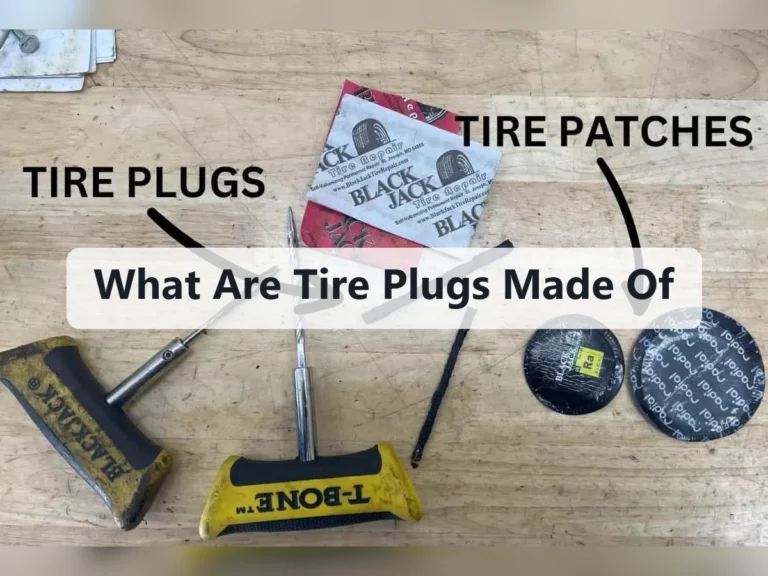
A tire plug does not work exactly like household glue drying on a surface Most emergency plug kits use a sticky rope-like rubber strip coated with cement or.
Some kits use a chemical compound that becomes tackier or cures as solvents evaporate Others rely mainly on the plug s compressed rubber and the cement s adhesive.
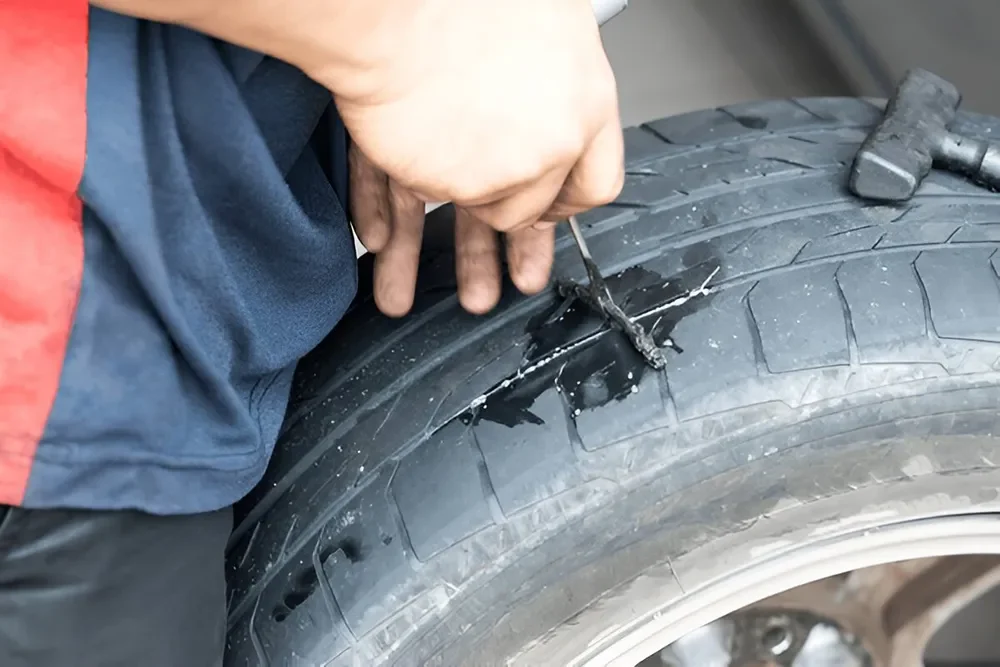
- Surface appearance: A trimmed plug may look dry before the seal has been properly tested.
- Functional seal: The repair is useful only if it holds the correct air pressure without bubbling or losing pressure.
- Product variation: Cement formulas, plug materials, temperatures, and instructions differ among kits.
- Roadside limits: A plug inserted from outside is generally an emergency or temporary measure, not automatically a permanent repair.
For many common rope-plug kits, the plug begins sealing immediately after installation and trimming. A short wait—often several minutes—allows the cement to set enough for a leak test. The kit’s printed instructions control the exact waiting period because the formulation and application method may be different from another brand’s product.
Do not add extra adhesive heat solvent or pressure in an attempt to accelerate curing An incompatible chemical can soften tire rubber while excessive heat can damage the.
How long does a tire plug take to dry?
In ordinary conditions a properly installed rope plug can become ready for an initial leak check within a few minutes but the exact time is product-specific Many emergency.
Cold weather a wet puncture dirty rubber too little cement or a hole that was not properly reamed can make the repair slower or less reliable Conversely a.

- Read first: Find the kit’s cure and testing instructions before inflating or driving.
- Wait appropriately: Allow at least the stated setting time, and allow longer if the compound remains visibly wet or conditions are cold.
- Test before travel: Inflate to the vehicle’s recommended cold pressure and apply soapy water around the repair.
- Recheck later: Confirm pressure after a short interval and again before longer or faster driving.
Typical conditions that change the waiting period
Temperature has a direct effect on many rubber cements In a cold garage or during winter roadside work solvents evaporate more slowly and the adhesive may remain less.
Moisture is another concern Water inside the puncture can prevent cement from contacting clean rubber A plug pushed into a wet or contaminated channel may look secure from.
Why a leak test matters more than the clock
A time estimate tells you when to inspect the repair it does not prove that the repair works Inflate the tire with a reliable gauge then coat the.
Check the valve stem and the bead as well A puncture repair may receive blame for a leak that actually comes from a damaged valve core bead seal.
What affects plug curing and sealing
The plug s performance depends on both chemistry and mechanics Cement may help the material adhere but the rubber strip must also fill the puncture without leaving a.
The tire s construction matters too Tread rubber is designed to contact the road and can sometimes accept a properly assessed repair Sidewalls and shoulders flex substantially so.

- Puncture size: Compare the damage with the kit’s stated limit; do not force a small plug into a large or torn opening.
- Location: A hole in the central tread is more repairable than damage near the shoulder or in the sidewall.
- Condition: Look for bulges, cuts, exposed cords, uneven wear, or evidence of internal damage.
- Preparation: The channel must be cleaned, shaped, and dry enough for the plug and cement to grip.
Temperature and weather
When temperatures are low, the plug can become stiff and the cement less workable. Installation may require more force, and the compound may not spread as intended. If the tire is being repaired outdoors in freezing conditions, moving the vehicle to a warmer, dry location is preferable when possible.
Rain creates two problems it can contaminate the puncture and it can make a leak test difficult to interpret Water on the tread can form moving bubbles unrelated.
Pressure and load
Driving at low pressure places extra flexing force on the tread and sidewall Even a sound tread plug may be stressed if the tire is overloaded or operated.
If the tire was driven while nearly flat, internal sidewall damage may exist even if the puncture is small. Abrasion inside the tire can weaken its structure and will not be corrected by allowing the plug to dry longer. A shop should remove and inspect the tire in that situation.
How to check whether the plug is holding
A careful inspection is more informative than pressing the plug with a finger. Do not use your hand to search for an air leak at close range; escaping air can carry debris, and a damaged plug may suddenly release pressure. Use a gauge and soapy water instead.
Begin with the tire at the correct cold pressure If it cannot be inflated loses pressure rapidly or has visible structural damage stop and arrange professional assistance rather than repeatedly trying to seal it A compressor can inflate a tire for testing but it does not.
- Park on a stable, level surface away from traffic and set the parking brake.
- Inspect the tread and sidewall for nails, cuts, bulges, exposed cords, or a second puncture.
- Measure pressure with a functioning gauge and inflate only to the vehicle’s recommended cold pressure.
- Spray or brush soapy water over the plug, nearby tread, valve stem, and bead area.
- Watch for expanding bubbles for several minutes, then wipe the area and repeat if the result is unclear.
- Recheck pressure after the tire sits and again after a short, cautious drive if the repair passes the initial test.
What different results mean
No bubbles and stable pressure are encouraging, but they do not certify the tire for every use. A plug may still be unsuitable because of its location, puncture size, or hidden internal damage. Treat the result as evidence that the seal is currently holding, not as a complete safety inspection.
Small, persistent bubbles mean air is escaping. Do not keep driving in hopes that road heat or pressure will improve the seal. Remove the tire from service and have a qualified tire professional assess whether it can receive an approved internal repair or must be replaced.
Rapid bubbling, a hissing sound, a plug pulling outward, or pressure loss over minutes is an immediate failure. Avoid highway driving and do not rely on adding a second plug beside the first. Multiple plugs can enlarge or weaken the puncture channel.
This distinction matters when answering “how long does a tire plug take to dry”.
How to monitor pressure after the first check
Record the pressure after the repair has been tested, then compare it before the next trip. A tire-pressure monitoring system can alert you to a significant change, but it may not warn about a gradual leak soon enough to prevent damage. A handheld gauge remains useful.
Check pressure when the tire is cold, ideally before driving for the day. Changes caused by temperature are normal, so compare readings under similar conditions. A meaningful unexplained loss indicates that the repair, valve, bead, or tire may still be leaking.
Temporary plug versus professional tire repair
An externally inserted plug is valuable when a puncture occurs far from help and the tire needs to hold air long enough to reach a repair facility It.
A professional repair normally involves removing the tire from the wheel, inspecting the interior, and using a combination repair unit or another method accepted for the tire and puncture. The repair area is prepared from inside, and the technician can identify hidden damage that an outside-only plug cannot reveal.
- Access: A roadside plug enters from the outside; an internal repair allows the tire’s inside to be inspected.
- Purpose: A plug is often used to regain mobility, while a properly assessed internal repair is intended for lasting service when permitted.
- Information: A shop can check for liner abrasion, sidewall damage, and objects that remain embedded.
- Limitations: Neither method makes shoulder, sidewall, severe, or structurally damaged tires repairable.
Whether you can drive to a shop depends on pressure stability, damage location, speed, distance, and the tire’s overall condition. Keep speed moderate, avoid heavy loads, and stop immediately if pressure drops, handling changes, vibration develops, or the plug appears to move.
Do not treat a successful leak test as permission to ignore the repair A tire may require replacement because of tread depth age run-flat operation incompatible tire construction.
When a tire plug should not be used
Plugging is not a universal solution. The most important limitation is location: damage in the sidewall or shoulder is exposed to flexing and cannot be made dependable by waiting for cement to cure. A puncture close to the shoulder may also leave too little stable tread area for a safe repair.
Size and shape matter as well. A clean, small puncture through the tread is different from a slit, tear, puncture with separated cords, or a hole enlarged by driving. If an object is still in the tire, removing it may reveal damage larger or less regular than it first appeared.
- Sidewall or shoulder damage: Do not plug it for road use; replacement is commonly required.
- Large or irregular holes: A rope plug may not fill the channel or withstand operating forces.
- Underinflation damage: Driving on a nearly flat tire can destroy the interior even when the tread puncture is repairable in theory.
- Visible structural signs: Bulges, exposed cords, deep cuts, or tread separation require professional evaluation and often replacement.
- Repeated repairs: Closely spaced repairs or overlapping damage can weaken the tire and exceed repair limits.
Why sidewall plugs are especially risky
The sidewall bends continuously as the tire rolls. That movement can work a plug out of the rubber, open the puncture, or create a sudden loss of air. Sidewall damage can also compromise load-carrying structure that a plug cannot restore.
Even if the plug stops bubbling, the tire may not tolerate normal cornering, potholes, heat, or load. A sidewall puncture should be treated as a replacement decision, not a drying-time decision.
Why run-flat and specialty tires need extra caution
Some run-flat tires can travel a limited distance after pressure loss, but operating them without pressure can conceal or cause internal damage. Their construction and repair policies vary. Do not assume a standard rope plug procedure applies to them.
Performance tires, tires with special sealants, and tires mounted on unusual wheels may also have repair requirements that differ from a basic passenger-tire kit. Check the tire maker’s guidance and have the tire inspected when the application is unclear.
Common mistakes that make a plug fail
Many failures blamed on drying actually begin during installation. If the puncture channel is not prepared, the plug may not fill it. If the plug is too small, inserted at the wrong angle, or only partly pushed through, air can travel around it.
Overworking the hole can be just as harmful. Reaming aggressively or repeatedly can enlarge the damage beyond the plug’s ability to seal. The goal is to prepare the channel according to the kit instructions, not to create the largest possible opening.
- Skipping the leak test: A repair that looks neat can still lose air slowly.
- Using the wrong cement: Household glue or unapproved chemicals may not bond to tire rubber and can cause damage.
- Cutting too aggressively: Removing all visible material can pull or disturb a plug that has not set.
- Plugging a moving leak: A second puncture, valve leak, or bead leak may be mistaken for plug failure.
- Driving immediately at high speed: Heat, load, and flexing place greater stress on a newly installed repair.
Using too much or too little cement
Too little cement can leave dry spaces around the plug. Too much can create a slick layer that interferes with the plug’s grip or prolongs setting. Apply only the amount and type specified by the kit, and do not substitute a general-purpose adhesive.
Ignoring the object’s angle
A screw or nail does not always enter perpendicular to the tread. The puncture channel follows the object’s path, so inserting a plug at a sharply different angle can leave part of the channel open. Follow the original path as closely as the tool allows without enlarging the damage unnecessarily.
Assuming a tire sealant is the same as a plug
Liquid sealants are separate products with different limitations. Some are intended only as temporary emergency products, may interfere with pressure sensors, and can complicate later inspection. A sealant does not repair sidewall or structural damage and should not be confused with a cured rubber plug.
Driving after the repair
If the plug passes the leak test and the tire is otherwise suitable, the immediate goal should be reaching a tire shop or a safe destination—not testing how long the repair can last. Drive conservatively and avoid sudden maneuvers, heavy loads, high speeds, and rough roads whenever possible.
Before moving, confirm that the valve cap is installed, the pressure is correct, and no warning light or handling issue is present. If the tire is on a trailer, heavily loaded vehicle, or vehicle used for long highway trips, professional inspection becomes especially important before continued use.
- Proceed cautiously: The plug holds pressure, damage is in the repairable tread area, and the tire has no structural warning signs.
- Stop and reassess: Pressure drops, bubbles return, vibration appears, or steering feels different.
- Do not drive: The repair is in the sidewall or shoulder, the tire is visibly damaged, or it cannot hold pressure.
The answer to how long does a tire plug take to dry is therefore only part of the decision. Even after the stated cure period, the repair must pass a leak check and the tire must be appropriate for repair. Dryness is not a substitute for structural integrity.
FAQ: How long does a tire plug take to dry?
Can I drive immediately after plugging a tire?
Only after the plug has been installed according to the product instructions, the tire has been inflated correctly, and the repair passes a leak test. For a temporary roadside repair, drive cautiously to a tire professional rather than treating it as unrestricted, permanent service.
How long should I wait before checking a tire plug for leaks?
Use the kit’s stated setting time, which is commonly measured in minutes for emergency rope plugs. If conditions are cold, wet, or otherwise unfavorable, wait longer and test only when the repair area is clean and dry.
What if the tire plug is still sticky?
Some tackiness can be normal, especially soon after installation, but a visibly wet or moving plug should not be trusted. Do not add heat or unapproved adhesive; allow the recommended time and perform a soapy-water test.
How do I know whether a tire plug is leaking?
Inflate the tire to the vehicle’s recommended cold pressure and apply soapy water around the plug. Expanding bubbles or a measurable pressure loss indicates a leak. Also test the valve and bead so another source is not misidentified as plug failure.
Can a tire plug last permanently?
A plug may hold for a long time, but longevity does not make every plug a proper permanent repair. An outside-only plug cannot reveal internal damage, and repairability depends on location, size, construction, and tire condition. Have it professionally inspected.
Can I plug a tire in the sidewall?
No. Sidewall and shoulder areas flex too much for a plug to be considered a dependable road repair. A puncture there generally requires tire replacement, even if the plug initially stops the leak.
Why is my plugged tire losing air slowly?
The plug may be undersized, poorly seated, contaminated, or installed in damage that is too large or irregular. The leak may also come from the valve, bead, wheel, or a second puncture. Stop relying on the repair and have the complete tire and wheel inspected.
Conclusion
A tire plug often sets enough for an initial check within minutes but the kit s instructions temperature preparation and tire condition determine the real waiting period The.
Use an outside plug as a carefully checked emergency measure, especially when you need to reach professional help. Do not drive on a leaking, structurally damaged, sidewall-plugged, or previously run-flat tire without proper inspection.
After the stated setting time, test the plug with soapy water and arrange a professional internal inspection before treating the tire as permanently repaired.
The answer to “how long does a tire plug take to dry” should be applied with these conditions and limitations in mind.