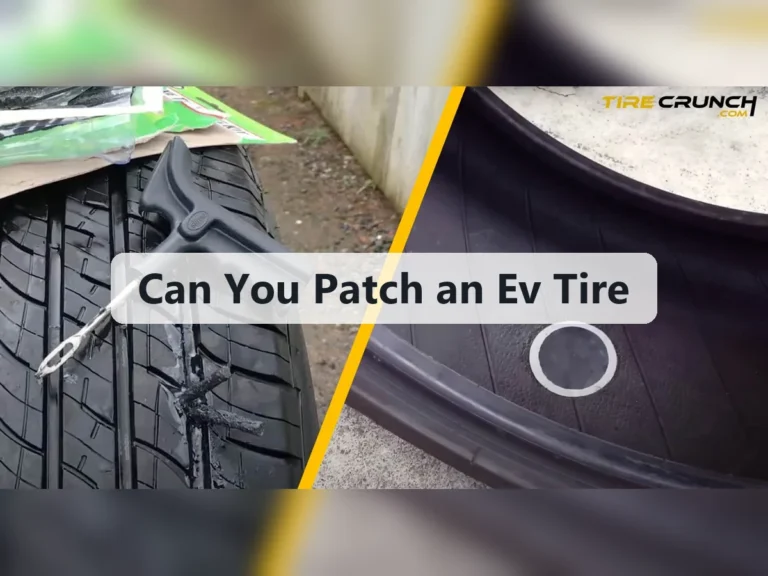
Is Plugging a Tire Safe and Reliable: Clear Answers and Key Facts
A properly installed plug can be safe for a small tread puncture, but it is not reliable for every tire or damage location.
A tire plug can look like a quick, almost temporary fix, yet the visible repair tells only part of the story. A small nail hole in the center of a healthy tire may be manageable, while a similar-looking puncture near the sidewall can make the entire tire unsafe to repair.
That difference between appearance and actual condition is why the question “is plugging a tire safe and reliable” cannot be answered with a simple yes or no. The plug must match the puncture, the tire must retain structural integrity, and the repair must be installed correctly from the inside when appropriate.
This guide explains how plugs work, which punctures can be repaired, why combination patch-plug repairs are often preferred, and what warning signs require replacement. You will also learn how to judge a roadside plug, what speeds and distances deserve caution, and when a tire professional should make the final decision.
- ✓A plug is generally suitable only for a small puncture in the central tread of an otherwise sound tire.
- ✓Sidewall, shoulder, large, angled, or irregular damage usually calls for tire replacement.
- ✓An internal inspection and combination repair are more dependable than an exterior-only plug.
- ✓Air loss, vibration, bulging, exposed cords, or repeated leakage means the tire needs immediate attention.
Is Plugging a Tire Safe and Reliable
For the right puncture, plugging a tire can restore air retention and provide dependable service. The strongest candidates are small holes caused by a nail, screw, or similar object that entered straight through the central tread area.
Safety depends on more than whether the hole stops leaking. A tire repair must preserve the casing, seal the injury against moisture, and avoid creating additional damage. The tire should also have adequate tread, no serious previous repairs, and no evidence that it was driven while severely underinflated.
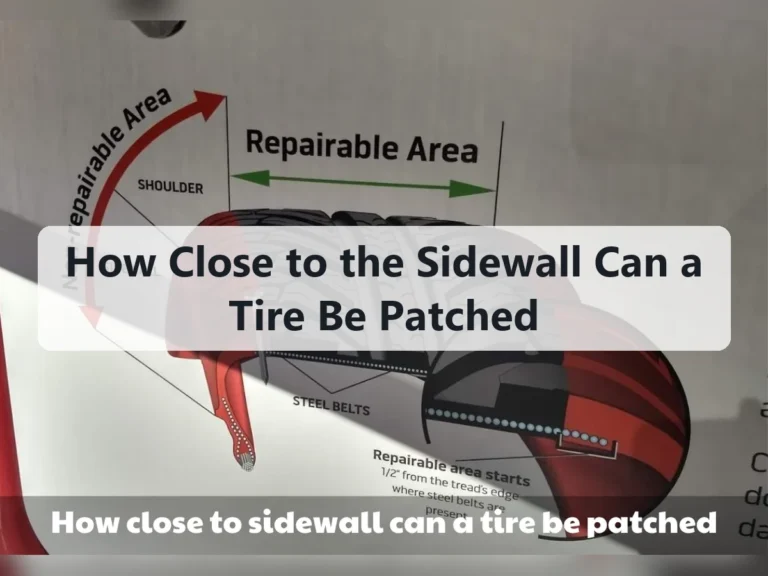
- Puncture location: The repairable zone is generally the middle portion of the tread, away from the shoulder and sidewall.
- Hole size: Small, clean punctures are more suitable than tears, cuts, or enlarged holes.
- Tire condition: A plug is not a safe solution for a tire with exposed cords, bulges, severe wear, or internal run-flat damage.
- Repair method: An internal inspection and combination patch-plug repair offer better assurance than a simple outside-in plug.
An exterior plug may work well as an emergency measure, especially when it allows a driver to reach a repair facility safely. However, it does not prove that the tire’s inside is undamaged. The object that caused the puncture may have traveled at an angle, and driving with low pressure may have weakened the sidewall.
Reliability also changes with use. A vehicle driven short distances at moderate speeds on good roads places less stress on a repair than a heavily loaded vehicle traveling long highway miles in hot weather. That does not make an unsuitable repair acceptable, but it explains why two plugs with similar appearances may perform differently.
Which Tire Punctures Can Be Plugged?
The most favorable punctures are narrow holes in the tread that do not extend into the shoulder. The tread is the thick rubber section designed to contact the road, and it has more material protecting the belts than the sidewall does.
A technician should remove the tire from the wheel and inspect the inside before deciding. That inspection can reveal a puncture channel, a damaged inner liner, loose cords, or abrasion caused by driving with low pressure. Without it, an outside plug may conceal a problem instead of fixing it.
- Small tread puncture: A straight, limited hole from a screw or nail is the typical repair candidate.
- Sound casing: The tire should not have been driven flat or nearly flat for a significant distance.
- Enough tread remaining: A repair cannot make an excessively worn tire safe.
Plugging a tire is generally not safe when the puncture lies in the sidewall or shoulder. Those areas flex heavily while driving, so a plug can work loose or fail to control the damage. A sidewall injury can also involve the tire’s load-carrying cords, which cannot be restored by rubber filler.
Replacement is usually the prudent choice for a slash, tear, gash, hole caused by a sharp object that removed rubber, or puncture larger than the repair material is designed to handle. Multiple repairs close together can also weaken the same section of the tire, even if each individual hole seems small.
Why the shoulder is a difficult boundary
The shoulder is the curved transition between tread and sidewall. A puncture near this curve may appear to be in the tread when viewed from above, but the area flexes too much for a dependable repair in many cases.
If the damage is close to the outer tread grooves or curves toward the sidewall, have a professional measure and inspect it rather than relying on visual judgment. A few inches can make a meaningful difference in repairability.
Plug Versus Patch-Plug: What Is More Reliable?
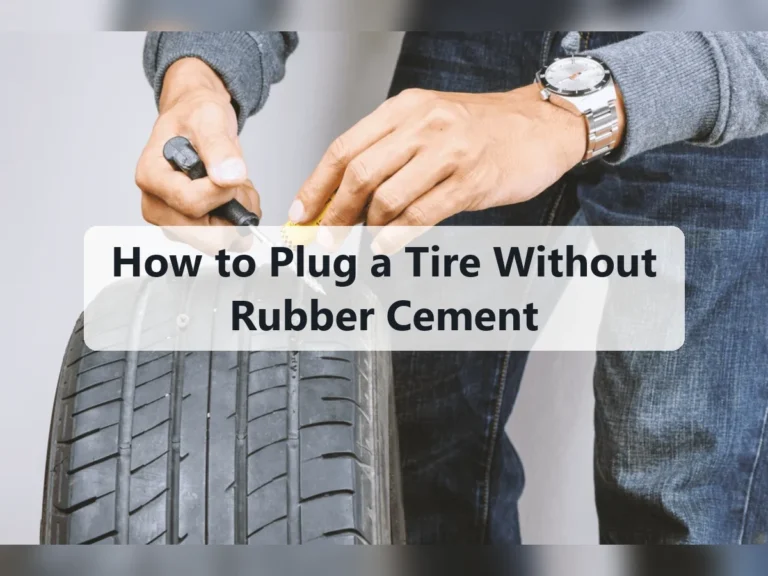
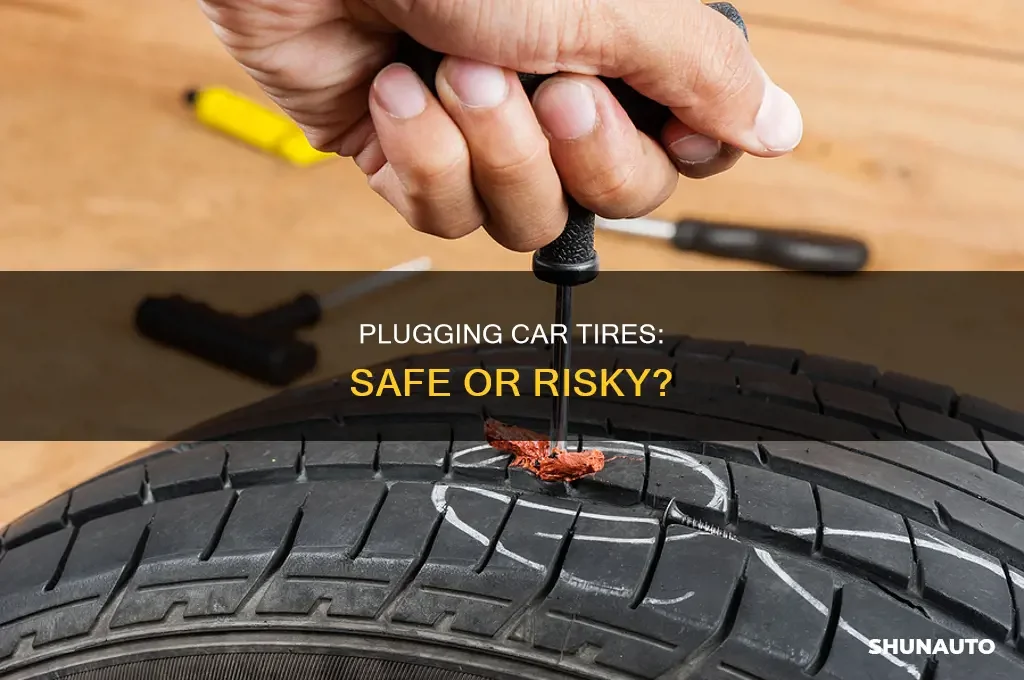
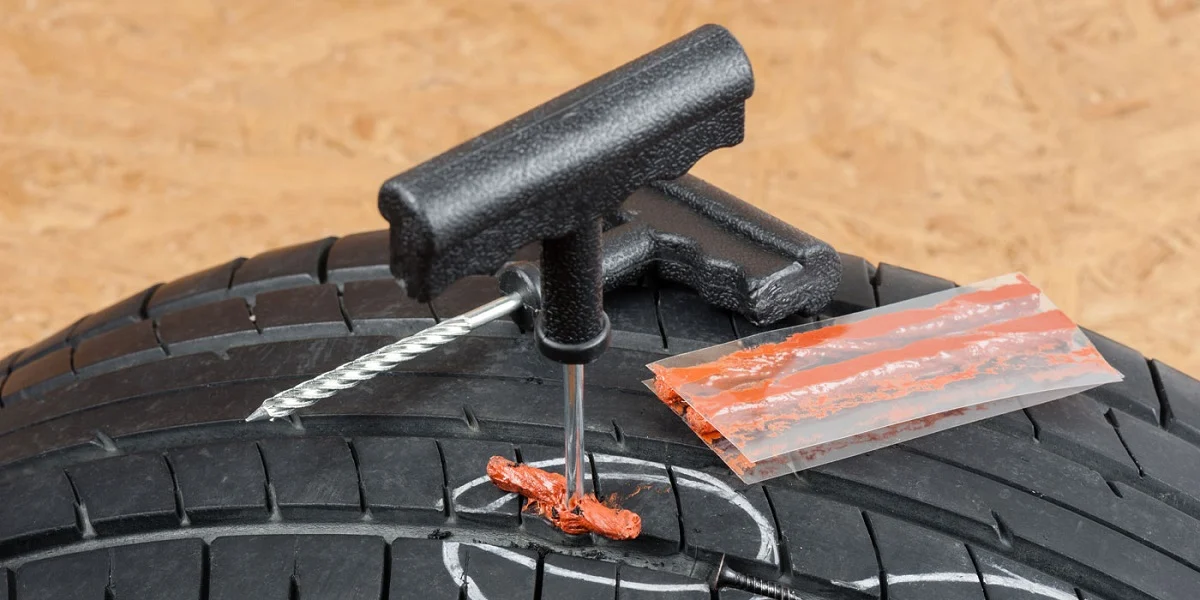
A tire plug fills the puncture channel from the outside. It is often made from a sticky, rubberized strip that is inserted with a tool and trimmed at the tread surface. This design can stop air from escaping, but it does not provide a complete view of the tire’s internal condition.
A patch is applied to the inside of the tire over the injury. A proper combination repair uses a plug section to fill the puncture path and a patch section to seal the inner liner. The tire is removed from the wheel so the technician can prepare the surface and inspect for hidden damage.
This distinction matters when answering “is plugging a tire safe and reliable”.

- Exterior plug: Fast and useful for some roadside emergencies, but it offers limited internal inspection.
- Internal patch: Seals the liner but may not fully fill the puncture channel by itself.
- Patch-plug repair: Addresses both the air passage and inner liner when the tire qualifies for repair.
For a permanent repair, the patch-plug approach is usually the more complete option. It does not turn every damaged tire into a repairable one, and proper preparation matters; a poorly installed combination repair can still leak or separate.
This distinction is central to deciding is plugging a tire safe and reliable for long-term use. A basic plug may be adequate in a limited emergency, but a professional internal repair gives the best opportunity to identify damage that cannot be seen from the outside.
When a roadside plug is reasonable
A roadside plug can be a practical way to stop an active tread puncture from losing air before you reach a shop. Check the pressure afterward, drive cautiously, and treat the repair as a reason for prompt inspection rather than proof that the tire needs no further attention.
- Do not plug blindly: Never assume a sidewall injury or large tear can be made safe with a repair kit.
- Recheck pressure: A plug that leaks slowly still needs correction before normal driving.
Risks That Make a Tire Plug Unsafe
The greatest danger is not usually the plug itself. It is the possibility that the tire has structural damage that the plug cannot repair. A tire that was driven while flat may have internal abrasion even when the tread looks acceptable.
Incorrect installation creates another risk. If the puncture is not cleaned, the plug does not fill the channel, or the repair material is damaged during insertion, air may escape around it. Moisture can also reach steel belts through an incomplete seal, contributing to corrosion and later separation.
- Slow leakage: A pressure loss over hours or days indicates that the repair, valve, wheel, or another puncture still needs diagnosis.
- Vibration or pulling: New vibration, steering changes, or pulling after a repair should not be ignored.
- Bulge or lump: A sidewall bulge can signal separated or broken internal cords and requires replacement.
- Heat or burning odor: These may indicate underinflation, overload, or internal friction.
- Exposed cords: Visible steel or fabric means the casing is compromised beyond what a plug can correct.
Driving at low pressure is especially hard on a tire. The sidewall bends more, heat builds inside the casing, and the rim may pinch the tire against the road. Inflate the tire to the vehicle manufacturer’s recommended pressure as soon as possible, but do not continue driving if the tire cannot hold air or shows serious damage.
How to Decide Whether to Repair or Replace
Start with the location and type of injury, then consider the tire’s history. A central tread puncture in a relatively new tire is a different decision from a shoulder puncture in an old tire that has already been driven underinflated.
Use the following decision path as a practical screening tool, not a substitute for an internal inspection:
- Find the leak: Use a pressure check and, when appropriate, soapy water to identify bubbles. Do not remove a nail or screw before you know how the tire will be handled.
- Assess the location: If the damage reaches the shoulder or sidewall, plan on replacement rather than plugging.
- Consider the shape: A clean, narrow puncture is more favorable than a cut, tear, elongated hole, or multiple nearby injuries.
- Check the history: Ask whether the tire was driven while flat, repaired previously, or exposed to an impact.
- Inspect the inside: Have a qualified tire professional remove the tire when a permanent repair is being considered.
- Verify the result: After repair, confirm correct pressure and watch for leakage, vibration, or handling changes.
- Damage reaches the sidewall: Flexible, load-bearing cords cannot be restored with a plug.
- The casing is compromised: Bulges, exposed cords, bead damage, or inner-liner abrasion indicate deeper failure.
- The tire is excessively worn: Repairing a puncture does not create usable tread or restore aging rubber.
- Repairs overlap: Closely spaced injuries can reduce the strength of the tread area.
Ask the shop what type of repair it performed and whether the tire was inspected internally. A clear explanation is more useful than a simple assurance that the leak stopped. The goal is not merely to keep air in the tire today; it is to preserve safe handling under normal load and speed.
How Long Can a Plugged Tire Last?
There is no universal mileage or time limit for a properly repaired tire. Service life depends on the repair quality, tire condition, inflation, load, speed, road hazards, climate, and remaining tread. A good repair in a sound tire may last for the rest of the tire’s usable life, while a poor emergency plug may begin leaking quickly.
Do not use a plug’s apparent durability as permission to ignore normal tire maintenance. Check pressure regularly, inspect the tread and sidewalls, and stop driving if the tire loses pressure or develops vibration. Correct inflation reduces heat and flexing, which helps protect both the tire and the repair.
Follow the vehicle and tire manufacturer’s guidance for pressure, load, speed, and replacement. If the repair is in a tire used for heavy loads, frequent high-speed travel, towing, or severe conditions, get a professional assessment before returning to normal use.
FAQ: Is Plugging a Tire Safe and Reliable?
Can a tire plug be a permanent repair?
It can last long term when the puncture is suitable and the repair is installed correctly. For the most dependable permanent repair, have the tire removed and evaluated for an internal patch-plug repair rather than relying only on an exterior plug.
Is it safe to drive on a tire
It may be reasonable to drive carefully to a repair facility if the plug is holding air and the injury is in the central tread. Avoid treating a roadside plug as automatically permanent, especially if the tire was driven underinflated or the puncture location is uncertain.
Can you plug a tire near the sidewall?
A sidewall or shoulder puncture generally should not be plugged. These areas flex significantly and contain structural cords that a plug cannot restore, so replacement is usually safer.
Is a patch better than a plug?
A patch seals the inner liner, while a plug fills the puncture channel. A combination patch-plug repair is commonly preferred for an eligible tire because it addresses both parts of the injury and allows an internal inspection.
How can you tell if a tire plug is leaking?
Check the tire pressure when cold and compare it over time. Bubbles from soapy water around the plug can reveal a leak, but leakage may also come from the valve, wheel, bead, or another puncture.
Should a plugged tire be replaced with a new tire?
Not automatically. Replacement depends on damage location, hole size and shape, internal condition, tread depth, age, previous repairs, and whether the tire was driven flat. A qualified inspection can distinguish a repairable puncture from a casing that is no longer trustworthy.
Conclusion
Is plugging a tire safe and reliable? It can be, but only for a limited central-tread puncture in a structurally sound tire, with correct installation and proper follow-up. Sidewall damage, shoulder injuries, large cuts, internal abrasion, and severe wear make replacement the safer choice.
When in doubt, prioritize an internal inspection and a combination patch-plug repair over a quick exterior-only fix. Confirm the tire holds pressure and has normal handling before returning to regular driving.
Check the puncture’s location and tire pressure, then have a tire professional inspect the inside before treating any plug as a permanent repair.