Do Bug Deflectors Protect Windshields: Complete Information Guide
Yes, bug deflectors can help protect a windshield, but they are not a guaranteed shield against every type of road damage. Their main job is to redirect airflow and small airborne debris over the vehicle, which may reduce insect buildup and some light impacts on the glass. This guide examines “do bug deflectors protect windshields” and explains the details that matter in practice.
The result depends on the situation. A properly fitted hood-mounted deflector may keep bugs and loose grit from striking the lower windshield during highway driving, while a larger stone thrown by another vehicle can still crack the glass. Likewise, a deflector that is loose, poorly shaped, or installed on the wrong vehicle may provide little benefit and could create new risks.
This guide explains how a bug deflector works, what it can and cannot stop, and why vehicle speed, following distance, airflow, installation, and road conditions matter. You will learn how to compare protection against insects with protection against rocks, identify installation problems, care for the accessory safely, and decide whether a deflector is worthwhile for your driving habits.
How a Bug Deflector Helps a Windshield
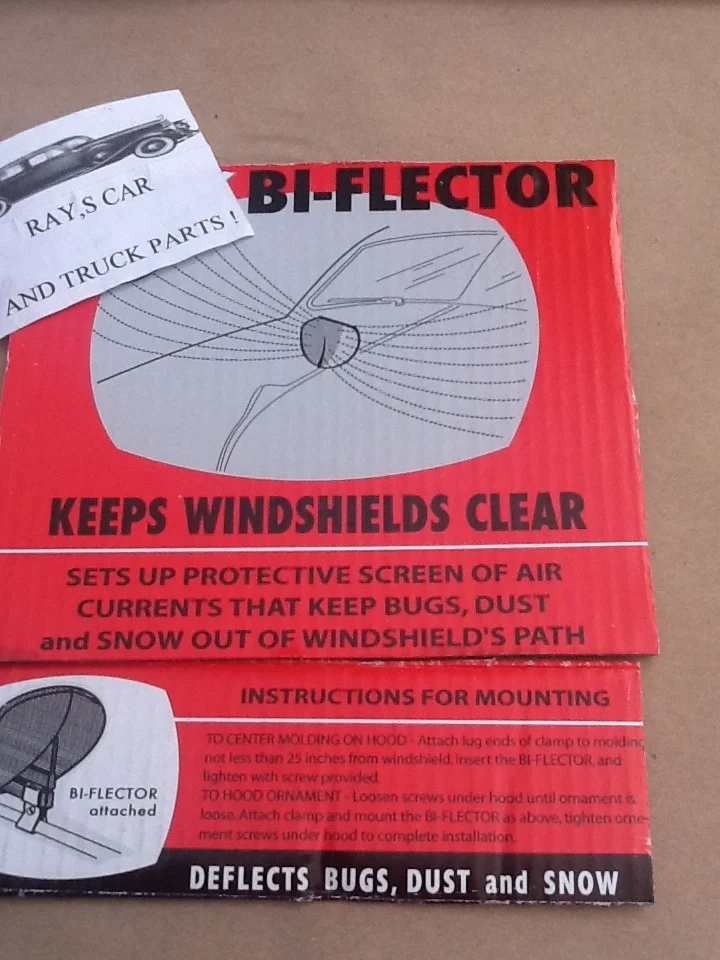
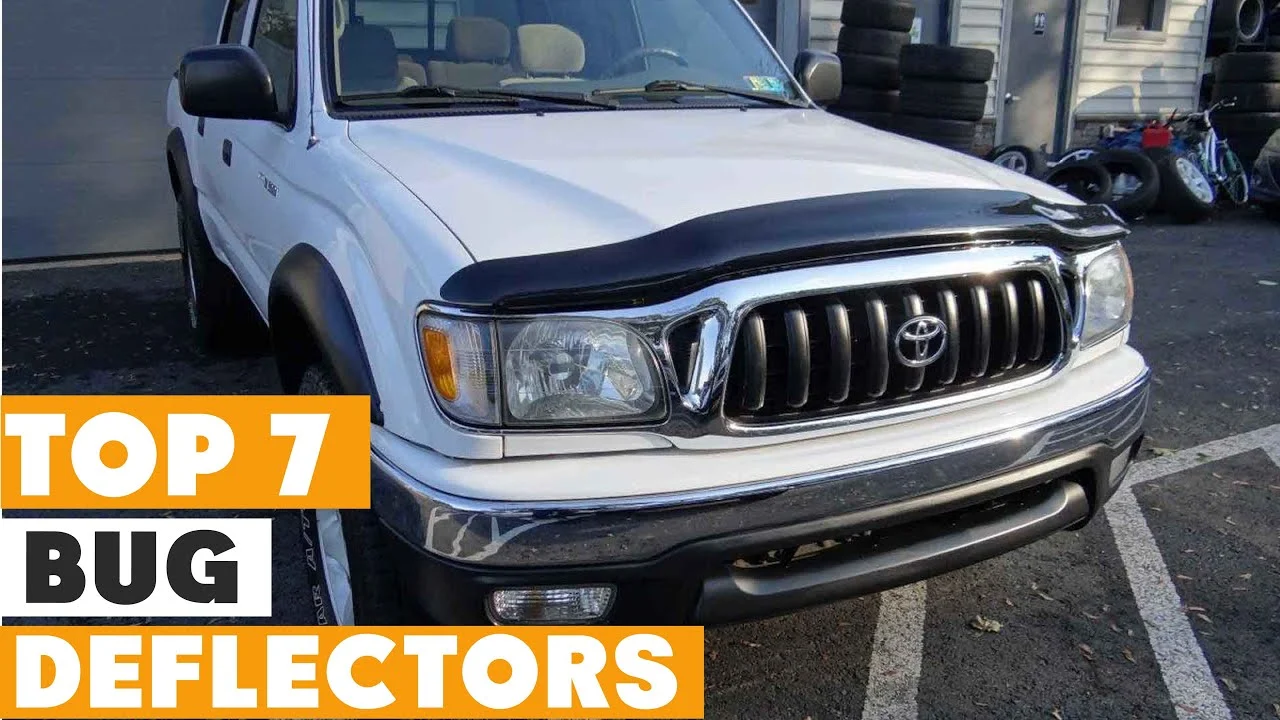
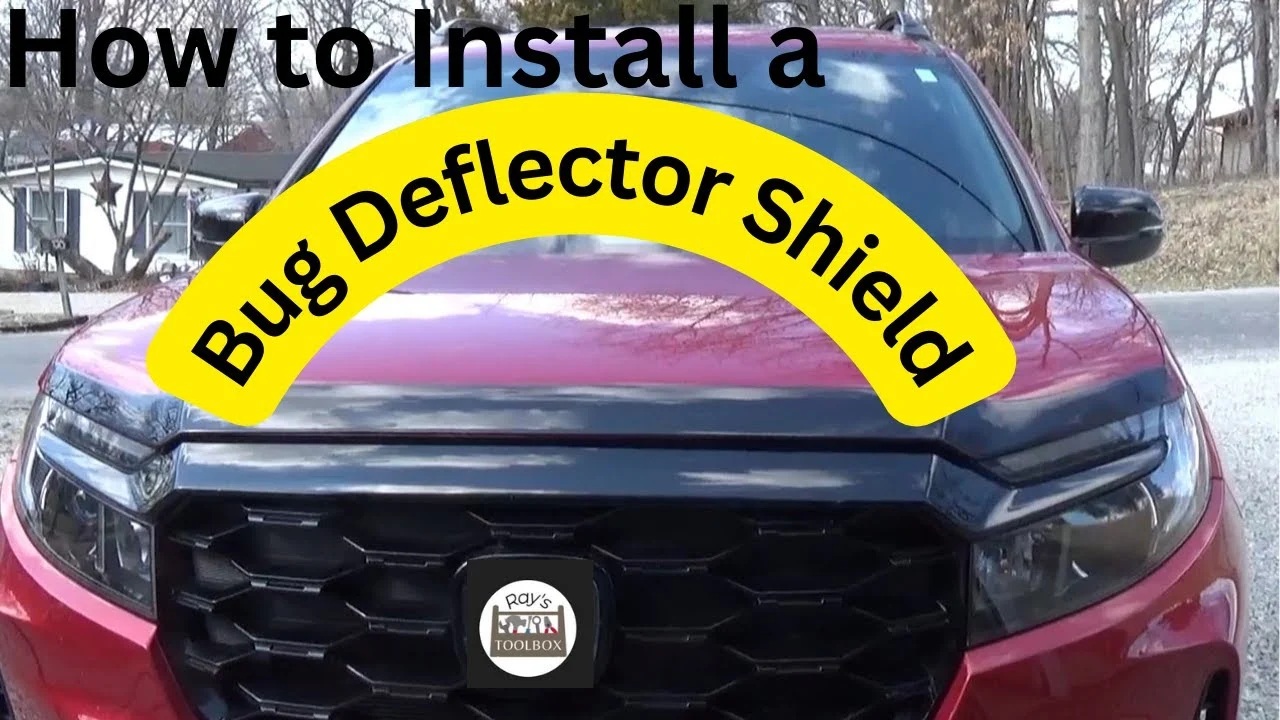
A bug deflector, also called a hood deflector, is an aerodynamic accessory mounted near the front edge of a vehicle’s hood. Its raised or curved profile changes the airflow over the hood, encouraging air and some lightweight debris to travel upward rather than directly toward the lower portion of the windshield.
The accessory is most effective at changing the path of airborne insects, dust, small particles, and occasional light debris. It does not create a protective barrier over the entire windshield, and it cannot reliably absorb or stop a high-energy impact.
What it may help prevent
Insects are the clearest example of a problem a deflector can reduce. At highway speeds, bugs that would normally hit the hood and lower windshield may be carried over the roofline or away from the glass, leaving fewer smears that interfere with visibility.
A deflector may also reduce contact with fine gravel, road dust, and small pieces of loose plant material. The benefit is usually more noticeable on long highway trips, rural roads, and routes with heavy insect activity than during slow city driving.
Reduced buildup can have a practical safety benefit. A cleaner windshield gives wipers a better surface to clear, although the deflector does not replace functioning wiper blades, washer fluid, or regular glass cleaning.
Why airflow matters
Air moving over a vehicle does not travel in a perfectly straight line. The hood, grille, windshield angle, mirrors, and roof all influence the airflow pattern. A deflector uses this pattern to lift part of the air stream above the windshield’s lower edge.
Its performance varies by vehicle design. A pickup truck with a tall hood, a compact car with a sharply sloped hood, and an SUV with a broad windshield may produce different results even when the same style of accessory is used.
Do Bug Deflectors Protect Windshields From Rocks?
They can provide limited help against very small, lightweight particles, but a bug deflector should not be treated as reliable protection from rocks or major windshield chips. A stone launched by a tire or thrown from a truck has far more energy than an insect or dust particle, and the deflector may not redirect it before it reaches the glass.
The shape and mounting position also leave much of the windshield exposed. A hood accessory sits below the glass, so its influence is greatest near the lower windshield area and weakest against objects approaching from the side, above, or directly toward the center of the windshield.
Small gravel versus large stones
Fine gravel may sometimes be diverted, particularly when it is traveling along the airflow near the hood. However, results are inconsistent because the size, speed, angle, and trajectory of each particle vary.
A larger rock can pass over, under, or around the deflector. It may also strike the hood first and bounce into the windshield. For that reason, the accessory should be viewed as a way to reduce certain exposures, not as a substitute for safe following distance or defensive driving.
Why highway conditions change the outcome
Following a dump truck, construction vehicle, or heavily loaded trailer creates a higher risk of stone impacts. The vehicle ahead may release debris from its tires, bed, or undercarriage, and a deflector cannot control the direction of that material.
Wet roads can make the problem worse by lifting grit and mud into the air. Strong crosswinds may also push particles around the intended airflow path. Slowing down, changing lanes when safe, and increasing the gap from vehicles carrying loose material are more dependable ways to reduce windshield damage.
What a Bug Deflector Cannot Prevent
A deflector has important limitations because it changes airflow rather than covering the windshield with impact-resistant material. Understanding those limitations prevents a driver from relying on the accessory in situations where it cannot offer meaningful protection. This distinction matters when answering “do bug deflectors protect windshields”.
It generally cannot prevent damage from direct impacts, falling objects, vandalism, hail, severe weather, or debris approaching from outside the airflow over the hood. It also does not stop cracks caused by existing chips, sudden temperature changes, body flex, or stress around a windshield edge.
Common causes of windshield damage that remain
- Large rocks thrown by another vehicle’s tires
- Construction debris or unsecured cargo
- Hail, branches, and falling objects
- Impacts from the side or upper windshield area
- Temperature-related expansion around an existing chip
- Improper windshield installation or body movement
A small chip can spread even when no second impact occurs. Heat from direct sunlight, cold weather, defroster use, and vibration may place additional stress on damaged glass.
It does not replace visibility maintenance
Some drivers expect a deflector to keep the entire windshield clean, but the accessory mainly affects the lower impact zone. Bugs can still land on the glass, especially when the vehicle is stopped or traveling through turbulent air.
Keep the washer system filled, replace worn wipers, and clean both the inside and outside of the windshield. A deflector that reduces insect residue is useful, but a dirty or hazy windshield can still create glare and reduce visibility.
Factors That Affect Protection
The amount of protection depends on more than whether a vehicle has a deflector. Product design, fit, driving conditions, and installation quality all affect how the airflow behaves and whether the accessory stays secure.
There is no universal performance result for every vehicle. A model designed for a specific hood and windshield combination is more likely to direct airflow as intended than a poorly matched universal accessory.
Vehicle-specific design
A vehicle-specific fit usually accounts for the hood’s width, curvature, front edge, and relationship to the windshield. A deflector that follows those contours is less likely to leave large gaps or sit at an ineffective angle.
Universal products can still be useful, but careful measurement and compatibility checks are important. The mounting points should not interfere with the hood latch, grille, headlights, windshield washer spray, or safety equipment.
Deflector shape and height
Low-profile designs may provide a subtle airflow change while preserving the vehicle’s appearance. Taller or more dramatically curved designs may direct more air upward, but they can also produce additional wind noise or affect the driver’s view of the hood.
A larger accessory is not automatically better. If its shape creates turbulence or causes debris to circulate near the windshield, the result may be less helpful than expected.
Speed and driving environment
Airflow effects become more noticeable as speed increases, which is why many drivers notice the greatest difference on highways. At low speeds, there may not be enough airflow for the deflector to move insects or particles significantly.
Urban traffic, gravel roads, desert environments, wooded routes, and coastal areas all present different debris patterns. Consider where the vehicle is driven most often rather than assuming the accessory will perform equally everywhere.
Installation and Maintenance Checks
Correct installation is essential because a loose deflector can vibrate, scratch paint, interfere with the hood, or detach while driving. Follow the product’s vehicle-specific instructions and use only the supplied hardware or approved mounting method.
Before driving, confirm that the hood opens and closes normally and that the accessory does not touch the hood, fenders, headlights, grille, or windshield. Any contact point can become a source of paint wear or noise. Keep these limitations in mind when considering “do bug deflectors protect windshields”.
Installation checklist
- Verify that the part matches the vehicle’s year, make, model, and hood design.
- Clean and dry the mounting area before attaching brackets or protective pads.
- Keep fasteners aligned without forcing them into place.
- Check that the hood latch remains fully accessible and secure.
- Inspect clearance along the entire hood edge.
- Retighten hardware only according to the product instructions.
Do not drill into the hood or alter structural components unless the manufacturer specifically requires that method and the work is performed appropriately. Improvised drilling, oversized holes, or missing protective pads can lead to corrosion and permanent damage.
Routine inspection
Examine the mounting points after the first few drives and periodically afterward. Look for loosened fasteners, cracked plastic, missing clips, shifting brackets, rubbing marks, or a deflector that no longer sits evenly.
Clean the accessory with mild soap, water, and a soft cloth. Avoid abrasive pads and harsh chemicals that can haze plastic or damage its finish. Remove trapped grit before wiping so particles do not scratch the surface or the paint beneath it.
Possible Drawbacks and Safety Concerns
A bug deflector can be useful, but it may introduce trade-offs. Wind noise is common with some designs, particularly if the accessory is not seated correctly or if its shape creates turbulence around the hood and windshield.
Improper mounting can also cause paint scuffs, adhesive failure, vibration, or an obstruction near the hood latch. These issues are preventable when the product is compatible and inspected regularly.
Visibility and vehicle operation
The accessory should not block the driver’s view, headlights, front sensors, cameras, or license plate. On vehicles equipped with advanced driver-assistance systems, confirm that the installation does not interfere with sensors or their field of view.
If the deflector shifts, flaps, produces sudden noise, or touches the hood, stop using the vehicle until the problem is corrected. A detached part can become a hazard for the vehicle owner and other road users.
When professional help is appropriate
Have a qualified technician inspect the vehicle if the hood will not latch properly, the windshield develops a crack, or the accessory appears to affect a camera or sensor. Windshield damage near an edge, camera, or driver’s viewing area may require prompt professional evaluation.
Do not assume a deflector caused or prevented a crack without examining the impact point and surrounding glass. A professional can distinguish likely impact damage from stress, installation, or pre-existing conditions.
How to Decide Whether You Need One
A deflector may be worthwhile for drivers who regularly travel through areas with heavy insects, loose surface grit, or rural highway debris. It can reduce cleaning frequency and may lower exposure to minor airborne material near the lower windshield.
The value is less clear for a vehicle used mainly on short city trips, where speed and airflow are limited. Appearance, wind noise, cleaning convenience, and the quality of the vehicle-specific fit should also be part of the decision.
Questions to consider before buying
- Does the vehicle frequently travel at highway speeds?
- Are insect buildup and light road debris recurring problems?
- Is a properly fitted model available for the vehicle?
- Will the mounting method preserve hood clearance and paint protection?
- Can the accessory be inspected and cleaned regularly?
- Is the driver expecting reduced bug residue or complete impact protection?
The most realistic expectation is modest: fewer insects and some light debris may reach the lower windshield, while serious road hazards remain a driving and distance-management issue.
FAQ About Windshield Protection
Do bug deflectors protect windshields from all road debris?
No, they only redirect some light debris. A deflector may reduce contact with insects, dust, and fine particles, but larger rocks, construction debris, and objects approaching from other angles can still hit the windshield.
Can a bug deflector prevent windshield chips?
It may reduce a few minor impact opportunities but cannot reliably prevent chips. A high-speed stone can bypass the accessory or strike the windshield with enough force to cause damage.
Does a hood deflector keep bugs off the entire windshield?
No, it mainly affects the lower windshield area. Air turbulence, vehicle shape, speed, and insect movement can still place bugs across other parts of the glass.
Are taller bug deflectors more protective?
Not necessarily. Height and shape must match the vehicle’s airflow, and a larger part can create noise, turbulence, visibility issues, or installation problems if it is not properly designed.
Can a bug deflector damage the hood or paint?
Yes, improper fit or trapped grit can cause rubbing and paint wear. Protective pads, correct mounting, regular cleaning, and inspections help prevent damage.
Should a loose bug deflector be left on the vehicle?
No, repair or remove it before driving at speed. A loose accessory can damage the vehicle, obstruct the hood latch, or detach and create a hazard for other drivers.
What is more effective than a deflector for avoiding rock
Following distance and lane choice are more dependable. Avoid tailgating trucks, keep away from vehicles carrying loose material, reduce speed on gravel, and change lanes safely when road debris is present.
Conclusion: Set Realistic Protection Expectations
Do bug deflectors protect windshields? They can provide limited protection by redirecting insects, dust, and some lightweight debris, but they cannot reliably stop rocks, hail, falling objects, or other high-energy impacts.
Choose a vehicle-specific model, install it without interfering with the hood or sensors, and inspect it for movement or rubbing. The most useful next step is to match the accessory to your driving conditions while continuing to use safe following distances and prompt professional repair for any windshield chip or crack.