Can Jeep Wrangler Fenders Be Painted: Clear Answers and Key Facts
Yes, Jeep Wrangler fenders can be painted, but the correct process depends on whether they are smooth painted panels, textured plastic flares, or flexible aftermarket parts. Paint will adhere only when the surface is cleaned, scuffed, primed, and coated with products compatible with that material. This guide examines “can jeep wrangler fenders be painted” and explains the details that matter in practice.
A factory-colored flare and a faded black flare may look similar at a glance, yet they can require different preparation. A smooth painted fender can usually be treated much like another automotive body panel, while a textured polypropylene or thermoplastic flare needs careful cleaning, adhesion promoter, and flexible coatings that will not crack when the plastic bends.
This guide explains how to identify the fender material, choose between paint and other finishes, prepare the surface, avoid common failures, and decide when professional refinishing makes more sense. You will also learn what can happen when textured plastic is sanded too aggressively, how much color change to expect, which safety precautions matter, and how to judge whether your Jeep is ready for a durable finish.
Can Jeep Wrangler Fenders Be Painted?
Most Wrangler fenders and fender flares can be painted, including original equipment plastic flares and many aftermarket replacements. The key limitation is not whether paint can technically be applied; it is whether the coating system can bond to the specific plastic and tolerate vibration, weather, trail debris, and occasional flexing.
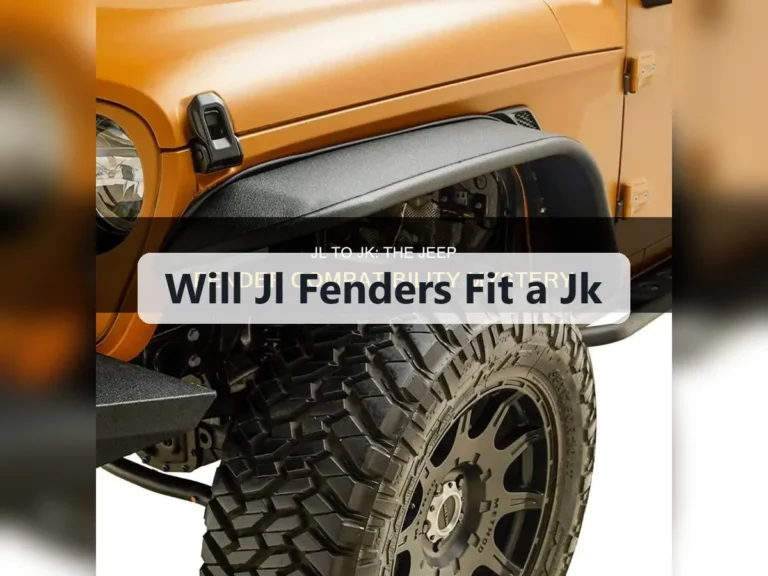
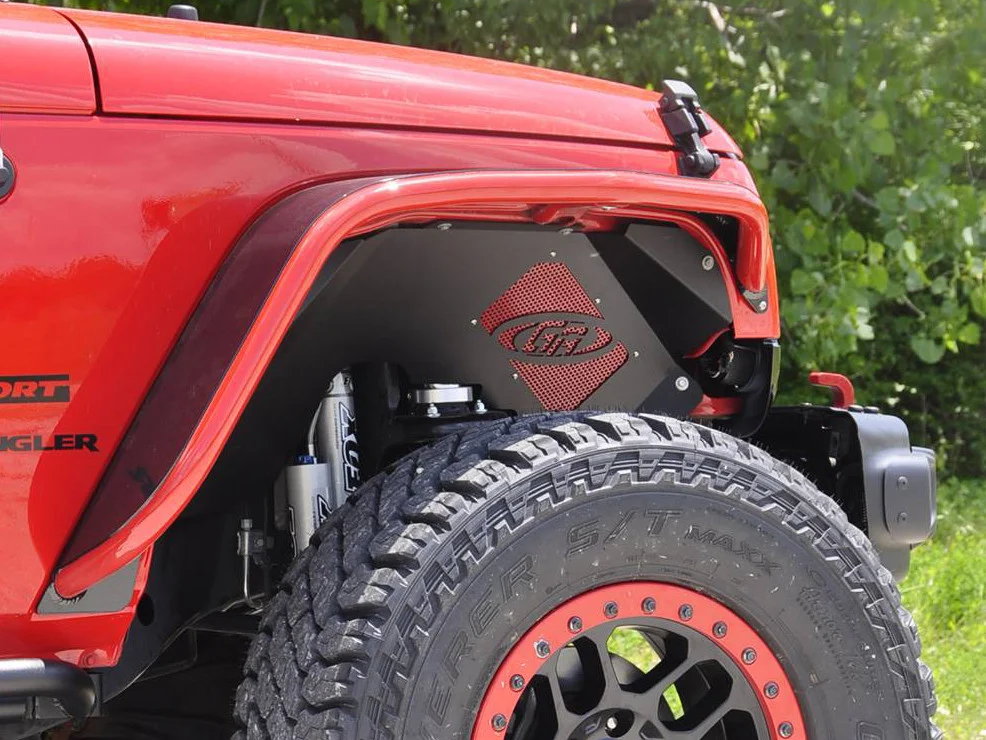
Wrangler models have used several fender styles over the years. Some have smooth, body-colored surfaces, while others have a molded-in black finish with a grainy texture. Rubicon, Sahara, Sport, and special-edition trims may also use different flare designs or surface treatments, so identifying the part is more reliable than assuming every Wrangler flare can be prepared the same way.
For smooth, previously painted flares, the process commonly involves washing, degreasing, sanding or scuffing, repairing defects, applying primer, and spraying color and clear coat. Existing paint must be sound; loose layers, peeling edges, and contamination should be removed before new material is applied.
Textured plastic is more demanding. The grain contains small recesses that trap wax, silicone, mud, tire dressing, and cleaning chemicals, and those contaminants can cause fisheyes or poor adhesion. Heavy sanding can also flatten the original texture, leaving uneven shiny patches that remain visible under the new finish.
The answer to “can jeep wrangler fenders be painted” is therefore yes, with an important qualification: a lasting result requires a plastic-compatible coating system, not simply automotive paint sprayed over an unprepared flare. The right method preserves adhesion and, when desired, keeps the factory texture visible.
Identify the Fender Material and Existing Finish
Before buying paint, inspect the fender in good light and determine whether it is bare molded plastic, previously painted plastic, or a non-original replacement part. This first check affects the cleaner, abrasive, primer, paint, and amount of flexibility the finished coating will need.
Smooth body-colored fenders
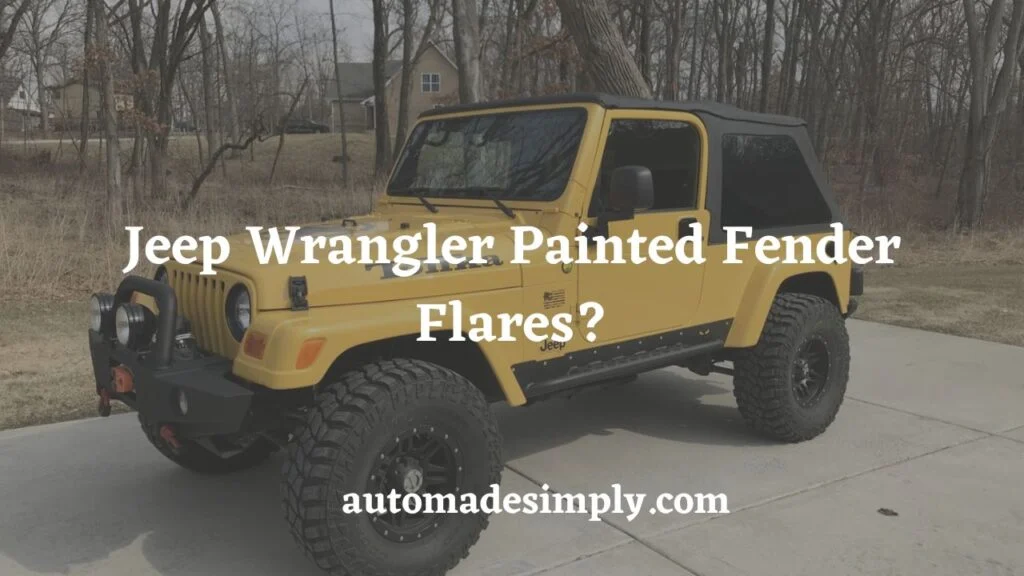
A smooth flare that matches the Jeep’s body color is usually already painted or coated. Look for a consistent gloss, color, and surface reflection, along with normal paint chips or scratches. If the damage stops at a stable layer and does not expose crumbling material, it can often be repaired and refinished without stripping the entire part.
Surface damage should be evaluated before preparation. Light scuffs may disappear after sanding and primer, but deep gouges, cracks, broken mounting areas, and warped plastic require repair or replacement first. Paint can improve appearance, but it cannot restore structural strength to a fractured flare.
Textured black plastic flares
Many black Wrangler flares are molded from flexible automotive plastic with a low-gloss texture. The color may be part of the plastic rather than a traditional painted layer, which is why fading can appear gray or chalky after years of ultraviolet exposure.
These parts are often the most difficult to refinish. Cleaning must reach the texture’s recessed areas, and the technician must decide whether to preserve the grain, smooth it partially, or remove it entirely. Preserving it usually produces the most factory-like appearance, but it also requires controlled spray technique and careful primer application.
Aftermarket materials
Aftermarket fenders may use polyurethane, ABS, fiberglass, steel, aluminum, or another composite. A manufacturer’s material information is useful because each substrate has different expansion, flexibility, and repair requirements. Fiberglass and metal can generally be prepared differently from flexible thermoplastic, even when the parts have the same shape.
Do not rely on a small hidden-area burn or solvent test unless the product maker specifically supports it. Improper testing can damage the part or create fumes. A professional body shop can often identify the material from markings, construction, and the way the part responds to approved cleaners and abrasives.
Preparation Determines Whether the Paint Lasts
Good preparation is the most important part of painting Wrangler fenders. A glossy new color cannot hide silicone contamination, unstable old paint, or moisture trapped in textured plastic, and those problems usually appear later as peeling, bubbling, fisheyes, or edge lifting.

1. Remove the fender when practical
Painting a removed flare gives better access to the inner edges, mounting points, and areas near the body. It also reduces the chance of overspray reaching the hood, grille, doors, suspension components, or tires. If removal is difficult, carefully mask the Jeep and avoid painting in a way that creates thick, inaccessible edges.
2. Wash and degrease thoroughly
Start with a suitable automotive cleaner and plenty of water, paying special attention to mud, road film, wax, and tire dressing. On textured plastic, use a soft brush to work into the grain, then rinse completely and allow the part to dry. A final wax-and-grease remover can help, but it should be compatible with the substrate and used according to its label.
Silicone-based protectants are a frequent cause of defects. If the flare has been treated with a glossy plastic dressing, repeated cleaning may be necessary before sanding. Use clean gloves after degreasing so skin oils do not recontaminate the surface.
3. Repair damage and scuff the surface
Remove loose paint and feather the edges of chips or scratches. On smooth parts, use an appropriate automotive abrasive progression to create an even mechanical tooth without cutting deeply into the plastic. On textured parts, scuff raised surfaces carefully with a gray abrasive pad or another method suited to the coating system.
Do not aggressively flatten a textured flare unless the goal is a smooth custom finish. Once the grain is removed unevenly, restoring a uniform texture is difficult. Deep gouges may need a flexible plastic repair product, while cracks around mounting holes may call for replacement rather than cosmetic filling.
This distinction matters when answering “can jeep wrangler fenders be painted”.
4. Apply adhesion promoter or plastic primer
Adhesion promoter is often important on bare plastic because it helps the primer or topcoat bond to a low-energy surface. It is not a substitute for cleaning and scuffing, and more is not better: excessive product can create a soft or uneven layer.
Use a primer designed for the identified material and follow its flash-time instructions. Some products are intended for bare plastic only, while others are compatible with existing sanded finishes. Mixing unrelated brands or applying a coating before the previous layer has flashed can weaken the system.
5. Test compatibility before full coverage
A small, concealed test area can reveal whether the coating wrinkles, softens, or fails to wet the surface. Let the test cure for the period specified by the product maker, then check adhesion gently. A successful wet application is not proof of long-term durability, but an immediate reaction is a clear reason to stop.
Choosing Paint and a Finish for Wrangler Flares
The best finish depends on the flare material, the desired appearance, and how the Jeep is used. A daily-driven street Jeep may benefit from a smooth color-matched finish, while a trail Jeep may be better served by a durable satin coating that makes minor scuffs less noticeable.
Color-matched automotive paint
Body-color paint can make replacement or faded flares blend with the rest of the Jeep. Basecoat followed by a compatible clear coat is a common approach for smooth parts, although the exact system depends on the product and whether the color is solid, metallic, or pearl.
Color matching is not always as simple as finding the original paint code. The vehicle’s existing finish may have faded, been repaired, or changed slightly between production batches. A body shop can scan and adjust the color when an exact visual match matters.
Textured coatings
Textured or protective coatings can preserve a rugged appearance and disguise minor imperfections. They still require thorough cleaning and suitable adhesion preparation, and they may make future repairs more difficult if applied too heavily or unevenly.
When using a textured finish, apply light, consistent coats rather than trying to create the final thickness in one pass. The spray distance, air pressure, nozzle, and temperature affect the grain. Practice on scrap material or an inconspicuous section before coating the visible face.
Satin, matte, and gloss choices
Gloss finishes highlight sanding marks and surface waves, so they demand the highest level of preparation. Satin can provide a practical balance, while matte coatings may be difficult to touch up without creating a visible change in sheen.
Clear coat is not automatically required for every plastic coating. Some products are designed to remain as the final layer, while others need a compatible clear for chemical and ultraviolet resistance. Follow the coating system’s instructions rather than adding a generic clear coat.
Painting Process and Common Failure Points
After preparation and testing, move the part to a clean, ventilated area with controlled dust and temperature. Wear the protective equipment required by the product labels, keep ignition sources away from solvent vapors, and never spray coatings in an enclosed garage without proper ventilation and respiratory protection.
- Clean the part again immediately before coating and remove dust with the recommended method.
- Mask mounting surfaces and any areas that must remain free of paint.
- Apply adhesion promoter or plastic primer in thin, even coats.
- Allow the specified flash time between coats instead of judging dryness only by appearance.
- Apply color or textured coating gradually, keeping coverage consistent around curves and edges.
- Add a compatible clear coat only when the product system calls for it.
- Allow full curing before washing, waxing, reinstalling, or exposing the flare to trail debris.
Most failures come from rushing one of these stages. Paint may look acceptable immediately after spraying but lift at a mounting edge when the flare is flexed, or it may peel months later because dressing remained inside the texture.
Heavy coats create their own problems. Runs, solvent entrapment, soft spots, and uneven texture become more likely, especially on vertical surfaces. Thin coats take longer but provide better control and give each layer a chance to bond and release solvents properly.
When Painting Is Not the Best Option
Painting is not always the most economical or durable answer. If an original flare is badly cracked, distorted, or missing mounting tabs, replacement may cost less than repairing and refinishing it. A replacement part also avoids trying to hide a damaged structure beneath attractive paint.
For mildly faded black plastic, a restoration coating or replacement trim may preserve the original molded appearance with less work. This option is not the same as painting, and its durability depends on the specific product and preparation, but it can be sensible when a color change is not needed.
Professional help is worthwhile when the flare has complex texture, extensive damage, custom color requirements, or a high-gloss finish that must match adjacent panels. A shop can also manage two-component coatings and ventilation requirements that are inappropriate for a casual home workspace.
FAQ About Painting Jeep Wrangler Fenders
Can Jeep Wrangler fenders be painted without removing them?
Yes, but removal usually improves the result. Painting in place is possible with careful masking, yet it makes inner edges, mounting areas, and tight gaps harder to clean and coat evenly. Removal also reduces overspray risk.
Will paint stick to black textured Wrangler fender flares?
It can stick when the plastic is cleaned, scuffed, and treated with compatible adhesion products. The texture and any silicone dressing make preparation especially important. Spraying directly over faded plastic commonly leads to weak adhesion and uneven appearance.
Can the factory texture be preserved after painting?
Yes, the texture can usually be preserved with gentle scuffing and controlled coats. Avoid aggressive sanding that flattens the grain, and use a coating designed for textured plastic or a finish that can reproduce the desired surface.
Do painted fender flares need clear coat?
Only if the selected coating system requires or supports it. Some automotive basecoats need clear protection, while certain textured products are intended as the final finish. An incompatible clear can soften, wrinkle, or change the sheen.
Can faded plastic flares be painted a different color?
Yes, a different color is possible after proper preparation and priming. A major color change may require additional coverage, especially over black plastic, and the new finish will not correct cracks or distorted mounting areas.
Why is paint peeling from a Wrangler fender after
Peeling usually indicates contamination, inadequate surface tooth, incompatible products, or insufficient curing. Tire dressing and silicone are common hidden contaminants, while skipping adhesion promoter on bare plastic can also cause early failure.
Is spray paint suitable for Jeep fender flares?
Some automotive spray paints are suitable, but ordinary general-purpose paint is a risky choice. Select a product labeled for automotive plastic or flexible trim, and use the matching primer and clear coat when specified. Test compatibility before covering the whole part.
Conclusion: A Durable Finish Starts With the Plastic
Can Jeep Wrangler fenders be painted? Yes, but the finish will last only when the material is identified, contaminants are removed, and the primer and topcoat are compatible with flexible automotive plastic. Textured flares need extra care because aggressive sanding can permanently change their appearance.
Inspect cracks and mounting damage before painting, use proper ventilation and protective equipment, and allow every layer to cure as directed. For a major color change, difficult texture, or professional body-color match, have a qualified refinisher evaluate the parts before buying supplies.