Can You Drive Without a Wheel Well Liner: Key Facts and Guidance
Yes, you can usually drive without a wheel well liner for a short time, but doing so leaves the wheel well and nearby components more exposed to water, mud, gravel, and road debris. The risk depends on which liner is missing, how fast and far you drive, and whether any wiring, hoses, or fasteners are already exposed. This guide examines “can you drive without a wheel well liner” and explains the details that matter in practice.
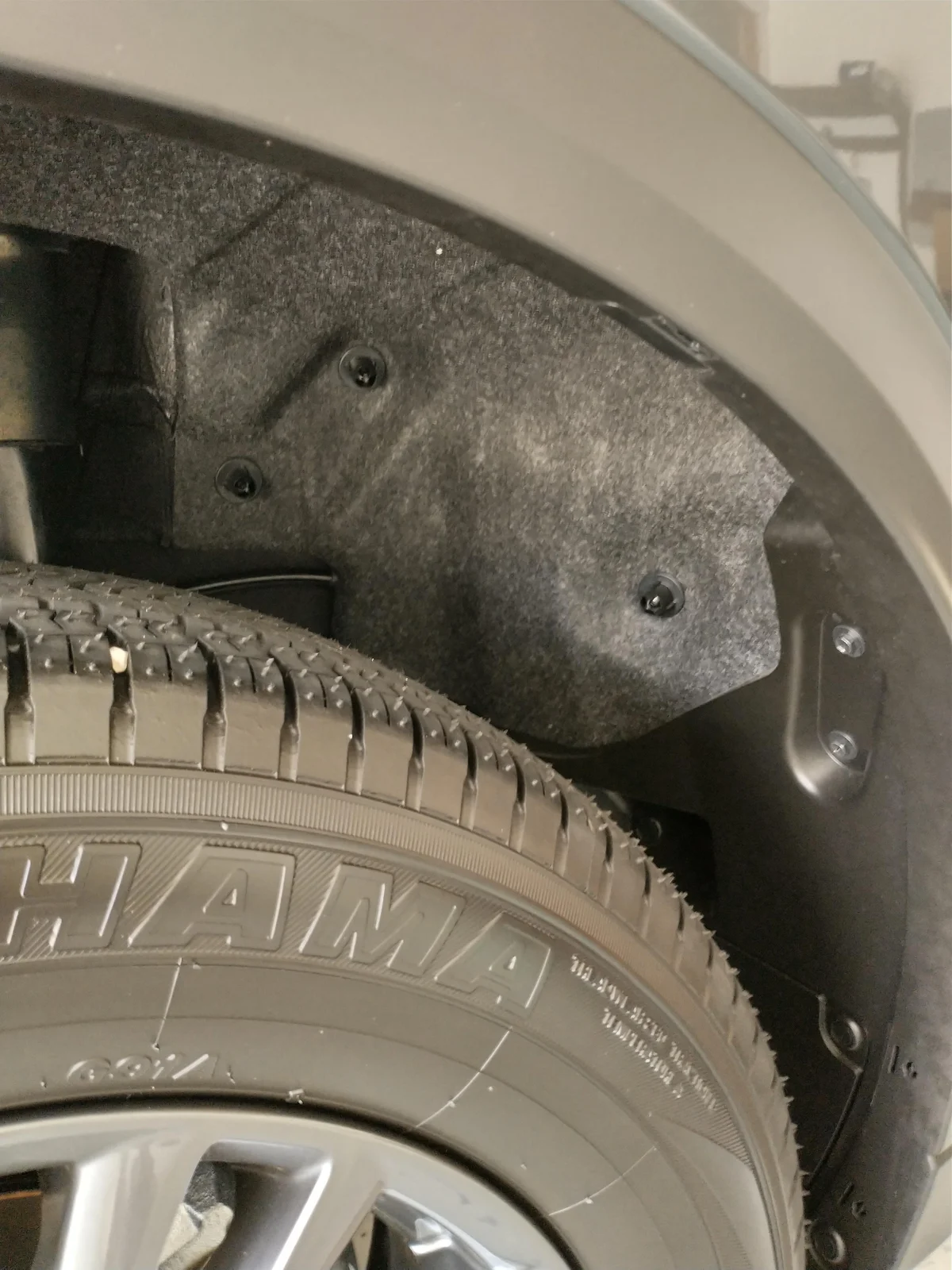
A wheel well liner, also called a fender liner, splash shield, or inner fender liner, forms a protective barrier between the tire and the vehicle’s body and engine-bay components. A small missing section may be inconvenient rather than immediately dangerous, while a loose liner rubbing against the tire can create a more urgent safety problem than a completely removed one.
This guide explains the conditions that change the answer, the damage a missing liner can allow, and the checks to make before driving. You will learn how to distinguish cosmetic exposure from a genuine hazard, when temporary driving may be reasonable, what symptoms require stopping, and how to decide whether the liner needs replacement, reattachment, or professional inspection.
What a Wheel Well Liner Does
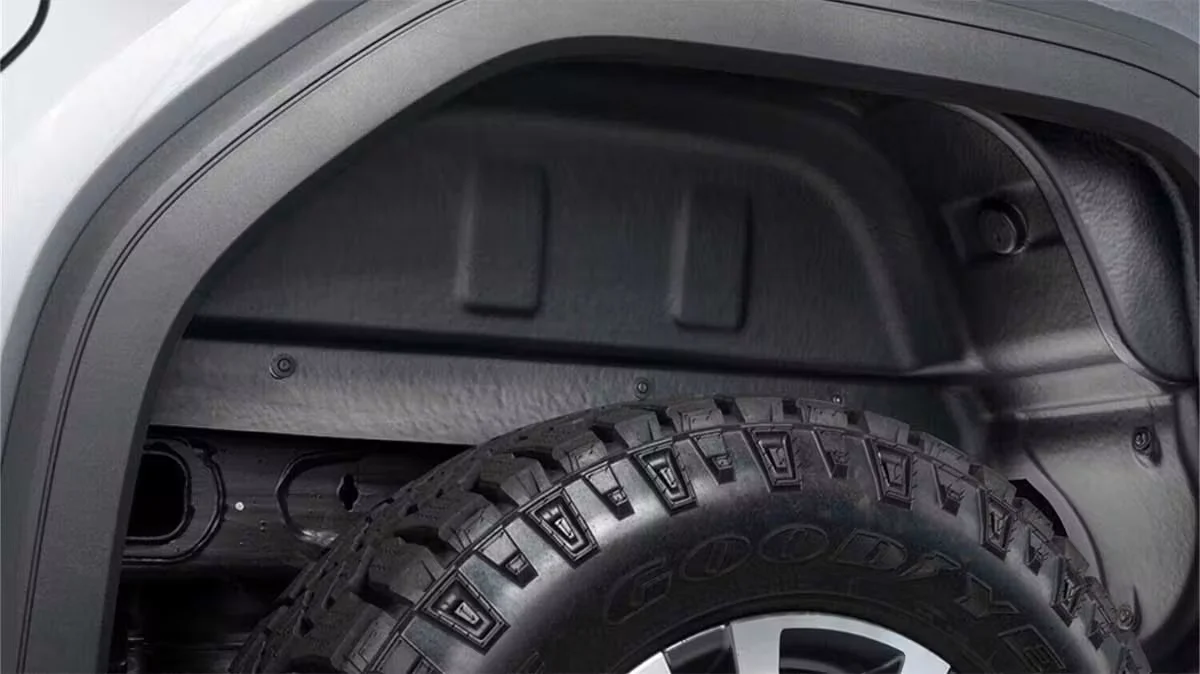
The wheel well liner follows the inside shape of the fender around the tire. It helps block spray, salt, dirt, stones, and other debris from reaching the body structure and parts located behind or above the wheel.
Although it is made from plastic, rubberized material, or composite panels, the liner is not merely decorative. It provides debris protection, helps control water movement, and can reduce noise from tire spray and gravel striking the metal body.
- Protects electrical wiring: Harnesses, connectors, sensors, and clips may run near the wheel opening.
- Shields mechanical parts: Depending on the vehicle, the area may contain brake lines, suspension components, steering parts, or drive-axle boots.
- Limits corrosion: Reducing direct exposure to water and road salt helps protect painted metal and fasteners.
- Controls airflow: Some liners help guide air around the wheel or keep air from entering sensitive areas.
- Reduces road noise: The panel absorbs or deflects some sound created by the tire and road surface.
The exact role varies by location. A front fender liner may protect wiring and the engine compartment, while a rear liner may mainly shield the quarter panel, fuel-system components, suspension, or bumper area.
Can You Drive Without a Wheel Well Liner?
In many cases, you can drive a vehicle without a wheel well liner if the tire clears the opening, no parts are hanging loose, and the missing panel has not exposed a critical component. The safest approach is to treat it as a temporary condition and avoid unnecessary driving until the shield is repaired or replaced.
Dry, low-speed travel on clean pavement is generally less demanding than highway driving through rain, snow, gravel, or salted roads. A missing liner becomes more concerning when the exposed area is directly in the path of the tire’s spray or when the vehicle’s wiring and underbody components are visible.
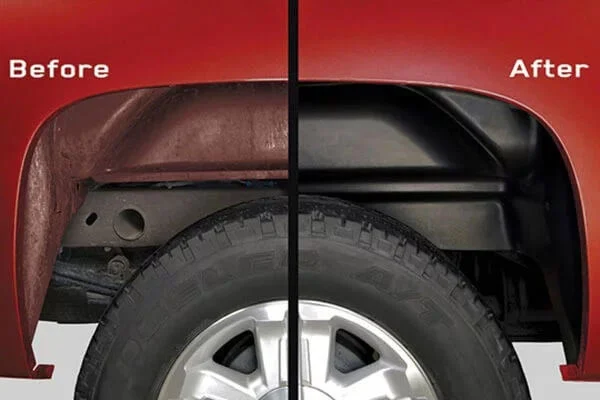
When short-term driving may be reasonable
Short-term driving may be acceptable after a basic inspection if the remaining clips and edges are secure, the tire does not contact anything, and no wiring or fluid line is dangling. Keep speeds moderate, leave extra following distance, and avoid puddles, loose gravel, deep snow, and muddy roads.
For a short trip to a repair shop, the risk is often manageable when the vehicle is otherwise operating normally. This does not mean the missing shield is harmless; it means the immediate risk may be lower than the risk created by delaying necessary travel or attempting an unsafe roadside repair.
When driving should be avoided
Do not drive if the tire rubs against the liner, a loose piece can reach the tread, or a sharp broken edge points toward the tire. Do not continue if you see damaged wiring, a leaking hose, a torn axle boot, a hanging brake line, or a component that has shifted from its normal position.
Driving should also be postponed after a collision or curb impact if the wheel alignment, steering, suspension, or braking system may have been affected. In that situation, the missing liner could be only one symptom of deeper damage.
Risks of Driving With the Liner Missing
The primary concern is not that the vehicle will immediately stop working. The concern is that a missing barrier allows ordinary road conditions to reach parts that were designed to stay relatively protected, especially during wet or dirty driving.
Water, mud, and road salt exposure
Water thrown from the tire can reach the inner fender, engine-bay edges, electrical connectors, and suspension hardware. Water alone is not always damaging, but repeated spray combined with dirt and salt can accelerate corrosion and create electrical connection problems. This distinction matters when answering “can you drive without a wheel well liner”.
In freezing weather, wet debris can also accumulate and harden around the wheel opening. Packed snow or ice may contact the tire, interfere with steering clearance, or add weight to already damaged plastic.
Damage to wiring and sensors
Many modern vehicles place wiring harnesses, wheel-speed sensor wires, and other connectors near the wheel well. Without the liner, stones and debris can strike these parts, while water and grime can enter connector seals or remain around mounting points.
A damaged wheel-speed sensor wire may trigger an ABS, traction-control, or stability-control warning. A broken harness can cause less obvious electrical problems, so a new warning light after liner damage deserves attention rather than being dismissed as unrelated.
Damage to brake and suspension components
The liner does not replace the protection built into the brake system, but it helps reduce exposure to debris. A missing panel can make it easier for stones, mud, or road salt to reach brake lines, caliper areas, strut components, and suspension joints.
Inspect the area for dents, cuts, wetness, or fresh scraping. A damaged brake line, leaking shock absorber, torn ball-joint boot, or compromised axle boot is a separate repair issue that makes continued driving less advisable.
Body corrosion and underbody damage
Road debris can chip paint inside the fender and expose bare metal. Once chips combine with moisture and salt, rust may begin at seams, mounting holes, or the lower edge of the body.
Small stones can also damage plastic bumper pieces, rocker-panel trim, and underbody shields. The longer the vehicle is driven in harsh conditions, the more likely a simple missing liner becomes a broader repair.
Noise and aerodynamic effects
A missing liner may create extra tire noise, wind noise, or a change in airflow around the wheel. These effects are usually less urgent than exposed wiring or tire contact, but a sudden new noise can indicate that another panel or fastener is loose.
How to Inspect the Vehicle Before Driving
A careful visual and hands-on inspection can identify many immediate hazards without removing additional parts. Perform it with the vehicle parked on level ground, the engine off, the parking brake applied, and the steering turned only as needed to see the wheel well.
- Check tire clearance. Look around the entire tire, including the inner sidewall, and turn the steering from side to side if the missing liner is at the front. Nothing should touch the tire during steering movement.
- Look for loose plastic. A panel hanging from one or two clips can move into the tire at speed. Remove only a clearly detached, loose piece if it can be done safely; do not pull on a panel that still supports wiring or other parts.
- Inspect exposed wiring. Wires should be secured away from the tire, brake rotor, axle, and steering joints. Do not tape a damaged wire as a permanent repair.
- Check for fluid leaks. Look for fresh oil, coolant, brake fluid, or other wetness around the wheel well and nearby components.
- Examine the tire and sidewall. Search for cuts, gouges, exposed cords, unusual wear, or fresh black rubbing marks that could indicate contact.
- Listen during a slow test. If the vehicle appears safe, move a short distance in a clear area and listen for scraping, flapping, clicking, or grinding. Stop immediately if a new sound appears.
Use a flashlight rather than placing your hand near moving or hot components. Never crawl under a vehicle supported only by a jack, and do not reach behind the wheel while the engine is running.
Temporary Measures and Proper Repair
A temporary solution should keep debris away from the tire and hold surrounding parts in their intended position without creating a new hazard. The correct repair depends on whether the liner is missing, cracked, pulled from its clips, or damaged along with the fender. Keep these limitations in mind when considering “can you drive without a wheel well liner”.
Reattaching a loose liner
If the panel is intact and the mounting holes are undamaged, replacement retainers or clips may restore it. Use fasteners designed for that vehicle or a suitable automotive repair part; ordinary wire, zip ties, or household screws may loosen, cut the plastic, or contact the tire.
After reattachment, turn the steering fully in both directions and check clearance. A liner that looks secure with the wheels straight can still rub at full lock.
Replacing a cracked or missing panel
A replacement fender liner is normally the best long-term fix. The correct part must match the vehicle’s year, body style, side, and wheel position, because shapes and mounting points can differ even between closely related models.
Before installation, inspect the fastener holes and the surrounding body for damage. If the panel was torn away after an impact, replacing it without checking the bumper, splash shield, wiring, and wheel alignment may leave the underlying problem unresolved.
Cleaning and checking after exposure
Once the vehicle is repaired, gently clean heavy mud and salt from the wheel well without forcing water into damaged electrical connectors. Do not use a pressure washer directly on exposed connectors, torn boots, or areas where body panels have opened.
Watch for delayed symptoms such as warning lights, intermittent electrical behavior, new vibration, fluid loss, or increasing rust. These signs can appear after the original damage rather than during the first trip.
Situations That Need Professional Inspection
Professional help is appropriate when the liner was lost after an accident, the wheel well contains exposed wiring, or the vehicle has developed a new noise or warning light. A technician can check components that are difficult to see from outside, including harness routing, brake lines, suspension joints, and mounting points.
Arrange prompt inspection if any of these conditions apply:
- The tire rubs during steering, braking, turning, or suspension movement.
- The steering wheel is off-center or the vehicle pulls after the impact.
- The ABS, traction-control, airbag, or check-engine light appears.
- A brake line, sensor wire, hose, or axle boot is cut, stretched, or hanging.
- There is grinding, repeated scraping, vibration, or a smell of overheated rubber.
- The wheel, bumper, fender, or suspension appears bent.
- Fluid is leaking near the wheel or inside the wheel well.
Stop driving and arrange towing when braking, steering, or tire safety may be compromised. A missing plastic panel by itself is often repairable, but a damaged safety-critical component should not be treated as a body-trim problem.
FAQ About Driving Without a Wheel Well Liner
Can you drive without a wheel well liner
Short rain driving may be possible if all nearby components are secure and undamaged. However, rain increases water and road-spray exposure, so avoid unnecessary trips and inspect wiring, connectors, brake lines, and the tire afterward.
Is it worse to drive without a front or rear
Neither position is automatically safe or unsafe; the exposed components determine the risk. A front liner may protect steering, suspension, wiring, and engine-bay areas, while a rear liner may shield body seams, suspension parts, or fuel-system components.
Can you drive without a wheel well liner
Highway driving is riskier because speed increases water spray, debris impact, and airflow on loose parts. If a trip is unavoidable, inspect the tire clearance and exposed components first, drive cautiously, and arrange the repair as soon as possible.
Will driving without the liner damage the engine?
It may expose engine-bay wiring and accessories to more water and debris, but immediate engine damage is not guaranteed. The risk depends on the liner’s location, the vehicle’s design, weather, road conditions, and how long the panel remains missing.
Can a loose wheel well liner damage the tire?
Yes, a loose liner can rub against or catch the tire, especially while turning. Tire marks, shredded plastic, scraping sounds, or a burning-rubber smell are reasons to stop and correct the clearance before driving farther.
Can I temporarily secure the liner with zip ties?
A properly placed automotive zip tie may be a short-term measure only when it keeps the panel firmly away from moving and hot parts. Trim excess ends, avoid brake and steering components, and replace the panel or correct fasteners promptly.
How long can I drive before replacing the liner?
There is no universal safe time limit. A short dry trip may be tolerable after inspection, but repeated driving exposes the vehicle to cumulative debris and moisture damage, particularly in winter or on gravel roads.
Conclusion: Repair the Missing Protection Soon
Can you drive without a wheel well liner? Usually, yes, for a limited trip when the tire clears everything, no critical parts are exposed or damaged, and driving conditions are mild. The major limitation is that the missing shield increases exposure to water, salt, mud, and debris, while a loose liner can become an immediate tire or steering hazard.
Inspect the wheel well before moving the vehicle, avoid harsh conditions, and stop if you find rubbing, damaged wiring, leaks, warning lights, or steering and braking symptoms. Reattach an intact liner with proper fasteners or replace a damaged one, and seek professional inspection when the loss followed an impact or exposed safety-related components.