
Will Gmc Fender Flares Fit Chevy: Clear Answers and Key Facts
Sometimes, but GMC fender flares do not automatically fit a Chevy truck. A GMC Sierra flare may fit a Chevrolet Silverado only when the trucks share the same generation, body configuration, wheel opening, and flare design. This guide examines “will gmc fender flares fit chevy” and explains the details that matter in practice.
The practical distinction many buyers miss is that GMC and Chevrolet often share a platform, but shared mechanical components do not guarantee interchangeable exterior panels. A flare can look nearly identical in a photo yet use different mounting points, contour angles, or bumper and grille clearances.
That matters because the desired outcome is more than making the part reach the fender: it should sit flush, protect the paint, clear the tire, and avoid cracked tabs or exposed holes. This guide explains the Sierra-and-Silverado relationship, the measurements and labels to verify, common exceptions, installation risks, and when a manufacturer’s fitment chart is more reliable than appearance. By the end, you can decide whether an existing flare is worth test-fitting or whether a Chevy-specific set is the safer purchase.
Will GMC Fender Flares Fit Chevy Trucks?
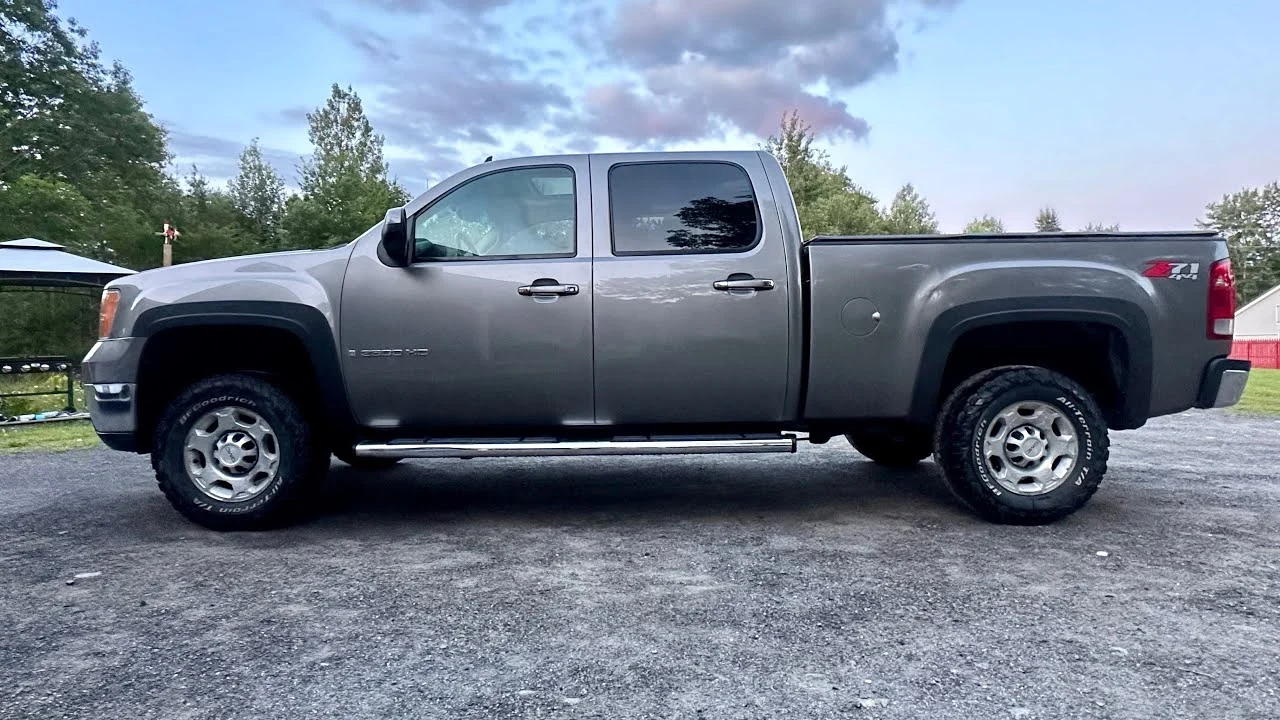
GMC fender flares can fit some Chevy trucks, especially when a GMC Sierra and Chevrolet Silverado are matching-year, same-generation counterparts. They are not universally interchangeable, however, and even a small difference in cab, bed, trim, or wheel-arch shape can prevent a clean installation.
The strongest match is usually between closely related full-size models such as the Sierra and Silverado built on the same platform during the same production period. This shared construction may produce similar fender dimensions, but it does not prove that the holes, clips, flare ends, and body contours are identical.
Aftermarket manufacturers sometimes list one flare kit for both brands because the underlying body panels are compatible. Other companies create separate part numbers for GMC and Chevrolet, even when the trucks appear similar, because the front bumper, headlight area, molding, or rear bedside details change the required shape.
Why Brand Alone Does Not Determine Fitment
The badge on the grille is only one part of the fitment equation. A useful comparison must account for the truck’s generation, cab style, bed length, trim package, and wheel-opening design before the flare’s brand is considered.
Generation and production year
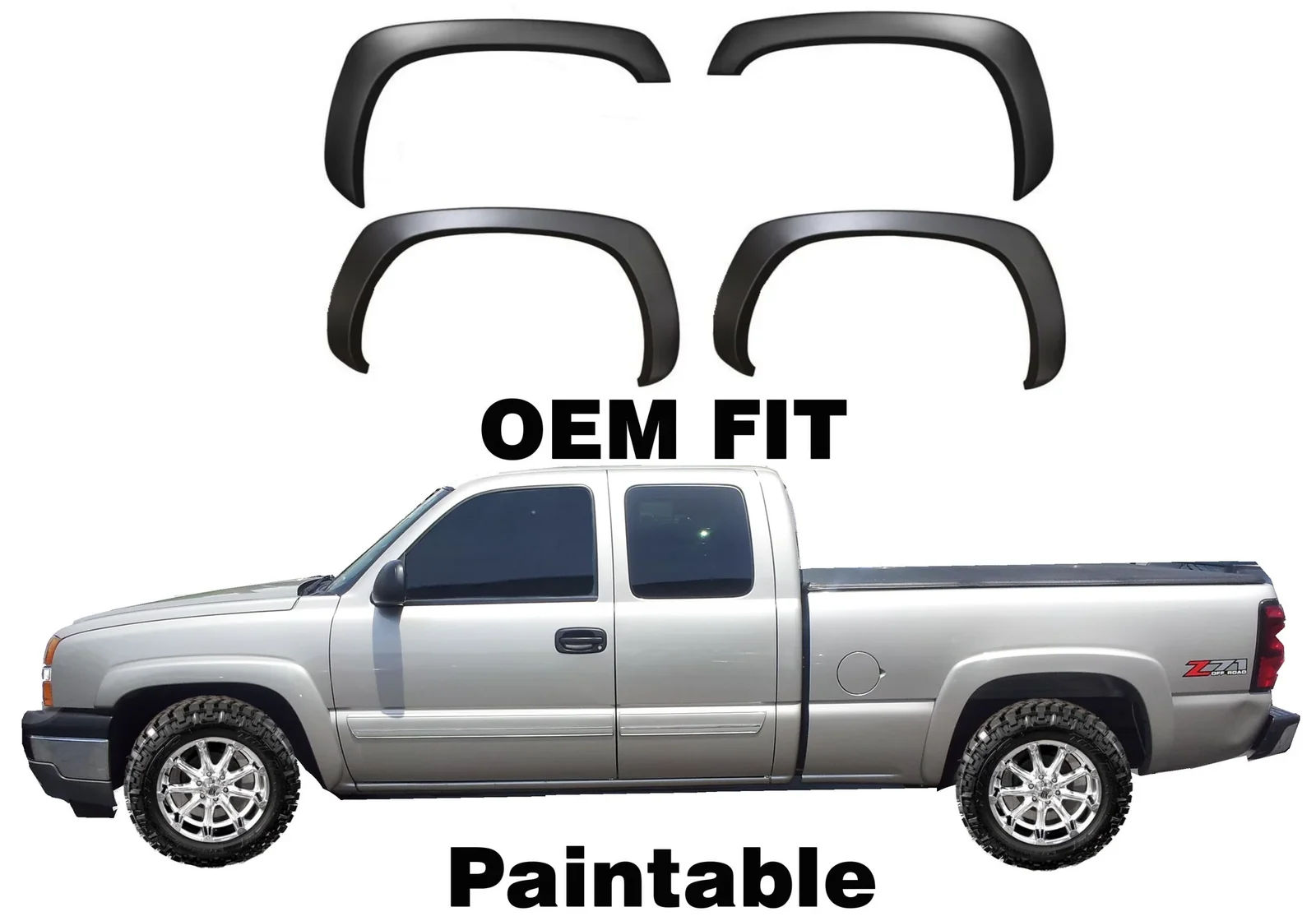
Body panels are redesigned during generation changes, and fender flares normally follow those contours. A flare for a late-model Sierra may not match an older Silverado, even if both trucks have similar overall dimensions and use the same name for their full-size pickup line.
Mid-generation updates can also create problems. Headlights, bumpers, grille corners, fender edges, and factory moldings may change during a refresh. A listing that says “fits 2014–2018” deserves closer inspection if the manufacturer separates early and late production years elsewhere in the catalog.
Cab and bed configuration
Regular cab, extended cab, and crew cab trucks can have different rear door and bedside relationships. A short-bed and standard-bed truck may also place the rear wheel opening differently relative to the bed end, affecting the length and termination point of a rear flare.
Front flares may be shared across more configurations than rear flares, but that should not be assumed. A complete four-piece set can fail because only one axle’s flares differ. Confirm front and rear compatibility independently when purchasing individual pieces.
Trim, molding, and factory options
Off-road packages, appearance packages, and factory fender moldings can change the space available for an add-on flare. Some designs are intended to replace a factory flare, while others mount over an unflared fender and will not sit correctly over existing plastic trim.
Wheel and tire changes matter too. A flare can physically attach but still provide insufficient coverage for a wider tire. Conversely, a very wide pocket-style flare may look disproportionate or leave visible mounting holes when installed on a truck with a narrow factory profile.
How to Verify Sierra and Silverado Flare Compatibility
The safest approach is to verify the part number and vehicle details before comparing photographs. A proper fitment check should match the donor flare and the receiving truck by model, generation, production year, cab, bed, axle position, and mounting method.
Start with the manufacturer’s application list
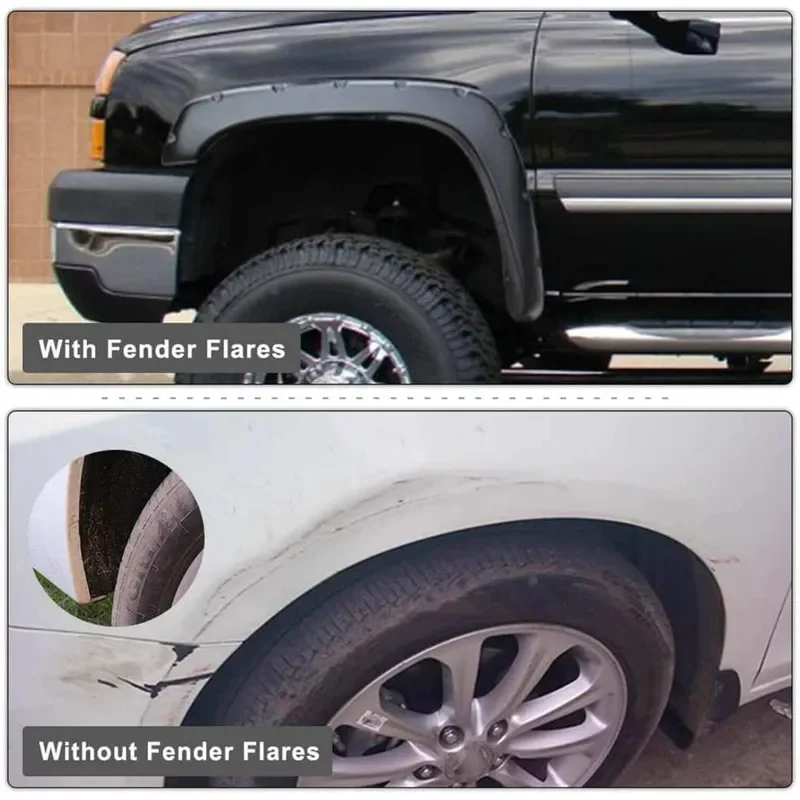
Look for an application chart from the flare manufacturer rather than relying on a marketplace title. The chart should identify whether the part fits a Sierra, Silverado, or both, and it should state exclusions for factory flares, special trims, dually models, or specific body styles.
Part numbers are more useful than a general description. If the GMC and Chevy versions share one part number, that is strong evidence of intended interchangeability. If they have different numbers, assume they are different until the manufacturer confirms otherwise.
This distinction matters when answering “will gmc fender flares fit chevy”.
Compare the actual wheel opening
Measure the receiving truck’s wheel arch and compare it with the flare’s inside edge. Check the length from the top center of the arch to each end, the arch radius, the flare width, and the distance between the flare ends and nearby body seams.
Also compare the front and rear edges where the flare meets the bumper, rocker panel, or bed end. A flare can match the curved section but fail at these transition points, producing a visible step or a gap that collects dirt and water.
Check mounting points and hardware
Inspect whether the part uses factory holes, push clips, rivets, adhesive, or a combination of methods. The mounting pattern should align without forcing the plastic or drilling new holes as a shortcut.
Hardware can reveal a compatibility issue early. Different clip locations, screw lengths, bracket shapes, or inner-lip fasteners may indicate that the flare was designed for another fender stamping. Never assume that extra hardware supplied in a generic kit will safely solve a mismatch.
Compare photos carefully
Photos are useful for spotting the general profile, but they are not enough by themselves. Compare the inside surface, front and rear returns, bolt-pocket locations, and any molded tabs rather than looking only at the outward-facing shape.
When buying a used flare, request clear images of the back and all mounting tabs. A repaired tab, trimmed lip, or previous installation may make an otherwise correct flare difficult to reuse.
Common Fitment Scenarios
Some GMC-to-Chevy swaps are realistic, while others create unnecessary work. The following scenarios show why the exact truck pairing matters more than a broad statement that both vehicles are made by General Motors.
Sierra flares on a same-generation Silverado
This is the most promising scenario for a direct swap. If the Sierra and Silverado share the same generation, cab, bed, and flare configuration, the body profile may be close enough for a direct installation.
Even here, verify the specific manufacturer part number. OEM-style replicas and aftermarket pocket flares can differ in width or attachment method despite being marketed for the same platform.
Older GMC flares on a newer Chevy
This is usually a poor bet. Changes in the fender stamping and bumper shape can move the wheel opening or alter the flare’s end points. A part may appear close while leaving an uneven gap at the front or rear.
Trimming the flare to force alignment can remove its finished edge and weaken its structure. It can also make the part unsuitable for resale and may expose the body to road debris.
Front-only or rear-only replacement
Replacing one damaged flare is easier when the replacement matches the same axle position and body style. A front GMC flare might match a Chevy front fender while the rear pieces differ because the beds use different details or trim.
Use the side and position listed in the part description. Left and right pieces may be mirror images but are not interchangeable, and a front flare should never be judged by the apparent size of a rear flare. Keep these limitations in mind when considering “will gmc fender flares fit chevy”.
Dually and special-body trucks
Heavy-duty dual-rear-wheel trucks require special caution. Their rear fenders, bedside widths, and wheel openings are substantially different from standard single-rear-wheel pickups, so a flare made for a regular Sierra or Silverado is not a safe substitute.
Work trucks, chassis-cab conversions, and aftermarket beds may also fall outside ordinary fitment charts. In these cases, the body manufacturer or flare supplier needs to confirm the application directly.
What Happens When the Flare Is Almost Compatible?
An almost-correct flare can create more trouble than an obviously wrong one. It may attach at several points while leaving stress in the plastic, which can lead to warping, cracked mounting tabs, loose fasteners, and paint damage after vibration or temperature changes.
Gaps are another concern. An uneven seal or open edge allows mud, salt, and water to collect against the fender. Over time, trapped debris can scratch the finish and contribute to corrosion, particularly where the flare rubs against the paint.
Coverage must be evaluated separately from attachment. If the truck has wheels or tires that extend beyond the body, a narrow flare may not provide enough protection even if it bolts on successfully. Check the tire’s outer sidewall at normal ride height and through steering movement before finalizing the installation.
Do not drill new holes simply because the flare is inexpensive. Drilling can be appropriate for a kit specifically designed for that installation method, but improvising new holes in a mismatched flare can weaken the fender, create corrosion points, and make future replacement difficult.
Installation Checks Before Final Tightening
Dry-fitting is the most useful practical test. Place the flare against the clean fender without removing protective film or fully tightening hardware, then check the arch, end gaps, body lines, and tire clearance from several angles.
- Clean the fender and inspect it for an existing factory flare, molding, dents, or previous mounting holes.
- Position the replacement flare with the correct side and axle location facing the truck.
- Confirm that the wheel-arch lip follows the fender evenly without bending or twisting.
- Install only a few fasteners by hand and check the front, rear, and upper transitions.
- Turn the steering fully left and right on front installations to check tire and suspension clearance.
- Confirm that the flare does not contact the tire, door, bumper, rocker panel, or tailgate.
- Tighten fasteners gradually and stop if the flare pulls out of shape.
Use the supplied hardware and installation instructions when available. Avoid overtightening plastic, and do not use heat to reshape a flare unless the manufacturer specifically permits it; uncontrolled heat can distort the visible surface and weaken the material.
How to Choose the Safer Replacement
When fitment information is incomplete, a Chevy-specific flare listed for the exact truck is usually the lower-risk choice. The small savings from adapting a used GMC part can disappear if the installation requires new holes, replacement clips, paint repair, or a second purchase.
Before ordering, record the VIN, model year, cab style, bed length, trim, and whether the truck already has factory flares. The VIN can help a parts counter identify the original body configuration, although an aftermarket flare still requires its own application information.
Ask the seller whether the flare is a direct replacement, an overlay, or a universal-style product. Also ask whether the kit covers all four corners and whether it is designed for stock suspension and factory wheel openings. These details are more meaningful than a statement that the part is “GM compatible.”
If the truck has a lift, leveling kit, aftermarket bumper, oversized tires, or a replacement bed, professional body-shop advice can prevent an expensive mismatch. A technician can hold the flare in position and identify interference before drilling or permanently mounting it.
Frequently Asked Questions About GMC and Chevy Fender Flares
Will GMC fender flares fit Chevy Silverado trucks?
They may fit a Silverado when the Sierra and Silverado match in generation, body style, and flare part number. Confirm the manufacturer’s fitment chart and mounting pattern before treating the swap as direct.
Are GMC Sierra and Chevy Silverado fenders the same?
They can share closely related dimensions, but they are not automatically identical in every detail. Exterior trim, bumper transitions, wheel openings, and production updates can affect whether a flare fits cleanly.
Can a Sierra front flare fit a Silverado rear fender?
No, a front flare should not be treated as a rear replacement. The axle positions use different contours and end points, even when the trucks are matching-year platform siblings.
Do GMC and Chevy fender flares use the same bolt
Some shared-platform kits use the same holes, while others use different clips or mounting locations. Check the back of the flare and the truck’s existing holes instead of drilling until the part appears to line up.
Will a GMC flare fit a Chevy with factory fender
Usually only if the replacement is specifically designed for that factory-flare configuration. An overlay flare may be too wide, while a replacement flare may require removing the original molding and hardware.
Can trimming make an incompatible flare fit?
Trimming may solve a minor nonstructural interference, but it cannot reliably correct a different wheel-arch radius or mounting pattern. Cutting a mismatched flare can create gaps, weaken the edge, and leave the fender poorly protected.
What is the fastest way to confirm compatibility?
Match the exact part number to the truck’s year, generation, cab, bed, trim, and axle position. If no part number is available, compare measurements and dry-fit the flare before removing film or drilling any holes.
Conclusion: Confirm the Exact Application Before Buying
So, will GMC fender flares fit Chevy trucks? Sometimes, particularly when a Sierra and Silverado are matching-generation counterparts with the same body configuration and an approved shared part number. The major limitation is that similar platform dimensions do not guarantee identical mounting holes, trim clearances, or wheel-arch contours.
Use the manufacturer’s fitment data, compare the actual part number, and dry-fit the flare before permanent installation. If the part stresses, leaves gaps, contacts the tire, or requires improvised drilling, choose a Chevy-specific replacement or have a qualified body professional verify the fit.


