How to Choose the Right Truck Bumper: Step-by-Step Instructions
To choose the right truck bumper, match it to your truck’s exact year, make, model, cab configuration, and intended use, then compare protection, clearance, towing capacity, material, and installation requirements. A bumper that looks strong may still be unsuitable if it interferes with sensors, reduces approach angle, or does not support the equipment you plan to use.
The easily overlooked detail is that a truck bumper is part of a larger system, not an isolated accessory. Its mounting points, weight, winch setup, recovery attachments, trailer wiring, parking sensors, grille, and suspension all affect whether the final installation is safe and functional. One-size-fits-all advice fails because a daily commuter, work truck, off-road rig, and heavy-duty towing vehicle can need very different designs even when they share the same body style.
This guide explains how to choose the right truck bumper by identifying your priorities first, verifying vehicle fitment, comparing steel and aluminum construction, checking winch and recovery features, and evaluating clearance and legal considerations. By the end, you can narrow the choices, recognize marketing claims that need closer inspection, and decide when professional installation or a manufacturer fitment check is necessary.
How to Choose the Right Truck Bumper?
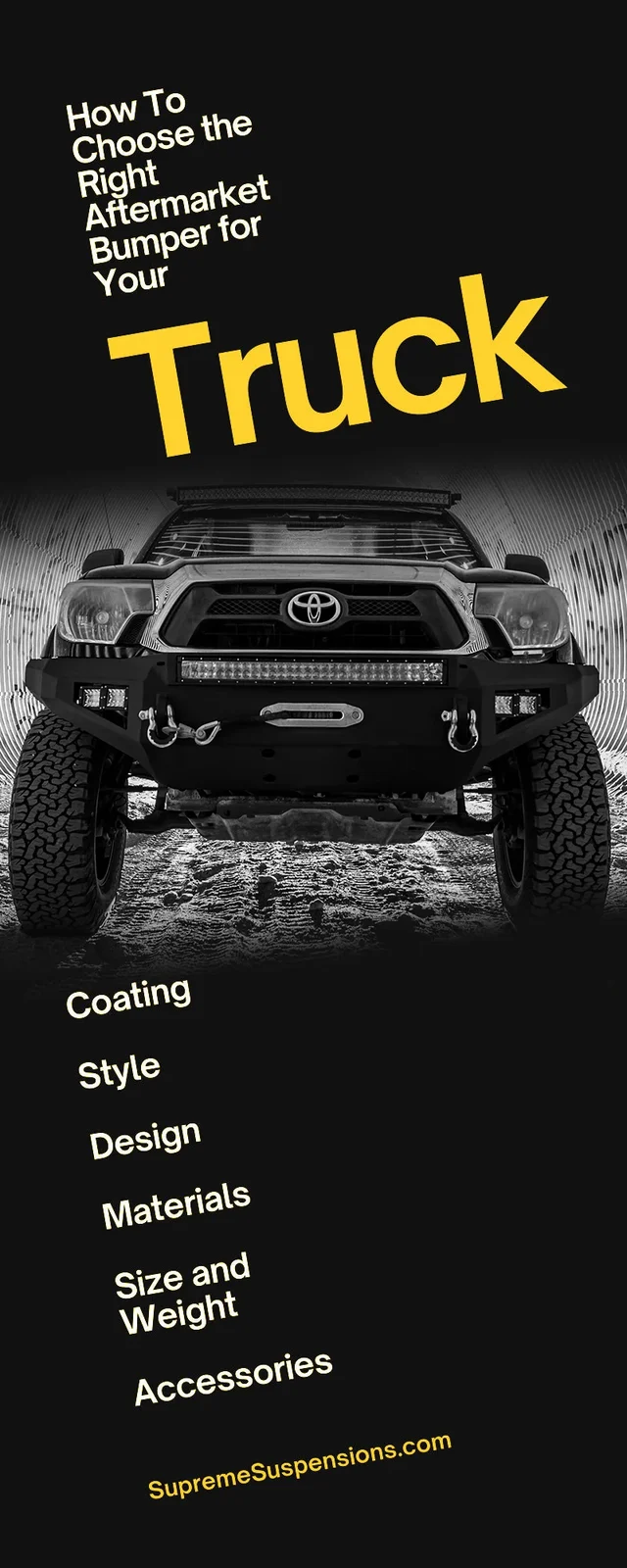
Start by deciding what problem the replacement bumper needs to solve. The best choice for light protection and improved appearance may be a poor choice for frequent trail use, while a heavy off-road bumper can add unnecessary weight to a truck used mainly for commuting.
Write down your primary use before looking at styles. Consider whether you need impact protection, improved approach or departure angles, a winch mount, recovery points, extra lighting, additional towing equipment, or a stronger platform for work-related use.
- Daily driving: Prioritize correct fit, crash-system compatibility, visibility, parking sensors, moderate weight, and clean clearance around the grille and headlights.
- Off-road driving: Look for high clearance, a strong skid-compatible design, protected corners, recovery points, and a winch provision if self-recovery is part of the plan.
- Towing and hauling: Confirm receiver location, trailer plug access, license-plate visibility, hitch compatibility, and the bumper’s effect on rear departure angle.
- Work use: Consider durability, corrosion resistance, step access, equipment mounting, and whether repeated loading or contact could damage a lightweight design.
- Appearance upgrades: Avoid paying for recovery or winch features you will never use, especially if they add weight, cost, or maintenance.
Be realistic about the type of protection you expect. An aftermarket bumper can protect selected areas from brush, rocks, or low-speed contact, but it does not automatically improve every aspect of crash safety. Vehicle safety systems are engineered as a complete package, so changing the bumper can affect sensors, energy absorption, and other components.
2. Verify Exact Truck Fitment
Fitment is the foundation of the decision. A bumper designed for a similar-looking truck may have different frame brackets, grille clearance, sensor openings, tow-hook locations, or body lines, so verify the exact application before comparing finishes or accessories.
When researching how to choose the right truck bumper, record the details that manufacturers use to identify compatibility. Check the model year, trim, cab and bed configuration, drivetrain where relevant, factory bumper style, front or rear position, and whether the truck has options such as adaptive cruise control, parking sensors, fog lights, or a front camera.
Check the mounting and body interfaces
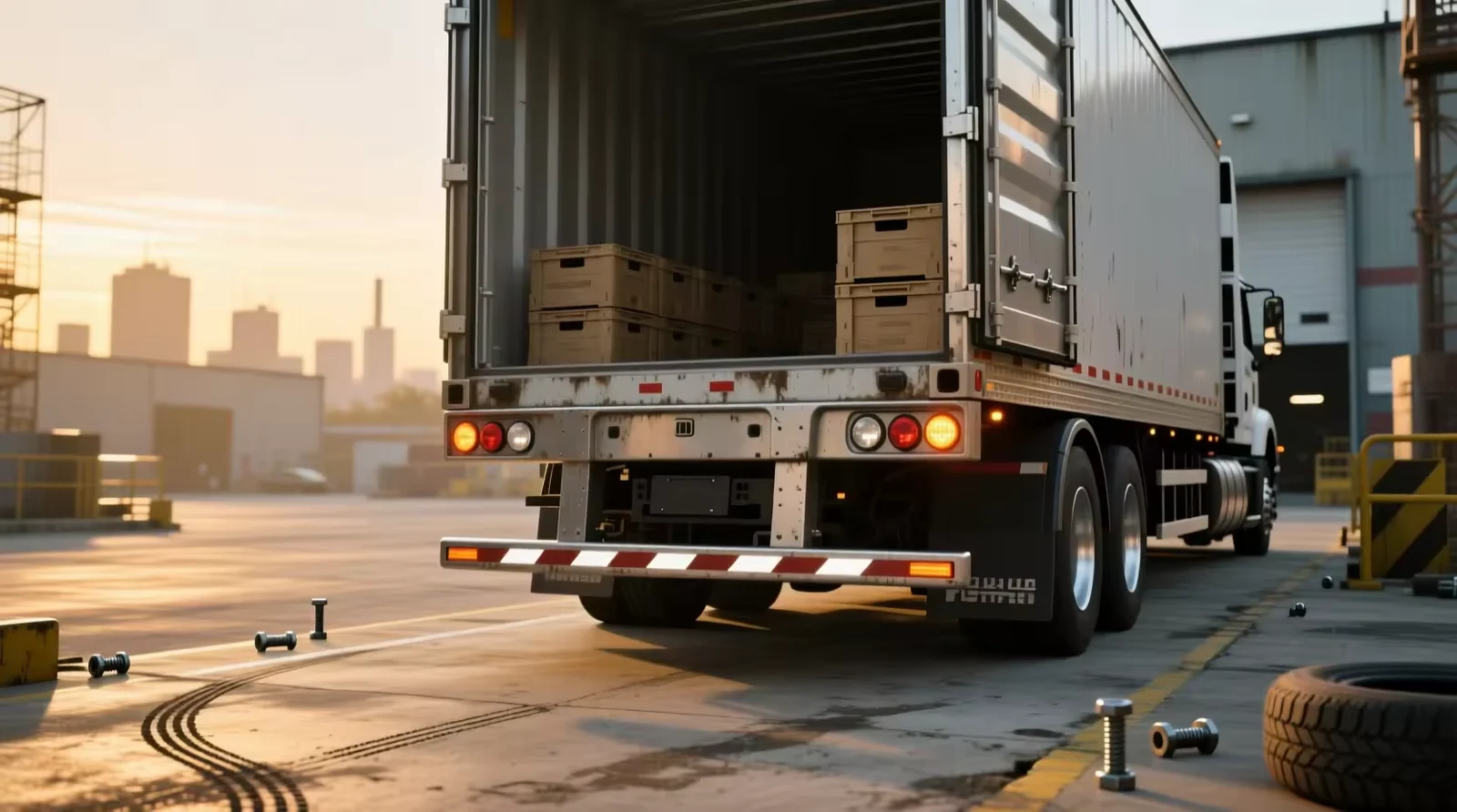
The bumper should attach to intended frame or mounting locations with hardware and brackets designed for that application. Examine whether installation requires drilling, cutting, relocating factory components, trimming the grille, or removing crash-related parts.
Some modifications may be acceptable for a dedicated off-road vehicle but inconvenient or unsafe for a street-driven truck. A product description that says “bolt-on” can still involve moving sensors, modifying wiring, or using separate brackets, so read the installation instructions rather than relying only on photographs.
Account for factory equipment
Make a complete list of equipment mounted near the bumper. This may include parking sensors, tow hooks, fog lamps, air shutters, active grille components, cameras, adaptive cruise sensors, trailer connectors, and license-plate brackets.
Sensor compatibility deserves special attention. A sensor opening in the bumper does not prove that the system will work correctly after installation. Sensor angle, distance from surrounding metal, surface shape, and calibration can all matter, and some vehicles require a scan-tool procedure after components are moved.
Confirm what the package includes
Compare the stated contents of each bumper package. Important items may include frame brackets, mounting hardware, recovery shackles, tow points, winch plates, sensor bezels, light mounts, skid plates, and wiring provisions.
Do not assume that a winch plate, D-ring mounts, or fog-light inserts are included because they appear in product photographs. Missing brackets or specialty hardware can turn an apparently affordable bumper into a more expensive installation.
3. Compare Materials, Construction, and Weight
Material affects durability, corrosion resistance, weight, repairability, and the load placed on the truck. Steel is common for demanding applications, while aluminum can reduce weight, and composite or factory-style materials may preserve appearance and system integration more effectively.
There is no universally strongest choice because strength depends on thickness, shape, bends, weld quality, mounting design, and how the bumper is used. A heavy bumper with weak mounting points is not a sound upgrade, and excessive weight can create handling, ride-height, and suspension concerns.
Steel bumpers
Steel generally offers substantial resistance to impacts and abrasion, making it popular for off-road and work applications. It can be repaired in some situations, but it also adds weight and may corrode if the coating is damaged or water becomes trapped inside the structure.
Ask whether the bumper is formed or fabricated, how exposed edges are protected, and whether drain holes are provided. Powder coating can improve surface protection, but it is not a permanent substitute for cleaning, touch-up work, and rust prevention in areas exposed to road salt, mud, or standing water.
Aluminum and lighter designs
Aluminum can reduce front- or rear-axle weight and may help preserve ride quality, fuel economy, and ground clearance. It may not be the first choice for repeated hard impacts, and repairs or welding require appropriate expertise.
Lightweight does not mean weak, and heavy does not mean better. Compare the complete bumper weight with your truck’s suspension capacity, accessory load, and intended use rather than selecting by material name alone.
Construction details that matter
Inspect the design for boxed sections, gussets, reinforced recovery points, protected welds, and mounting plates that spread loads into suitable frame locations. Recovery points should be designed for recovery loads, not simply welded onto a decorative shell.
Look for a stated finish process and practical corrosion protection. Seamless appearance is less important than access for cleaning, adequate drainage, and a structure that does not create hidden pockets for grit and moisture.
4. Match the Design to Clearance and Geometry
A bumper changes the truck’s exterior dimensions and can either improve or reduce off-road clearance. Compare the bumper’s lowest point, corner shape, tire clearance, winch position, and approach or departure angle with the terrain you actually drive. This distinction matters when answering “how to choose the right truck bumper”.
A high-clearance design may protect the bumper corners but expose another component behind or below it. Check the relationship between the bumper, frame, tow hooks, steering components, intercooler, radiator, exhaust, spare tire, and skid plates before assuming that a more aggressive shape solves every clearance problem.
Front bumper considerations
At the front, examine approach angle, tire-to-bumper clearance at full steering lock, recovery-point access, and airflow. A large bumper can block air openings or place a winch fairlead where it reduces clearance.
Confirm that headlights, fog lamps, cameras, and radar sensors remain unobstructed. If the truck has driver-assistance technology, ask whether the bumper has been engineered and tested for that system rather than assuming that an open-looking design is compatible.
Rear bumper considerations
At the rear, focus on departure angle, corner protection, receiver access, trailer wiring, backup sensors, and tailgate operation. A bumper should not prevent the tailgate from opening or make it difficult to connect safety chains and electrical plugs.
Check whether the bumper changes the position of the hitch relative to the truck. Any change in hitch height or departure angle may affect trailer level, clearance, and the need for an appropriate ball mount.
5. Evaluate Winch, Recovery, and Towing Features
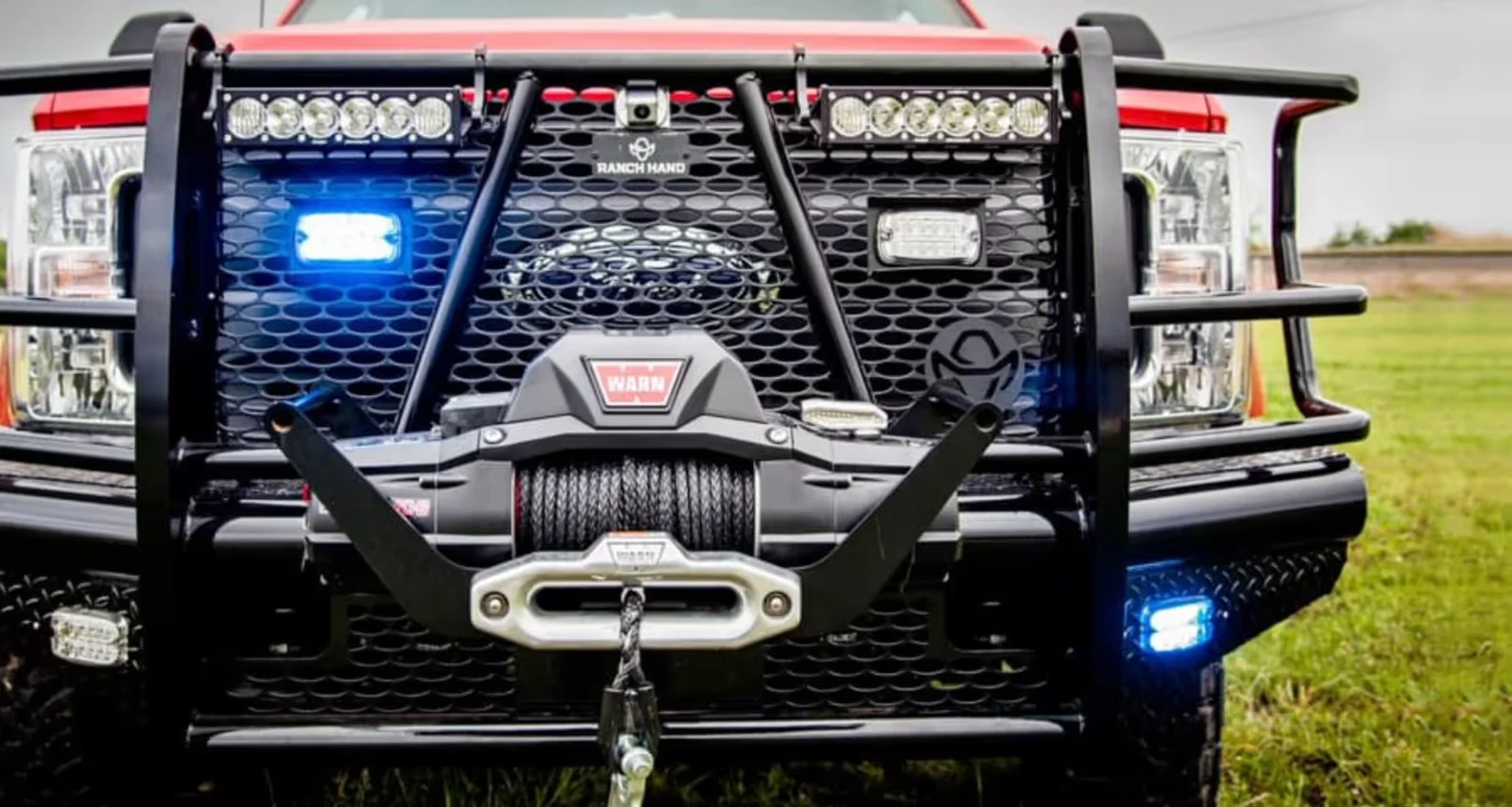
Choose recovery equipment based on intended loads and use, not appearance. A bumper with a winch opening or D-ring mounts is only useful when those parts are properly reinforced and compatible with the winch, shackles, recovery straps, and mounting hardware.
For a winch bumper, verify the winch size range, mounting orientation, fairlead type, line path, access to the clutch and controls, and whether the bumper requires a specific winch plate. The finished installation should leave room for service and protect the line from sharp edges or unnecessary bends.
Recovery points should connect to a suitable structural location and be clearly distinguished from decorative tie-down loops. Use recovery equipment according to its ratings and instructions, and avoid shock loading equipment that is not intended for kinetic recovery.
For towing, verify that the bumper does not replace or weaken the truck’s rated hitch structure. Confirm trailer plug placement, safety-chain access, license-plate visibility, and whether the bumper manufacturer provides appropriate provisions for the truck’s towing configuration.
6. Check Weight, Suspension, and Everyday Practicality
Before ordering, compare the bumper’s listed weight with the truck’s current accessories and payload. A front bumper, winch, auxiliary lights, skid plates, and recovery gear can create a substantial combined load, while a rear bumper may add weight behind the axle and alter handling.
Extra weight can contribute to front-end sag, reduced suspension travel, tire clearance issues, altered braking behavior, and accelerated wear in related components. If the added equipment is significant, ask a qualified technician to assess spring rates, ride height, alignment, and axle loading.
Think about daily usability as well. Check parking visibility, approach to curbs, car-wash clearance, license-plate placement, access to tow hooks, and whether the bumper creates sharp projections or makes routine maintenance harder.
7. Compare Finish, Maintenance, and Total Cost
The purchase price is only one part of the project. Include shipping, brackets, lights, winch hardware, sensor relocation, paint or coating repairs, installation labor, alignment, and any suspension changes required by the added weight.
Compare the finish for the environment where the truck operates. Powder coating, paint, textured coatings, and bare metal each require different maintenance, and none eliminates the need to rinse mud and road salt from seams and mounting areas.
Ask how replacement parts are handled if a sensor bracket, light mount, fairlead opening, or removable panel is damaged. A bumper that can be serviced in sections may be more practical than one that requires replacing the entire assembly.
8. Follow a Safe Selection and Installation Process
Use a short verification process before placing the order. This prevents an attractive design from becoming an expensive mismatch.
- Identify the truck’s exact year, model, trim, cab style, drivetrain, and factory options.
- Define the main purpose: street protection, off-road clearance, towing, recovery, work use, or appearance.
- Measure or confirm clearance around the grille, headlights, sensors, tires, hitch, tailgate, and exhaust.
- Compare bumper weight with the truck’s suspension, payload, axle ratings, and existing accessories.
- Read the installation instructions and list every required modification, bracket, and electrical change.
- Verify winch, recovery-point, lighting, sensor, and towing compatibility with the exact bumper version.
- Price the complete project, including labor and post-installation calibration where applicable.
Professional installation is particularly appropriate when the bumper affects airbags, radar or camera systems, structural mounting points, steering clearance, or trailer equipment. After installation, inspect fasteners, wiring, sensor operation, lighting, tire clearance, and bumper alignment before driving normally.
Have the truck checked again after an initial period of use, especially if it has been driven off-road. Look for loose hardware, coating damage, unusual suspension movement, wiring abrasion, and contact between the bumper and body or frame.
Frequently Asked Questions About Choosing a Truck Bumper
What is the most important factor when choosing a truck
Exact vehicle fitment is the most important factor. A bumper must match the truck’s year, model, trim, mounting points, body configuration, sensors, and factory equipment before material or styling can be meaningfully compared.
Is a heavier truck bumper always better?
No, extra weight is not automatically an advantage. Weight can improve durability in some applications, but it may reduce ride height, increase suspension load, affect handling, and leave less payload for passengers or cargo.
How do I choose a bumper for off-road driving?
Prioritize clearance, reinforced recovery points, protected corners, and serviceable construction. Also confirm tire clearance, winch access, skid-plate compatibility, approach or departure angle, and the bumper’s effect on sensors and cooling airflow.
Can an aftermarket bumper work with parking sensors and cameras?
It can, but compatibility must be verified for the specific truck and bumper. Sensor openings, mounting angles, surrounding metal, wiring, and calibration requirements can affect operation, so a visual match is not enough.
Should I choose steel or aluminum?
Choose steel for many high-impact applications and aluminum when weight reduction is a major priority. The final decision should also consider construction quality, corrosion protection, mounting strength, accessories, and the type of driving involved.
Does a replacement bumper change towing capacity?
A bumper does not automatically increase towing capacity. Towing remains limited by the truck’s rated components and properly engineered hitch system, and a replacement bumper must preserve safe access to the receiver, wiring, and safety-chain connections.
When should a professional install the bumper?
Use professional help when installation affects structural mounts, sensors, cameras, airbags, wiring, steering clearance, or winch and recovery equipment. Professional inspection is also sensible when the bumper requires cutting, drilling, sensor calibration, or suspension changes.
Conclusion: Make Fitment and Function the Final Test
Learning how to choose the right truck bumper starts with purpose and ends with verified compatibility. Select a design that suits your driving, confirm exact fitment and factory-system integration, compare construction and weight, and account for clearance, recovery, towing, corrosion, and total installation cost.
The major limitation is that no bumper provides universal protection or automatically preserves every safety and driver-assistance function. Before ordering, review the installation requirements with the manufacturer or a qualified installer, then inspect the completed installation so the upgrade protects the truck without creating new handling, clearance, or system problems.