Are Soft Tonneau Covers Waterproof: Clear Answers and Key Facts
Imagine driving down the highway, a sudden downpour hits, and you arrive at your destination only to find your cargo soaked. For truck owners, this scenario is a genuine concern, especially when relying on a tonneau cover to protect valuable gear, tools, or luggage. The expectation is simple: keep the bed dry.
But the reality can be more complex, leading to frustration and potential damage if you don’t understand the nuances of your cover’s capabilities. The question “are soft tonneau covers waterproof” becomes clearer once the surrounding conditions and practical details are considered.
The Reality of Soft Tonneau Covers and Water
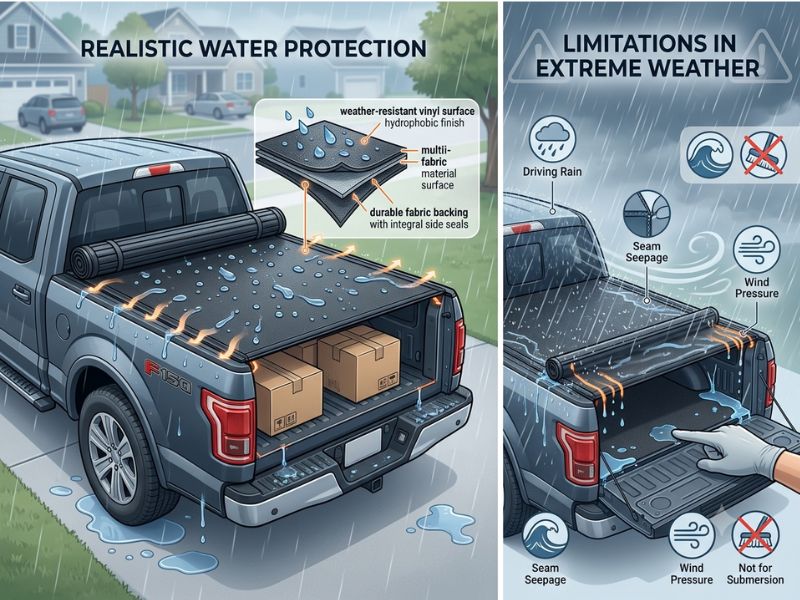
Many truck owners invest in soft tonneau covers for their affordability, ease of installation, and flexible access to the truck bed. They offer a significant upgrade over an open bed, shielding contents from prying eyes and some elements. However, a common misconception is that all tonneau covers provide an impenetrable barrier against water, akin to a sealed vault. This isn’t always the case, particularly with soft models.
This article will delve into the critical question: are soft tonneau covers waterproof? I’ll explore the distinctions between waterproof and water-resistant, examine the factors that influence a soft cover’s ability to repel water, and provide practical advice on how to maximize protection. My goal is to equip you with clear answers and key facts, helping you make informed decisions about your truck bed protection and manage your expectations effectively.
Understanding “Waterproof” vs. “Water-Resistant” for Soft Tonneau Covers
When evaluating any product designed to protect against water, the terms “waterproof” and “water-resistant” are often used interchangeably, but they represent distinct levels of protection. For soft tonneau covers, understanding this difference is crucial to setting realistic expectations.
What Does “Water-Resistant” Mean?
A water-resistant product is designed to repel water to some degree, preventing its penetration under normal conditions or for a limited time. Think of a light rain jacket: it will keep you dry in a drizzle but will eventually soak through in a prolonged downpour or if submerged. For soft tonneau covers, water resistance typically means:
- Material Properties: The fabric itself (often vinyl or canvas) is treated with coatings that cause water to bead up and roll off, rather than soaking in immediately.
- Seam Construction: Seams might be stitched and then sealed with tape or a coating, but they are not always hermetically sealed.
- Design Limitations: Water resistance often accounts for typical rain, snow, or splashes, but not high-pressure water from a car wash or standing water.
Most soft tonneau covers fall into the water-resistant category. They are excellent at keeping out the vast majority of rain and snow, protecting your cargo from casual exposure to the elements.
What Does “Waterproof” Mean?
A truly waterproof product is impervious to water penetration, regardless of the duration or pressure. This implies a complete barrier, often achieved through specific materials and construction methods that prevent any water from passing through. Examples include diving watches or dry bags used for kayaking.
For tonneau covers, achieving true waterproofing is challenging, especially with soft designs. It would require:
- Absolutely Impermeable Materials: Materials that do not allow any moisture to pass through, even under pressure.
- Hermetically Sealed Seams: All seams, stitching, and attachment points would need to be completely sealed, often through welding or specialized bonding, not just tape.
- Perfect Gasketing and Drainage: The cover would need to form a perfect seal around the entire truck bed perimeter, including the tailgate and bulkhead, with no gaps, and often incorporate sophisticated drainage systems.
While some high-end hard tonneau covers might approach true waterproofing, it’s rare for a soft tonneau cover to achieve this standard. The flexible nature of the material and the design of the attachment systems inherently introduce potential points of ingress for water under certain conditions.
Therefore, when you ask, “are soft tonneau covers waterproof?” the most accurate answer is that they are generally highly water-resistant, not truly waterproof in the strictest sense. They are designed to keep your bed mostly dry, but not necessarily bone dry under all circumstances.
Factors Influencing a Soft Tonneau Cover’s Water Protection
The effectiveness of a soft tonneau cover in keeping your truck bed dry isn’t solely dependent on the material. Several critical factors contribute to how well it repels water. Understanding these can help you choose a better cover and maintain its performance.
Material Quality and Treatment
The primary barrier against water is the cover material itself. Most soft covers use:
- Vinyl: This is the most common material. High-quality vinyl is typically UV-resistant and treated with a durable water-repellent (DWR) coating. The thickness and weave of the vinyl can affect its durability and resistance to punctures, which can compromise water protection.
- Canvas/Fabric: Some soft covers use a fabric-backed vinyl or a canvas-like material. These often have a more premium look but rely heavily on their DWR treatment to shed water. Over time, these treatments can wear off.
A thicker, multi-layered vinyl with a robust DWR coating will generally offer superior water resistance compared to thinner, cheaper alternatives. The quality of the stitching and any factory seam sealing also plays a role in preventing water from seeping through the fabric itself.
Design and Fit
Even the best material won’t protect if the cover doesn’t fit properly or has design flaws. Key design elements include:
- Perimeter Seals: The edges of the tonneau cover need to create a tight seal against the truck bed rails. This is often achieved with foam gaskets, rubber seals, or weatherstripping. Gaps here are primary entry points for water.
- Tailgate Seal: The area where the tonneau cover meets the tailgate is notoriously difficult to seal completely. Many covers rely on the tailgate itself to press against a seal on the cover, but water can still splash up or seep in through the tailgate’s own gaps.
- Bulkhead Seal: Similar to the tailgate, the front of the bed (bulkhead) needs a good seal where the cover meets it. Water can flow from the cab roof onto the bulkhead and potentially into the bed if not properly sealed.
- Drainage Channels: Some covers incorporate channels or troughs to direct water away from the bed and out through drain tubes, typically routed through the stake pockets or bed plugs. This is a feature more common in hard covers but can be found in some advanced soft designs.
- Tension System: For roll-up covers, the tension system is crucial. A properly tensioned cover sheds water effectively. A sagging cover can collect puddles, putting pressure on seams and potentially allowing water to seep through or over the edges.
A custom-fit cover designed specifically for your truck make and model will almost always provide a better seal than a universal-fit option.
Installation Quality
Even a high-quality cover with an excellent design can fail to protect if not installed correctly. Common installation issues that lead to water leaks include:
- Improper Rail Alignment: If the mounting rails are not perfectly level and aligned, the cover may not sit flush, creating gaps.
- Insufficient Seal Compression: The weatherstripping or gaskets need to be adequately compressed to form a tight seal. If bolts are too loose, or the seals aren’t positioned correctly, water can get in.
- Missing or Damaged Seals: Sometimes, seals can be overlooked during installation, or they might get crimped or damaged, compromising their effectiveness.
- Tailgate and Bulkhead Gaps: Many installers neglect to add additional weatherstripping to the tailgate gap or along the bulkhead, which are common leak points.
Taking your time with installation, following instructions precisely, and even watching installation videos can significantly improve your cover’s water resistance.
Maintenance and Age
Over time, even the best soft tonneau covers can lose some of their water-resistant properties:
- UV Exposure: Sunlight can degrade vinyl and other materials, making them brittle, cracking them, and breaking down DWR coatings.
- Abrasion and Tears: Regular use, cargo rubbing, or accidental impacts can cause small tears or abrasions in the material, creating direct entry points for water.
- Seal Degradation: Rubber and foam seals can dry out, crack, or lose their elasticity over time, reducing their ability to form a tight barrier.
- Lost Tension: For roll-up covers, the tensioning mechanism can loosen, causing the cover to sag and collect water.
Regular cleaning, conditioning, and inspection are essential to maintaining your soft tonneau cover’s water protection capabilities.
Common Leak Points in Soft Tonneau Covers
While soft tonneau covers are generally effective at keeping out the elements, they are not hermetically sealed. Understanding the most common areas where water can infiltrate your truck bed is key to either preventing leaks or diagnosing them when they occur.
The Tailgate Area
This is arguably the most notorious leak point for almost all tonneau covers, soft or hard. The tailgate itself is not perfectly sealed to the truck bed. There are gaps:
- Between the tailgate and the bed sides: These vertical gaps allow water to run down the sides of the tailgate and into the bed.
- Between the tailgate and the bed floor: The horizontal gap at the bottom of the tailgate is a prime entry point for water splashing up from the road or running off the top of the tailgate.
Even if your tonneau cover forms a perfect seal over the top of the tailgate, water can still enter through these inherent gaps in the truck’s design. Many owners add aftermarket tailgate seals to mitigate this issue.
Front Bulkhead (Cab Side)
The front of the truck bed, where it meets the cab, is another common area for leaks. Water can flow off the cab roof, down the back of the cab, and onto the bulkhead. If the tonneau cover’s front seal isn’t perfectly flush or if there are gaps between the bulkhead and the bed rails, water can seep in. This is especially true if your truck bed has stake pockets at the front that aren’t properly sealed by the cover’s rails.
Bed Rails and Side Seals
The rails that mount the tonneau cover to the truck bed are critical for sealing. Leaks here can occur due to:
- Improper Installation: If the rails aren’t perfectly level or are overtightened/undertightened, the weatherstripping might not compress evenly, creating small channels for water.
- Degraded Weatherstripping: Over time, the foam or rubber seals on the underside of the rails can crack, harden, or lose their adhesive, allowing water to pass between the rail and the bed.
- Gaps in Bed Caps: Some trucks have plastic bed rail caps that don’t always provide a perfectly flat or sealed surface for the tonneau cover rails to sit on.
Corners of the Bed
The four corners of the truck bed are often challenging to seal completely. This is where the bed rails, tailgate, and bulkhead all meet. The complex geometry can make it difficult for the tonneau cover’s seals to conform perfectly, creating small triangular gaps where water can find its way in.
Through the Fabric or Seams (Less Common, but Possible)
While less common with a new, quality cover, water can eventually seep through the fabric itself or its seams:
- Material Degradation: As mentioned, UV exposure and age can break down the water-resistant coating on the vinyl or fabric, allowing it to become permeable.
- Damaged Seams: If the stitching or seam sealing fails, water can wick through the thread holes.
- Punctures or Tears: Any physical damage to the cover material, no matter how small, will create a direct entry point for water.
Understanding these potential leak points allows you to be proactive in your cover selection, installation, and maintenance, significantly improving its water protection capabilities.
Maximizing Water Protection for Your Soft Tonneau Cover
While a soft tonneau cover may not be 100% waterproof, there are many steps you can take to significantly enhance its ability to keep your truck bed dry. These tips range from initial selection to ongoing maintenance.
Choose a High-Quality Cover
The foundation of good water protection starts with the cover itself. I recommend looking for:
- Reputable Brands: Brands known for quality often invest more in material science, design, and manufacturing processes.
- Thick, Durable Material: Look for multi-layered vinyl or heavy-duty fabric with strong UV and water-resistant coatings.
- Robust Sealing Systems: Examine how the cover seals to the bed rails, tailgate, and bulkhead. Look for thick, continuous weatherstripping or gaskets.
- Proper Tensioning (for roll-ups): A good tension system ensures the cover remains taut, preventing water from pooling.
Reading reviews from other users can also provide insights into a specific cover’s real-world water resistance.
Professional or Meticulous DIY Installation
Installation is paramount. Even the best cover will leak if not installed correctly. If you’re doing it yourself:
- Read Instructions Carefully: Don’t skip steps. Pay close attention to torque specifications for clamps and alignment instructions for rails.
- Ensure Level Rails: Use a level to ensure the mounting rails are perfectly flat and aligned on your truck bed. Any tilt can create gaps.
- Clean Surfaces: Before applying any adhesive seals or weatherstripping, ensure all surfaces are clean and dry for optimal adhesion.
- Test the Seals: After installation, visually inspect all seals for gaps or areas where they aren’t fully compressed.
If you’re unsure, consider having a professional install it. Their experience can often prevent common installation-related leaks.
Add Supplemental Tailgate and Bulkhead Seals
As mentioned, the tailgate and bulkhead are common leak points due to the truck’s inherent design. You can significantly improve water protection by adding aftermarket seals:
- Tailgate Seal Kits: These typically consist of rubber or foam strips that adhere to the gaps around your tailgate, creating a much tighter seal when closed. They are inexpensive and highly effective.
- Bulkhead Seal: Some trucks benefit from an additional foam or rubber seal along the top of the bulkhead, especially if water tends to run off the cab onto this area.
These simple additions can make a noticeable difference in keeping your bed dry.
Regular Maintenance and Inspection
Ongoing care is crucial for longevity and performance:
- Clean Regularly: Wash your tonneau cover with mild soap and water. Dirt and grime can degrade materials and coatings.
- Condition the Material: For vinyl covers, use a UV protectant and vinyl conditioner. This helps prevent cracking, fading, and maintains the material’s flexibility and water-shedding properties. Avoid petroleum-based products, which can damage vinyl.
- Inspect Seals: Periodically check all rubber and foam seals for cracks, hardening, or signs of wear. Replace them if they are compromised.
- Check Tension: For roll-up covers, ensure the tensioning system is properly adjusted to keep the cover taut. A sagging cover will collect water.
- Look for Damage: Inspect the cover for any small tears, punctures, or abrasions. Minor damage can sometimes be repaired with vinyl repair kits before it becomes a major leak.
Address Leaks Promptly
If you notice a leak, don’t ignore it. A small leak can become a larger problem. Here’s how to diagnose and address them:
- Water Test: Get inside your truck bed with a flashlight (or have someone spray from outside) and use a garden hose to simulate rain. Look for where the water enters.
- Sealant: For small gaps around the rails or bulkhead, a bead of clear silicone sealant can often fix the issue.
- Adjustments: Sometimes, simply adjusting the rail clamps or the cover’s tension can resolve a leak.
By following these steps, you can significantly enhance the water protection offered by your soft tonneau cover, ensuring your cargo stays as dry as possible.
Comparing Soft Tonneau Covers to Hard Tonneau Covers for Water Protection
When considering truck bed protection, the choice often comes down to soft versus hard tonneau covers. While soft covers offer distinct advantages in terms of cost and flexibility, their water protection capabilities differ significantly from their hard counterparts.
Soft Tonneau Covers: Water-Resistant by Design
As I’ve discussed, soft tonneau covers are primarily designed to be water-resistant. Their construction typically involves:
- Flexible Materials: Vinyl or fabric, which can be folded, rolled, or retracted. This flexibility, while convenient, inherently makes achieving a perfect, rigid seal more challenging.
- Perimeter Seals: Rely on weatherstripping and gaskets that compress against the bed rails. These seals are effective but can be susceptible to wear, temperature changes, and minor imperfections in the truck bed’s surface.
- Attachment Methods: Often use clamps, snaps, or hook-and-loop fasteners that, while secure, don’t create the same level of compression and seal integrity as a rigid frame.
- Drainage: Rarely incorporate sophisticated drainage channels. Water is expected to bead off and run over the sides, or be managed by the perimeter seals.
Pros for Water Protection:
- Good protection against light to moderate rain and snow.
- Can be significantly improved with proper installation and aftermarket seals.
Cons for Water Protection:
- More prone to minor leaks, especially in heavy downpours, high-pressure car washes, or prolonged exposure.
- Seals can degrade faster due to material flexibility and exposure.
- Less effective against splash-up from the road through tailgate gaps.
Hard Tonneau Covers: Approaching Waterproof
Hard tonneau covers, whether folding, retractable, or one-piece, generally offer a much higher degree of water protection, often approaching true waterproofing. This is due to their design and construction:
- Rigid Materials: Made from aluminum, fiberglass, ABS plastic, or composite materials. These materials are inherently impermeable and maintain their shape, allowing for more precise sealing.
- Advanced Sealing Systems: Often feature interlocking panels, tongue-and-groove designs, and robust, multi-layer rubber seals that create a very tight barrier.
- Integrated Drainage: Many hard covers incorporate sophisticated drainage systems, including gutters and drain tubes, that collect any water that breaches the initial seals and channels it out of the truck bed, often through the stake pockets.
- Secure Latching: Latching mechanisms pull the cover down firmly, compressing the seals more effectively than many soft cover systems.
Pros for Water Protection:
- Significantly better at keeping the bed dry in all weather conditions, including heavy rain and car washes.
- More durable seals and less susceptible to material degradation affecting water resistance.
- Integrated drainage systems provide an extra layer of protection.
Cons for Water Protection:
- Higher cost.
- Can still experience minor leaks, particularly around the tailgate, though generally less frequent and less severe than soft covers.
Which is Right for You?
The choice depends on your priorities:
- If absolute dryness is your top priority, especially for sensitive cargo or frequent exposure to harsh weather, a hard tonneau cover is the superior choice. You’ll pay more, but you’ll get closer to a truly waterproof solution.
- If you need good protection against most weather, value affordability, and appreciate the flexibility of a roll-up or folding cover, a soft tonneau cover is an excellent option. With careful installation and maintenance, you can achieve a very high level of water resistance, even if it’s not 100% waterproof.
Ultimately, both types of covers offer significant improvements over an open truck bed. It’s about managing expectations and understanding the inherent design differences that impact their ability to keep water out.
Practical Considerations for Truck Owners in Different Climates
The effectiveness of a soft tonneau cover, particularly its ability to repel water, can be significantly influenced by the climate you live in. What works well in a dry, arid region might struggle in a perpetually wet or snowy environment.
Humid and Rainy Climates (e.g., Pacific Northwest, Southeast me)
In regions with frequent and heavy rainfall, the water resistance of your soft tonneau cover becomes a critical factor. I recommend:
- Prioritize High-Quality Materials: Invest in a cover with thick, multi-layered vinyl and robust DWR (Durable Water Repellent) coatings. These will stand up better to constant saturation.
- Meticulous Sealing: Pay extra attention to all seals during installation. Consider adding aftermarket tailgate and bulkhead seals as standard practice, not just an option.
- Regular Inspection: Frequent rain means more opportunities for leaks. Inspect your bed more often for any signs of water ingress and address them promptly.
- Drainage: While soft covers rarely have integrated drainage, ensure your truck bed’s factory drain holes are clear to prevent any accumulated water from sitting.
- Anti-Mold/Mildew Treatment: In humid environments, the underside of the cover and the bed itself can be prone to mold or mildew. Regular cleaning and using appropriate protectants can help.
In these climates, you might find that even a well-maintained soft cover allows a small amount of moisture in during extreme downpours. If absolute dryness is paramount, a hard cover might be a more suitable long-term investment.
Cold and Snowy Climates (e.g., Northeast, Midwest me)
Winter conditions present unique challenges for soft tonneau covers:
- Material Flexibility: Vinyl can become stiff and less flexible in freezing temperatures, making it harder to roll up or fold. This stiffness can also impact the effectiveness of seals, as they may not conform as well.
- Ice Buildup: Snow and ice can accumulate on the cover. If it melts and refreezes, it can bond the cover to the bed rails, making it difficult to open without potential damage.
- Snow Load: While most soft covers can handle a light snow load, heavy, wet snow can cause sagging, putting stress on the material and potentially creating puddles that can seep through.
- Salt and Chemicals: Road salt and de-icing chemicals can be corrosive and degrade the cover material and seals over time. Regular rinsing is important.
For these climates, I advise:
- Choose Cold-Resistant Materials: Some manufacturers specify vinyl formulations that remain more flexible in cold weather.
- Clear Snow Promptly: Don’t let heavy snow accumulate on your cover. Brush it off regularly to prevent excessive weight and potential freezing.
- Avoid Forcing: If your cover is frozen shut, avoid forcing it open, as this can tear the material or damage the seals. Use warm water to help melt ice if necessary.
- Maintain Seals: Keep seals clean and conditioned to prevent them from drying out and cracking in the cold.
Hot and Sunny Climates (e.g., Southwest me, Florida)
While less about water directly, intense sun and heat can severely impact a soft cover’s long-term water resistance:
- UV Degradation: Prolonged exposure to ultraviolet (UV) rays is the primary enemy of vinyl and fabric covers. UV radiation breaks down the material, causing it to fade, crack, and lose its flexibility and water-repellent properties.
- Seal Deterioration: Heat can cause rubber and foam seals to dry out, harden, and become brittle, reducing their ability to create a tight barrier.
My recommendations for these climates include:
- UV Protection: Regularly apply a high-quality UV protectant specifically designed for tonneau covers. This is the single most important maintenance step in sunny climates.
- Material Choice: Look for covers explicitly advertised with strong UV resistance.
- Parking Habits: Whenever possible, park in the shade or use a garage to minimize direct sun exposure.
- Inspect for Cracks: Frequently check the vinyl for any small cracks, especially along folds or stress points, as these will quickly become leak points.
Regardless of your climate, consistent maintenance and a proactive approach to sealing will significantly extend the life and effectiveness of your soft tonneau cover’s water protection.
Conclusion
When asking are soft tonneau covers waterproof, the most accurate and practical answer is that they are highly water-resistant, rather than truly waterproof. While they excel at keeping out the vast majority of rain, snow, and road spray, their flexible nature and design limitations mean that a completely bone-dry truck bed under all circumstances is an ambitious expectation.
Factors such as material quality, design, installation precision, and ongoing maintenance all play critical roles in how effectively a soft cover protects against moisture. By understanding these nuances, choosing a quality product, ensuring meticulous installation, and performing regular care, you can significantly enhance your soft tonneau cover’s ability to keep your cargo dry and well-protected from the elements.