Are Tri Fold Tonneau Covers Waterproof: Complete Guide and Tips
There’s nothing quite like the peace of mind that comes from knowing your gear is safe and dry in the bed of your truck, especially when you’re heading out for a weekend adventure or just tackling daily errands in unpredictable weather. I’ve heard countless stories, and experienced a few myself, of that sinking feeling when you open your truck bed after a rainstorm only to find your tools, groceries, or luggage soaked. It’s frustrating, to say the least, and it often leads truck owners to seek out reliable protection.
One of the most popular solutions for truck bed coverage is the tri-fold tonneau cover. Its convenience and relatively straightforward installation make it a favorite among truck enthusiasts and everyday drivers alike. But a crucial question often arises when considering this type of cover: are tri fold tonneau covers waterproof? It’s a fair concern, as the primary purpose of any truck bed cover is to shield its contents from the elements.
In this comprehensive guide, I’ll delve deep into the world of tri-fold tonneau covers, examining their design, materials, and installation nuances to give you a clear understanding of their water resistance. My aim is to help you set realistic expectations, understand the factors that influence their performance, and provide practical tips to maximize their ability to keep your cargo dry. By the end, you’ll be well-equipped to make an informed decision about whether a tri-fold cover is the right choice for your truck and how to ensure it performs optimally.
Understanding Tri-Fold Tonneau Covers and Their Design
Before I can fully address the question of waterproofing, it’s important to understand what a tri-fold tonneau cover is and how it’s designed. These covers are characterized by their ability to fold into three sections, allowing for partial or full access to the truck bed without complete removal. This design offers a significant advantage in terms of versatility and ease of use compared to roll-up or hard one-piece covers.
Tri-fold covers typically consist of panels, often made from vinyl, aluminum, or a composite material, connected by hinges. These hinges allow the panels to fold over each other, usually towards the cab of the truck. When fully extended, the cover lies flat across the truck bed, secured to the bed rails. The exact mechanism for securing the cover can vary, but it commonly involves clamps that attach to the inside of the bed rails, providing a tight fit.
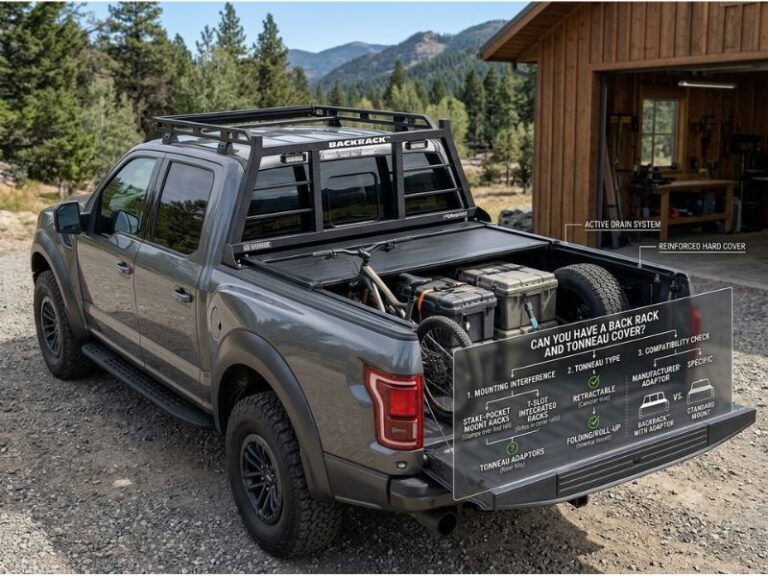
The design inherently introduces several potential points of water ingress. Unlike a solid, one-piece cover, a tri-fold has seams where the panels meet and where the cover interfaces with the truck bed. These areas require careful engineering and sealing to prevent water from penetrating. Manufacturers employ various strategies, including weatherstripping, rubber seals, and drainage systems, to mitigate these vulnerabilities.
Soft Tri-Fold vs. Hard Tri-Fold Covers
The material choice significantly impacts both durability and water resistance. Tri-fold covers generally fall into two main categories:
- Soft Tri-Fold Covers: These typically feature a vinyl or fabric-reinforced vinyl top stretched over an aluminum frame. They are lightweight, generally more affordable, and offer good protection against rain and snow. However, the fabric material can be more susceptible to wear and tear over time, and the sealing mechanisms might be less robust than their hard counterparts. The flexibility of the fabric can also mean a less rigid seal against the elements if not properly tensioned.
- Hard Tri-Fold Covers: Constructed from aluminum, fiberglass, or composite panels, these covers offer superior security and often better long-term durability. The rigid panels can create a more consistent and tighter seal against the bed rails and at the panel joints. Many hard tri-folds feature integrated drainage systems and more sophisticated sealing technologies, making them generally more effective at keeping water out. They are typically more expensive but offer enhanced protection against theft and impact.
The choice between soft and hard tri-fold covers often comes down to a balance of budget, security needs, and desired level of water resistance. For maximum protection against the elements, a high-quality hard tri-fold often has an edge.
Are Tri-Fold Tonneau Covers Waterproof? The Nuanced Answer
To directly answer the question, no tonneau cover, including tri-folds, can be guaranteed 100% waterproof in all conditions. It’s more accurate to describe them as highly water-resistant or weather-resistant. The goal of any reputable manufacturer is to design a cover that keeps the vast majority of water out under normal rain, snow, and washing conditions. However, various factors can influence how well a particular tri-fold cover performs in the real world.
Think of it like a high-quality rain jacket. It will keep you dry in most downpours, but if you stand under a waterfall or subject it to extreme pressure, some water might eventually find its way through. Tonneau covers operate on a similar principle. They are designed to repel water, not to be submerged or withstand continuous, high-pressure water jets without any ingress.
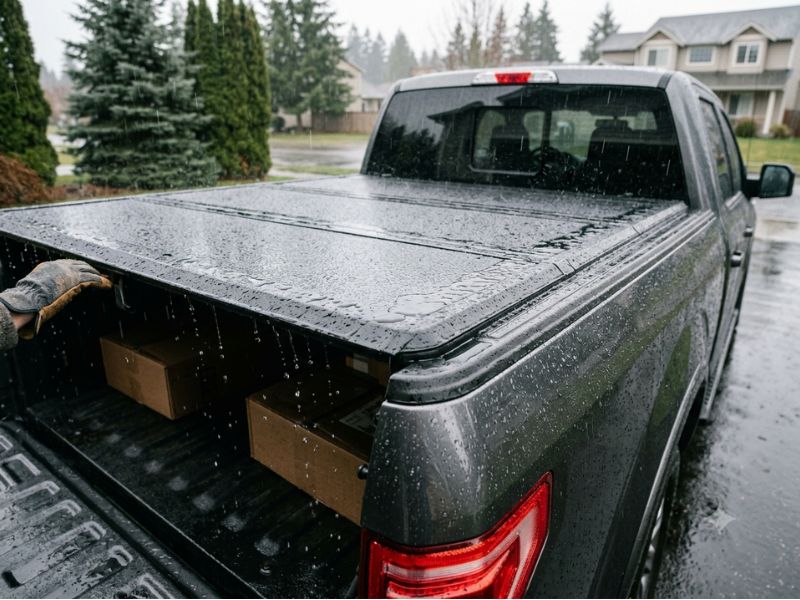
The expectation should be that your tri-fold cover will keep your cargo dry in typical rain, snow, and road spray. You might occasionally see a few drops or a small amount of moisture, particularly around the tailgate or corners, but a well-installed, quality cover should prevent significant pooling or saturation of your truck bed contents.
Factors Influencing Water Resistance
Several critical factors determine how effectively a tri-fold tonneau cover will keep your truck bed dry:
- Quality of Materials and Construction: Premium covers use higher-grade vinyl that resists cracking and fading, or robust aluminum/composite panels that maintain their shape. High-quality rubber seals, gaskets, and weatherstripping are essential at all potential ingress points.
- Design and Engineering: Manufacturers employ different strategies to manage water. Some designs feature overlapping panels, while others use tongue-and-groove systems. Integrated drainage channels, often running along the bed rails or at the front of the bed, are crucial for diverting water away from the cargo area.
- Installation Accuracy: This is perhaps the most significant factor. Even the best cover will leak if not installed correctly. Proper alignment, tight clamping, and correct placement of seals are paramount.
- Truck Bed Condition: The condition of your truck bed rails, bulkhead, and tailgate can impact the seal. Dents, imperfections, or aftermarket bed liners that interfere with the cover’s fit can create gaps.
- Maintenance and Age: Over time, seals can degrade, vinyl can shrink or crack, and hardware can loosen. Regular inspection and maintenance are necessary to preserve water resistance.
- Environmental Conditions: Extreme weather, such as heavy torrential downpours, strong crosswinds that drive rain horizontally, or prolonged exposure to freezing and thawing cycles, can challenge even the best covers.
Understanding these factors helps to manage expectations and provides a roadmap for maximizing your cover’s protective capabilities.
Key Components for Water Resistance in Tri-Fold Covers
To achieve effective water resistance, tri-fold tonneau covers rely on a combination of design features and components. I’ll break down the most important ones:
1. Perimeter Seals and Gaskets
This is arguably the most critical line of defense. High-quality rubber or foam seals are installed along the entire perimeter of the cover where it meets the truck bed rails, the bulkhead (front of the bed), and sometimes the tailgate. These seals are designed to compress when the cover is closed and clamped, creating a tight barrier against water. Look for:
- EPDM Rubber Seals: Known for their excellent resistance to weathering, ozone, and UV radiation, EPDM seals maintain their flexibility and sealing properties over a wide range of temperatures.
- Dual-Layer Seals: Some covers feature multiple layers of seals or bulb seals that provide a more robust barrier against water and dust.
- Tailgate Seal Kits: Many covers come with or recommend an additional seal kit for the tailgate gap, which is a common entry point for water and dust.
The quality and integrity of these seals are paramount. Cracked, hardened, or missing seals will inevitably lead to leaks.
2. Panel Hinges and Seams
Where the individual panels of a tri-fold cover meet and fold, there are inherent seams. Manufacturers address these potential leak points in several ways:
- Overlapping Panels: Some designs have panels that slightly overlap each other when closed, creating a shingle-like effect that sheds water.
- Integrated Gaskets/Seals at Hinges: High-quality covers incorporate rubber or silicone gaskets directly into the hinge mechanism to seal the gap between panels.
- Tongue-and-Groove Systems: More advanced designs may feature interlocking panel edges that create a labyrinth seal, making it difficult for water to penetrate.
These internal seals are often less visible but are crucial for preventing water from dripping through the folds of the cover.
3. Drainage Systems
Even with excellent seals, a small amount of water might still get past the initial barriers, especially at the front of the bed near the cab. Many premium tri-fold covers incorporate a drainage system to manage this:
- Drain Tubes: These are typically small hoses that attach to drainage channels or troughs at the front corners of the cover frame. They route any accumulated water out of the truck bed, usually through existing stake pockets or drilled holes in the bed.
- Integrated Channels: The frame itself might be designed with channels that collect water and direct it towards the drain tubes.
A well-designed drainage system is a strong indicator of a cover built with water resistance in mind. It acknowledges that some water might get in and provides a mechanism to prevent it from reaching your cargo.
4. Material Quality and UV Resistance
The material of the panels themselves plays a role. Vinyl needs to be robust and UV-resistant to prevent cracking and shrinking over time, which can compromise its seal. Hard panels, whether aluminum or composite, need to be manufactured to precise tolerances to ensure a flat, consistent surface that mates well with the seals.
UV inhibitors in the material help prevent degradation from sun exposure, which can lead to warping, fading, and hardening of seals, all of which reduce water resistance.
Installation: The Critical Step for Water Resistance
I cannot overstate the importance of proper installation. Even the most expensive, technologically advanced tri-fold cover will fail to keep water out if it’s not installed correctly. Here’s what I focus on when considering installation for maximum water resistance:
Pre-Installation Preparation
- Clean Bed Rails: Ensure your truck bed rails are thoroughly clean and free of dirt, grease, wax, or any debris. A clean surface allows the seals to adhere properly and the clamps to get a secure grip.
- Check for Damage: Inspect your bed rails for any dents, bends, or imperfections that might prevent the cover from sitting flush. Address these if possible.
- Tailgate Gap: Many trucks have a gap between the tailgate and the truck bed. Consider installing a tailgate seal kit, which typically consists of a rubber strip that adheres to the tailgate or bed to close this gap. This is a common entry point for water and dust.
- Bulkhead Seal: Ensure the bulkhead (the wall of the truck bed closest to the cab) is clean and that any included bulkhead seal is properly installed. This seal is crucial for preventing water from running down the front of the bed.
During Installation
- Accurate Alignment: The cover must be perfectly centered and aligned on the truck bed rails. An off-center cover can create uneven pressure on the seals, leading to gaps.
- Even Clamp Pressure: When securing the clamps, ensure they are tightened evenly and firmly. Overtightening can warp the rails or the cover frame, while undertightening won’t create a sufficient seal. Follow the manufacturer’s torque specifications if provided.
- Seal Compression: Visually inspect the seals around the entire perimeter once the cover is closed and clamped. You should see even compression of the seals against the bed rails. There should be no visible gaps.
- Drain Tube Installation: If your cover includes drain tubes, ensure they are properly installed and routed to allow water to exit the truck bed. This usually involves directing them into the stake pockets or drilling small holes, if necessary, and ensuring they aren’t kinked or blocked.
Post-Installation Checks
After installation, I always recommend a simple water test:
- Hose Test: Use a garden hose to gently spray water over the entire cover, paying close attention to the seams, edges, and tailgate area. Start with a light spray and gradually increase the pressure.
- Internal Inspection: After spraying, open the cover and inspect the truck bed for any signs of water ingress. Look for drips, puddles, or damp spots.
- Adjustments: If you find leaks, pinpoint their location. Often, a slight adjustment to the cover’s alignment, tightening a clamp, or repositioning a seal can resolve the issue. Sometimes, adding a small piece of weatherstripping to a specific problem area can make a big difference.
Remember, patience and attention to detail during installation will pay dividends in the long run for water resistance.
Common Leak Points and How to Address Them
Even with a good quality cover and careful installation, certain areas are more prone to leaks. Knowing these common leak points allows for proactive measures and easier troubleshooting.
1. The Tailgate Gap
This is by far the most frequent culprit. The design of many truck tailgates leaves a significant gap where the tailgate meets the bed, especially at the bottom and sides. Water, dust, and even snow can easily enter here.
- Solution: Install a tailgate seal kit. These are inexpensive rubber strips that adhere to the tailgate or the inside of the bed to close these gaps. They are highly effective and I consider them almost mandatory for any tonneau cover aiming for maximum water resistance.
2. Front Corners (Bulkhead Area)
The front corners of the truck bed, where the cover meets the bulkhead and the side rails, are another common leak point. Water can pool here and find its way around the seals, especially if the truck bed isn’t perfectly level or if the bulkhead seal isn’t properly installed.
- Solution: Ensure the bulkhead seal is clean, properly positioned, and creates a tight compression. If your cover has drain tubes, verify they are clear and correctly routed. Sometimes, adding a small piece of extra weatherstripping in the corner can help fill minor gaps.
3. Along the Bed Rails
Leaks along the side rails usually indicate either improper cover alignment, insufficient clamp pressure, or degraded perimeter seals.
- Solution: Recheck the cover’s alignment to ensure it’s centered. Tighten the clamps evenly, ensuring firm but not excessive pressure. Inspect the perimeter seals for cracks, hardening, or flattening. If seals are compromised, they may need to be replaced. Aftermarket weatherstripping can sometimes be added underneath the existing seals for extra thickness if the original seals are still in good condition but not quite making contact.
4. Panel Hinges/Seams
If water is dripping through the folds of the cover itself, it points to an issue with the internal seals or the design of the panel joints.
- Solution: For soft tri-folds, ensure the vinyl is properly tensioned. For hard tri-folds, inspect the gaskets between the panels. These are usually factory-installed and harder to replace. If there’s a manufacturing defect, it might require warranty service. For minor drips, a thin bead of clear silicone sealant applied carefully to the seam can sometimes help, but this should be a last resort as it can make folding difficult.
5. Stake Pockets
Many trucks have stake pockets in the bed rails, which are often left open. These can be direct conduits for water into the bed.
- Solution: Purchase stake pocket covers or caps. These are inexpensive plastic plugs that fit snugly into the stake pockets, effectively sealing them off.
Systematic troubleshooting, starting with the most common leak points, will usually help you identify and resolve water ingress issues.
Maintaining Your Tri-Fold Cover for Long-Term Water Resistance
Just like any other part of your truck, a tonneau cover requires regular maintenance to perform its best and maintain its water-resistant properties over time. Neglecting maintenance can lead to premature degradation of seals and materials, compromising its effectiveness.
Regular Cleaning
Dirt, dust, and grime can accumulate on the cover and around the seals, preventing them from creating a tight barrier. Regular cleaning is essential:
- Wash the Cover: Use mild soap and water (specifically formulated for vinyl or automotive finishes, depending on your cover material) to clean the top surface. Avoid harsh chemicals or abrasive brushes that can damage the material or protective coatings.
- Clean Seals: Pay special attention to cleaning the rubber seals around the perimeter and between panels. Use a soft cloth and mild soap to remove any buildup.
- Clean Drain Tubes: If your cover has drain tubes, periodically check them for blockages from leaves, dirt, or debris. Clear them out to ensure water can flow freely.
Seal and Gasket Care
The rubber and foam seals are crucial for water resistance and are often the first components to show wear. Proper care can extend their lifespan:
- Condition Seals: Use a rubber conditioner or protectant (like 303 Aerospace Protectant or a silicone-based lubricant) on the seals every few months. This helps keep them pliable, prevents drying, cracking, and hardening, and protects them from UV damage.
- Inspect for Damage: Regularly inspect all seals for cracks, tears, flattening, or signs of degradation. Damaged seals should be replaced promptly. Many manufacturers offer replacement seal kits.
Hardware and Frame Inspection
The structural integrity and proper functioning of the hardware are also important for maintaining a tight seal.
- Check Clamps: Periodically check the tension of the mounting clamps. Vibrations from driving can sometimes cause them to loosen. Retighten them as needed, ensuring even pressure.
- Inspect Hinges: For hard tri-folds, check the hinges for any signs of wear or damage. Ensure they operate smoothly.
- Frame Integrity: For soft tri-folds, ensure the frame is not bent or damaged, as this can affect the tension of the vinyl and the fit of the cover.
UV Protection
Sunlight is a major enemy of tonneau covers, especially vinyl ones. UV radiation can cause materials to fade, crack, and become brittle.
- UV Protectants: Apply a UV protectant specifically designed for tonneau covers or automotive vinyl/plastics. This creates a barrier against the sun’s harmful rays, extending the life and appearance of your cover.
By dedicating a small amount of time to these maintenance tasks, you can significantly prolong the effective water resistance and overall lifespan of your tri-fold tonneau cover.
Choosing the Right Tri-Fold Tonneau Cover for Your Needs
With a better understanding of how tri-fold covers handle water, you can make a more informed decision when purchasing one. Here are the factors I consider when advising someone on selecting a tri-fold cover, with an emphasis on water resistance:
1. Budget vs. Quality
As with most products, you generally get what you pay for. While an entry-level soft tri-fold can offer decent protection, higher-end models, especially hard tri-folds, typically feature superior materials, more robust seals, and better-engineered drainage systems.
- Entry-Level (Soft Tri-Fold): Good for occasional light rain protection and basic cargo coverage. Expect some minor leaks in heavy downpours.
- Mid-Range (Soft or Hard Tri-Fold): Offers a good balance of features, durability, and water resistance. Often includes better seals and some form of drainage.
- Premium (Hard Tri-Fold): Best for maximum water resistance, security, and longevity. Features advanced sealing, integrated drainage, and durable materials.
2. Material (Soft vs. Hard)
Your climate and security needs should heavily influence this choice.
- Soft Tri-Fold: Lighter, less expensive, and easier to remove. Good for moderate climates and when security isn’t the absolute top priority. Can be very water-resistant if well-maintained and properly tensioned.
- Hard Tri-Fold: More secure, more durable, and generally offers superior water resistance due to rigid panels and often more sophisticated sealing/drainage. Ideal for harsh climates, valuable cargo, or when security is a primary concern.
3. Brand Reputation and Reviews
Research reputable brands known for quality and customer satisfaction. Read reviews from other truck owners, paying close attention to comments about water resistance and leakage issues. Brands that consistently receive positive feedback on their covers’ ability to keep cargo dry are a good starting point.
4. Specific Features for Water Management
When comparing models, look for specific design elements that enhance water resistance:
- Integrated Drainage Channels and Tubes: A strong indicator of a cover designed to manage water effectively.
- Robust Perimeter Seals: Look for thick, multi-layered, or bulb-style EPDM rubber seals.
- Sealed Hinges/Panel Joints: Designs that minimize gaps between panels are crucial.
- Tailgate Seal Inclusion: Some covers include a tailgate seal kit, which is a valuable addition.
5. Ease of Installation
While I always recommend careful installation, some covers are inherently easier to install correctly than others. Covers with simpler clamping mechanisms and clear instructions can reduce the likelihood of installation-related leaks.
6. Warranty
A good warranty can provide peace of mind. Understand what the warranty covers, especially concerning material defects and sealing performance. This can be an indicator of the manufacturer’s confidence in their product’s durability and water resistance.
By weighing these factors, you can select a tri-fold tonneau cover that not only fits your budget and lifestyle but also provides the level of water protection you expect for your truck bed cargo.
Real-World Expectations and Limitations
It’s important to set realistic expectations for any tonneau cover, including tri-folds. While they are designed to be highly water-resistant, they are not hermetically sealed containers. Here’s what I advise clients to expect:
What to Expect
- Protection from Most Rain and Snow: A properly installed, quality tri-fold cover will keep your truck bed contents dry during typical rainstorms, snowfalls, and when driving through puddles or road spray.
- Minor Moisture Possible: In very heavy, prolonged downpours, or during a high-pressure car wash, you might occasionally find a few drops of water, a damp spot, or a very small amount of moisture, especially near the tailgate or corners. This is generally considered acceptable and not indicative of a faulty product.
- Dust Reduction: In addition to water, a good tonneau cover will significantly reduce the amount of dust and road grime that enters your truck bed, which is a welcome bonus.
Limitations to Understand
- Not Submersible: Tonneau covers are not designed to withstand submersion or continuous high-pressure water jets from all angles without some ingress.
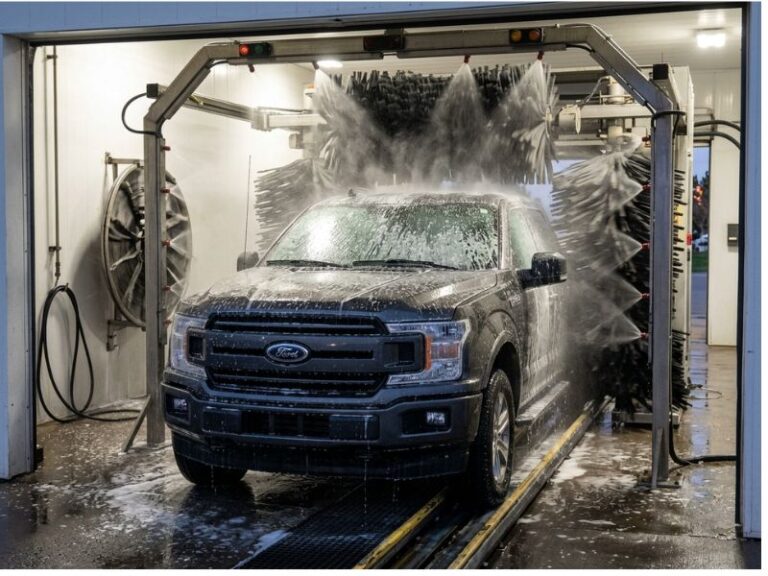
- High-Pressure Car Washes: Automatic car washes, particularly those with powerful sprayers, can sometimes force water past seals that would otherwise hold up in natural rain. I often recommend hand washing or touchless car washes for covered trucks.
- Extreme Weather: Torrential downpours combined with strong winds can sometimes push water into areas that are normally sealed.
- Aging Materials: Over time, seals will degrade, and materials can wear. Regular maintenance is key to mitigating this, but eventually, components may need replacement.
- Truck Bed Imperfections: The cover can only seal as well as the surface it’s sealing against. Dents, rust, or uneven bed rails can create persistent leak points.
Understanding these nuances helps prevent disappointment and allows you to appreciate the significant protection a quality tri-fold cover does provide, even if it’s not absolutely impermeable under all conceivable conditions.
Conclusion
When considering the question, are tri fold tonneau covers waterproof, the most accurate answer is that they are highly water-resistant, designed to protect your truck bed cargo from the vast majority of rain, snow, and road spray. While no tonneau cover can guarantee 100% impermeability under all extreme conditions, a well-chosen, properly installed, and regularly maintained tri-fold cover will provide excellent protection for your belongings.
The key lies in selecting a quality product with robust seals and drainage, ensuring meticulous installation, and performing routine maintenance to preserve its integrity. By understanding the design features, potential leak points, and realistic expectations, you can confidently choose a tri-fold tonneau cover that keeps your gear dry and secure for years to come.