Are Retractable Tonneau Covers Waterproof: Explained Clearly
When considering a retractable tonneau cover for your truck bed, one of the most common questions that arises is about its ability to protect your cargo from the elements. Many truck owners assume that a cover designed to enclose the bed must be completely impenetrable to water, offering a hermetic seal against rain, snow, and car washes. However, the reality is often more nuanced than this straightforward expectation.
The truth is, while modern retractable tonneau covers are engineered to be highly water-resistant, achieving a 100% waterproof seal in all conditions is an incredibly challenging feat for any automotive accessory that involves moving parts and seals against a truck bed. Factors like design, materials, installation quality, and even the specific contours of your truck bed all play a significant role in how well a cover performs against moisture.
My goal with this article is to demystify the topic and provide a clear, comprehensive answer to the question: are retractable tonneau covers waterproof?
I’ll delve into the engineering principles, common points of water ingress, the role of proper installation, and maintenance tips to help you understand what to realistically expect and how to maximize your cover’s protective capabilities.
By the end, you’ll have a much clearer picture of how these covers manage water and what you can do to keep your cargo as dry as possible.
Understanding Water Resistance vs. Waterproofing in Tonneau
To properly address whether retractable tonneau covers are waterproof, I first need to clarify the distinction between “waterproof” and “water-resistant.” These terms are often used interchangeably in everyday language, but in the context of product design and engineering, they have very different meanings, especially when it comes to truck bed covers.
What “Waterproof” Truly Means
In its strictest sense, “waterproof” implies complete and absolute imperviousness to water under any conditions. A truly waterproof product would not allow a single drop of water to penetrate, even when submerged or subjected to high-pressure water jets. Think of a submarine, a sealed diving watch, or a dry bag designed for whitewater rafting – these items are engineered to prevent water ingress entirely. Achieving this level of sealing on a truck bed, which is an open, exposed area with inherent variations and movement, is an extraordinary challenge.
The Reality of “Water-Resistant” Retractable Covers
Retractable tonneau covers, by their very nature, are complex systems involving multiple panels, hinges, tracks, and seals. While manufacturers go to great lengths to design them to repel water effectively, they are almost universally classified as water-resistant, not strictly waterproof.
This means they are designed to prevent the vast majority of water from entering the truck bed under normal conditions, such as rain, snow, or typical car washes.
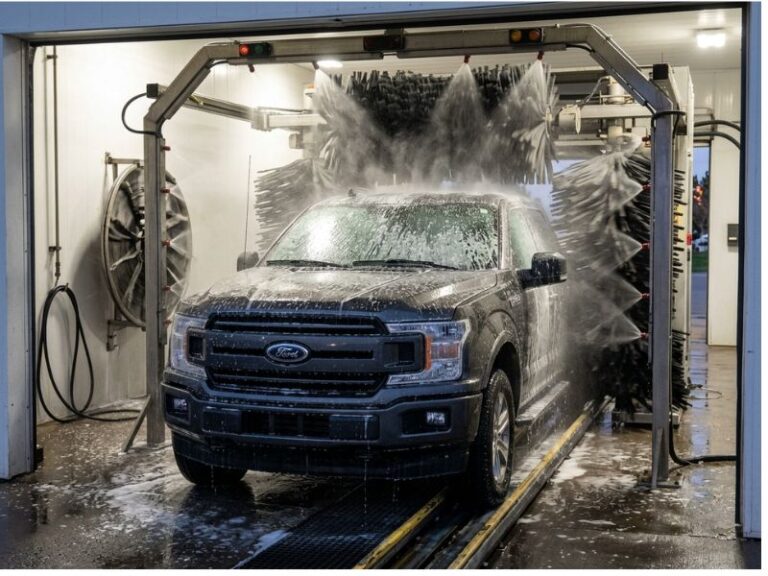
They are highly effective at keeping your cargo dry in most scenarios, but they might not withstand extreme conditions or prolonged exposure to high-pressure water without some minimal leakage.
The distinction is crucial for setting realistic expectations. When I talk about a cover’s ability to keep water out, I’m generally referring to its high level of water resistance, which is excellent for everyday use and protection.
How Retractable Tonneau Covers Manage Water
Retractable tonneau covers employ a combination of design features and materials to achieve their high level of water resistance. Understanding these components helps explain why some water might occasionally find its way in, and how the system is designed to handle it.
Panel Design and Materials
The panels themselves are the primary barrier against precipitation. Most retractable covers use:
- Aluminum Slats: These are common, often interlocking, and provide a strong, rigid surface. They are typically coated or anodized to resist corrosion and enhance their water-shedding properties.
- Polycarbonate or Vinyl-Over-Aluminum: Some covers use durable polycarbonate or a vinyl-over-aluminum construction, which offers excellent UV resistance and can be very effective at shedding water.
The design of these panels, often with slight curvature or overlapping edges, encourages water to run off the surface rather than pool and penetrate.
Sealing Mechanisms
This is where much of the water resistance comes from. Retractable covers utilize various seals:
- Side Seals: Along the length of the truck bed rails, rubber or brush seals are used to create a barrier between the cover’s side rails and the truck bed. These are critical for preventing water from seeping in along the edges.
- Front and Rear Seals: At the bulkhead (cab side) and tailgate, seals are designed to press against the truck bed and tailgate, respectively. These are often made of dense rubber or foam and are crucial for preventing water from entering at the ends of the cover.
- Panel-to-Panel Seals: For covers with multiple interlocking panels, seals or overlapping designs are integrated between each panel to minimize water ingress through the joints as the cover retracts and extends.
Drainage Systems
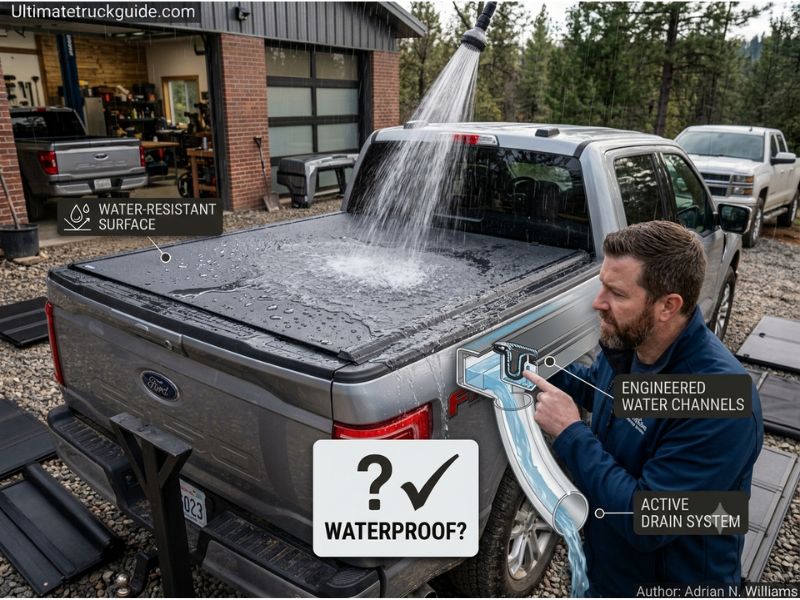
Perhaps one of the most misunderstood aspects of retractable tonneau covers is their integrated drainage. Many covers are not designed to be absolutely hermetically sealed. Instead, they are engineered to collect any water that does manage to get past the primary seals and divert it away from your cargo.
- Drain Tubes: Most quality retractable covers feature drain tubes that connect to the cover’s canister (the housing where the cover retracts) or side rails. These tubes are routed through holes in the truck bed or stake pockets, directing any collected water out of the bed and onto the ground.
- Canister Design: The canister itself is often designed with channels or a slight slope to guide water towards the drain tubes.
This drainage system is a key indicator that manufacturers anticipate some minimal water ingress. The goal isn’t necessarily to stop every single drop from getting onto the cover’s internal components, but rather to ensure that any water that does get in is quickly and efficiently channeled out of the cargo area.
Common Points of Water Ingress and Why They Occur
Even with advanced designs and materials, it’s not uncommon for some water to find its way into a truck bed equipped with a retractable tonneau cover. Understanding the typical culprits can help in troubleshooting and setting realistic expectations.
Improper Installation
This is arguably the most significant factor influencing a cover’s water resistance. A poorly installed cover can lead to:
- Misaligned Rails: If the side rails are not perfectly level or are not clamped securely, gaps can form between the rails and the truck bed, allowing water to seep in.
- Incorrect Seal Placement: Seals at the bulkhead and tailgate need to be properly compressed. If they are not positioned correctly or if the cover is not adjusted to create adequate pressure, water can easily bypass them.
- Unsealed Bulkhead Gaps: Many truck beds have small gaps or seams at the bulkhead (the front wall of the bed) that are not perfectly flat. If these are not sealed with weatherstripping or silicone during installation, water can enter even with a perfectly installed cover.
- Improper Drain Tube Routing: If drain tubes are kinked, clogged, or not properly routed out of the truck bed, water will accumulate in the canister and eventually overflow into the bed.
Truck Bed Design Variations
Truck beds are not perfectly uniform. Slight variations in manufacturing tolerances, bed liner installations, or even the presence of bed caps can affect how well a tonneau cover seals.
- Bed Rail Caps: Some trucks come with plastic bed rail caps that can create uneven surfaces or gaps where the tonneau cover rails are supposed to seal.
- Tailgate Gaps: Tailgates are rarely perfectly flush with the truck bed. Small gaps at the corners or along the bottom can allow water to splash in, especially during heavy rain or when driving.
- Stake Pockets: These open holes in the bed rails are often left uncovered by the tonneau cover and can be a direct path for water unless specifically sealed.
Wear and Tear of Seals
Over time, the rubber and foam seals on a retractable tonneau cover can degrade due to exposure to UV light, extreme temperatures, and friction from the cover’s operation. This degradation can lead to:
- Cracking or Hardening: Seals can lose their elasticity, becoming brittle and unable to create a tight seal.
- Compression Set: Constant compression can cause seals to flatten and lose their ability to spring back, reducing their effectiveness.
- Tears or Damage: Physical damage to seals can create direct pathways for water.
Extreme Weather Conditions
While highly water-resistant, no cover is truly impervious to all conditions. During torrential downpours, high-pressure car washes, or prolonged exposure to heavy snowmelt, some minimal water ingress might occur. This is often due to the sheer volume and force of water overwhelming the seals or finding minute pathways that are otherwise inconsequential in lighter conditions.
Maximizing Water Resistance: Installation and Maintenance Are Key
Given that retractable tonneau covers are designed for high water resistance rather than absolute waterproofing, there are several steps I recommend to maximize their effectiveness and keep your cargo as dry as possible.
Professional or Meticulous DIY Installation
I cannot overstate the importance of proper installation. This is the single biggest factor in preventing water leaks. If you’re installing it yourself, take your time and follow the instructions precisely. If you’re unsure, consider professional installation.
- Leveling the Rails: Ensure the side rails are perfectly level and parallel to the truck bed rails. Use a level if necessary.
- Secure Clamping: Tighten all clamps evenly and securely. Loose clamps can lead to gaps.
- Bulkhead Sealing: Pay close attention to the bulkhead. Many truck beds have small ridges or gaps here. Use the provided weatherstripping or a bead of automotive-grade silicone sealant to fill any potential gaps before installing the cover.
- Drain Tube Placement: Ensure drain tubes are routed correctly, free of kinks, and exit the truck bed without obstruction. If your truck doesn’t have pre-drilled drain holes, you might need to drill them carefully (check for obstructions underneath first).
- Tailgate Adjustment: Some covers allow for minor adjustments to ensure the rear seal makes good contact with the tailgate. Adjust as needed.
Regular Maintenance and Inspection
Just like any part of your truck, a tonneau cover requires periodic maintenance to perform its best.
- Clean Seals: Regularly clean the rubber and brush seals with mild soap and water. Dirt, dust, and debris can accumulate on seals, preventing them from making a tight contact.
- Condition Seals: Use a UV protectant or rubber conditioner specifically designed for automotive seals. This helps prevent them from drying out, cracking, and losing their elasticity, extending their lifespan. Avoid petroleum-based products, which can degrade rubber.
- Check for Wear: Periodically inspect all seals for signs of wear, cracking, or tearing. Replace any damaged seals promptly. Many manufacturers offer replacement seal kits.
- Clear Drain Tubes: Ensure drain tubes are free of leaves, dirt, and other debris that could cause blockages. A clogged drain tube will cause water to back up and potentially overflow into the truck bed.
- Lubricate Moving Parts: For covers with tracks or hinges, apply a silicone-based lubricant as recommended by the manufacturer to ensure smooth operation and prevent wear that could compromise seals.
Addressing Specific Leak Points
If you do notice water ingress, try to pinpoint the source. Common areas include:
- Front Corners: Often due to bulkhead gaps or misaligned front seals.
- Side Rails: Could be loose clamps, worn side seals, or uneven bed rails.
- Tailgate Area: Check the tailgate seal, especially at the corners. Aftermarket tailgate seals can help if your truck has significant gaps.
- Canister Area: If water is pooling here, it’s likely a drain tube issue.
Sometimes, a small amount of automotive-grade silicone sealant applied strategically to persistent leak points can make a big difference, but always try to address the root cause first.
Types of Retractable Tonneau Covers and Their Water Resistance
While the general principles of water resistance apply across the board, different types of retractable tonneau covers can have slight variations in their design and, consequently, their inherent ability to repel water.
Hard Retractable Covers (Aluminum or Polycarbonate Slats)
These are generally considered the most robust in terms of water resistance. Their rigid, interlocking panels create a strong barrier. The key features contributing to their water resistance include:
- Rigid Panels: The solid nature of the panels prevents water from soaking through.
- Interlocking Design: Panels are designed to overlap or interlock tightly, minimizing gaps between them.
- Perimeter Seals: High-quality rubber seals along the side rails, bulkhead, and tailgate are standard.
- Integrated Drainage: Almost all hard retractables feature sophisticated drain systems within their canister and rails.
I find that hard retractable covers, when properly installed and maintained, offer excellent protection against water. Any leaks are typically due to installation issues or seal degradation rather than a fundamental design flaw.
Soft Retractable Covers (Vinyl or Fabric)
While less common in the “retractable” category compared to their roll-up counterparts, some soft covers do retract into a canister. Their water resistance relies on different mechanisms:
- Tensioned Fabric/Vinyl: The material itself is usually waterproof or highly water-resistant. The key is keeping it taut to prevent water pooling.
- Perimeter Seals: Similar to hard covers, these rely on seals along the rails and at the bulkhead/tailgate.
- Less Rigid Structure: Because the material is flexible, it might be more susceptible to minor water ingress if the tension isn’t perfect or if seals are compromised.
Soft retractable covers can be very effective, but I’ve observed that maintaining proper tension and ensuring the fabric is free of tears or punctures is critical for their water-shedding ability.
Electric vs. Manual Retractable Covers
The mechanism of retraction (electric motor vs. manual spring-loaded) generally has little direct impact on the water resistance of the cover itself. Both types utilize similar panel designs, seals, and drainage systems. The primary difference is convenience.
- Electric Covers: Often come with more advanced features, but their water resistance still depends on the physical seals and drainage.
- Manual Covers: Just as effective at water resistance, assuming the underlying design and installation are sound.
My advice is not to choose an electric cover solely for perceived superior water resistance; focus on the quality of the seals, panels, and drainage system, which are common to both types.
Regional Considerations: How Geography Impacts Water Protection Needs
The effectiveness of your retractable tonneau cover’s water resistance can also be influenced by where you live and the typical weather patterns you experience. Understanding these regional considerations can help you choose the right cover and maintain it appropriately.
Rainfall and Humidity
- Heavy Rainfall Regions (e.g., Pacific Northwest, Southeast me): If you live in an area with frequent and heavy rainfall, the integrity of your seals and the efficiency of your drainage system become paramount. I would highly recommend a cover with robust, multi-layered seals and a well-designed drainage system. Regular inspection of drain tubes for clogs is crucial here.
- Humid Climates (e.g., Gulf Coast): High humidity, even without direct rain, can lead to condensation inside the truck bed, especially if the cover creates a relatively sealed environment. While not direct water ingress, it’s something to be aware of. Ensuring good ventilation (if possible with your cover) or occasionally airing out the bed can help.
Snow and Ice
- Cold Climates (e.g., Northeast, Midwest, Mountainous Regions): Snow presents a unique challenge. While the cover itself will shed snow, melting snow can find its way into minute gaps that might not leak during rain. The freeze-thaw cycle can also put stress on seals, causing them to crack or lose elasticity.
- Ice Buildup: Ice can prevent covers from retracting or extending smoothly and can damage seals if forced. I recommend clearing snow and ice from the cover before operating it. Covers with robust aluminum slats tend to handle snow load better than soft covers.
Dust and Dirt
- Arid or Dusty Regions (e.g., Southwest me, rural areas): While not directly water, dust and fine dirt can accumulate on seals and in the tracks, compromising their ability to seal effectively against water. Regular cleaning of seals and tracks is even more important in these environments. Dust can also absorb moisture, creating a muddy residue that can be harder to clean and potentially abrasive to seals.
UV Exposure
- Sunny Climates (e.g., Southwest, Florida): Intense UV radiation can degrade rubber and plastic seals much faster than in cooler, less sunny regions. Using a UV protectant on your seals and plastic components is highly recommended to extend their life and maintain their water-resistant properties.
My takeaway is that while a high-quality retractable tonneau cover will perform well in most environments, being mindful of your specific local weather conditions allows you to choose a cover with appropriate features and implement a maintenance routine that ensures its longevity and effectiveness.
The Impact of Aftermarket Accessories on Water Resistance
Many truck owners customize their vehicles with various aftermarket accessories. While these can enhance functionality or aesthetics, it’s important to consider how they might interact with your retractable tonneau cover and potentially affect its water resistance.
Bed Liners (Drop-in vs. Spray-in)
- Drop-in Bed Liners: These can sometimes interfere with the proper seating of the tonneau cover’s side rails or bulkhead seal. The thickness or shape of the liner might create small gaps or prevent the seals from compressing fully. I’ve seen instances where a drop-in liner needed to be trimmed slightly to allow for a perfect fit of the tonneau cover rails.
- Spray-in Bed Liners: Generally, spray-in liners are less problematic as they conform to the truck bed’s contours without adding significant bulk that would interfere with seals. However, an uneven spray application could still create minor sealing challenges at the bulkhead or rail edges.
When installing a tonneau cover with a drop-in liner, I always recommend checking for any interference and making adjustments as needed to ensure a tight seal.
Bed Rail Caps
Many trucks come with factory plastic bed rail caps, and some owners add aftermarket ones. These caps can sometimes create an uneven surface where the tonneau cover clamps or seals, leading to small gaps where water can enter. Some tonneau covers are designed to sit on top of the caps, while others require the caps to be removed or modified. Always check the tonneau cover manufacturer’s recommendations regarding bed rail caps.
Tailgate Seals and Gaps
Truck tailgates are notoriously imperfect in their seal against the bed, often having small gaps at the bottom or corners. While not directly related to the tonneau cover itself, these gaps can allow water to splash up into the bed, making it seem like the tonneau cover is leaking. Aftermarket tailgate seal kits are available and can be a highly effective solution to prevent water and dust ingress from the tailgate area, complementing the tonneau cover’s protection.
Toolboxes and Other Bed Accessories
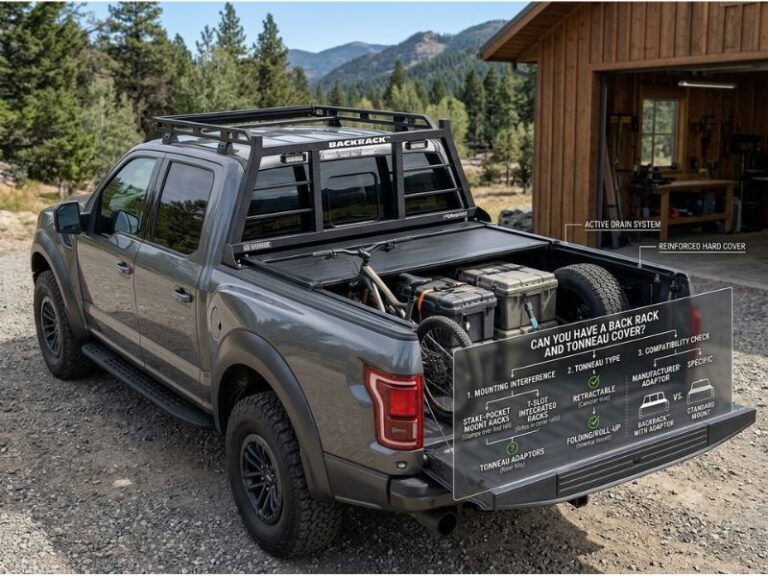
Any accessory that mounts to the bed rails or bulkhead can potentially interfere with the installation or operation of a retractable tonneau cover. For example, a toolbox that sits on the bed rails might prevent the tonneau cover rails from being installed correctly or might block the retraction canister. Always ensure compatibility between your tonneau cover and any other bed accessories you plan to use.
My advice is to plan your accessories carefully. If you’re adding a tonneau cover to an already accessorized truck, be prepared to make minor adjustments or modifications to ensure optimal fit and water resistance. It’s often easier to install the tonneau cover first and then add compatible accessories.
Realistic Expectations: What to Expect from Your Retractable Tonneau Cover
After all this discussion, it’s important to set realistic expectations for what your retractable tonneau cover can and cannot do regarding water protection. Understanding these points will help you avoid disappointment and appreciate the product for its intended purpose.
High Water Resistance, Not Absolute Waterproofing
As I’ve emphasized, the vast majority of retractable tonneau covers are designed to be highly water-resistant. This means they will keep your cargo dry in most everyday scenarios: rainstorms, snow, and typical car washes. They are excellent at protecting against the elements you’ll encounter during normal driving and parking.
Minimal Leaks Are Possible, Especially in Extreme Conditions
It’s not uncommon for a very small amount of water to find its way into the truck bed, particularly during torrential downpours, high-pressure car washes, or prolonged exposure to melting snow. These might be a few drops or a small trickle, often in the corners or near the tailgate. This doesn’t necessarily mean your cover is defective; it’s often a limitation of the design trying to seal a dynamic, open truck bed.
The Importance of Drainage
Remember, many covers are designed with integrated drainage systems precisely because some water ingress is anticipated. The goal is to collect and divert this water out of the bed, not necessarily to stop every single drop from ever touching the internal components of the cover. If your drain tubes are clear and functioning, even a small amount of water getting past a seal should be quickly channeled away from your cargo.
Cargo Protection vs. Hermetic Sealing
The primary purpose of a tonneau cover, including its water resistance, is to protect your cargo from the elements and theft. For most items – tools, groceries, luggage, sports equipment – the level of protection offered by a high-quality, properly installed retractable cover is more than adequate. If you need to transport items that are absolutely intolerant to any moisture whatsoever, even a few drops, I would recommend additional protective measures like waterproof bags or containers within the truck bed, regardless of the tonneau cover.
Your Role in Performance
The performance of your cover is not solely dependent on its manufacturing. Your diligence in proper installation and ongoing maintenance plays a huge role. A top-tier cover installed poorly will leak more than a mid-range cover installed perfectly and regularly maintained.
In essence, expect excellent water protection for most situations, but understand that achieving a perfectly dry truck bed 100% of the time, under all conditions, is an extremely high bar that most retractable tonneau covers are not designed to meet. They offer a fantastic balance of convenience, security, and weather protection for the vast majority of truck owners.
Conclusion
When asking are retractable tonneau covers waterproof, the most accurate answer is that they are designed to be highly water-resistant, providing excellent protection against rain, snow, and typical car washes. While achieving a 100% hermetic seal on a truck bed with moving parts is an engineering challenge that few, if any, covers truly overcome, modern retractable covers utilize sophisticated designs, robust seals, and integrated drainage systems to keep your cargo overwhelmingly dry. The key to maximizing this water resistance lies in meticulous installation, regular maintenance of seals and drain tubes, and understanding the inherent limitations of any accessory designed for an open-air vehicle. By setting realistic expectations and taking proactive steps, you can ensure your retractable tonneau cover performs optimally, safeguarding your truck bed contents from the vast majority of moisture.