Are Roll Up Tonneau Covers Good: What to Know and Why It Matters
You’ve just invested in a new truck, or perhaps you’re looking to maximize the utility of your current one. Suddenly, the open bed, once a symbol of freedom, starts to look like a giant, unsecured storage bin. Rain threatens your tools, prying eyes eye your gear, and road debris seems to have a magnetic attraction to anything you’re hauling. This is where the question of a tonneau cover inevitably arises, and specifically, many truck owners wonder: are roll up tonneau covers good?
I understand the dilemma. With so many options on the market—from hard folding to soft tri-fold, retractable to painted fiberglass—it can feel overwhelming to choose the right one. A roll-up cover often catches the eye due to its perceived simplicity and affordability, but does it truly deliver on protection, durability, and convenience?
My goal with this article is to cut through the marketing noise and provide you with a clear, practical understanding of roll-up tonneau covers. I’ll delve into their design, explore their advantages and disadvantages, and help you determine if this popular choice is the best fit for your truck and your lifestyle. By the end, you’ll have the insights needed to make an informed decision, ensuring your cargo stays safe and your truck remains as versatile as you need it to be.

Understanding Roll-Up Tonneau Covers
Before I dive into whether roll-up tonneau covers are a good choice, it’s helpful to understand what they are and how they work. At their core, roll-up covers are designed to protect your truck bed and its contents from the elements and theft, while maintaining the utility of your truck bed.
There are two primary types of roll-up tonneau covers:
Soft Roll-Up Tonneau Covers
These are the most common and often the most budget-friendly option. They typically consist of a vinyl or fabric material stretched over a frame that attaches to the truck bed rails. When you need to access your bed, the cover rolls up towards the cab, usually secured with straps or buckles. The material is often UV-resistant and waterproof, providing basic protection.
- Material: Usually marine-grade vinyl or a similar fabric.
- Frame: Lightweight aluminum or composite rails.
- Operation: Manual rolling and securing with snaps, Velcro, or a latch system.
Hard Roll-Up Tonneau Covers
A more robust evolution of the soft roll-up, hard roll-up covers incorporate aluminum or composite slats underneath the vinyl or fabric skin. These slats provide significantly more rigidity and security than their soft counterparts. When rolled up, the slats stack neatly near the cab, similar to a soft roll-up, but when closed, they offer a much stronger barrier against intrusion and weather.
- Material: Vinyl or fabric exterior with aluminum or composite slats underneath.
- Frame: Sturdier aluminum rails and often a more complex latching mechanism.
- Operation: Manual rolling, but the interlocking slats provide a more secure closure.
Both types aim to keep your cargo dry and out of sight, but the “hard” version adds a layer of physical security that the “soft” version cannot match. I find that understanding this fundamental difference is key to evaluating their overall goodness.
Key Advantages of Roll-Up Tonneau Covers
When considering any truck accessory, I always weigh the benefits against the drawbacks. Roll-up tonneau covers offer several compelling advantages that make them a popular choice for many truck owners.
Full Bed Access
One of the most significant benefits, in my opinion, is the ability to achieve nearly 100% bed access. Unlike some folding covers that might block a small portion of the bed near the cab, or retractable covers that have a canister taking up space, a roll-up cover completely clears the bed opening when rolled up. This is incredibly useful for hauling large, bulky items like furniture, appliances, or construction materials that require the full height and length of the bed.
Cost-Effectiveness
Generally speaking, soft roll-up tonneau covers are among the most affordable options on the market. This makes them an excellent entry point for truck owners who want basic bed protection without breaking the bank. Even hard roll-up covers, while more expensive than their soft counterparts, often represent a more budget-friendly alternative to hard folding or retractable covers with similar security features.
Ease of Installation
Most roll-up covers are designed for a relatively straightforward, no-drill installation. They typically clamp onto the truck bed rails, meaning you can often install one in an hour or two with basic hand tools. This DIY-friendly aspect saves on installation costs and allows you to get your cover up and running quickly.
Lightweight Design
Both soft and hard roll-up covers are generally lighter than many other types of tonneau covers, such as heavy fiberglass or aluminum retractable units. This lighter weight can contribute to slightly better fuel efficiency (though the impact is often minimal) and makes the cover easier to handle during installation and operation.
Sleek, Low-Profile Appearance
Many roll-up covers sit flush with the truck bed rails, creating a clean, low-profile look that complements the lines of your truck. This aesthetic appeal is often preferred by owners who want to maintain a streamlined appearance without a bulky cover sitting on top of the bed.
Weather Protection
While not all roll-ups are created equal in this regard, most quality roll-up covers offer good protection against rain, snow, and dust. The vinyl or fabric material, combined with sealing gaskets along the rails, helps to keep your cargo dry and clean. Hard roll-ups, with their more rigid structure, often provide even better sealing and resistance to the elements.
Disadvantages and Limitations to Consider
No product is perfect, and roll-up tonneau covers have their share of drawbacks. It’s important to be aware of these limitations to make an informed decision about whether one is right for you.
Security Concerns (Especially Soft Roll-Ups)
This is arguably the biggest concern, particularly with soft roll-up covers. Because they are made of flexible vinyl or fabric, they offer minimal security against determined thieves. A sharp knife or even a strong tug can often compromise the cover, granting access to your cargo. While they keep items out of sight, they don’t offer much in the way of physical theft deterrence. Hard roll-up covers significantly improve on this with their internal slats, making them much more resistant to cutting and prying, but they still might not match the robust security of a solid hard folding or fiberglass cover.
Durability and Longevity (Soft Roll-Ups)
The vinyl or fabric material of soft roll-up covers can be susceptible to wear and tear over time. Exposure to harsh UV rays, extreme temperatures, and environmental pollutants can cause the material to fade, crack, or become brittle. While quality covers use marine-grade vinyl designed for durability, they generally won’t last as long as a hard, solid cover. Hard roll-ups, with their reinforced construction, tend to be more durable in the long run.
Operation in Cold Weather
Soft roll-up covers can become stiff and more difficult to roll up or unroll in very cold temperatures. The vinyl material can lose its flexibility, making the latching mechanisms harder to operate. This can be a minor inconvenience for some but a significant frustration for those in colder climates who frequently need to access their bed.
Potential for Water Leaks
While most roll-up covers are designed to be water-resistant, achieving a completely watertight seal can be challenging. The nature of the rolling mechanism and the flexibility of the material can sometimes lead to small leaks, particularly around the corners or where the rails meet the tailgate. While minor leaks might be acceptable for some, if you need absolute dryness for sensitive cargo, this is a factor to consider.
Aesthetics Over Time (Soft Roll-Ups)
As mentioned under durability, the appearance of soft roll-up covers can degrade over time due to sun exposure and general wear. Fading, stretching, or a less taut fit can detract from the sleek look they initially provide. Hard roll-ups tend to maintain their appearance better due to their underlying structure.
Limited Security When Partially Open
Unlike some hard folding covers that can be securely locked in a partially open position, roll-up covers are generally either fully closed and secured, or fully rolled up. This means if you need to haul an item that is taller than the bed rails, you’ll likely have to roll the cover up completely, leaving your other cargo exposed.
Soft Roll-Up vs. Hard Roll-Up: Making the Right Choice
The distinction between soft and hard roll-up covers is crucial because it often dictates whether a roll-up cover will be “good” for your specific needs. I want to emphasize that while they share a similar operational principle, their performance characteristics differ significantly.
When a Soft Roll-Up Might Be Good For You:
- Budget-Conscious: If cost is your primary concern and you need basic weather protection.
- Occasional Use: For those who only occasionally haul items that need to be covered, and security isn’t a top priority.
- Light-Duty Protection: If you’re mainly protecting against rain, dust, and casual observation, rather than determined theft.
- Easy Installation: You want a quick, DIY-friendly setup.
When a Hard Roll-Up Is a Better Option:
- Enhanced Security: You need significantly more protection against theft than a soft cover can offer, but still desire the full bed access of a roll-up.
- Improved Durability: You want a cover that will withstand more abuse and last longer, resisting tears and punctures.
- Better Weather Sealing: The rigid slats often allow for a tighter, more consistent seal against the elements.
- More Robust Construction: You appreciate a sturdier feel and greater resistance to sagging or flapping at highway speeds.
I find that for most truck owners who are serious about protecting their cargo, a hard roll-up cover offers a much better balance of features and security than a soft roll-up, while still retaining the core benefits of the roll-up design.
Factors to Consider Before Buying a Roll-Up Tonneau Cover
To truly answer if a roll-up tonneau cover is good for you, I encourage you to think through these practical considerations before making a purchase.
Your Security Needs
This is paramount. If you regularly store valuable tools, equipment, or personal items in your truck bed, especially overnight or in public places, a soft roll-up cover is likely insufficient. I would strongly recommend a hard roll-up, a hard folding, or even a retractable cover for better security. If your primary concern is simply keeping items out of sight and protected from rain during transit, a soft roll-up might suffice.
Frequency of Bed Access
How often do you need to open and close your tonneau cover? Roll-up covers, particularly soft ones with snap or Velcro closures, can be a bit more time-consuming to operate than a quick-latch hard folding cover. If you’re constantly opening and closing your bed, consider the ease of operation. Hard roll-ups with automatic latching systems can be quicker.
Climate and Weather Conditions
As I mentioned, cold weather can stiffen soft vinyl, making it harder to roll and unroll. If you live in a region with harsh winters, this could be a daily annoyance. Also, consider the amount of rain or snow your area receives. While most covers offer good water resistance, some are better than others. Look for robust sealing systems and durable materials if you face extreme weather.
Budget
Your budget will naturally play a significant role. Soft roll-ups are the most economical. Hard roll-ups are a step up in price but offer a substantial increase in security and durability. Be realistic about what you’re willing to spend versus the level of protection and features you need.
Type of Cargo
What do you typically haul? If it’s mostly large, bulky items that require full bed access, a roll-up cover excels. If you’re carrying smaller, more delicate items that need absolute dryness and security, you might lean towards a more robust, fully sealed, and lockable option.
Your Truck’s Appearance
Do you prefer a sleek, low-profile look, or are you okay with a cover that sits above the bed rails? Most roll-up covers offer a flush or very low-profile design, which many owners find aesthetically pleasing. However, over time, soft covers can sometimes sag or lose their tautness, affecting the appearance.
Compatibility with Other Accessories
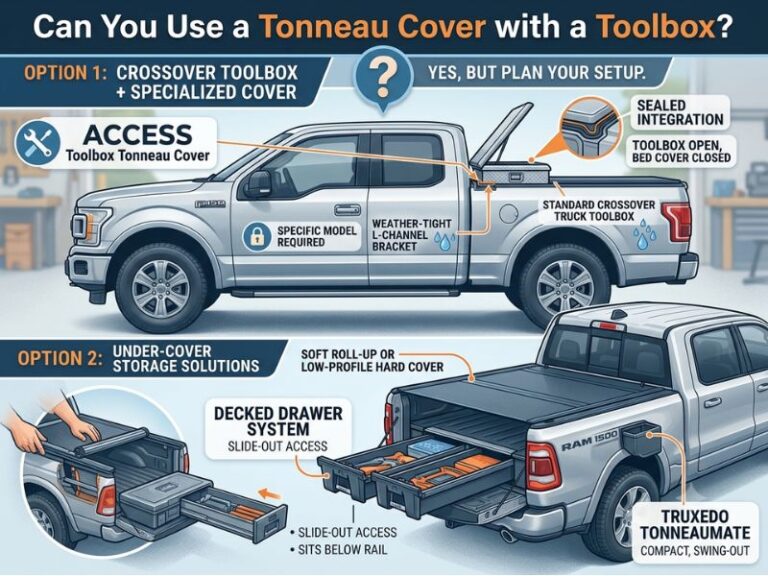
If you have or plan to install other truck bed accessories like ladder racks, bed extenders, or toolboxes, ensure the roll-up cover you choose is compatible. Some covers are designed to work with specific rail systems or accessories, while others might interfere.
Installation and Maintenance Tips for Roll-Up Covers
Once you’ve decided a roll-up cover is for you, proper installation and ongoing maintenance are key to maximizing its lifespan and performance. I’ve seen many covers fail prematurely due to neglect.
Installation Best Practices
- Read the Instructions Carefully: This sounds obvious, but every manufacturer has specific steps. Don’t assume you know how it goes on.
- Clean Your Bed Rails: Before clamping on the rails, ensure your truck bed rails are clean and free of dirt, wax, or debris. This helps create a better seal and prevents scratching.
- Proper Alignment: Take your time to align the rails perfectly straight and parallel to each other. Misalignment can lead to poor sealing, difficulty operating the cover, and uneven wear.
- Tighten Clamps Securely: Ensure all clamps are tightened firmly, but don’t overtighten, which can damage the bed rails or the cover’s frame. Check them again after a few days of driving.
- Check for Gaps and Seals: After installation, close the cover and inspect all seals, especially at the bulkhead (cab end) and tailgate. Look for any gaps that could let in water or dust. Adjust as necessary.
Maintenance for Longevity
- Regular Cleaning: Wash your tonneau cover regularly with mild soap and water, just as you would wash your truck. Avoid harsh chemicals or abrasive cleaners, especially on vinyl.
- UV Protection: For soft vinyl covers, consider using a UV protectant spray specifically designed for tonneau covers or marine vinyl. This helps prevent fading, cracking, and premature aging from sun exposure.
- Lubricate Moving Parts: If your cover has a latching mechanism or a tension system, periodically lubricate these components with a silicone-based spray to ensure smooth operation.
- Check Tension (Soft Covers): Soft roll-up covers often have a tension adjustment system. Over time, the vinyl can stretch slightly. Periodically check and adjust the tension to keep the cover taut and prevent flapping at highway speeds, which can cause wear.
- Inspect Seals: Regularly inspect the weather seals around the perimeter of the cover. If you notice any tears, cracks, or hardening, replace them to maintain water resistance.
- Avoid Heavy Loads on Top: While hard roll-ups are more robust, neither soft nor hard roll-up covers are designed to support heavy loads on top. Avoid placing items on the cover, especially when it’s closed, as this can damage the slats or the vinyl.
By following these tips, you can significantly extend the life of your roll-up tonneau cover and ensure it continues to perform well for years to come.
Alternatives to Roll-Up Tonneau Covers
While roll-up covers are a popular choice, they aren’t the only option. I think it’s important to briefly touch on alternatives, as understanding them can help solidify your decision or point you in a different direction if a roll-up isn’t the best fit.
Hard Folding Tonneau Covers
These covers consist of several rigid panels that fold up towards the cab. They offer excellent security (often comparable to a hard roll-up, sometimes better) and good weather protection. Many can be locked in a partially open position, which is a significant advantage over roll-ups for certain types of cargo. However, they typically don’t offer 100% bed access, as the folded panels usually rest against the cab, taking up some space.
Retractable Tonneau Covers
Retractable covers slide into a canister located at the front of the truck bed. They offer excellent security (often made of aluminum or polycarbonate slats) and a very clean, low-profile look. They are typically easy to operate, often with a key or remote. The main drawback is that the canister takes up a significant amount of bed space near the cab, reducing the usable length of your bed.
Soft Folding Tonneau Covers
Similar to hard folding covers, but made of a vinyl or fabric material over an aluminum frame. They are more secure than soft roll-ups but less so than hard folding covers. They are generally easy to install and more affordable than hard folding options, but share similar limitations regarding full bed access.
Hinged (One-Piece) Tonneau Covers
These are typically made of fiberglass or ABS plastic and lift up like a car trunk lid. They offer the best security and weather protection, often color-matched to your truck for a seamless look. However, they are heavy, expensive, and completely block your rear view when open. They also don’t allow for hauling tall items without removing the entire cover.
My advice is to consider these alternatives if the specific limitations of roll-up covers, such as security (for soft roll-ups) or the need for partial opening flexibility, are critical to your usage.
Finding the Right Roll-Up Tonneau Cover for Your Truck (GEO-Optimized)
When you’re ready to purchase a roll-up tonneau cover, I recommend considering local options in addition to online retailers. Supporting local businesses can offer benefits like personalized advice, professional installation services, and easier warranty support.
Local Truck Accessory Shops
Many cities across the United States have dedicated truck accessory shops. For example, if you’re in Houston, Texas, searching for “truck accessories Houston” or “tonneau cover installation Houston” will likely lead you to several reputable businesses. These shops often carry a variety of brands, allowing you to see and feel different covers in person. They can also provide expert installation, ensuring your cover is fitted correctly and sealed properly, which is crucial for long-term performance and weather protection in a climate like Houston’s, known for its heavy rainfall.
Automotive Dealerships
Your local Ford, Chevrolet, Ram, or Toyota dealership in areas like Phoenix, Arizona, might also offer tonneau covers, either as OEM (Original Equipment Manufacturer) accessories or through partnerships with aftermarket brands. While potentially more expensive, these options are guaranteed to fit your specific truck model perfectly and can often be rolled into your vehicle financing.
Big Box Retailers with Automotive Sections
Stores like AutoZone, O’Reilly Auto Parts, or Pep Boys in locations such as Orlando, Florida, often stock basic soft roll-up tonneau covers or can order them for you. These are usually more budget-friendly options, but you’ll typically be responsible for DIY installation. For those in a sunny, humid climate like Orlando, I’d pay extra attention to UV-resistant materials and robust sealing to combat the elements.
Online Retailers
Websites like RealTruck, AutoAnything, and Amazon offer the widest selection and often the most competitive prices. You can find detailed reviews and specifications for virtually every roll-up cover on the market. However, you’ll miss out on the hands-on experience and local installation support. If you choose to buy online, I strongly recommend verifying the cover’s compatibility with your exact truck year, make, model, and bed length to avoid fitment issues.
Regardless of where you purchase, always check for manufacturer warranties and return policies. A good warranty provides peace of mind, especially for an investment like a tonneau cover.
Conclusion
So, after exploring their design, advantages, and limitations, are roll up tonneau covers good? My answer is a qualified yes, but it heavily depends on your specific needs and expectations. If you prioritize full bed access, cost-effectiveness, and a sleek, low-profile look, a roll-up cover can be an excellent choice.
For basic weather protection and keeping items out of sight, a soft roll-up might suffice. However, if security is a significant concern, I strongly recommend investing in a hard roll-up tonneau cover, which offers a much better balance of protection and utility. Ultimately, by carefully weighing your budget, security requirements, and how you use your truck, you can determine if a roll-up tonneau cover is the right solution for you, ensuring your cargo stays protected and your truck remains versatile.