Can You Plug an Atv Tire: When It Works and What to Check First
Yes, you can plug an ATV tire when a small puncture is in the tread, but sidewall damage or a loose plug requires tire replacement.
A puncture does not always mean an immediate tire change. If you find the problem while the tire still holds air and the damage is limited to the center tread, acting early may allow a straightforward temporary or field repair. Waiting until the tire is nearly flat, however, can let the bead unseat, damage the carcass, or pull a repair material out of the hole.
That does not make every plug a good idea. An ATV tire flexes over rocks, roots, mud, and uneven trails, so the location and size of the puncture matter as much as the repair kit. Can you plug an atv tire safely depends on whether the injury is repairable, whether the tire has been driven while flat, and whether the plug seals completely under use.
This guide explains what to inspect first, how a proper plug repair is made, when an internal patch is better, and which warning signs mean you should stop riding and replace the tire.
- ✓A plug is most suitable for a small, clean puncture in the central tread area.
- ✓Never rely on a plug for sidewall, shoulder, bead, split, or severely damaged casing injuries.
- ✓Inspect the tire internally when possible, especially if it was driven underinflated or flat.
- ✓Inflate, leak-test, and monitor a repaired tire before returning to demanding trails.
Can You Plug an ATV Tire? Start
For most tubeless ATV tires, a plug can seal a small tread puncture caused by a nail, screw, thorn, or similar object. The repair works by filling the puncture channel and creating friction against the rubber, while the tire’s internal pressure presses the repair material into place.
The safest repair zone is the broad, relatively flat portion of the center tread. This area usually has more stable rubber movement than the shoulder and sidewall. A puncture near the outer tread blocks is less predictable because the tire bends more sharply there, especially during turns or when climbing across uneven ground.
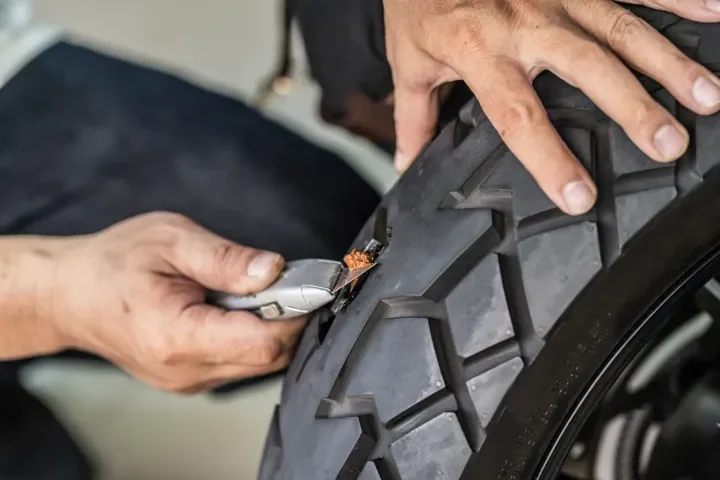
- Repair zone: Confirm the hole is in the center tread, not the sidewall, bead, or shoulder.
- Puncture size: A small, clean hole is more suitable than a torn or enlarged opening.
- Tire condition: Look for cracks, exposed cords, bulges, separated tread, or heavy wear.
- Air-loss history: Find out whether the tire was driven flat or severely underinflated.
Why sidewall and shoulder plugs are different
The sidewall is designed to flex constantly, and it does not have the same rubber thickness or reinforcement as the tread. A plug placed there can work loose, leak, or allow the damaged casing to spread. The shoulder, where the tread transitions into the sidewall, has a similar problem because it experiences heavy flexing during steering and side loads.
Do not confuse a slow leak from a puncture with a structural failure. A tire with a visible bulge, cut, split, exposed fabric, or separated tread is no longer just a sealing problem. A plug cannot restore the strength of damaged cords, and adding air may hide a dangerous condition rather than fix it.
When a Plug Is a Reasonable ATV Tire Repair
A plug is most reasonable when the tire is otherwise healthy and the puncture is small, round, and confined to the tread. The object that caused the leak should come out cleanly, without leaving a long slit or tearing the surrounding rubber. If the hole has been enlarged by driving on it, the repair becomes less dependable.
The tire should also retain enough shape for inspection. A completely flat tire may have been pinched between the rim and the ground, particularly at low pressure on rocks or hard terrain. Even if the original nail hole is tiny, internal abrasion or bead damage may make a simple external plug inadequate.
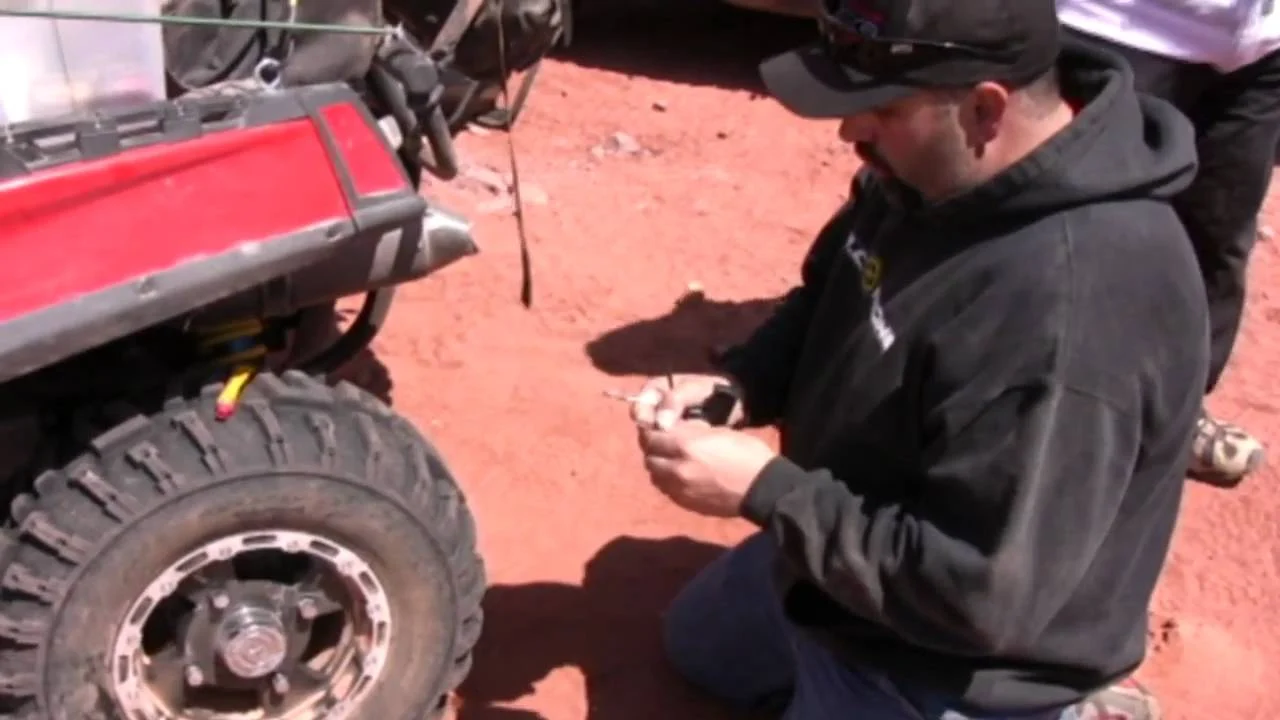
- Small puncture: The opening is limited and does not look torn, sliced, or stretched.
- Healthy casing: There are no bulges, exposed cords, deep cuts, or signs of internal rubbing.
- Stable tread: The injury is away from the shoulder and remains surrounded by solid tread rubber.
- Controlled use: The repaired tire can be checked before returning to high-speed or remote riding.
Temporary trail repair versus lasting repair
A string-style plug is valuable because it is compact, quick, and usually installed without removing the wheel. It can get an ATV out of the woods or back to a garage, but it should not automatically be treated as a permanent repair. The plug’s durability depends on its fit, the tire’s construction, the puncture angle, and the stresses placed on the tire afterward.
This distinction matters when answering “can you plug an atv tire”.
A professional repair may involve removing the tire and installing an internal combination patch-and-plug repair. This seals the puncture from inside while the stem fills the injury channel. That approach allows a closer inspection of the inner liner and is generally more reassuring than an external plug alone when the tire will see regular, demanding use.
How to Plug an ATV Tire Correctly
Before starting, move the ATV to a stable, well-lit area and prevent it from rolling. Wear eye protection when using the reaming and insertion tools, and avoid placing your hands directly in front of a tool under force. If the tire is badly damaged or the bead has come off the rim, stop rather than trying to force a roadside repair.
A typical tubeless tire plug kit includes a reamer, an insertion tool with a split or slotted tip, rubber repair strings, and rubber cement or vulcanizing solution. Follow the kit’s instructions because tool shapes and plug materials differ. The basic sequence is consistent, but the goal is not to make the hole as large as possible; it is to clean the channel enough for the plug to grip.
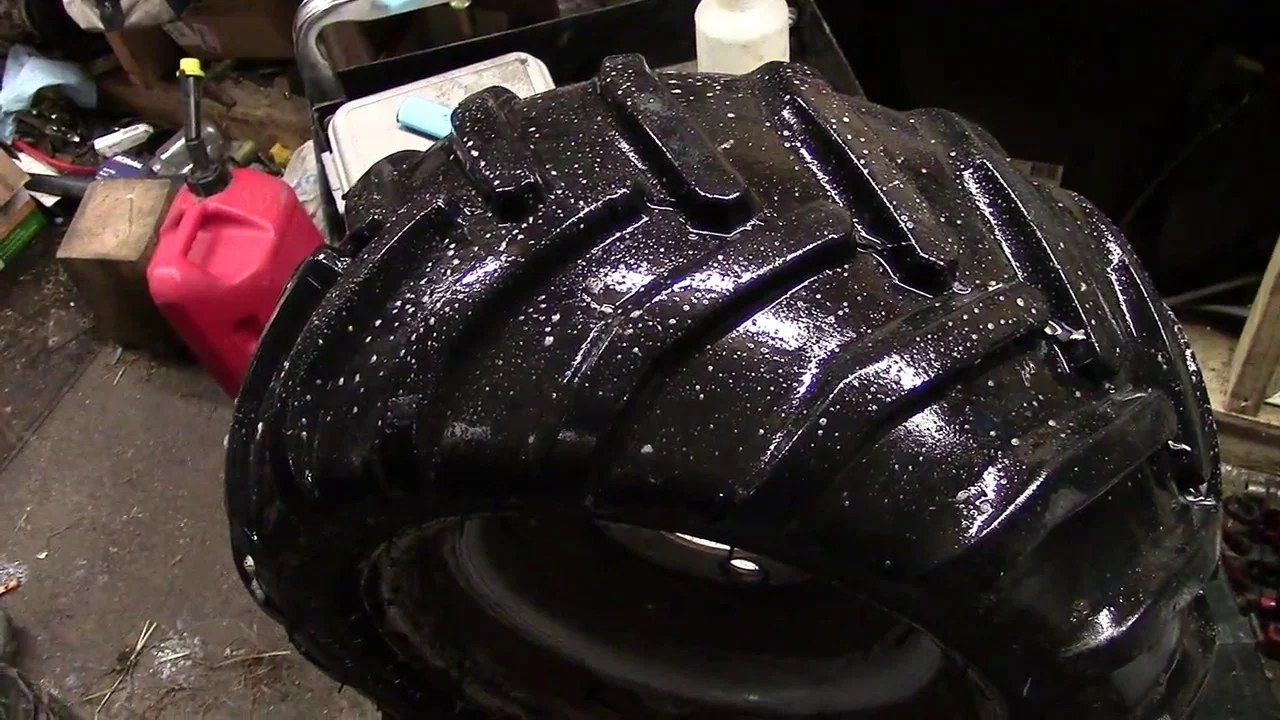
- Locate the leak: Inflate the tire enough for inspection, then apply soapy water to the tread and watch for bubbles. Mark the puncture before removing the object.
- Remove the cause: Pull out the nail, screw, or thorn with pliers. If the object is still sealing the hole, be prepared for rapid air loss once it is removed.
- Inspect the opening: Check that the injury is a puncture rather than a cut or tear. Measure visually against the kit’s stated limits and reject any hole that appears too large or irregular.
- Prepare the channel: Insert the reamer only as directed, using controlled pressure to clean the path. Excessive reaming can enlarge the hole and weaken the surrounding rubber.
- Load the plug: Center the repair string in the insertion tool and apply the recommended cement if the kit calls for it. Do not substitute household glue.
- Insert the repair: Push the plug into the puncture until only a small amount remains outside the tread. If extreme force is needed, reassess the plug size and injury.
- Trim the excess: Cut the protruding ends close to the tread without pulling the plug back out. Avoid shaving deeply into the surrounding rubber.
- Inflate and test: Inflate to the ATV manufacturer’s specified cold pressure, apply soapy water again, and look for continuing bubbles.
After the repair holds air, allow the cement to cure according to the kit instructions before riding hard. A plug that immediately leaks, shifts, or pulls through the tread is not a successful repair. Deflate the tire safely and have it inspected or replaced rather than adding more plugs beside the first one.
- Use the correct pressure: Follow the ATV, tire, or vehicle guidance rather than copying a pressure from another machine.
- Check the valve and bead: A leak may come from the valve stem or rim seal instead of the puncture.
- Do not stack repairs: Multiple plugs close together can weaken the tread area.
When a Plug Is Not Enough
Some damage should end the repair attempt immediately. A puncture in the sidewall, shoulder, bead area, or inner liner can compromise the tire’s structure. The same is true of a slash, puncture cluster, missing tread, or any injury that exposes cords.
Driving on a flat or nearly flat ATV tire creates another concern. The sidewall may fold against the rim and generate heat, scuffing, and internal separation. From the outside, the original puncture may look harmless even though the tire has already suffered damage that an external plug cannot reveal.
If the tire came off the bead, inspect it before reinflating. Bead damage, a bent rim, or debris between the bead and rim can cause a continuing leak. Never use explosive methods or improvised ignition to reseat an ATV tire bead; use appropriate equipment and trained assistance.
Keep these limitations in mind when considering “can you plug an atv tire”.
- Sidewall injury: Any puncture, cut, bulge, or split in the sidewall is a replacement concern.
- Shoulder damage: A hole where the outer tread turns toward the sidewall is exposed to high flex.
- Structural signs: Exposed cords, bubbles, tread separation, or deep cracking indicate casing failure.
- Persistent leakage: Continued bubbles after a plug suggest a poor seal, a second puncture, or another leak source.
Why “just add another plug” can make things worse
Adding plugs beside a leaking repair may enlarge the damaged zone and make later inspection more difficult. It can also create a false sense of security while the underlying injury continues to flex. If one properly installed plug does not hold, identify the reason instead of filling the area with additional material.
Replacement is also sensible when the tire is heavily worn, aged, repeatedly repaired, or used for work where a sudden loss of control could have serious consequences. The cost of a tire is easier to weigh when compared with a damaged rim, a stranded ATV, or a crash caused by a failed repair.
How to Verify the Repair Before Riding
Begin with a stationary leak test. Coat the plug, nearby tread, valve stem, and bead with soapy water. Small bubbles that continue growing indicate air is escaping; a few bubbles caused by applying the solution are not the same as an active leak.
Check the tire again after it sits for several hours or overnight. Measure the cold pressure with a reliable gauge, then compare it with the pressure recommended for your ATV and riding conditions. Pressure changes with temperature, so compare readings under similar conditions.
For a repair that passes the stationary test, take a cautious short ride on a clean, low-speed surface. Stop and inspect the plug afterward. Look for new bubbling, a plug pulling outward, fresh cuts, unusual vibration, or pressure loss.
Do not use a repaired tire for a long remote trip until it has demonstrated that it stays sealed.
- Before riding: Confirm the plug is seated, the pressure is correct, and no bubbles appear.
- After a short ride: Recheck the repair and compare pressure with the starting reading.
- Before trail use: Inspect again and carry a gauge, inflator, and suitable repair supplies.
FAQ About Plugging an ATV Tire
Can a plug permanently repair a tubeless ATV tire?
It can provide a durable repair for some small center-tread punctures, but an external plug is not automatically permanent. An internal patch-and-plug repair is more thorough when the tire is worth preserving and will be used regularly.
Can you plug an ATV tire without removing it
Yes, a tubeless tire with a suitable tread puncture can often be plugged while mounted. You still need to inspect the tire carefully, because a mounted repair may not reveal internal damage or an injured bead.
How large of a hole can an ATV tire plug
Use the repair kit’s stated size limit rather than guessing. A hole that is oversized, irregular, torn, or stretched is a poor candidate even if the plug appears thick enough to fill it.
Can a plugged ATV tire be used on pavement?
Only after it passes a leak test and a cautious inspection. Pavement can produce sustained heat and flexing, so avoid high-speed or extended road travel when the repair is uncertain, fresh, or located near the shoulder.
What if the plug keeps leaking?
Stop riding and find the cause. The plug may be too small, improperly seated, contaminated, or installed in a tear rather than a puncture. Also check for a second puncture, a leaking valve, rim damage, or a bead leak.
Should a tire that was driven flat be plugged?
Not without an internal inspection. Driving flat can damage the sidewall and inner liner, so replacing the tire or having a qualified tire professional examine it is safer than relying on an external plug alone.
Conclusion
Can you plug an atv tire? Yes, when the injury is a small, clean puncture in the central tread and the tire has no sign of structural damage. Inspect the location, casing, bead, and air-loss history before deciding, then install the repair carefully and verify it with soapy water and pressure checks.
Choose replacement or professional inspection for sidewall and shoulder injuries, cuts, exposed cords, bead damage, repeated leaks, or any tire driven flat. A quick repair is useful only when it preserves safe, predictable performance.
Clean the tire, mark the leak, and inspect the puncture location before buying or installing a plug.