Do Mushroom Tire Plugs Work: Key Facts and Helpful Explanations
Yes, mushroom tire plugs can provide a durable repair for some punctures in the tread, but they are not suitable for sidewalls, large damage, or every tire condition.
Whether do mushroom tire plugs work depends first on identifying what actually caused the air loss and where the tire was damaged. A nail in the center tread is a very different problem from a bead leak, valve failure, shoulder puncture, or tire that has been driven while seriously underinflated. A plug may look like an easy answer, but a rushed repair can hide internal damage or leave an unsafe area untreated.
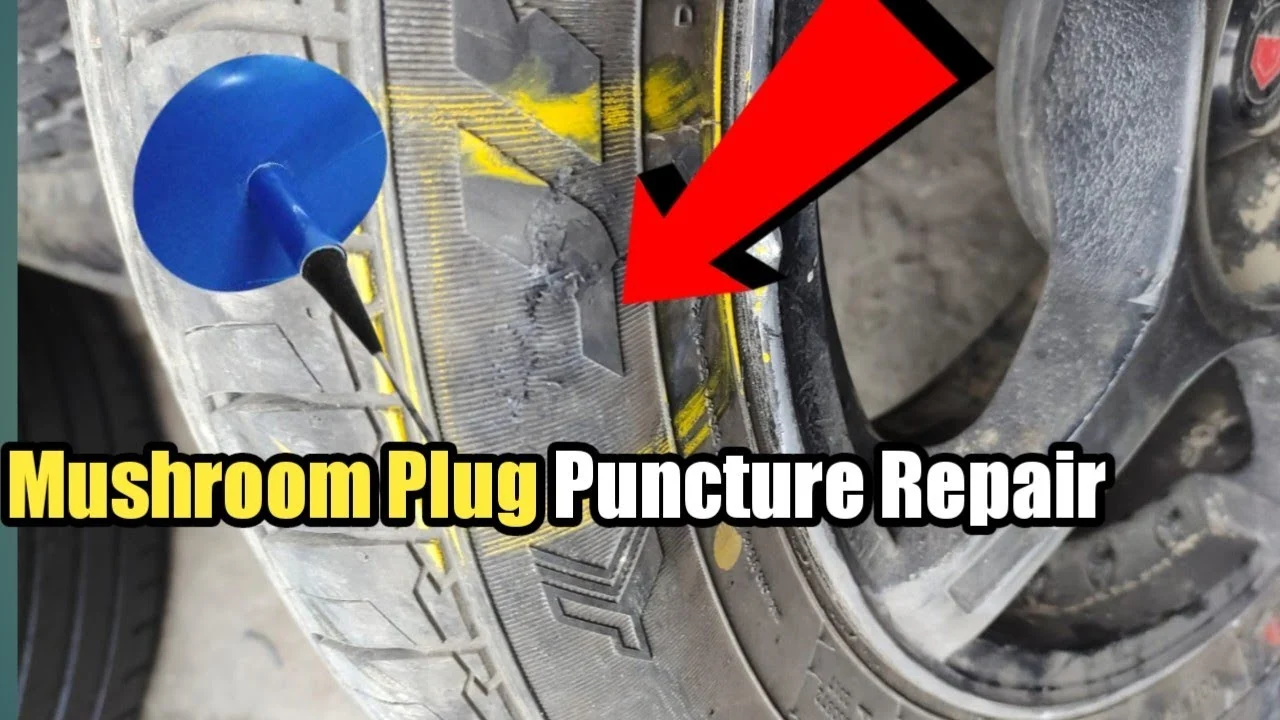
A mushroom plug combines a rubber stem with a broad cap that seals against the inside of the tire. That design is intended to block the puncture channel and reduce the chance of air escaping around the repair. This guide explains how the repair works, when it can be appropriate, why professional shops often prefer an inside patch-plug, and which signs mean the tire should be replaced instead.
You will also learn what to check before deciding, how long a proper repair may last, and when a temporary roadside plug should not be treated as a permanent fix.
- ✓A mushroom plug can be reliable for a small, repairable puncture in the central tread area.
- ✓The tire must be inspected internally because driving while flat can cause hidden sidewall damage.
- ✓Sidewall, shoulder, large, irregular, or overlapping punctures generally call for tire replacement.
- ✓An inside-installed patch-plug is usually more thorough than an exterior string plug.
- ✓Correct installation, inflation, and a leak test matter as much as the plug itself.
Do Mushroom Tire Plugs Work for Typical Tread
For the right puncture, a mushroom tire plug can seal effectively and remain in service for a long time. It is designed for a clean hole caused by a relatively narrow object, such as a nail or screw, in the strongest portion of the tread. The plug’s stem fills the puncture path while its cap sits against the inner liner, creating a second sealing surface.
That internal cap is the main difference between a mushroom plug and a basic rope-style plug pushed in from outside. A rope plug primarily fills the hole from the exterior. A mushroom plug is normally installed from inside the tire, so the repair technician can inspect the liner, prepare the rubber, pull the stem through, and confirm that the cap lies flat.
Even a well-designed plug cannot make an unsafe tire safe. The puncture must be within the repairable tread area, the hole must be within the repair material’s size limits, and the casing must not have been weakened by impact or by being driven without enough air. The tire’s age, wear, prior repairs, and overall condition also affect the decision.

- Puncture location: Confirm that the damage is in the central tread, not the shoulder or sidewall.
- Hole condition: A small, straight puncture is more suitable than a cut, tear, or irregular opening.
- Internal liner: Look for abrasion, exposed cords, wrinkling, or heat damage before repairing.
- Repair history: Avoid overlapping repairs or adding a plug beside an existing damaged area.
How a Mushroom Plug Seals the Tire
A mushroom plug has two functional sections. The narrow stem travels through the puncture, while the wider head, or cap, rests on the inner surface of the tire. Once installed correctly, the stem blocks the channel and the cap helps prevent air from moving between the tire’s inner liner and the damaged casing.
Installation usually requires removing the tire from the wheel. The technician locates the puncture, removes the object, checks the angle and size of the hole, and examines the inside of the casing. The puncture channel may be cleaned or prepared so the stem bonds and seals properly.
The cap is then positioned on the inner liner, and the tire is inflated and tested for leaks.
The cap also helps keep moisture and contaminants from traveling through the puncture. That matters because water and road debris can contribute to corrosion of steel belts or gradual deterioration around the hole. A plug that only fills the outer opening may not provide the same internal barrier.

Why inside installation matters
Installing the repair from inside gives the technician a chance to see damage that is invisible from the outside. A tire can have a clean-looking nail hole but still show scuffing or separation inside after it was driven underinflated. No plug can reverse that structural damage.
Inside installation also makes it possible to verify that the repair is seated correctly. If the cap folds, fails to adhere, or does not cover the puncture area, the tire may continue to lose air even though the outside appears repaired.
- Two sealing surfaces: The stem seals the channel while the cap seals the inner liner.
- Internal inspection: Removing the tire reveals damage that an exterior repair cannot detect.
- Leak testing: Inflation and a soapy-water or equivalent inspection should confirm the repair.
When a Mushroom Plug Is Not a Safe Repair
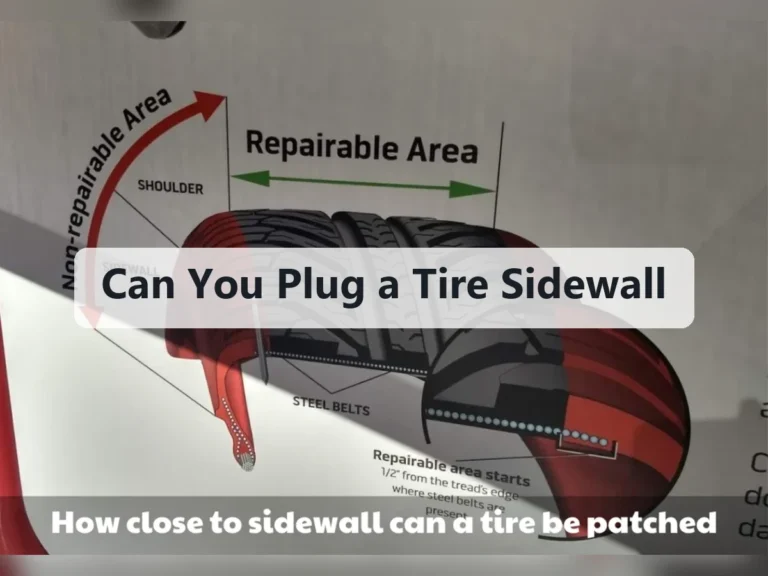
Location is the most important limitation. The tread is built to contact the road and contains reinforcing belts designed to handle repeated flexing and load. The sidewall and shoulder flex much more and do not offer the same conditions for a lasting repair.
A puncture in the sidewall should generally not be repaired with a mushroom plug. The same caution applies when the damage reaches the shoulder, where the tread begins to curve into the sidewall. Repairs in these areas can fail as the tire flexes, potentially causing a rapid loss of air.
Size and shape matter as well. A long cut, gash, puncture from a sharp object, or hole enlarged by driving on a flat tire may have damaged the cords or created more internal injury than the visible opening suggests. A mushroom-shaped repair component is not a substitute for a structural evaluation.
- Sidewall damage: Replacement is normally safer than attempting a plug repair.
- Shoulder damage: The flexing transition area is generally outside the suitable repair zone.
- Run-flat driving: Heat and abrasion may have weakened the casing even if the puncture is small.
- Low tread or bulges: A repair does not correct worn tread, impact damage, or a visible casing deformation.
Damage caused by driving underinflated
When a tire loses pressure, its sidewalls flex more than intended and generate heat. If the vehicle continues moving, the inner liner can develop a dark abrasion ring, loose rubber dust, creases, or exposed cord material. These signs indicate that the tire may no longer be structurally dependable.
This distinction matters when answering “do mushroom tire plugs work”.
Do not judge this condition only by how far the vehicle traveled. Speed, load, road temperature, starting pressure, and the tire’s construction all affect the result. A professional inspection is especially important if the tire was driven after the pressure warning appeared.
Mushroom Plugs Compared With Rope Plugs and Patch-Plugs
Drivers often use “plug” to describe several different repairs. The terms are not interchangeable. A roadside rope plug is inserted from the outside and can be useful as an emergency measure, but it does not allow a complete internal inspection.
A mushroom plug is usually installed from inside and includes the sealing cap.
A patch is a flat repair applied to the inner liner. By itself, a patch may seal air from the inside but may not fill the entire puncture channel. A combination patch-plug uses a stem through the hole and a patch-like section on the inner liner, addressing both pathways.
This is why a properly installed patch-plug is commonly favored for a permanent repair when the tire qualifies.
| Repair type | Typical installation | Main limitation |
|---|---|---|
| Rope plug | Inserted from outside | Limited internal inspection; often best viewed as temporary |
| Mushroom plug | Installed through the tire from inside | Requires suitable puncture location and intact casing |
| Patch-plug | Installed from inside with stem and inner patch | Still unsuitable for sidewall or structural damage |
In practical terms, do mushroom tire plugs work as well as a patch-plug? They can work very well when correctly selected and installed, but the repair method should match the tire manufacturer’s instructions, the repair material’s specifications, and the inspection findings. A cheap exterior plug and a professionally installed mushroom repair should not be treated as equivalent.
- Emergency rope: Fast and convenient, but less informative because the tire usually remains on the wheel.
- Mushroom design: Adds an inner cap that helps seal the liner and puncture path.
- Patch-plug repair: Combines both functions and is often the more complete professional approach.
How to Decide Whether the Tire Can Be Repaired
Start by finding the source of the leak rather than assuming the visible object is the only problem. Inflate the tire to the vehicle manufacturer’s recommended cold pressure and inspect for a nail, screw, cut, valve leak, or damage around the wheel rim. A puncture may be slow enough that the tire loses air over several days.
If the tire has been driven while low, have it removed for inspection before choosing a repair. The technician should examine the tread, inner liner, bead area, sidewalls, and previous repairs. The puncture’s location and direction should also be measured, since a hole that appears to be in the tread may angle into the shoulder.
- Identify and mark the leak location.
- Check whether the damage is in the central tread repair zone.
- Confirm that the hole is small, clean, and not a cut or tear.
- Inspect the inside for heat, abrasion, exposed cords, or separation.
- Review tread depth, tire age, inflation history, and existing repairs.
- Choose a mushroom plug, patch-plug, or replacement based on the complete inspection.
After installation, the tire should be inflated to the correct pressure and checked for leakage. The wheel should be reinstalled properly, and the vehicle’s tire-pressure monitoring system may need time or a reset to recognize the corrected pressure. Recheck pressure later rather than assuming the repair is successful because the warning light went out.
- Leaving the screw in place: The object may continue cutting the casing or cause a larger leak.
- Trusting the outside view: Hidden inner-liner damage can make a visible plug unsafe.
- Ignoring pressure loss: A slow leak after repair needs immediate inspection, not repeated inflation.
- Repairing too close together: Multiple repairs can weaken or overlap the same structural area.
Expected Durability and Signs of a Failed Repair
A correctly installed repair in a suitable tire can last for the remaining useful life of that tire. There is no universal distance or time guarantee because durability depends on tire construction, load, speed, road conditions, puncture characteristics, and installation quality. A repair should not be judged by a promise that it will last a particular number of miles.
Monitor the tire pressure regularly, ideally when the tires are cold. A small seasonal change is normal, but a repeated drop in one tire suggests a leak. Check the repaired area for bubbling with an appropriate leak-detection solution if the tire can be safely inspected, and stop driving if pressure falls quickly.
Vibration, a new thumping sensation, pulling, visible bulging, or irregular tread movement also warrants prompt attention. These symptoms may point to internal damage, an installation problem, wheel damage, or a separate issue unrelated to the puncture.
When replacement is the better value
Replacing the tire is usually the responsible choice when the damage is outside the repair zone, the tire has significant wear, the casing was driven flat, or several repairs have already reduced the available tread area. A low-cost repair is not a saving if it leaves the vehicle dependent on a compromised tire.
When replacing one tire on an all-wheel-drive vehicle, check the vehicle and tire manufacturer’s guidance about tread-depth differences. Some drivetrains are sensitive to mismatched rolling circumference, and replacing a pair or following a specific matching procedure may be necessary.
FAQ: Do Mushroom Tire Plugs Work?
Are mushroom tire plugs permanent?
They can be a permanent repair when the puncture is suitable, the tire has no internal damage, and the plug is installed correctly from inside. They are not permanent solutions for sidewall damage, large cuts, or a tire driven while severely underinflated.
Can a mushroom plug repair a screw hole?
It may repair a small, clean screw hole in the central tread. The tire must still be removed and inspected because the screw may have damaged belts, enlarged the channel, or allowed the tire to run low.
Is a mushroom plug better than a rope plug?
A mushroom plug generally provides a more complete repair because it seals from inside and allows an internal inspection. A rope plug is faster and can be useful in an emergency, but it should not automatically be considered equal to an inside-installed repair.
Can a mushroom plug be used in a sidewall?
It should not be used as a normal repair for sidewall damage. Sidewalls flex heavily, and damage there can affect the tire’s structure. Replacement is usually the safer option.
Do mushroom plugs leak over time?
Any repair can leak if the puncture is too large, the cap does not seal, the tire has hidden damage, or installation was incomplete. Persistent pressure loss after repair requires inspection rather than repeated inflation.
Can I install a mushroom plug without removing the tire?
Most mushroom repairs require access to the inside of the tire, so the tire is normally removed from the wheel. An exterior repair kit may be marketed as a mushroom-style plug, but it should not be assumed to provide the same inspection or sealing method.
Should I drive immediately after a mushroom plug repair?
If the repair was completed correctly, the tire was inflated to specification, and it passed a leak check, normal driving may be possible. Avoid continuing to drive if the pressure warning returns, the tire vibrates, or the repair area shows leakage.
Conclusion
Do mushroom tire plugs work? Yes, they can be a sound repair for a small central-tread puncture in an otherwise healthy tire, especially when installed from inside after a full inspection. They are not a solution for sidewalls, shoulders, large cuts, structural damage, or tires that have been driven flat.
The safest decision comes from evaluating the entire tire rather than choosing the quickest plug. If the location, casing, and repair history are acceptable, an inside-installed mushroom plug or patch-plug may restore dependable service; otherwise, replacement is the better choice.
Before approving any plug, have the tire removed, inspected internally, repaired with the correct method, and leak-tested at the proper pressure.