Can You Put Raptor Fenders on F150: Clear Answers and Key Facts
Yes, you can put Raptor fenders on an F-150, but they are not a simple bolt-on upgrade for every model. The conversion usually requires matching body panels, brackets, liners, bumper parts, and wheels or spacers, with fitment depending heavily on the F-150 and Raptor generation. This guide examines “can you put raptor fenders on f150” and explains the details that matter in practice.
The easily overlooked detail is that a Raptor is wider for more than cosmetic reasons. Its fenders are shaped around a wider track width, different suspension clearance, distinct wheel offsets, and model-specific bumper and liner geometry. Installing only the visible fender can leave incorrect gaps, exposed components, tire interference, or body panels that no longer align.
This guide explains how the front and rear conversions differ, why generation and cab configuration matter, which supporting parts commonly become necessary, and what to inspect before buying panels. By the end, you can distinguish a complete Raptor-style conversion from a cosmetic flare installation, estimate the fabrication involved, and decide whether an OEM-style repair shop or an aftermarket kit is the safer path.
Can You Put Raptor Fenders on F150?
Yes, but the practical answer is “only with the right supporting parts and fabrication plan.” A standard F-150 does not automatically share the Raptor’s exact mounting points, panel dimensions, wheel offset, suspension clearance, or front-end hardware, even when both trucks come from the same broad Ford F-Series family.
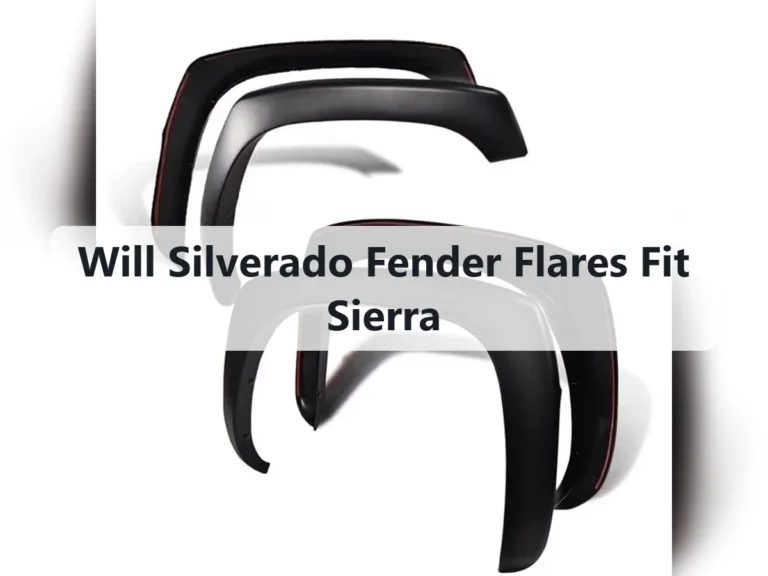
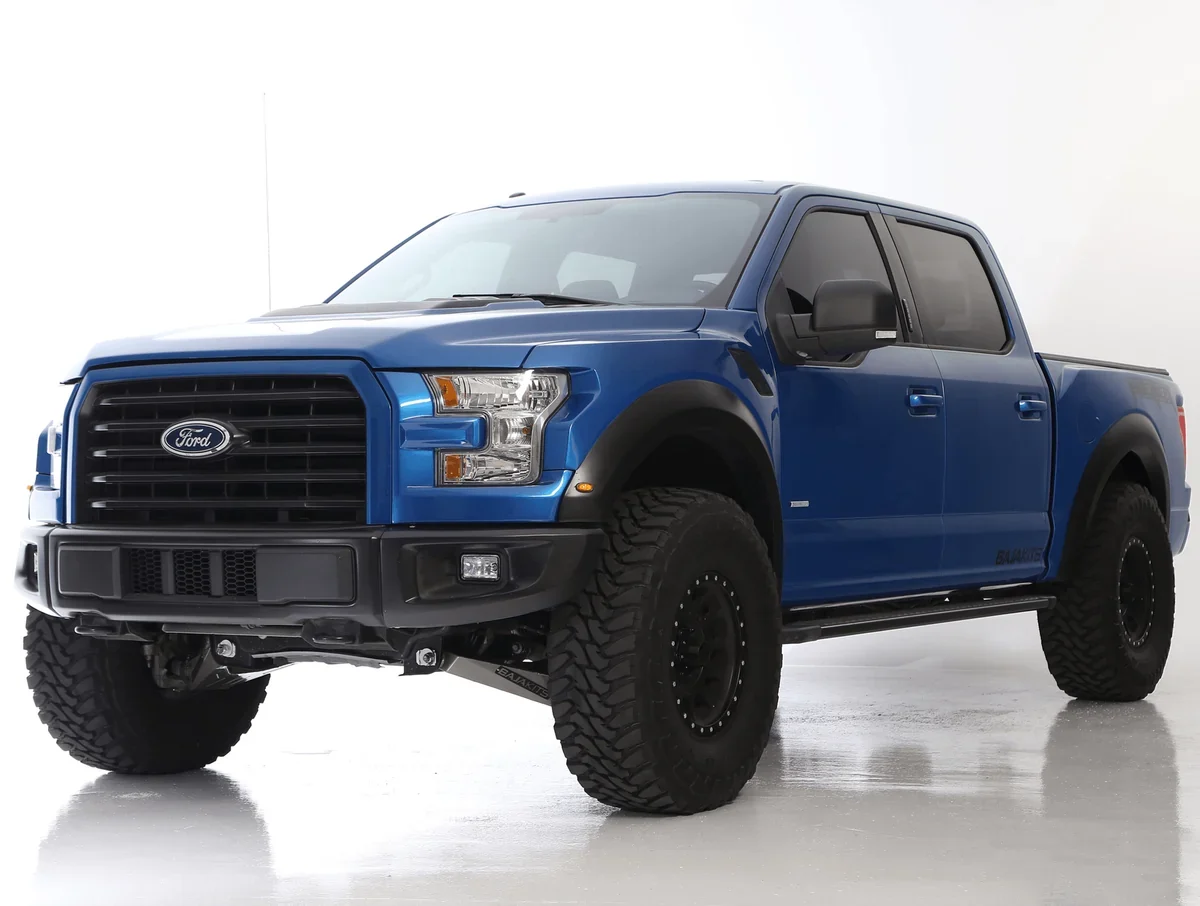
Some aftermarket manufacturers sell Raptor-style fender kits designed for specific F-150 years. These may use bolt-on flares, replacement fiberglass panels, or steel and composite conversion pieces. They can be easier to install than genuine Raptor panels, but “Raptor style” does not necessarily mean the parts are direct replacements for OEM Raptor bodywork.
Factory Raptor fenders are most difficult to adapt when the goal is a clean, fully integrated conversion. A shop may need to modify mounting tabs, trim inner structures, change wheel liners, relocate fasteners, and align the new panel with the hood, doors, bumper, and rocker area. The result can look factory-quality, but the labor is usually far greater than a basic fender replacement.
Why Raptor Fenders Do Not Fit Every F-150 the Same
The F-150 and Raptor may share the basic pickup architecture, but body compatibility is controlled by details such as model year, cab style, bed length, front suspension, and bumper design. Before ordering any panel, identify the exact generation of both the truck and the donor or replacement part.
Generation and body-style differences
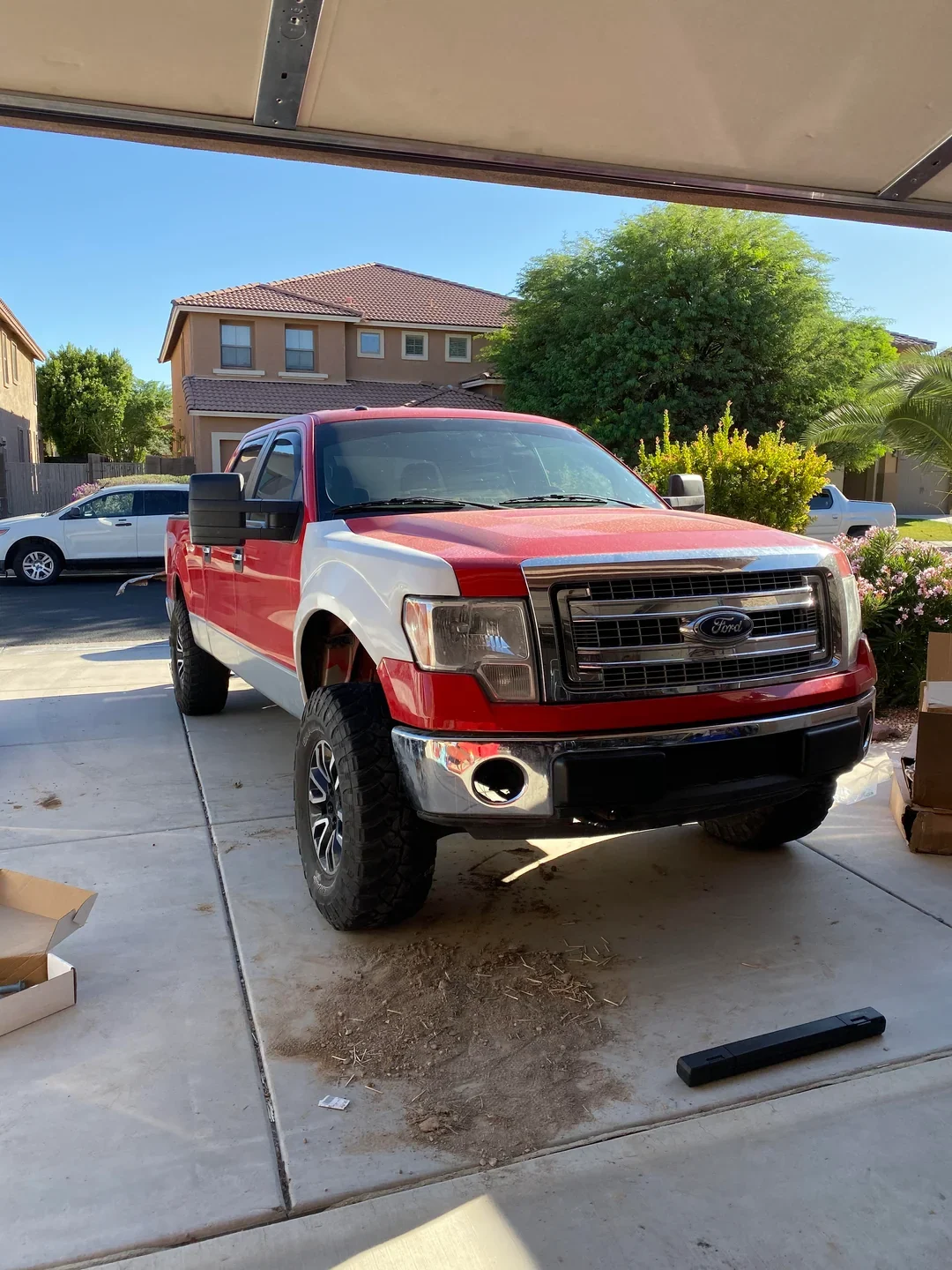
Ford has changed the F-150 and Raptor body shapes several times. A panel from one generation may have different contours, bolt locations, headlight edges, hood lines, and door gaps than a panel from another. Even a part advertised for an “F-150” may only fit a particular year range or cab configuration.
SuperCrew and SuperCab trucks can also differ around the rear body area. Front fender compatibility is usually less affected by cab length, but rear bedside panels, wheel openings, and flare coverage can vary with the bed and cab combination. Always verify the manufacturer’s application chart rather than relying on a similar-looking photograph.
Raptor width and wheel clearance
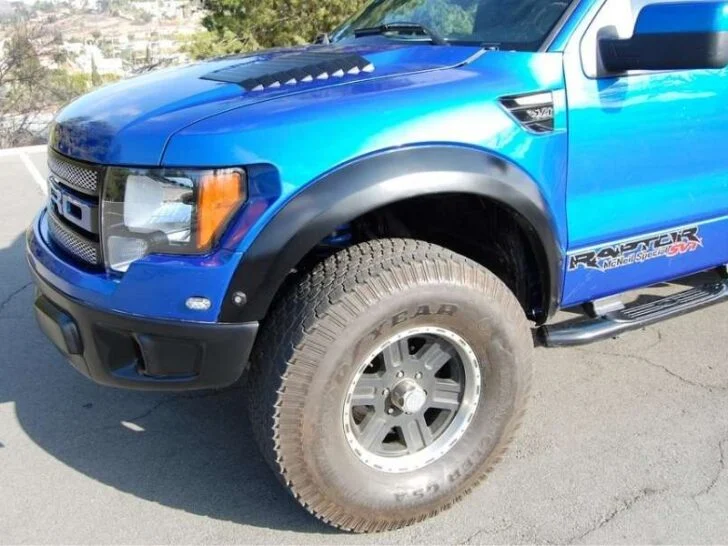
Raptor bodywork is designed to cover a wider stance and provide clearance for the truck’s suspension travel and tires. A wider fender alone does not create that clearance. If the F-150 retains its original suspension and wheel position, the new panel may sit unusually far outward or leave a mismatch between the tire and wheel opening.
Conversely, moving the wheel outward with spacers or low-offset wheels can create tire contact with the fender, liner, bumper, or suspension at full steering lock and compression. Wheel offset, tire size, and suspension travel must be checked together, not treated as separate cosmetic decisions.
Front-end mounting points
The front fender meets several neighboring components, including the hood, headlamp, grille, front bumper, inner fender liner, and lower splash shields. A change in one panel can expose differences in the parts around it. Raptor front-end components may also use different brackets or reinforcement locations than a standard F-150.
This is why a seller’s claim that a panel “fits the F-150” should be read carefully. It may mean the exterior shape can be made to work, not that every factory fastener, liner, and adjacent component will remain unchanged.
What Parts May Be Needed for the Conversion?
A successful conversion begins with a complete parts map rather than a single fender purchase. The exact list depends on whether the project is a narrow cosmetic change or a wider body and suspension conversion, but the surrounding parts often determine the final cost and fit. This distinction matters when answering “can you put raptor fenders on f150”.
Front conversion components
For the front, inspect the fenders, inner liners, mounting brackets, side marker or turn-signal provisions, bumper ends, and any trim that meets the wheel opening. The hood and headlights may remain original in some aftermarket applications, while other kits are designed around Raptor-specific lamps, grille pieces, or bumper assemblies.
Factory Raptor panels may require donor brackets or custom fabrication. Aftermarket fiberglass panels sometimes include their own mounting hardware, but they may need drilling, trimming, reinforcement, and surface preparation before paint. Fiberglass can also require additional care around fastener holes because overtightening may cause cracking.
Rear bedside and flare components
Rear Raptor appearance can be achieved in several ways. A truck may use bolt-on flares over the original bedsides, complete replacement bedside panels, or a fabricated wide-body setup. These approaches are not interchangeable: a flare changes coverage, while a replacement bedside changes the body shape and may require more extensive work.
Check the relationship between the rear wheel opening, fuel-filler area, taillight, bed rail, tailgate, and rear bumper. A bedside that looks correct from the side can still create problems at the tailgate seam or leave the fuel-door area misaligned.
Wheels, tires, and suspension
A wider appearance often leads owners to consider wider wheels, larger tires, or wheel spacers. Those changes can affect steering effort, scrub radius, bearing loads, fender clearance, and the truck’s behavior over bumps. Spacers also add another clamped interface that must be correctly matched and torqued.
Do not assume that copying a Raptor tire size makes a standard F-150 mechanically equivalent. The Raptor’s suspension geometry, dampers, control arms, track width, and body clearance may differ. A standard F-150 may need suspension and steering changes before it can safely use the same wheel-and-tire position.
OEM Raptor Panels Versus Aftermarket Raptor-Style Parts
Choosing between original Raptor body panels and aftermarket parts affects fit, labor, appearance, and repairability. Neither option is automatically best; the correct choice depends on the intended finish and how much fabrication the project can reasonably support.
Using genuine Raptor fenders
OEM panels generally offer better stamped shape, corrosion protection, and compatibility with the vehicle for which they were designed. However, genuine Raptor fenders are not guaranteed to align with a non-Raptor F-150. Donor panels may still need brackets, liner changes, bumper adaptation, and bodywork.
OEM parts can also be expensive, especially when the project requires several related pieces. A body shop should confirm the mounting strategy before paint is ordered. Test-fitting expensive panels first can prevent paying to finish parts that later require cutting or substantial reshaping.
Using aftermarket conversion panels
Aftermarket kits are often designed specifically for standard F-150 applications and may solve some compatibility issues through dedicated brackets or altered contours. They are available in materials such as fiberglass, carbon-fiber-reinforced composite, and various plastics, with quality varying substantially between manufacturers.
Fitment may still require trimming and alignment work. Panel edges, bolt holes, surface waviness, and the quality of included hardware should be inspected before installation. A kit that arrives with poor initial fit can consume more labor than a higher-priced kit with better tooling.
Keep these limitations in mind when considering “can you put raptor fenders on f150”.
Using bolt-on fender flares
Fender flares are the least invasive route when the objective is extra coverage or a more aggressive appearance rather than a true Raptor body conversion. They can cover a modest amount of wheel protrusion and usually preserve the original fender underneath.
Flares do not replicate the full Raptor fender structure or necessarily provide additional inner clearance. They also require careful sealing and fastener placement to reduce water, dirt, and corrosion problems. Drilling the original fender creates permanent mounting holes, so the truck should be measured and test-fitted first.
Common Problems During Installation
Most failed conversions are not caused by the outer panel alone. They result from overlooking the parts behind it or from assuming that visual similarity means structural compatibility.
- Uneven body gaps: The hood, door, headlight, or bumper may not meet the replacement panel cleanly.
- Tire rubbing: Contact may occur during steering, suspension compression, or off-road articulation rather than while parked.
- Loose or unsupported panels: Missing brackets can allow vibration, cracking, or movement at highway speed.
- Exposed inner components: A wider opening may leave wiring, liners, washer components, or body structure vulnerable to water and debris.
- Paint and finish mismatch: Composite panels may need blocking, primer, and repeated test-fitting before they are ready for paint.
- Lighting conflicts: Marker lamps, headlamps, and wiring connectors may not align with the new panel.
A professional installer should cycle the steering from lock to lock and compress the suspension to check clearance. The truck should also be inspected from underneath, because a panel that looks acceptable at ride height may contact the liner or tire when the suspension moves.
How to Plan a Safe and Clean Installation
Start by recording the truck’s year, trim, cab, bed length, drivetrain, wheel size, tire dimensions, and suspension modifications. Photograph the current gaps and measure wheel-to-fender clearance before ordering parts; those measurements provide a useful baseline if the truck’s stance changes.
- Confirm the exact application range for the fenders or kit.
- Obtain an installation guide and identify every required bracket, liner, fastener, and trim piece.
- Test-fit all panels before cutting, drilling, sanding, or painting.
- Check hood, door, headlamp, bumper, wheel, tire, and suspension clearance.
- Protect exposed edges and seal drilled mounting holes against moisture.
- Complete alignment and clearance checks again after tightening all hardware.
If the project involves cutting structural sheet metal, altering suspension geometry, or moving safety-related components, use a collision repair or custom fabrication shop with experience in body conversions. A general cosmetic installer may not be equipped to evaluate steering clearance, load paths, or proper panel reinforcement.
After installation, inspect the fasteners after the first few drives and look for rubbing marks, paint movement, cracks, or new panel gaps. Any sign of tire contact should be treated as a mechanical problem, not merely an appearance issue.
Can You Put Raptor Fenders on F150 With Stock Suspension?
Sometimes, especially when using flares or a kit designed around the stock F-150 track width. Genuine wider panels may look disproportionate or fail to provide the intended coverage if the wheel and tire remain in the original position.
The stock suspension can also limit the benefit of wider bodywork. If the goal is off-road clearance, the project must account for bump travel, steering angle, control-arm position, and the actual tire envelope. Body panels cannot compensate for suspension parts that contact the tire.
Frequently Asked Questions
Are Raptor fenders a direct bolt-on for an F-150?
Usually not. Some aftermarket kits are designed for bolt-on installation, but genuine Raptor panels often need brackets, liner changes, trimming, or related front-end parts to fit a standard F-150 correctly.
Will Raptor front fenders fit any F-150 year?
No. Fitment depends on the truck and Raptor generation, body style, hood and headlight design, bumper arrangement, and the specific panel manufacturer’s application range.
Do Raptor fenders make an F-150 wider?
The panels can make the body appear wider, but they do not automatically widen the suspension or wheel track. The wheel position, tire clearance, and suspension geometry remain separate issues.
Can I use Raptor fender flares instead of replacement fenders?
Yes, if the flares provide enough coverage for the wheel and tire setup. They are generally less invasive than full replacement panels, but they may require drilling and will not create the same inner clearance as a complete wide-body conversion.
Does a Raptor front bumper need to be installed
Not in every aftermarket setup. Some conversion panels are shaped to work with the original F-150 bumper, while OEM-style Raptor panels may align more naturally with Raptor-specific bumper ends and brackets.
Will installing wider fenders stop tire rubbing?
Not necessarily. Rubbing can occur against the inner liner, suspension, bumper, or frame, and a wider outer panel only addresses contact at the outer body edge.
Is professional installation necessary?
Professional installation is strongly advisable for full-panel conversions. A qualified body or fabrication shop can verify structural mounting, panel alignment, steering clearance, sealing, and paint preparation before the truck is driven regularly.
Conclusion: Is a Raptor Fender Conversion Worth It?
Can you put raptor fenders on f150? Yes, but the project is best treated as a model-specific body conversion rather than a one-part upgrade. The safest path is to confirm generation-specific fitment, map the required brackets and liners, test-fit every panel, and verify tire and suspension clearance before painting.
For a wider look with limited modification, a quality F-150-specific flare kit may be the practical choice. For a factory-style result, budget for supporting body parts and professional alignment work, and do not drive the truck until all panels are secure and clear through the full range of steering and suspension movement.