Are Bug Deflectors Out of Style: Clear Answers and Key Facts
Not necessarily. Bug deflectors are less fashionable than they were during the peak of rugged truck styling, but they remain practical for some drivers and vehicles.
Timing matters because a deflector can make the most sense before a long highway trip, a seasonal insect surge, or the installation of a new hood or grille. Before buying one, consider what it can actually protect, how it changes the vehicle’s appearance, and whether the design suits your truck or SUV better than newer paint-protection options.
This guide explains why opinions about are bug deflectors out of style have shifted, which benefits still hold up, and where the accessory has real limitations. You will learn how appearance, vehicle fit, driving conditions, installation quality, cleaning, and safety affect the decision, so you can determine whether a low-profile deflector is useful protection or simply unnecessary trim.
Why Are Bug Deflectors Out of Style
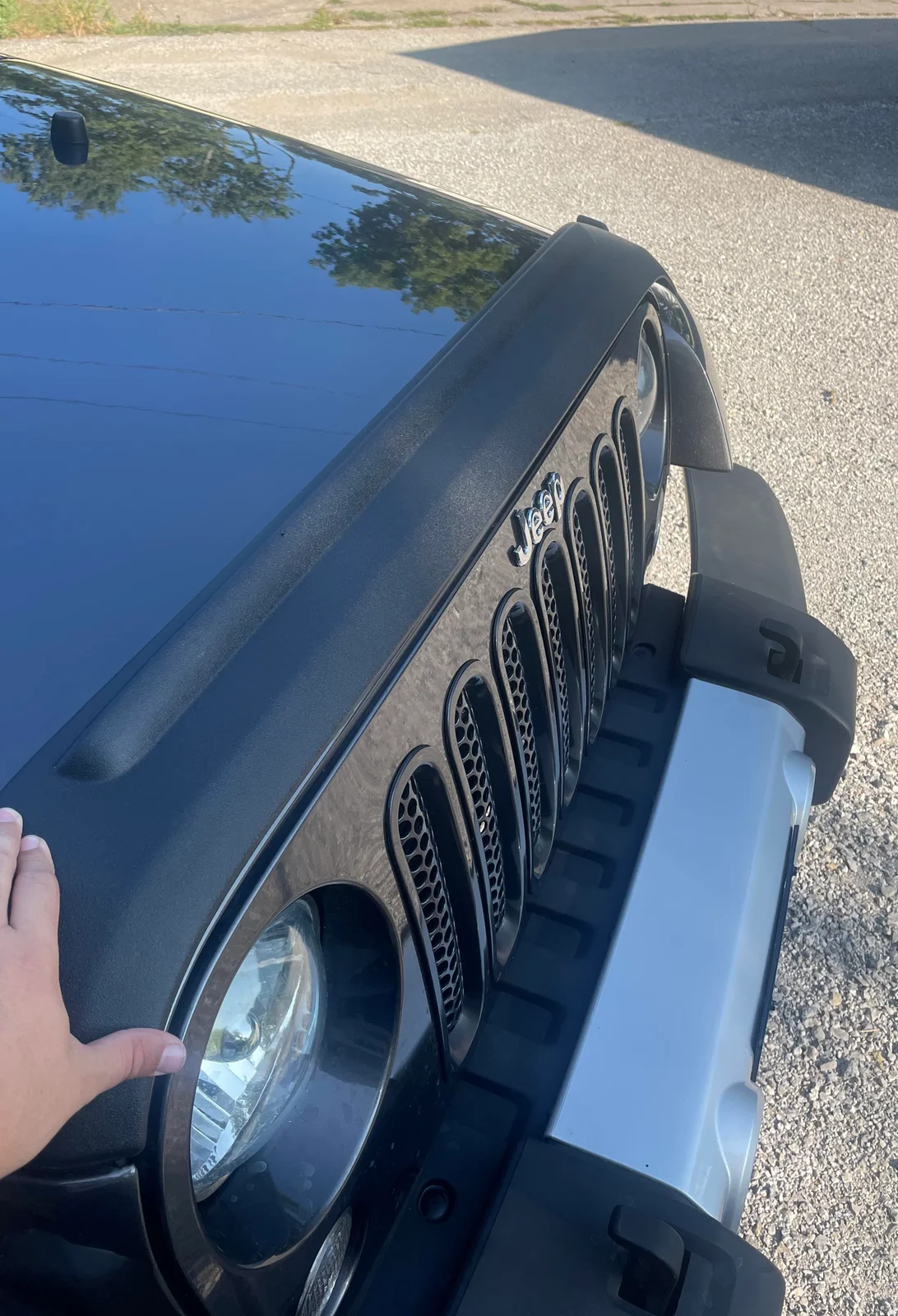
Bug deflectors, also called hood deflectors, bug shields, or bonnet protectors, were once a common visual feature on pickups and sport utility vehicles. Their dark acrylic or molded plastic shape suggested off-road use and gave the front end a more rugged, accessorized appearance.
That look has become less dominant as vehicle styling has moved toward clean body lines, large grilles, flush sensors, and factory-integrated trim. Many newer trucks and SUVs already have carefully designed hoods, active grille shutters, parking sensors, cameras, and aerodynamic surfaces that owners do not want to cover.
Some drivers also associate older deflectors with bulky shapes, faded plastic, cracked mounting brackets, or poorly fitted universal accessories. A worn or oversized shield can make a newer vehicle look dated even when the underlying idea remains functional.
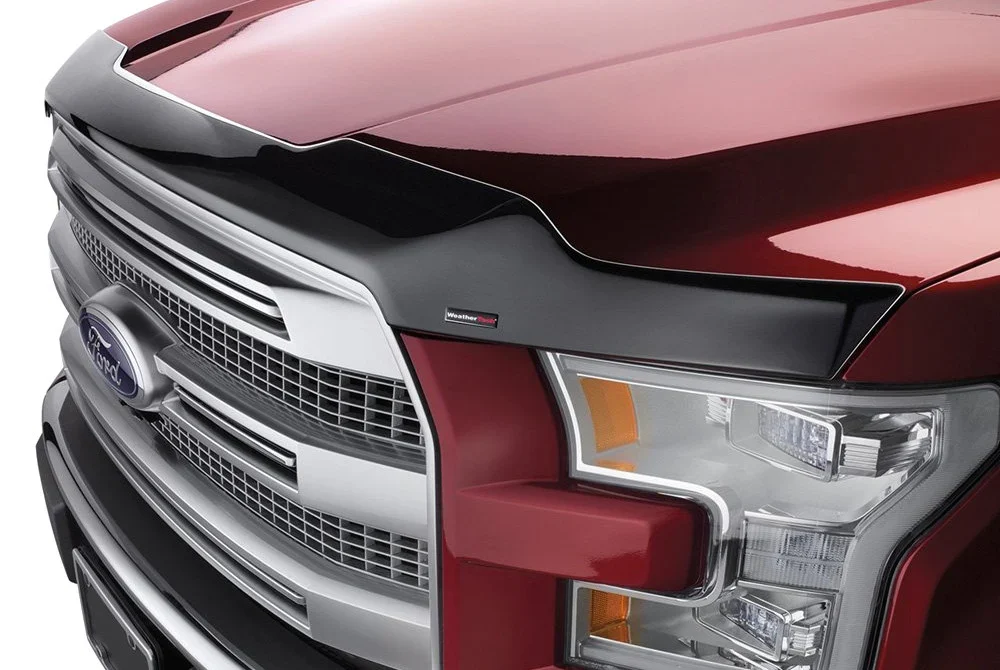
However, “out of style” is a matter of design preference rather than a technical verdict. A slim, vehicle-specific model in a smoke, matte, or lightly tinted finish may blend into the hood more effectively than a thick accessory with exposed hardware.
Modern styling changes the visual calculation
Contemporary trucks often rely on strong horizontal lines and sculpted hood edges. A deflector that sits too high, extends too far across the hood, or sharply contrasts with the paint can interrupt those lines.
On the other hand, a properly matched model can look intentional. Black trim may complement a black grille, mirror caps, running boards, roof rails, or factory all-terrain styling. The best appearance usually comes from a vehicle-specific fit, restrained profile, and finish that matches existing exterior details.
Personalization has not disappeared
Vehicle accessories go through style cycles, but owners still customize trucks for work, travel, recreation, and personal taste. A bug shield may look perfectly appropriate on a lifted pickup, overland-style SUV, or older vehicle with a traditional hood profile.
The practical question is not whether every new vehicle should have one. It is whether the accessory fits the vehicle’s design and solves a problem that matters in the driver’s normal conditions.
What Does a Bug Deflector Actually Do?
A bug deflector changes airflow near the front edge of the hood. Its raised shape can redirect some air, insects, and light road debris upward or away from the hood’s leading edge and windshield area.
The main benefit is surface protection, not complete paint preservation. A deflector may reduce the number of insect marks or small impact spots in a particular zone, but it cannot shield the entire hood, fenders, mirrors, roof, or windshield.
The exact result depends on the vehicle’s aerodynamics, the deflector’s shape, driving speed, weather, and the type of material striking the front end. A shield that works well on one truck may provide less noticeable benefit on another.
Potential benefits
- May reduce bug residue on the front portion of the hood.
- Can help limit some minor chips from small airborne debris in the deflected area.
- May reduce cleaning effort after insect-heavy highway travel.
- Can add a personalized appearance or complement other exterior trim.
- Usually requires less installation time than a full paint-protection film treatment.
These benefits are most relevant to drivers who frequently use interstates, rural roads, wooded routes, or warm-weather travel corridors. They are less compelling for a vehicle used mainly for short city trips, where exposure time and speed are lower.
Important limitations
A bug deflector cannot stop damage from large stones, gravel thrown by another vehicle, road salt, severe weather, or contact with branches. It also does not replace regular washing because insects and dirt can collect behind or beneath the accessory.
Airflow is not guaranteed to carry debris completely over the vehicle. Some particles may still land on the hood or windshield, and the deflected material can sometimes move toward areas that were not previously exposed.
For drivers comparing protection products, paint-protection film generally covers more vulnerable painted surfaces, while a deflector is a visible, localized accessory. A ceramic coating can make cleaning easier, but it is not a physical barrier against chips. Each option addresses a different type of concern.
Are Bug Deflectors Out of Style on New Trucks
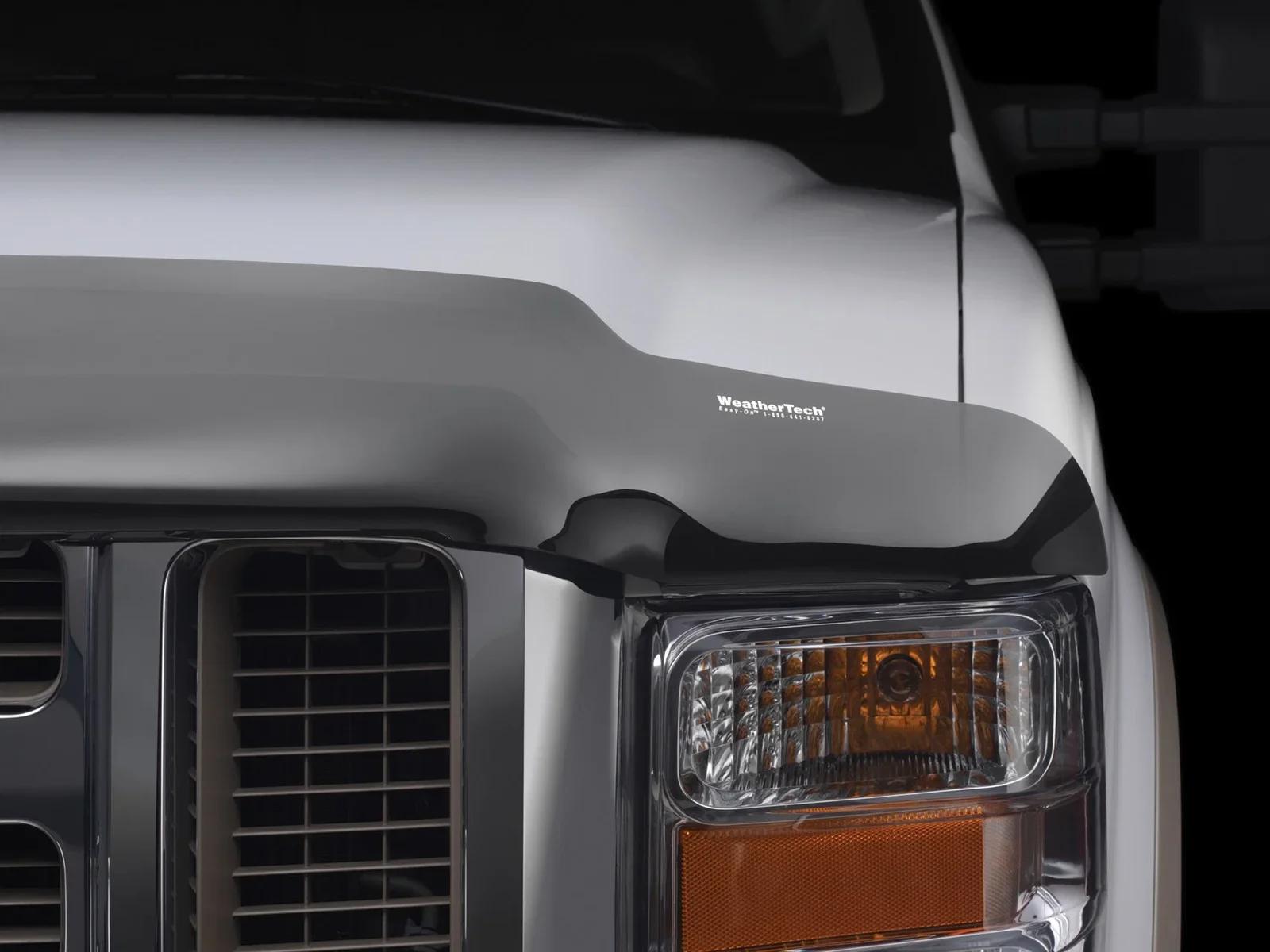
On newer vehicles, the answer depends heavily on proportion, placement, and compatibility. A low-profile hood protector can look current, while a bulky wraparound design may clash with a vehicle’s factory styling. This distinction matters when answering “are bug deflectors out of style”.
Many owners now prefer minimal accessories that preserve the original appearance. This has increased interest in low-profile bug deflectors, clear protection films, and darker finishes that visually recede instead of becoming the first feature noticed on the hood.
Features that look more current
- A model designed specifically for the vehicle’s year, trim, and hood shape.
- A narrow profile that follows the hood edge without covering excessive paint.
- Hidden or less noticeable mounting hardware.
- Rounded edges rather than a sharply angular or oversized shape.
- A finish that complements existing black, chrome, or body-color trim.
Fit is especially important on vehicles with hood creases, washer nozzles, front cameras, radar systems, or active aerodynamic components. The accessory should not block sensors, interfere with the hood latch, contact the paint, or restrict normal hood movement.
When the look may feel dated
A deflector can appear dated when it is faded, scratched, cracked, loose, or visibly generic. A model that leaves gaps along the hood, vibrates at speed, or uses bright exposed fasteners can also undermine an otherwise modern exterior.
Age alone is not the issue. Condition and design are more important. Replacing a damaged shield with a better-fitting version may refresh the appearance, while removing it entirely may be the cleaner choice for a minimalist build.
How to Decide Whether You Should Install One
The most useful decision starts with driving conditions rather than trends. Think about how many highway miles the vehicle covers, where it is driven, how often the front end is cleaned, and whether small chips or insect residue are a recurring annoyance.
If the vehicle regularly travels at high speed through areas with heavy insect activity, a hood deflector may provide worthwhile convenience. If the main goal is comprehensive paint protection, another product may be more suitable.
Choose a deflector when these conditions apply
- You drive frequently on highways or rural roads.
- Insects and light debris create repeated cleaning problems.
- You like the accessory’s appearance on the specific vehicle.
- You want a removable, visible protection layer at a moderate cost.
- The manufacturer or installer confirms compatibility with the hood and sensors.
Consider another solution when these conditions apply
- You want protection across the full hood and front bumper.
- You prefer an original, uncluttered exterior appearance.
- The vehicle has complex cameras, radar, or active grille equipment.
- You rarely drive far enough or fast enough to benefit from airflow changes.
- The available models are poorly reviewed, universal, or dependent on questionable mounting points.
Clear paint-protection film is often the stronger choice for owners focused on preserving a new vehicle’s finish without changing its appearance. It can cover selected high-impact areas, although professional installation, cost, edge visibility, and maintenance should be considered.
Regular washing and prompt removal of insects remain important with either approach. Insect residue can become more difficult to remove after heat and sunlight bake it onto paint or plastic.
Check fit and installation carefully
Read the installation instructions before purchasing and confirm the exact vehicle year and trim. Different grille designs, hood contours, headlamp shapes, and factory options can make two seemingly similar models incompatible.
Mounting points should be clean and secure, with any required protective pads placed correctly. Hardware that is overtightened can stress plastic, while loose hardware may allow vibration, noise, or rubbing against the paint.
After installation, open and close the hood slowly and inspect the gaps. Check that the latch engages normally, the windshield washer system is unobstructed, and no edge or bracket touches painted surfaces during vibration or temperature changes.
Maintenance prevents many problems
Clean the deflector and the covered hood area regularly. Dirt trapped between the accessory and the paint can act like an abrasive, especially when the vehicle moves or the shield flexes.
Use cleaning products suitable for the material and avoid aggressive scrubbing that can haze acrylic or mark a glossy finish. Inspect the mounting points after long trips and replace a shield that is cracked, sharply chipped, or no longer secure.
Are Bug Deflectors Out of Style? Frequently Asked Questions
Are bug deflectors out of style on pickup trucks?
No, but their appearance has become more selective. Slim, well-fitted models remain common on work trucks, travel vehicles, and pickups with rugged styling. Oversized or damaged versions are more likely to look dated.
Do bug deflectors protect the entire hood?
No, they protect only a limited area. Airflow may redirect some insects and light debris away from the leading edge, but the rest of the hood, fenders, bumper, and mirrors remain exposed.
Can a bug deflector damage the paint?
It can if dirt, moisture, or movement develops between the shield and the hood. Correct fit, clean mounting surfaces, protective pads, and periodic inspection reduce that risk, but no add-on accessory is completely maintenance-free.
Do bug deflectors affect fuel economy?
Any exterior accessory can slightly alter airflow, but the real-world effect is generally vehicle- and design-dependent. A deflector should not be purchased with an expectation of improved fuel economy, and aerodynamic claims should be treated cautiously unless supported by vehicle-specific testing.
Are bug deflectors compatible with vehicles that have front cameras
Compatibility must be verified for the exact vehicle and accessory. A hood-mounted shield may not block a front camera, but it can still interfere with hood movement, washer spray, radar-related components, or other equipment if poorly designed or installed.
Is paint-protection film better than a bug deflector?
It depends on the protection area and appearance you want. Film is usually better for discreet, broader paint coverage, while a deflector is easier to see, may cost less, and can help with localized insect and light-debris exposure.
Should an old or faded bug shield be replaced?
Replace it when it is cracked, loose, hazy, or rubbing the paint. If the vehicle no longer suits the accessory’s appearance, removing it may be preferable to installing another one.
Final Takeaway on Bug Deflector Style
Are bug deflectors out of style? They are less universally fashionable than they once were, but a clean, low-profile, vehicle-specific model can still look appropriate and provide limited help with insects and light road debris.
The major limitation is coverage: a deflector cannot prevent all chips or replace full paint protection, and poor fit or neglected cleaning can create new problems. Compare the accessory with paint-protection film, confirm sensor and hood compatibility, and choose the option that matches both your driving conditions and the look you want.