
Do Wheel Well Liners Cause Rust: What Happens and How to Respond
Wheel well liners do not automatically cause rust. When properly fitted and maintained, they usually protect painted metal from water, road salt, gravel, and mud; corrosion becomes more likely when a liner traps moisture, hides existing damage, or rubs through the coating. This guide examines “do wheel well liners cause rust” and explains the details that matter in practice.
The cause-and-effect chain is straightforward: a loose or poorly drained liner can hold damp debris against a panel, prolonged dampness weakens the protective finish, and exposed steel may then oxidize. However, the eventual outcome depends on the liner’s material and fit, the vehicle’s drainage design, climate, road-salt exposure, washing habits, and whether rust was already present before installation.
This article explains how wheel well liners interact with moisture, where problems commonly develop, which warning signs deserve attention, and how to inspect or clean the area safely. You will be able to distinguish normal dirt buildup from a genuine corrosion risk, decide whether a liner should be repaired or removed, and know when damage calls for professional bodywork rather than another protective coating.
How wheel well liners can contribute to rust
Wheel well liners, also called splash shields or inner fender liners, sit between the tire and the vehicle body. Their main job is protective: they reduce direct impact from water, grit, salt, and stones, especially around the inner fender, suspension mounting points, wiring, and lower body seams.
The liner itself normally does not create corrosion. The risk comes from the conditions around it, particularly trapped moisture, restricted drainage, damaged paint, and contact between the liner and the metal body.
Moisture and debris retention
A liner can collect mud, leaves, sand, and winter salt behind or beneath its edges. If that material remains wet, it acts like a sponge against the body panel and keeps the surface damp far longer than rain or road spray would on an exposed, clean panel.
Salt makes the situation more aggressive because it helps water conduct electricity across the metal surface. This speeds up the electrochemical reactions that turn exposed steel into iron oxide, commonly recognized as red-brown rust.
Rubbing and damaged coatings
A properly secured liner should remain separated from painted metal or contact it only where the design allows. Missing clips, broken fasteners, an aftermarket liner with the wrong shape, or a bent inner fender can let the plastic shift and rub against the paint.
Repeated movement may create paint wear or expose the seam sealer beneath the coating. Once bare metal is visible, moisture and salt can begin corrosion even if the surrounding panel looks clean.
Blocked drainage
Wheel wells are designed to shed water, but a liner can obstruct a drain opening when it is installed incorrectly or packed with debris. Water may then pool along a lower seam, behind a flange, or near a fastener hole.
Drainage problems are particularly concerning after heavy rain, underbody washing, or driving through deep puddles. A liner that deflects water is helpful; one that creates a pocket where water cannot escape is a liability.
Do wheel well liners cause rust in every vehicle?
No. The answer depends less on the existence of a liner than on its condition, fit, and environment. Factory-installed liners are generally designed around the vehicle’s body shape and drainage paths, but even original equipment can become a problem after collision damage, aging, or years of accumulated debris.
When asking “do wheel well liners cause rust,” it is important to separate corrosion caused by the liner’s conditions from rust that began elsewhere. Wheel arches are exposed to severe contamination, and rust may start at a chipped edge, a seam, a drain hole, a damaged pinch weld, or a panel that was poorly repaired after an accident.
Factory liners versus aftermarket liners
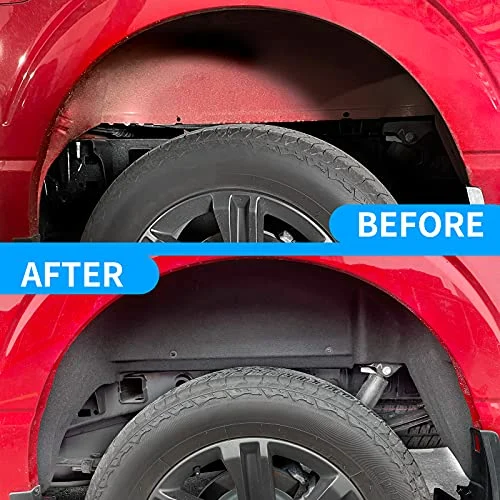
Factory liners typically have mounting points, contours, and openings matched to the specific vehicle. They may still allow some dirt behind them, but their shape is usually intended to protect components while preserving airflow and drainage.
Aftermarket splash guards and replacement liners vary considerably. A well-designed replacement can perform as well as the original, while a rigid or oversized piece may press against the body, cover drain holes, or leave gaps that direct dirty water into a seam.
Fit matters more than appearance. A liner that looks securely installed from the outside may be missing an upper clip or have a distorted edge where water can enter and remain trapped.
Climate and road conditions
Vehicles driven in areas that use road salt face a higher corrosion burden than vehicles operated in dry climates. Salt residue can remain behind a liner after the visible road grime has been washed away, and repeated freeze-thaw cycles can keep seams damp.
Coastal air, frequent rain, muddy roads, and unpaved driving also increase exposure. These conditions do not guarantee rust, but they make regular inspection and cleaning more valuable.
Vehicle age and previous repairs
Older vehicles may have weakened seam sealer, deteriorated fasteners, and paint that has already lost flexibility. A prior fender repair can also leave an imperfectly shaped panel or a liner that no longer matches the original mounting points.
Rust that appears near a liner is not proof that the liner caused it. The liner may simply conceal the early stage of corrosion, allowing it to go unnoticed until bubbling paint or flaking metal becomes visible.
Warning signs behind a wheel well liner
Inspection is the best way to determine whether a liner is protecting the vehicle or creating a damp hiding place. Look at both the liner and the metal around it, because a clean outer surface does not rule out contamination on the hidden side. This distinction matters when answering “do wheel well liners cause rust”.
Begin with the vehicle parked on a level surface, the engine off, and the wheels turned outward where that provides better visibility. Never place any part of your body under a vehicle supported only by a jack; use properly rated jack stands if lifting is necessary.
Visual and physical clues
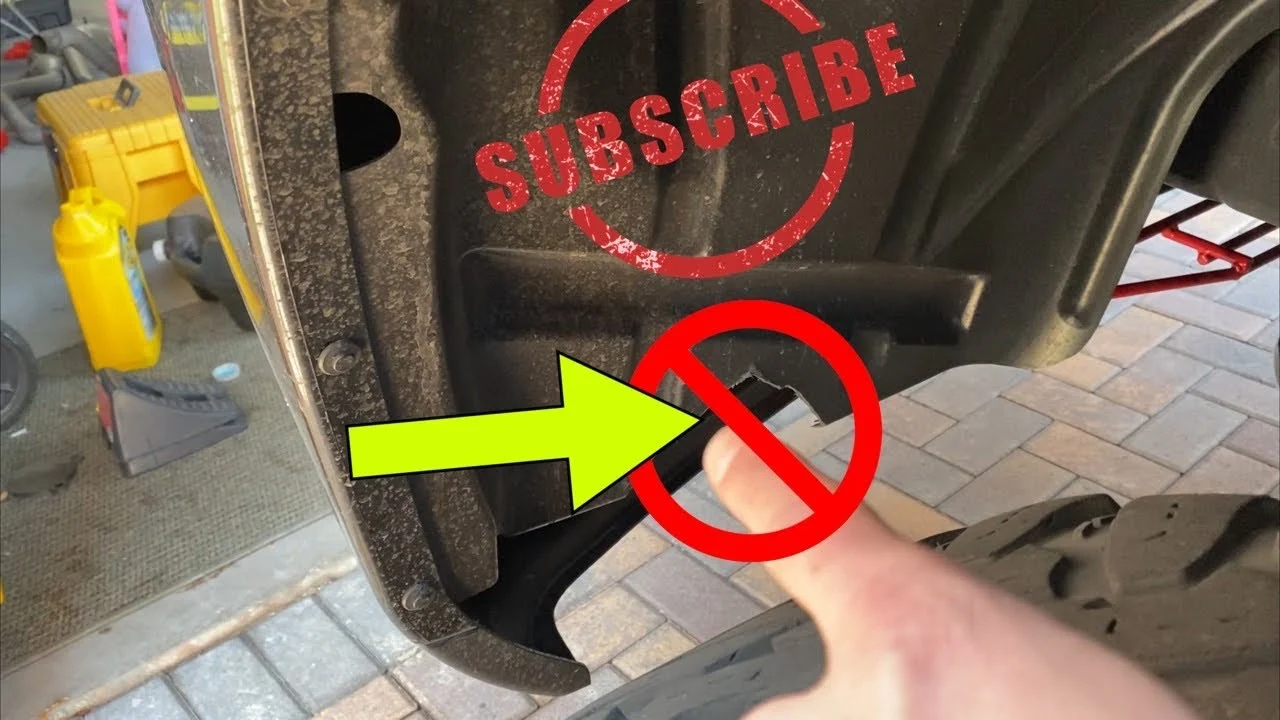
- Loose or missing fasteners: A liner that moves noticeably by hand may be rubbing against the body or allowing water into an unintended area.
- Standing water: Water that remains after the wheel well has otherwise dried suggests a blocked drain or an overly enclosed pocket.
- Mud packed into seams: Thick, damp deposits along a flange or behind a lip deserve cleaning and closer inspection.
- Paint bubbling: Raised paint often indicates corrosion beneath the coating, although a body filler or poor repair can produce similar swelling.
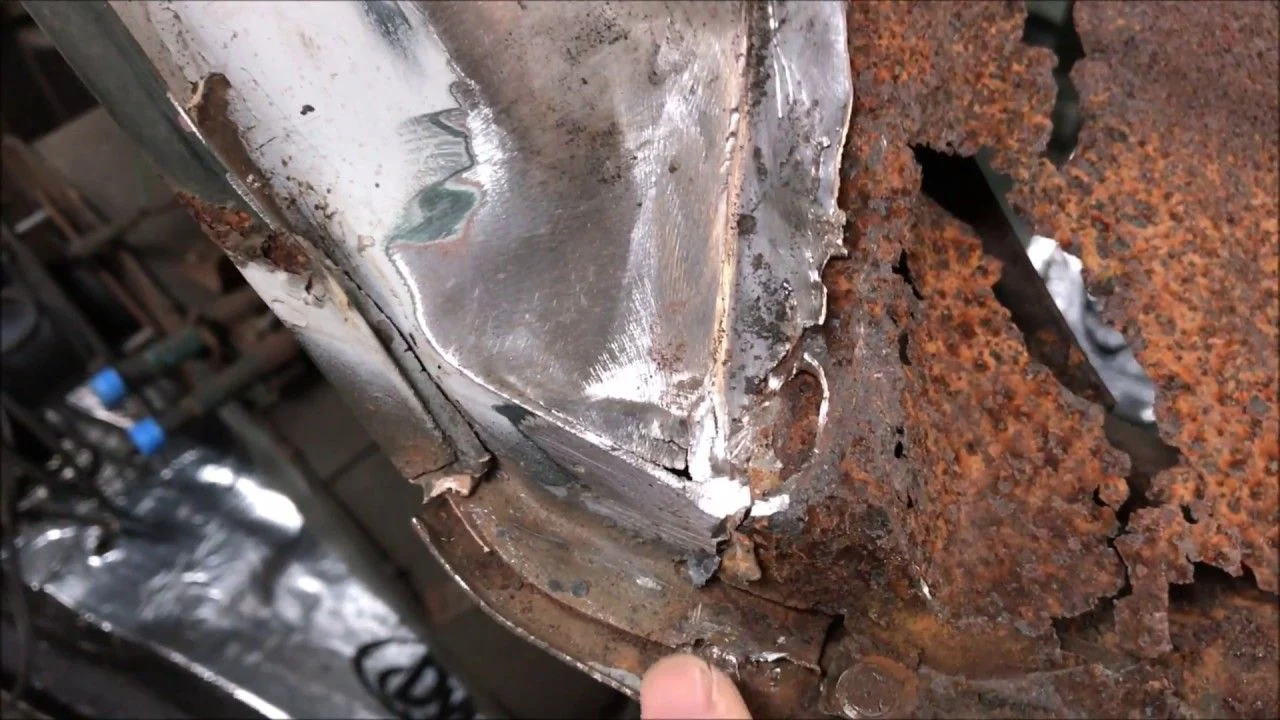
- Flaking or soft metal: Scales, holes, or a panel that feels weak should be treated as structural or bodywork concerns rather than surface dirt.
- Rub marks: Shiny plastic wear or a bare line on painted metal can show that the liner is moving while the vehicle is driven.
Where rust commonly starts
Pay close attention to the wheel arch lip, lower fender corners, rocker-panel ends, suspension attachment areas, and seams where two panels overlap. Fastener holes and clips can also become entry points when their surrounding coating is damaged.
Inspect behind the liner’s front and rear edges, not only the exposed portion near the tire. A flashlight and small inspection mirror can help, but avoid scraping aggressively because loose paint may be covering thin metal.
How to inspect without creating damage
Remove only the fasteners intended for service, and keep track of their positions. Some clips are single-use or become brittle with age; forcing them can enlarge a mounting hole or damage the liner.
Do not drill new holes or seal every opening with adhesive. Wheel wells need planned drainage, and blocking a factory drain can redirect water into the body. If the liner is distorted after a collision, compare its position with the opposite side and have the mounting area assessed.
How to prevent corrosion around wheel well liners
Prevention is mostly a matter of keeping contaminants moving out and preserving the coating beneath the liner. Cleaning alone is not a cure for active rust, but it can reduce the damp, salty buildup that allows a small coating failure to spread.
Use a gentle stream of water to flush the wheel well, especially after driving on salted roads. Avoid forcing a high-pressure nozzle directly into seams, electrical connectors, wheel bearings, or damaged paint, since excessive pressure can push grit and water deeper into gaps.
Cleaning and drying routine
- Let hot brakes and other components cool before washing the area.
- Rinse loose dirt from the tire, liner, and surrounding bodywork.
- Flush behind accessible liner edges without prying them away forcefully.
- Remove leaves and packed mud by hand or with a soft brush.
- Confirm that visible drain openings are not blocked by debris.
- Allow the area to dry, then inspect clips, seams, and paint for damage.
In a salt-using region, cleaning the underside and wheel wells soon after winter exposure is especially useful. A touch-free rinse may remove surface salt, while a careful hand wash can reach deposits that remain behind the liner.
Fasteners, liners, and protective coatings
Replace missing clips with the correct type rather than using loose wire, oversized screws, or improvised hardware that can puncture the panel. The liner should sit in its designed position without tension, sharp edges, or contact with a moving tire.
Do not apply rubberized undercoating over wet dirt or active rust. Such products can hide corrosion and trap moisture. Surface rust may require cleaning, drying, corrosion treatment, primer, and compatible paint, while perforation or structural rust requires a more complete repair.
When removal is appropriate
Temporary removal can make sense when a liner is packed with debris, badly cracked, incorrectly fitted, or preventing inspection. It should not be left off permanently without considering the protection it provides against stone impact and road spray.
After cleaning or repair, reinstall the liner with all necessary fasteners and verify tire clearance at full steering lock. A tire rubbing the liner can damage both the liner and the tire, creating a separate safety issue.
When professional rust repair is needed
Professional evaluation is appropriate when rust has spread beyond a small surface spot, when metal is flaking or perforated, or when corrosion appears near suspension, steering, brake, seat-belt, or subframe mounting points. These areas may affect vehicle safety and cannot be judged reliably from the outside alone.
A body repair technician may need to remove the liner, clean the area, measure the remaining metal, and determine whether the panel can be repaired or must be replaced. Covering the area with paint or sealant without removing scale usually provides only a temporary cosmetic improvement.
Seek prompt help if the wheel well has a hole, the liner contacts the tire, a panel feels soft, or rust is spreading along a structural seam. If the vehicle has been in a collision, an inspection should also confirm that the inner fender and mounting points remain correctly aligned.
FAQ: Do wheel well liners cause rust?
Can water get trapped behind a wheel well liner?
Yes, water can become trapped if debris, a distorted liner, or an incorrect installation blocks drainage. A properly fitted liner should help direct water away from the body, but packed mud and salt can create damp pockets behind its edges.
Should I remove a wheel well liner if I see
Remove it only as far as needed for a safe inspection or cleaning. Do not discard a functional liner automatically, because it protects the body from road spray and stones. If the liner is rubbing, cracked, or incorrectly shaped, replace or refit it after the rust is assessed.
Does a plastic wheel well liner prevent rust?
Plastic can reduce exposure but cannot guarantee rust prevention. It shields the panel from impact and direct spray, while corrosion can still develop through damaged paint, trapped salt, blocked drains, or rust that began before the liner was installed.
How often should wheel well liners be inspected?
Inspect them at least during routine seasonal maintenance and after underbody damage. Drivers in snowy, salty, muddy, or coastal conditions should check more often, especially after winter and before applying any underbody coating.
Is surface rust behind a liner serious?
Surface rust may be limited, but it should not be ignored. If the corrosion is removed while the metal remains sound, repair may be straightforward. Bubbling paint, deep scaling, holes, or rust along a structural mounting area requires professional evaluation.
Do wheel well liners cause rust on older vehicles more
Older vehicles often have more risk because coatings, seals, clips, and previous repairs may have deteriorated. The liner may reveal or conceal that existing weakness rather than being the original cause, so the surrounding panel and drainage path need inspection.
Conclusion: protect the wheel well without trapping moisture
So, do wheel well liners cause rust? They can contribute when they trap salty debris, block drainage, rub through paint, or conceal damage, but a correctly fitted and maintained liner is normally a corrosion-control feature. The major limitation is that rust near a liner may have started from a chip, seam, collision repair, or age-related coating failure.
Flush the wheel well, check the fasteners and drains, look for rubbing or bubbling paint, and avoid sealing over damp or flaky metal. If corrosion reaches structural mounts, creates holes, or leaves the liner touching the tire, arrange a professional inspection before continuing to drive normally.


