Do Rain Guards Reduce Wind Noise: What Happens and How to Respond
Do rain guards reduce wind noise? Usually, no. Properly fitted rain guards can make driving with the windows slightly open more comfortable, but they are not designed to quiet wind around a closed window, and a poor fit can create more noise.
The practical distinction is whether the sound appears only with a window cracked open or continues with every window fully closed. A mild rush of air in the first situation is often normal; a sudden whistle, flutter, or sharp hiss after installation points more strongly to a gap, loose adhesive, incorrect positioning, or a seal that has been disturbed.
This article explains how window deflectors change airflow, why some vehicles become louder, and which checks can separate normal turbulence from an installation problem. You will learn what to inspect around the window seal, how speed and weather affect the sound, when removing or repositioning a guard makes sense, and when the real source may be the door weatherstripping rather than the accessory.
Do rain guards reduce wind noise?
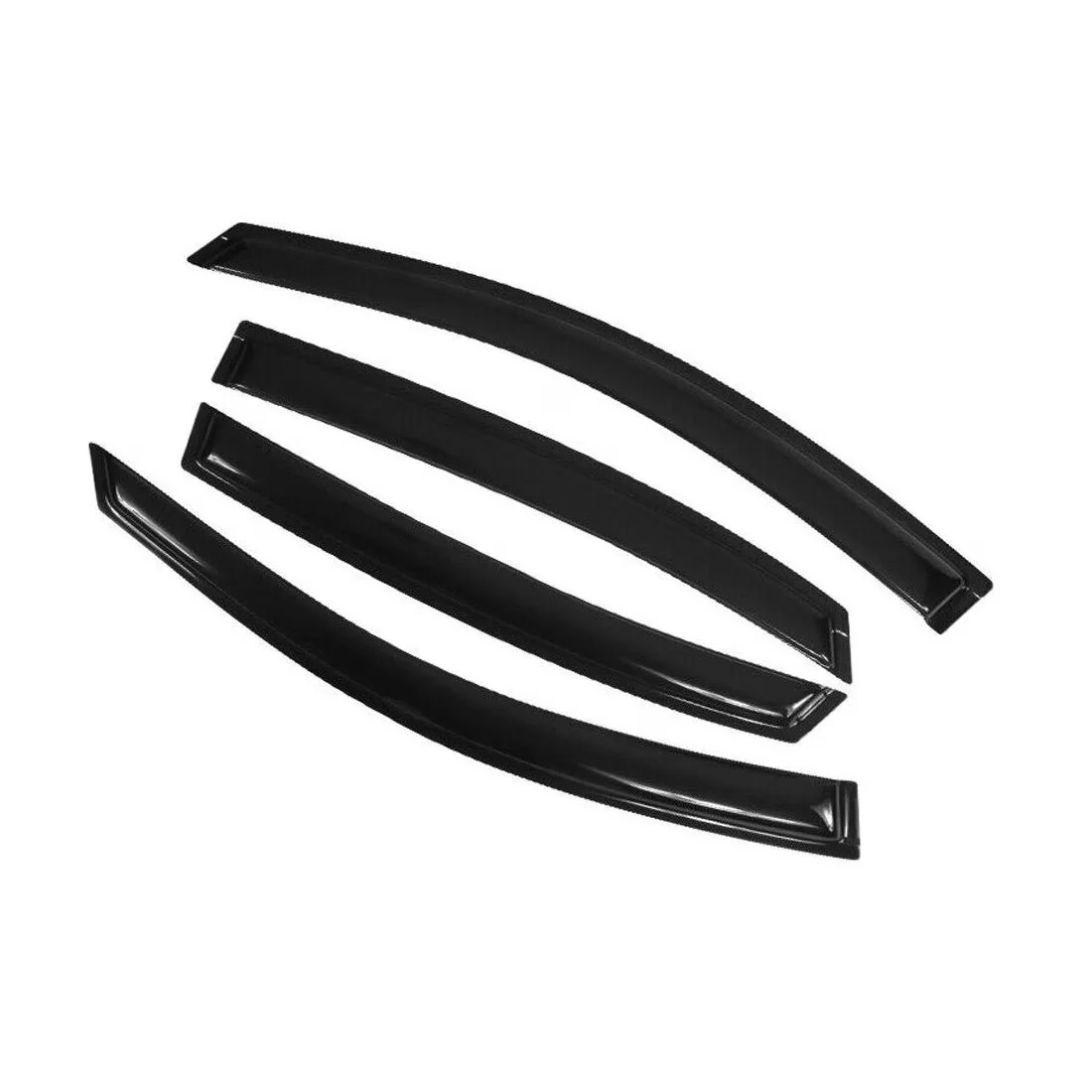
Rain guards, also called window visors or window deflectors, are mainly intended to let air circulate while reducing direct exposure to rain. They redirect airflow over the top and sides of an open window, but they do not function as soundproofing panels or acoustic seals.
With the windows closed, a correctly installed guard should usually have little effect on cabin noise. Some vehicles may sound slightly different because the guard changes airflow along the door, mirror, and roofline, but a pronounced whistle is not an expected benefit. If the cabin becomes noticeably louder, the installation and surrounding seal deserve inspection.
With a window open by a small amount, the answer is more complicated. A deflector can reduce the harsh buffeting caused by air entering the opening, especially at lower speeds, yet it can also create turbulence at the edge of the visor. The result depends on the vehicle’s shape, the guard’s design, the opening size, and how fast the vehicle is moving.
How a window deflector changes airflow
A vehicle moving through air creates a high-pressure zone in front of it and lower-pressure, swirling air along the sides and behind the cabin. The side mirror, A-pillar, roof edge, door frame, and window opening all influence how that air reaches the passenger compartment.
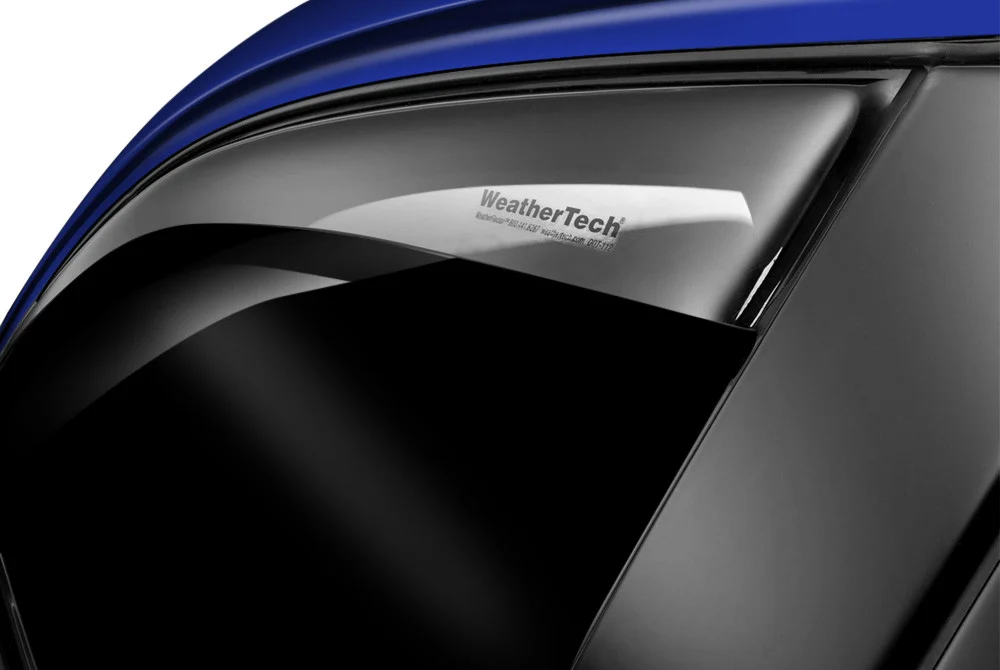
A rain guard extends outward from the upper window frame. When the glass is lowered, the extension can push some airflow away from the opening and shield it from direct rain. That may reduce the deep, repetitive booming often felt when one window is partly open, but it does not eliminate every source of turbulence.
Window position matters because a one-inch opening produces a different pressure pattern from a fully lowered window. On some vehicles, opening a rear window slightly is quieter than opening a front window. On others, the opposite is true because the roofline and rear pillar guide air differently.
Why a small opening can still sound loud
Air passing over a narrow gap can accelerate and separate from the surrounding surfaces. That separation may produce a whistle or flutter, while pressure pulses inside the cabin create a low-frequency thumping sensation. A guard may reduce one type of sound while making another more noticeable.
These effects are not necessarily evidence of a defective product. If the sound changes substantially when the glass moves up or down a few millimeters, the noise is probably related to the interaction between the opening and the accessory. Trying a different window position can identify the quietest airflow pattern.
Why rain guards sometimes make wind noise worse
The most common reason is a small gap between the deflector and the window frame. Even a narrow opening can act like an air channel at highway speed, producing a high-pitched whistle. The noise may be intermittent because airflow changes with crosswinds, passing trucks, or slight steering movements.
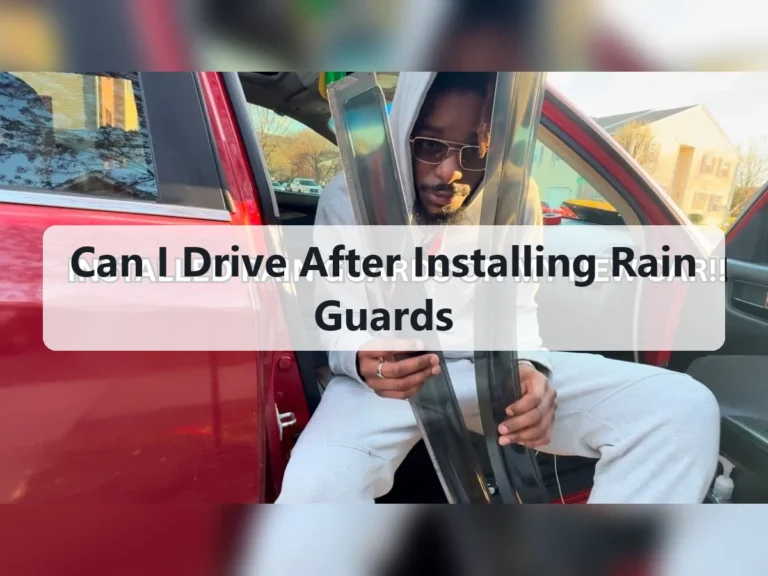
Another cause is contact between the guard and the glass. If the visor sits too low, bows outward, or is not fully seated in the channel, the window may press against it as it closes. That pressure can create vibration, prevent the glass from sealing, or trigger the vehicle’s anti-pinch system.

Common installation-related causes
- Incorrect placement: The front or rear edge may not line up with the molded shape of the window frame.
- Loose adhesive: Tape that has not bonded can allow the guard to lift and flutter in the airstream.
- Dirty mounting surfaces: Wax, silicone, dust, and moisture can keep adhesive from gripping the painted frame.
- Clips out of position: Clip-on designs can become crooked or fail to lock into the intended channel.
- Glass interference: The window may rub against the visor or its retaining clips.
- Damaged material: A cracked, warped, or heat-distorted guard may not follow the window frame evenly.
Temperature can also change the result. Adhesive-backed products may not bond well when installed on a cold surface, while plastic can expand or flex in strong heat. A sound that appears only after the vehicle sits in the sun may indicate movement of the guard or altered contact with the seal.
How to tell normal airflow from a real problem
Start by identifying when the sound occurs. If it happens only with a window partly open, varies with the amount of opening, and disappears when the glass is fully closed, it is likely an airflow characteristic rather than a damaged seal. This distinction matters when answering “do rain guards reduce wind noise”.
If the noise remains with every window closed, inspect the guard and the door frame more carefully. A persistent hiss or whistle can come from a lifted edge, a distorted rubber seal, a gap near the mirror, or a window that is no longer seating correctly.
A practical diagnostic sequence
- Drive at a consistent speed. Notice whether the noise starts at a particular speed or occurs only in crosswinds.
- Test each window separately. Open one window slightly, then close it and repeat on the others. This identifies the corner producing the sound.
- Change the opening size. If a small adjustment sharply changes the noise, turbulence at the opening is a likely factor.
- Inspect the perimeter. Look for lifted tape, uneven spacing, cracks, loose clips, or a section touching the glass.
- Check the seal. Look for rubber that is folded, pulled out of its channel, hardened, or pinched beneath the guard.
- Compare before and after. If possible, temporarily remove or loosen the accessory according to its design and take the same route at a similar speed.
Do not use your hand to hold a loose guard in place while driving. If the piece is moving, stop safely and examine it when the vehicle is parked. A detached accessory can become a road hazard and may damage nearby paint or glass.
Can better installation reduce the noise?
Often, yes. A well-seated rain guard can remove the high-pitched noise caused by an uneven edge or loose mounting point. It will not necessarily make an open window silent, but correcting the fit should prevent abnormal whistling and reduce vibration.
Read the product instructions before adjusting anything because adhesive-mounted and channel-mounted designs require different handling. Some products use clips, while others rely on pre-applied tape along a clean, dry frame. Mixing installation methods or forcing a guard into place can deform it.
Installation checks that matter
- Clean the window frame with a product approved for the vehicle’s finish, then let it dry completely.
- Test-fit the guard before removing adhesive backing, checking both ends and the center for even alignment.
- Confirm that the window travels upward without rubbing, stopping, reversing, or pressing hard against the accessory.
- Press adhesive areas firmly and evenly where the instructions specify, rather than pushing only at the ends.
- Allow the recommended bonding time before exposing the vehicle to heavy rain, car washes, or high-speed driving.
- Recheck the edge after the first few trips for lifting, movement, or new contact with the glass.
Do rain guards reduce wind noise in a way that justifies replacing a damaged seal? No. An accessory should not be used to mask a deteriorated weatherstrip, misaligned door, or window regulator problem.
If the original seal no longer presses evenly against the glass, the guard may change the sound without fixing the underlying leak.
When the rain guard is not the real source
Wind noise can begin after an installation simply because the process disturbed another component. A rubber weatherstrip may be pulled out of its channel, or a trim piece near the mirror may be shifted while the guard is being fitted. The timing can make the accessory look responsible even when the seal is the true problem.
Inspect the upper door frame and the triangular trim beside the side mirror. These areas experience strong airflow and can produce a whistle that sounds as though it comes from the window. Check for missing fasteners, a visibly raised trim edge, or a door that sits unevenly against the body.
Signs that professional inspection is sensible
- The window will not close fully or reverses while moving upward.
- Water enters the cabin after the guard is installed or after rain.
- The door seal is torn, detached, flattened, or visibly misaligned.
- The noise continues after the accessory is removed or correctly refitted.
- The door, window glass, or mirror was recently repaired or replaced.
- The guard is loose and cannot be secured without forcing it against the glass.
A repair shop can use controlled road testing, visual inspection, and leak-detection methods to isolate the source. This is especially useful when a whistle is accompanied by water intrusion, wind pressure around the door, or abnormal window operation.
How vehicle speed and weather affect the result
Wind noise generally increases as road speed rises because the airflow exerts more force on exposed edges and gaps. A guard that seems quiet around town may whistle on an interstate, particularly when a crosswind or large vehicle changes the air around the door.
Rain and moisture can temporarily alter the sound by changing the surface tension around seals and by adding weight to adhesive-backed material. Cold weather may make rubber less flexible, while heat can soften adhesive or allow plastic to move. These conditions can expose a marginal fit that seems acceptable in mild weather.
Road surface also matters. Rough pavement creates vibration that can make a loose guard rattle, while smooth pavement makes aerodynamic hiss easier to identify. Compare the sound on similar roads before deciding that the accessory itself is defective.
Frequently asked questions about rain guards and wind noise
Do rain guards reduce wind noise with the windows open?
They can reduce buffeting, but they cannot guarantee a quieter cabin. Their shape may redirect air away from a partly open window, yet turbulence around the visor can still create a hiss or whistle. The result varies by vehicle, guard design, window position, and speed.
Should rain guards be noisy when the windows are closed?
A slight change in airflow is possible, but a loud whistle is not normal. Check for an uneven edge, loose adhesive, glass contact, or a weatherstrip pulled out of place. A persistent noise with the glass fully closed deserves an inspection.
Why does my window visor whistle at highway speeds?
A gap or vibrating edge is the most likely explanation. Inspect the mounting line, clips, adhesive, and ends of the visor. Crosswinds and nearby traffic can intensify a small opening, so test the vehicle at a safe, consistent speed after checking the fit.
Can removing rain guards fix wind noise?
Removal can confirm whether the accessory is involved, but it may not solve the cause. If the sound disappears, the guard may be misaligned, damaged, or incompatible with the vehicle. If it remains, investigate the window seal, door alignment, mirror trim, and other body openings.
Can a rain guard cause a water leak?
It can contribute to water entry if it blocks drainage or is installed incorrectly. A lifted edge may direct water toward the door seal, and a pinched seal may no longer shed water properly. Stop using a loose or damaged guard until the fit is corrected.
Is a clip-on or adhesive rain guard quieter?
Neither mounting style is automatically quieter. The quality of the fit, the vehicle-specific shape, and correct installation matter more than the attachment method. A clip-on unit can rattle if unsecured, while an adhesive unit can whistle if its bond or alignment is uneven.
Conclusion: what to do about rain guard wind noise
So, do rain guards reduce wind noise? They may reduce buffeting when a window is partly open, but they are not intended to silence the cabin and can create a whistle when poorly fitted. Check the window position, mounting edge, clips, adhesive, and rubber seal before blaming the vehicle’s aerodynamics.
The major limitation is safety: do not drive with a loose visor or a window that will not close and seal properly. Refit or remove the accessory according to its instructions, then seek professional help if noise, water entry, or abnormal window movement continues.