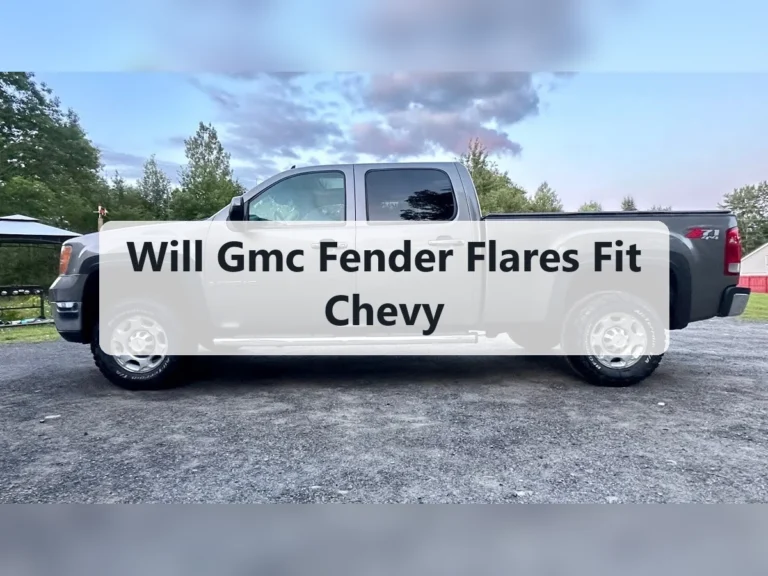
Will Silverado Fender Flares Fit Avalanche: Explained Clearly
Usually, Silverado fender flares will not fit an Avalanche as a direct, guaranteed installation. Some same-generation Chevrolet trucks share chassis and front-end foundations, but the Avalanche’s unique body cladding, rear quarter panels, and wheel-arch shape make model-specific fitment essential. This guide examines “will silverado fender flares fit avalanche” and explains the details that matter in practice.
The easily missed detail is that “same platform” does not mean “same body.” An Avalanche can share suspension components or basic frame architecture with a Silverado while using different exterior panels and flare attachment points. A flare that sits correctly on the front fender may still leave gaps, interfere with cladding, or fail completely at the rear.
That distinction separates a harmless cosmetic mismatch from a genuine problem involving tire coverage, loose hardware, paint damage, or rubbing during suspension movement. This article explains how generation, cab and bed design, mounting locations, and factory cladding affect compatibility, plus the measurements and part-number checks that can prevent a costly mistake. By the end, you can decide whether a Silverado flare is worth test-fitting, whether an adapter or modification would be unsafe, or whether an Avalanche-specific set is the better choice.
Why Silverado and Avalanche fender flares are not
Silverado and Avalanche models can look closely related because Chevrolet built several versions on shared truck platforms. That shared foundation helps explain why some suspension, wheel, and body-related parts cross over, but a fender flare follows the outer body shape rather than the chassis alone.
The Silverado uses conventional pickup-bed sides behind the cab. The Avalanche uses a distinctive midgate design, removable bed-side panels, and broad plastic body cladding on many versions. Those differences change the wheel-opening profile, flare length, mounting surface, and the space available behind the panel.

Platform sharing is only the first fitment clue
A part can match the vehicle’s bolt pattern, suspension layout, and general width yet still fail as a body accessory. Fender flares must align with the complete wheel arch, including its radius, front and rear endpoints, panel curves, and any factory molding.
That is why a listing that says “fits GMT800” or “fits GMT900” should not be treated as proof of direct installation. The platform designation narrows the search, but the product’s application list and installation instructions matter more.
Front and rear fitment are separate questions
The front fenders on related Chevrolet trucks may share more geometry than the rear body sections. Even then, the front flare can differ in width, bolt placement, or the way it meets the bumper and rocker molding.
Rear fitment is usually more difficult because the Avalanche’s rear quarter area is not the same as a Silverado’s bed side. A rear Silverado flare may be too long, too short, or shaped for a flat bed-side panel that the Avalanche does not have.
Will Silverado fender flares fit Avalanche models by generation?
Generation is the most useful starting point when researching compatibility, but it cannot replace a model-specific part number. Chevrolet changed body designs during the Silverado’s production run, and the Avalanche also changed its exterior architecture between generations.

1999–2006 Silverado and first-generation Avalanche
The first-generation Avalanche was closely related to the GMT800-era Silverado and shared several underlying truck components. That relationship can create limited opportunities for front-end parts, but the Avalanche’s body cladding and rear structure still prevent a blanket claim that Silverado flares fit all four corners.
Some aftermarket manufacturers may produce a flare that covers both applications, especially when the product is designed around a common wheel-opening shape. In that situation, the manufacturer’s exact fitment list is the deciding evidence—not a seller’s generic statement that the flare fits “Chevy trucks.”
Older trucks also present practical complications. Previous owners may have replaced fenders, removed cladding, widened wheels, or repaired rusted mounting areas, so even a nominally correct part can encounter an altered installation surface.
2007–2013 Silverado and second-generation Avalanche
The second-generation Avalanche shares more of its underlying architecture with the GMT900-era Silverado, but its exterior remains substantially different from a standard pickup. The Avalanche’s rear quarter panels and cladding are especially important when evaluating a full set of flares. This distinction matters when answering “will silverado fender flares fit avalanche”.
Some front flare designs might appear close enough to test-fit, but visual similarity is not the same as a secure installation. The flare must follow the wheel opening without forcing the plastic outward, and its fasteners must land in suitable material rather than thin trim or an unsupported edge.
For this generation, a Silverado flare advertised only for a 2007–2013 truck should be considered incompatible unless the manufacturer specifically names the Avalanche. A product listed for both vehicles may work, but it should still identify whether it covers the front, rear, or both locations.
2014 and newer Silverado parts
The Avalanche ended after the 2013 model year, while Silverado body designs continued to change. As a result, newer Silverado flares generally have no direct Avalanche application, even if a seller describes them as Chevrolet truck accessories.
A flare made for a 2014 or newer Silverado typically follows a different fender profile, character line, and mounting pattern. Installing it on an Avalanche would normally require significant modification, and that process can compromise panel protection and tire coverage.
How to check a flare before buying or cutting
Before purchasing, compare the flare’s stated application with the Avalanche’s exact year, body version, and installation position. The safest result comes from confirming the manufacturer part number, not from matching photographs or relying on a broad marketplace title.

Confirm the complete vehicle details
Record the Avalanche model year, whether it is a first- or second-generation truck, and whether the flare is intended for the front or rear. Note whether the vehicle still has its original cladding, because trim removal or aftermarket bodywork can change the usable mounting surface.
Then identify the Silverado year range named by the flare manufacturer. A part listed for “Silverado” without a year range, body code, or corner designation provides too little information for a reliable fitment decision.
Compare the wheel-opening shape
Hold the flare against the truck without removing protective film or drilling holes. Compare the top arc, the vertical ends, and the way the flare meets the bumper, rocker panel, and factory molding.
A correct-looking top curve is not enough. Check whether the entire lip remains evenly supported and whether the flare follows the body without twisting. Gaps at the ends often indicate that the panel radius or length is wrong.
Inspect mounting points and clearance
Check the product’s mounting method, such as exposed bolts, hidden screws, clips, or automotive-grade adhesive. The Avalanche panel must provide enough solid material for those fasteners, and the hardware must not contact wiring, fuel-system components, or other parts behind the body.
Turn the steering from lock to lock and inspect the front wheel area. Also check clearance with the suspension compressed, because a flare that looks acceptable at ride height may rub when the tire moves upward or the steering is turned. Keep these limitations in mind when considering “will silverado fender flares fit avalanche”.
- Compare the flare’s length and wheel-arch radius with the vehicle.
- Verify front and rear position separately.
- Check tire coverage at the top and outer sidewall.
- Look behind the mounting edge for wiring, liners, and structural obstructions.
- Confirm that the product does not depend on Silverado bed-side hardware.
What happens if you force an apparent match?
When Silverado fender flares fit Avalanche only after bending, trimming, or drilling new holes, the result may be more than a cosmetic compromise. The altered part can pull away from the body, trap moisture, or place stress on the panel every time the truck flexes or travels over uneven ground.
Common signs of a harmless mismatch
A small visual difference may be harmless if the flare is a decorative piece that remains fully supported, does not contact the tire, and is installed according to the manufacturer’s instructions. Even then, an uneven end gap or misaligned body line will usually remain noticeable.
Cosmetic tolerance does not mean structural security. A flare should not rock by hand, have sharp exposed edges, or rely on a fastener that is barely engaged in the panel.
Signs the installation is unsafe or unsuitable
Stop the installation if the tire touches the flare, liner, or mounting hardware during steering or suspension movement. Rubbing can damage the tire and flare, particularly with larger wheels, wheel spacers, aggressive offsets, or lifted suspension.
Other warning signs include cracked plastic from forced bending, fasteners pulling through the panel, exposed gaps that allow debris behind the flare, and a flare that covers the tire unevenly. If the product changes the truck’s effective tire coverage, a professional body or tire specialist should inspect the setup before regular driving.
Can Silverado flares be modified to fit an Avalanche?
Technically, a skilled body technician may reshape or trim some aftermarket plastic flares. That does not make the part a true direct-fit accessory, and the cost of custom work can exceed the price difference between a universal flare and an Avalanche-specific kit.
Modification is most defensible when the flare is intentionally sold as universal, has enough material for trimming, and the manufacturer permits alteration. A flare molded for a specific Silverado wheel arch is a poor candidate if its basic curve and endpoints disagree with the Avalanche panel.
Do not use heat to force a flare into position without knowing how the material will respond. Excessive heating can distort the part, weaken its finish, and create a shape that slowly returns toward its original form.
Adhesive-only installation deserves caution
Adhesive can be suitable for a product designed around that method, but it cannot correct a fundamentally incorrect shape. Dirt, wax, old trim tape, cold temperatures, and uneven contact can all reduce bond strength.
Where a flare is expected to resist wind, mud, vibration, and contact with debris, use only the hardware and preparation specified for that particular product. Avoid improvising rivets or drilling through areas that may conceal wiring or other components.
Frequently asked questions about Silverado and Avalanche flares
Will Silverado fender flares fit Avalanche without modification?
Usually not as a guaranteed direct fit. Some same-generation products may share enough front-end geometry to work, but the rear body shape and factory cladding commonly create incompatibilities.
Are first-generation Silverado flares more likely to fit an Avalanche?
They may have a better chance, but they are not automatically compatible. The first-generation trucks share a platform family, while the Avalanche still uses distinct exterior panels and trim that affect flare placement.
Can Silverado front flares fit an Avalanche if rear flares
Yes, front and rear fitment must be evaluated independently. A manufacturer may list a front application that works across related models while excluding the Avalanche rear quarter area.
Do Silverado fender flares fit Avalanche models with factory cladding?
Only when the flare is designed or specifically approved for that cladding arrangement. Removing, cutting, or compressing factory trim can leave poor support and expose the body to moisture and debris.
Will a 2014 Silverado flare fit a 2007–2013 Avalanche?
It is generally not a direct-fit part. The later Silverado has a different exterior design, so its wheel-arch profile and mounting points do not normally match the Avalanche.
How can I verify a used flare before buying it?
Ask for the original part number, application list, dimensions, and clear photos of the mounting edge. Compare those details with the exact Avalanche year and corner, and avoid buying if the seller cannot identify the intended vehicle.
Should a body shop install a modified Silverado flare?
A qualified body shop should inspect the part before any cutting or drilling. Professional evaluation is especially important when the truck has oversized tires, altered suspension, wheel spacers, rust, or previous body repairs.
Conclusion: choose Avalanche-specific fitment when possible
So, will silverado fender flares fit avalanche? In most cases, not as a simple bolt-on swap. Shared Chevrolet platforms can create limited same-generation compatibility, particularly at the front, but body contours, rear quarter panels, factory cladding, and mounting points remain the major limitations.
The safest next step is to match the exact year, corner, part number, and manufacturer fitment list before buying. If the flare needs force, extensive trimming, or uncertain drilling, choose an Avalanche-specific kit or have a qualified installer verify tire clearance and mounting security first.