Do Bug Deflectors Help with Rock Chips: Detailed Guide and Facts
Yes, a bug deflector can help reduce some rock chips, but it is not a complete paint-protection system. Its main benefit is redirecting small airborne debris and insects over the hood and toward the windshield, especially during highway driving. This guide examines “do bug deflectors help with rock chips” and explains the details that matter in practice.
The difficult part is identifying what actually caused the damage. A chip near the front edge of the hood may come from a stone, road grit, loose vehicle debris, or an impact that a deflector could never have prevented. The accessory’s shape, installation, vehicle speed, following distance, and the direction of the debris all affect the result, so a cleaner-looking hood does not prove that the deflector is working perfectly.
This guide explains how a bug deflector changes airflow, which types of rock impacts it may reduce, and why damage can still appear on the hood, fenders, roof, or windshield. You will learn what to inspect before buying one, how to avoid paint damage caused by poor installation, how it compares with clear protective film, and when a chip needs prompt repair.
How a Bug Deflector Can Reduce Front-End Damage
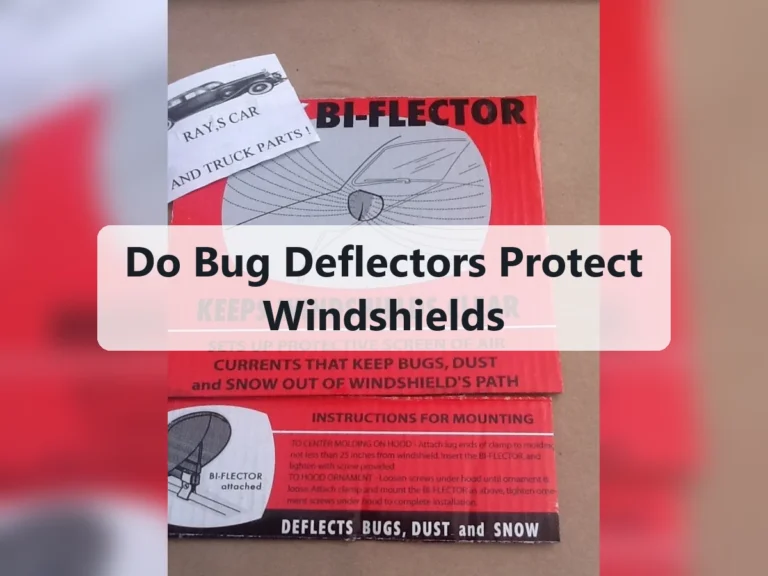
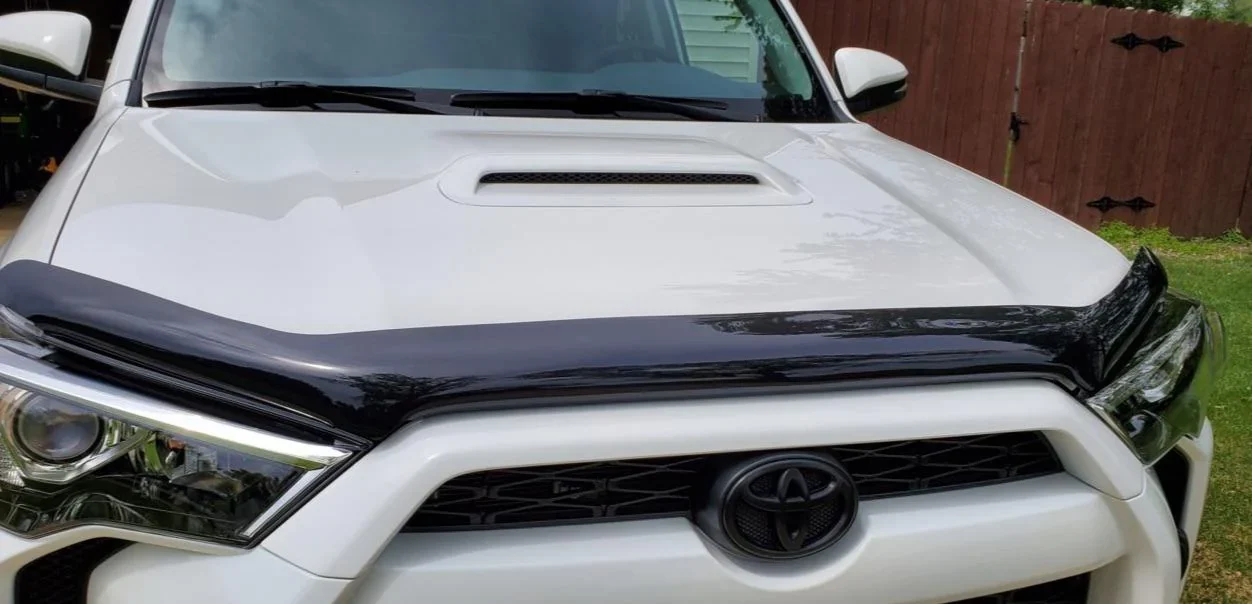
A bug deflector, also called a hood deflector or hood shield, mounts along the leading edge of a vehicle’s hood. Its raised or curved profile changes the airflow over the front of the vehicle, helping lift insects and some small particles higher into the air stream instead of allowing them to strike the hood directly.
When the vehicle is moving, air pressure builds at the front edge. The deflector uses that moving air to create a limited airflow barrier over the paint. This can reduce direct impacts on the first several inches of the hood, although the exact protected area varies by design and vehicle shape.
What debris it may help prevent
A well-designed shield may reduce damage from light road grit, small gravel, insects, and a few low-angle particles thrown upward by another vehicle. It is most useful when the debris is traveling toward the hood’s leading edge rather than arriving from the side or above.
The benefit is usually more noticeable on highways and interstates, where speed increases the amount of air moving over the hood. Maintaining a generous following distance also helps because it reduces the quantity and force of debris kicked up by vehicles ahead.
Why the protection is limited
A bug deflector does not create a sealed protective cover. It cannot stop every stone, and it does not protect the entire painted surface. Debris can pass beneath the shield, strike the exposed center or rear portion of the hood, or arrive at an angle that the airflow does not redirect.
Large rocks, sharp gravel, metal fragments, and debris launched by a truck tire can carry enough energy to defeat the aerodynamic effect. The shield may change the path of a small particle, but it cannot reliably absorb a high-energy impact.
Do Bug Deflectors Help With Rock Chips in Real Driving?
Do bug deflectors help with rock chips? They can, particularly for small impacts concentrated along the hood’s forward edge, but the improvement is situational rather than guaranteed. A deflector should be viewed as a debris-reduction accessory, not as a substitute for a full paint-protection strategy.
Real-world results depend on the vehicle’s hood angle, grille design, front bumper height, deflector shape, driving speed, and road conditions. A steep hood may send debris toward the windshield, while a flatter hood may expose more painted metal to direct impacts even with a shield installed.
Where it helps most
The leading edge of the hood is generally the most logical target for a deflector. This area meets incoming airflow first and often receives repeated strikes from insects and fine gravel during long trips.
Vehicles used on paved roads may see a modest reduction in small chips in this zone. The accessory can be especially useful for drivers who frequently travel behind traffic, although avoiding close following remains more effective than relying on the shield alone.
Where it helps least
Protection is weaker on the hood’s rear section, front fenders, headlights, grille, bumper, and windshield. The airflow may carry redirected debris into another exposed area, and side impacts can bypass the deflector completely.
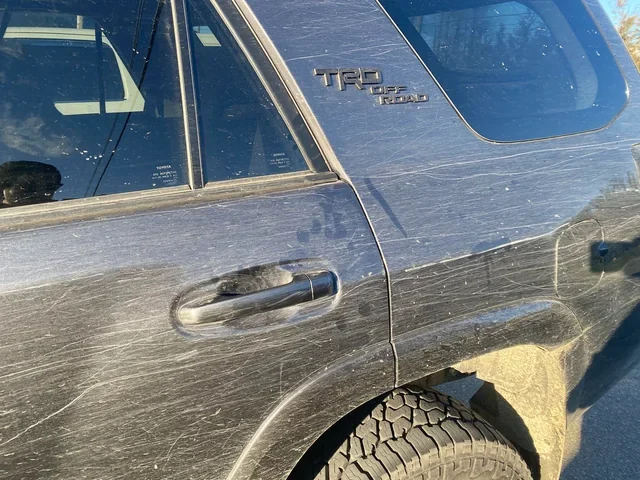
Unpaved roads create another limitation. Gravel thrown laterally by passing vehicles or kicked outward by tires may strike the doors, fenders, and rocker panels, which a hood-mounted accessory cannot cover.
Why some drivers notice no difference
Rock chips are not always caused by the same type of debris. A vehicle may accumulate most of its damage from large stones, construction material, or tire-shed gravel that carries too much momentum for a small plastic or acrylic shield to redirect.
Existing damage can also make the improvement difficult to judge. If the hood already has numerous chips, later marks may blend into the older damage, while a clean hood makes every new impact easier to notice.
What to Check Before Buying a Hood Deflector
Choosing the correct accessory matters as much as installing one. A shield designed for the exact year, make, and model should follow the hood contour without forcing the panel, blocking the grille, or leaving large gaps where debris can collect.
Look for a design that provides stable mounting points, smooth edges, and adequate clearance from the paint. The goal is to redirect airflow without creating a new source of rubbing damage or trapped grit.

Vehicle-specific fit
Universal deflectors may be cheaper, but their fit can be less predictable. A poorly matched part may sit too close to the hood, interfere with the hood latch, or leave sections of the leading edge unprotected.
Check whether the product is intended for the exact body style and model year. Changes in hood shape, grille height, trim, and factory sensors can affect both fit and clearance.
Mounting method
Some shields attach with brackets or clips, while others use adhesive pads or a combination of both. Each system has advantages, but every contact point should be protected from direct paint-to-hardware contact. This distinction matters when answering “do bug deflectors help with rock chips”.
Before installation, clean and dry the mounting area. Follow the supplied instructions for fastener placement and torque, and avoid improvising holes or pressure points that could damage the hood or compromise the latch.
Material and design
Common materials include molded acrylic, polycarbonate, and various plastics. The material should be durable enough for road exposure and shaped to avoid sharp edges that can catch debris or cut into the finish.
A taller shield is not automatically better. Excessive height can create wind noise, obstruct visibility from the driver’s seat, or redirect debris toward the windshield. A balanced design should provide airflow management without creating new safety concerns.
Installation Risks and Maintenance
Even a properly selected deflector can cause paint problems if it is installed over dirt or left loose. Fine sand trapped between the shield and hood may act like sandpaper as the part vibrates, producing dull lines, scuffs, or worn clear coat.
Inspect the mounting points regularly, especially after driving on rough roads or through winter conditions. The shield should remain secure, and no fastener, bracket, or edge should touch the painted surface unexpectedly.
Safe installation practices
- Wash the hood and the underside of the deflector before fitting the part.
- Inspect the paint for existing chips, lifted clear coat, or corrosion.
- Use the supplied protective pads, clips, or edge guards where specified.
- Confirm that the hood latch opens and closes normally before driving.
- Check that the shield does not block headlights, sensors, cameras, or the driver’s view.
- Retighten or reseat hardware only according to the manufacturer’s instructions.
Cleaning and inspection
Remove the accessory periodically if the design allows it and clean both contact surfaces. Do not drag a dusty shield across the hood, and avoid aggressive solvents that could cloud the plastic or soften protective pads.
Look for cracks, discoloration, loose clips, and accumulated grit. A cracked or vibrating shield may provide less useful airflow and can create additional noise or paint wear.
Bug Deflectors Compared With Other Paint Protection
A hood shield is one layer of protection, and its strengths differ from those of other options. The best choice depends on whether the main concern is the hood edge, the entire front end, long-term appearance, cost, or ease of maintenance.
Clear paint-protection film
Paint-protection film, often called PPF, is a transparent urethane film applied directly to selected painted panels. It can cover the hood, bumper, fenders, mirrors, and other high-impact areas, so it generally provides broader physical protection against chips than a deflector.
Film costs more and requires careful installation, but it does not depend on airflow or a gap above the paint. A partial front package can protect the areas most likely to receive road debris while preserving the vehicle’s original appearance.
Wax, sealants, and ceramic coatings
Wax, paint sealants, and ceramic coatings can make cleaning easier and may help resist contaminants, but they are not impact shields. They do not normally prevent a stone from breaking through the clear coat when the impact is strong enough.
These products are better understood as surface-maintenance treatments. They can complement a deflector or film, but they should not be marketed or treated as a replacement for chip protection.
Mud flaps and driving habits
Mud flaps can reduce the amount of gravel thrown backward by a vehicle’s tires, particularly on trucks and SUVs. They do not protect the hood directly, but they may reduce debris exposure for following traffic and for the vehicle’s own lower body in some conditions.
Speed control and following distance remain important. Leaving more space behind dump trucks, construction vehicles, and vehicles towing trailers gives airborne debris more time to fall before reaching the front of the car.
How to Handle Existing Rock Chips
A deflector cannot repair a chip that is already in the paint. Inspect each mark before covering it, because a shallow clear-coat blemish requires different attention from a deep chip that exposes the metal beneath.
Clean the area gently and examine it in good light. If bare metal is visible, prompt touch-up or professional repair can help limit oxidation and prevent a small defect from spreading through the finish.
Signs a chip needs prompt attention
- Bare steel or aluminum is visible at the center of the impact.
- The surrounding clear coat is lifting or beginning to flake.
- Rust-colored discoloration is appearing around the mark.
- The damage is on a sharp hood edge or near a panel seam.
- Several chips have merged into a larger area of damaged paint.
Small isolated chips can often be cleaned and treated with a properly matched touch-up product, but color matching and surface leveling require patience. For large clusters, peeling clear coat, corrosion, or damage across multiple panels, a qualified body shop can determine whether spot repair or refinishing is appropriate.
Frequently Asked Questions About Rock Chips and Bug Deflectors
Do bug deflectors stop all rock chips?
No, they only reduce certain direct impacts. A shield may redirect small particles striking the front edge of the hood, but it cannot cover every panel or stop large, fast-moving debris.
Do bug deflectors protect the windshield from rocks?
They are not reliable windshield protection. Some designs may alter airflow near the hood, but redirected debris can still reach the windshield, and stones approaching from another angle are unaffected.
Can a bug deflector damage the paint?
Yes, poor fit or trapped grit can cause scuffs. Dirt between the shield and hood, loose hardware, and missing protective pads can create repeated rubbing that wears the clear coat.
Is a bug deflector better than paint-protection film?
Paint-protection film usually offers broader chip protection. A deflector is easier to install and may cost less, while film physically covers the painted surface and can protect more of the hood, bumper, and fenders.
Does a bug deflector help on gravel roads?
Its benefit is limited on gravel roads. Stones thrown sideways or upward by tires can strike the bumper, fenders, doors, and underside of the hood, areas a hood-mounted shield does not cover.
Should a damaged hood receive a deflector?
Repair exposed metal and unstable paint before installation. A shield can hide damage, but it will not stop corrosion, and mounting it over loose clear coat may make inspection and future repair more difficult.
Conclusion: Use a Deflector as One Layer of Protection
Do bug deflectors help with rock chips? Yes, they can reduce some small, direct impacts along the leading edge of the hood, but their coverage and effectiveness are limited by airflow, debris size, vehicle design, and driving conditions.
The main safety and maintenance concerns are obstructed visibility, impaired hood-latch operation, loose hardware, and paint abrasion from trapped grit. Choose a vehicle-specific design, install it carefully, inspect it regularly, and consider paint-protection film for wider coverage. If chips expose metal or show corrosion, repair them before adding any accessory.