Can You Go Through a Carwash with Rain Guards: Explained Clearly
Yes, you can usually go through a carwash with rain guards, but the safest choice depends on how firmly they are attached and which wash you use. A loose or recently installed rain guard can lift, crack, or separate when exposed to high-pressure water and rotating brushes. This guide examines “can you go through a carwash with rain guards” and explains the details that matter in practice.
The unexpected issue is that a carwash may not damage the visible shield first; it may weaken the adhesive underneath it. Rain guards, also called window visors or vent visors, sit along the upper edge of a vehicle window, where spray, brushes, dryers, and trapped dirt can test the attachment points.
This article explains how automatic, touchless, and self-service washes affect these accessories, why installation age and condition matter, and which warning signs mean you should wash by hand instead. You will also learn how to prepare the vehicle, what to inspect afterward, when a pressure washer becomes risky, and how to decide whether your particular rain guards are ready for a carwash.
Can You Go Through a Carwash with Rain Guards?
For most vehicles, an automatic carwash is acceptable when the rain guards are fully bonded, undamaged, and installed according to the manufacturer’s instructions. A standard wash generally does not create enough force to remove a properly attached visor, although brushes and high-pressure spray can expose weaknesses that were already present.
The type of carwash makes a difference. A touchless wash avoids direct contact with brushes, while a friction wash uses cloth strips or soft brushes that can rub along the window trim. Neither option is automatically risk-free, but a touchless system usually creates less mechanical contact with the accessory.
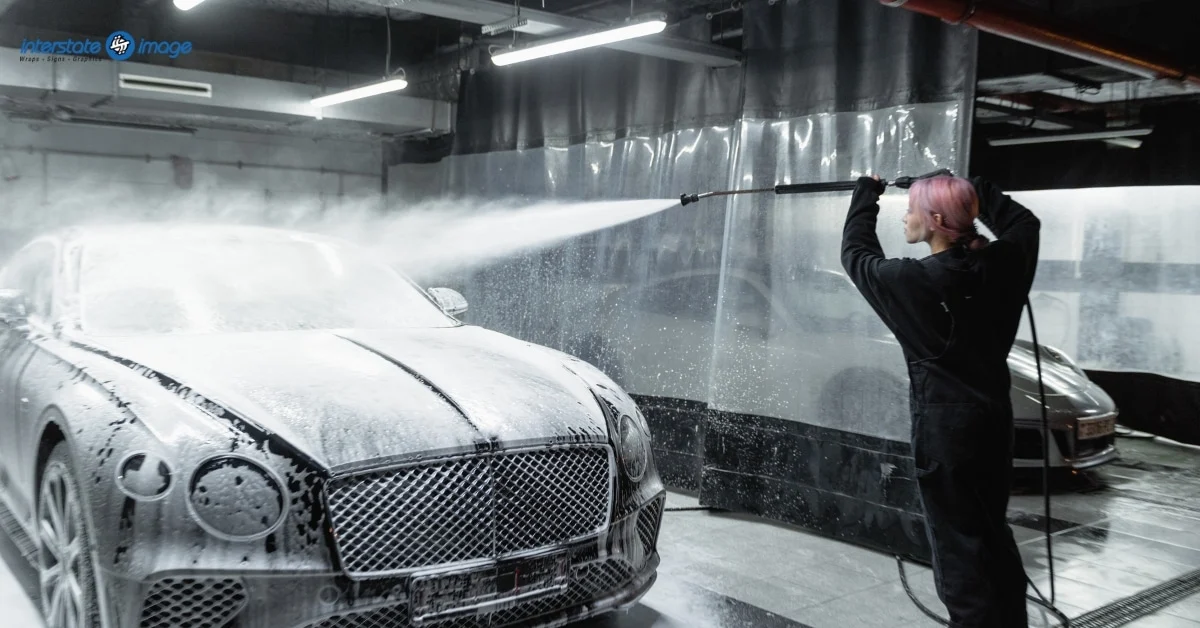
Self-service bays require more judgment because the operator controls the wand. Holding a pressure nozzle close to the rain guard or aiming directly at its edge can force water underneath the adhesive or flex the plastic. Keep the nozzle moving, maintain generous distance, and avoid directing the strongest spray at the seam.

What Determines Whether a Wash Is Safe?
The condition of the rain guards matters more than the mere fact that they are installed. A firmly attached, properly aligned visor with intact adhesive is much more likely to survive a wash than one with a lifted corner, brittle plastic, or visible gaps along the mounting surface.
Age and adhesive condition
Newly installed rain guards deserve special caution. Many adhesive-mounted products need a curing period before they are exposed to water, repeated window movement, or strong washing equipment. The correct waiting time varies by product and conditions, so follow the installation instructions rather than assuming the adhesive is ready immediately.
Older accessories can also become vulnerable. Heat, ultraviolet exposure, freezing temperatures, road salt, automatic wash chemicals, and repeated flexing may gradually reduce the strength of the adhesive. If the visor has been on the vehicle for years, inspect it before treating it like a permanent part of the bodywork.
Mounting style
Some rain guards attach to the outside of the door frame with automotive adhesive. Others are installed inside the window channel, where the glass moves beneath the visor. An in-channel design may avoid some exterior brush contact, but it can still be affected by a tight fit, window friction, trapped debris, or incorrect installation.
Exterior-mounted visors may have exposed edges that brushes or drying equipment can catch. The risk is usually small when the edge is flush and secure, but it increases if the accessory is misaligned or has begun to curl away from the vehicle.
Shape and vehicle design
A rain guard that follows the roofline smoothly presents less of a catch point than one with a raised lip or an uneven corner. Door frames, mirror housings, roof rails, and narrow window channels can also influence how wash equipment moves across the vehicle.
Because designs vary, the product’s installation guide is the best authority for unusual restrictions. A warning against automatic washes, pressure washing, or window operation should be treated as a real limitation, not a suggestion to ignore. This distinction matters when answering “can you go through a carwash with rain guards”.
Which Carwash Type Is Best for Rain Guards?
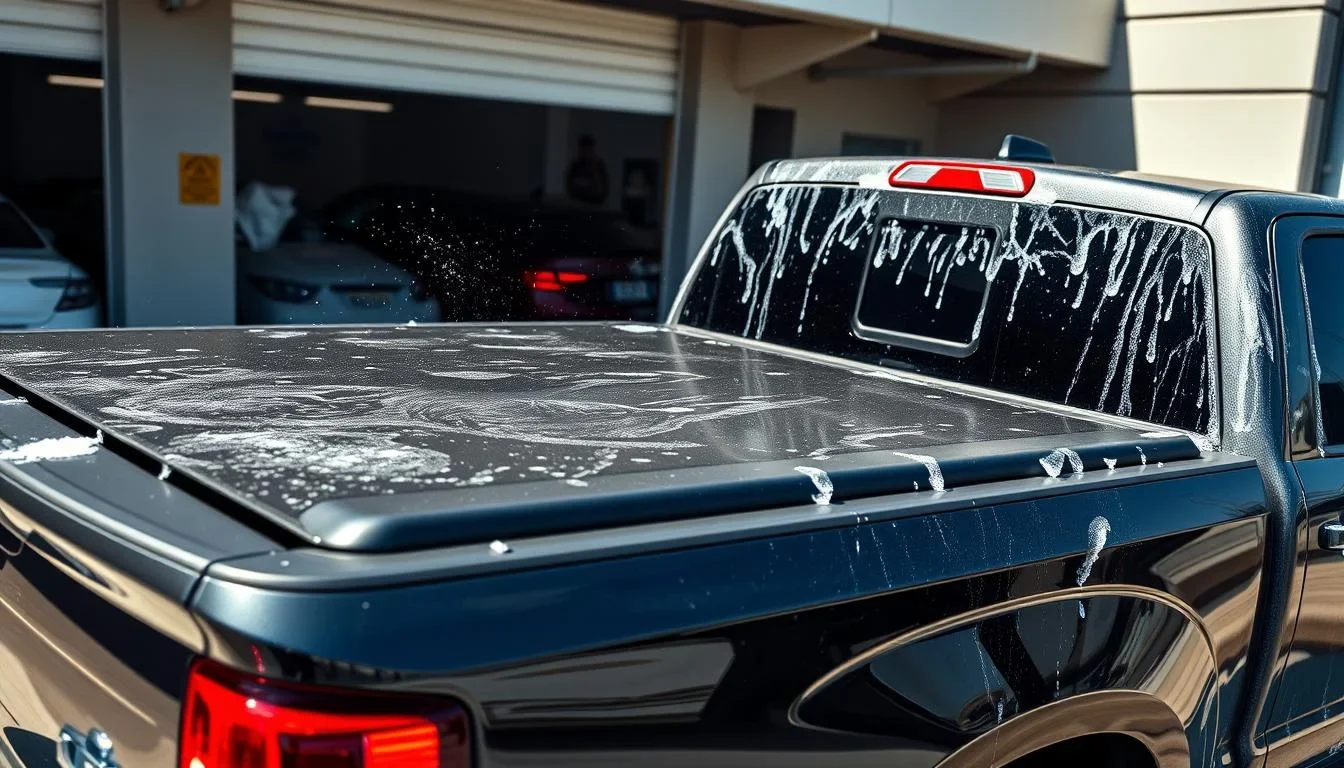
A touchless carwash is often the gentlest automatic option because no brushes or cloth strips pass directly over the visors. However, touchless equipment may compensate with stronger water jets and cleaning chemicals, so the rain guards still need a secure bond and intact edges.
Touchless automatic wash
Touchless systems reduce the chance of a brush catching a visor, but high-pressure spray can reach the gap between the accessory and the window frame. Select a normal wash rather than an unusually aggressive or specialized pressure cycle when the vehicle has older or questionable accessories.
Strong detergents are another consideration. Occasional exposure typically does not harm quality automotive adhesive, but repeated chemical contact can contribute to aging, especially when an edge is already lifting. Rinsing thoroughly and drying the attachment area helps remove residue.
Friction or soft-cloth wash
Soft-cloth systems are not necessarily unsafe, but the moving material physically contacts the vehicle. If a rain guard has a loose section, the cloth can pull at it or worsen an existing separation. The drying stage can create a similar problem if a blower directs air beneath an exposed edge.
Before entering this type of wash, run a finger lightly along the outside edge without forcing it. Do not use the wash if you feel movement, see a gap, or notice adhesive residue separating from the paint or trim.
Hand washing and self-service bays
Hand washing provides the most control. Use a soft mitt, mild car shampoo, and a gentle stream of water, keeping the mitt moving parallel to the visor instead of pulling outward on its edge.
At a self-service bay, do not park the wand close to the rain guard. A strong jet aimed at the seam can lift adhesive faster than ordinary rainfall, even if the accessory appears secure from a distance. Rinse from a reasonable distance and use a lower-pressure setting around the window trim.
How to Prepare Rain Guards Before a Carwash
A brief inspection before washing can prevent a minor attachment problem from becoming a missing or damaged accessory. Check each door rather than assuming all four rain guards have aged in the same way.
- Look for lifted corners, raised edges, cracks, clouding, or distorted plastic.
- Check for a visible gap between the visor and the door frame.
- Press lightly near—not directly on—the edge to detect unusual movement.
- Remove leaves, grit, and hardened dirt from the seam without scraping the adhesive.
- Confirm that windows open and close without rubbing the accessory.
- Delay washing if the product was installed recently and its curing period has not passed.
Do not use household glue or random tape as a quick repair before entering a wash. An incompatible adhesive may damage paint, interfere with window operation, or make a proper repair more difficult.
What Can Go Wrong in a Carwash?
The most common problem is not total detachment but a partially lifted edge. Once water, soap, and air enter the gap, the adhesive can collect dirt and lose contact with the mounting surface. A small separation may then spread along the visor during later washes or highway driving.
Keep these limitations in mind when considering “can you go through a carwash with rain guards”.
Going through a carwash with rain guards is generally low risk when the accessory is secure, but a damaged visor can create several practical problems. It may rattle, whistle, obstruct the window’s movement, leave adhesive residue, or damage surrounding trim if it breaks away.
Adhesive separation
Adhesive separation often begins at a corner or narrow end. Watch for a line that no longer sits flush, exposed adhesive, or a section that moves when touched gently. Do not keep washing the vehicle in hopes that the edge will settle back into place.
Cracks and brittleness
A brittle visor can crack from impact, temperature changes, or flexing during a wash. Cracks may not be obvious when the accessory is wet, so inspect it again after drying. Sharp fragments should be handled carefully and removed or repaired according to the product’s instructions.
Window interference
In-channel rain guards can interfere with the glass if they are positioned incorrectly or have shifted. If the window slows, reverses direction, makes unusual noise, or contacts the visor, stop operating it. Continuing to cycle the glass can damage the window regulator or worsen the accessory’s position.
What to Do After Washing
Dry the vehicle normally, but pay particular attention to the upper door frames. A clean, dry surface makes it easier to spot lifted edges, residue, or water trapped behind the visor.
- Inspect every corner and the full length of each rain guard.
- Look for new gaps, movement, cracks, or unusual whitening in the plastic.
- Open and close each window slowly while listening for rubbing or clicking.
- Wipe away standing water without pulling on the accessory.
- Stop using automatic washes if any attachment point appears loose.
If an edge has lifted only slightly, avoid pressing it down over dirt or moisture. The area may need careful cleaning and a compatible replacement adhesive, while significant separation may call for removal and reinstallation.
When Should You Avoid the Carwash?
Choose hand washing or postpone cleaning when the rain guards show visible damage or when their installation status is uncertain. A wash cannot repair a weak bond, and water pressure may turn a manageable issue into a complete replacement.
- The visor was installed recently and has not completed its recommended cure time.
- An edge or corner is visibly lifting.
- The plastic is cracked, warped, brittle, or loose.
- The window already rubs against an in-channel design.
- The product instructions prohibit automatic washing or pressure washing.
- A previous wash pulled at the accessory or left it partially detached.
- You cannot keep a pressure-washer nozzle away from the mounting seam.
Professional help is sensible when the visor has detached near a mirror, blocks the glass, damages door trim, or leaves stubborn adhesive on painted surfaces. A body shop, automotive detailer, or accessory installer can assess whether the product should be re-bonded or replaced.
FAQ About Carwashes and Rain Guards
Can you go through a carwash with rain guards installed
Usually, you should wait until the product’s specified curing period has ended. Fresh adhesive may look secure but still be developing its full bond, so use the installation instructions as the deciding source.
Is a touchless carwash safer for window visors?
A touchless wash usually reduces brush-related risk but does not eliminate pressure risk. Strong spray can still reach the seam, particularly when an edge is loose or the nozzle is aimed directly at the accessory.
Can automatic brushes pull off rain guards?
They can if the rain guard is loose, poorly aligned, or already weakened. A properly attached visor normally tolerates routine washing, but direct mechanical contact may expose a mounting problem.
Can I use a pressure washer around rain guards?
Yes, but keep the nozzle away from the visor and avoid spraying along its edge. Use moderate pressure, keep the wand moving, and do not treat the attachment seam like a surface that needs concentrated cleaning.
What if water gets behind the rain guard?
Water behind the visor is a warning sign when it remains trapped or appears with a visible gap. Dry the area and inspect the bond; repeated washing may worsen separation if the accessory is not sitting flush.
Should I remove loose rain guards before washing?
Removing a visibly loose accessory may be safer than allowing wash equipment to catch it. Do not yank it away, because hurried removal can damage paint or leave adhesive behind; follow the product’s removal guidance or seek professional assistance.
Can rain guards affect automatic window sensors?
They can interfere with window operation when an in-channel visor is mispositioned. If the glass reverses, binds, or makes unusual noise, stop using the window and correct the installation before washing again.
Conclusion: Use the Guard’s Condition as Your Guide
Can you go through a carwash with rain guards? In most cases, yes, if they are fully cured, firmly attached, undamaged, and compatible with the wash method. A touchless or carefully controlled wash is preferable when you want to reduce direct contact.
The major limitation is a weak or newly installed bond: pressure, brushes, dryers, and trapped dirt can turn a small lifted edge into a detached visor. Inspect each accessory before washing, keep high-pressure spray away from the seam, and switch to hand washing or ask an installer for help when anything moves, cracks, or interferes with the window.