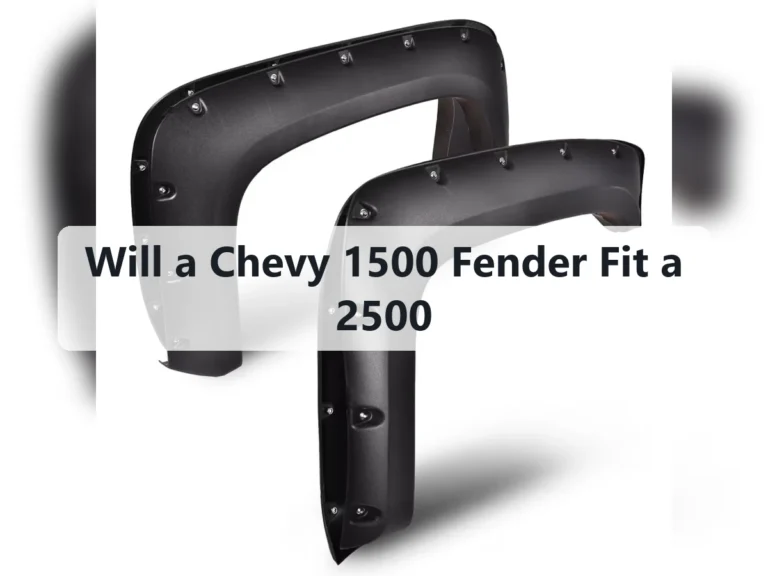
Will F150 Fender Flares Fit F250: Clear Answers and Key Facts
Usually, no. Fender flares made for an F-150 are not a direct-fit replacement for an F-250 because the trucks use different fender shapes, wheel openings, body dimensions, and mounting locations. This guide examines “will f150 fender flares fit f250” and explains the details that matter in practice.
That distinction matters beyond whether the flare can be held against the truck. A flare must follow the wheel arch, meet the fender without gaps, clear the tire through steering and suspension travel, and attach without stressing the sheet metal. Even closely related Ford trucks can use different body panels within the same model year, while a change in cab style, bed length, or generation can alter the surrounding shape again.
This guide explains the real fitment limitations, the exceptions involving universal or modified parts, and the checks that should happen before money or installation time is spent. You will learn how to compare generations, distinguish front and rear applications, measure the wheel opening, identify unsafe interference, and decide whether an F-250-specific flare or a custom solution makes more sense. The goal is a clean, secure installation that protects the body and tire clearance—not simply a flare that appears to line up in a photograph.
Will F150 Fender Flares Fit F250?
The short answer to will f150 fender flares fit f250 is that factory-style parts are generally model-specific. Although both trucks are full-size pickups from Ford, an F-150 and an F-250 Super Duty typically use different fenders, wheel-arch contours, and flare attachment points.
Fender flare fitment depends on the body panel, not just the wheel or tire size. The opening may have a different radius, height, front-to-rear length, or relationship to the bumper, rocker panel, grille, and bed side. A flare that follows one arch can sit too high, too low, or too far forward on the other truck.
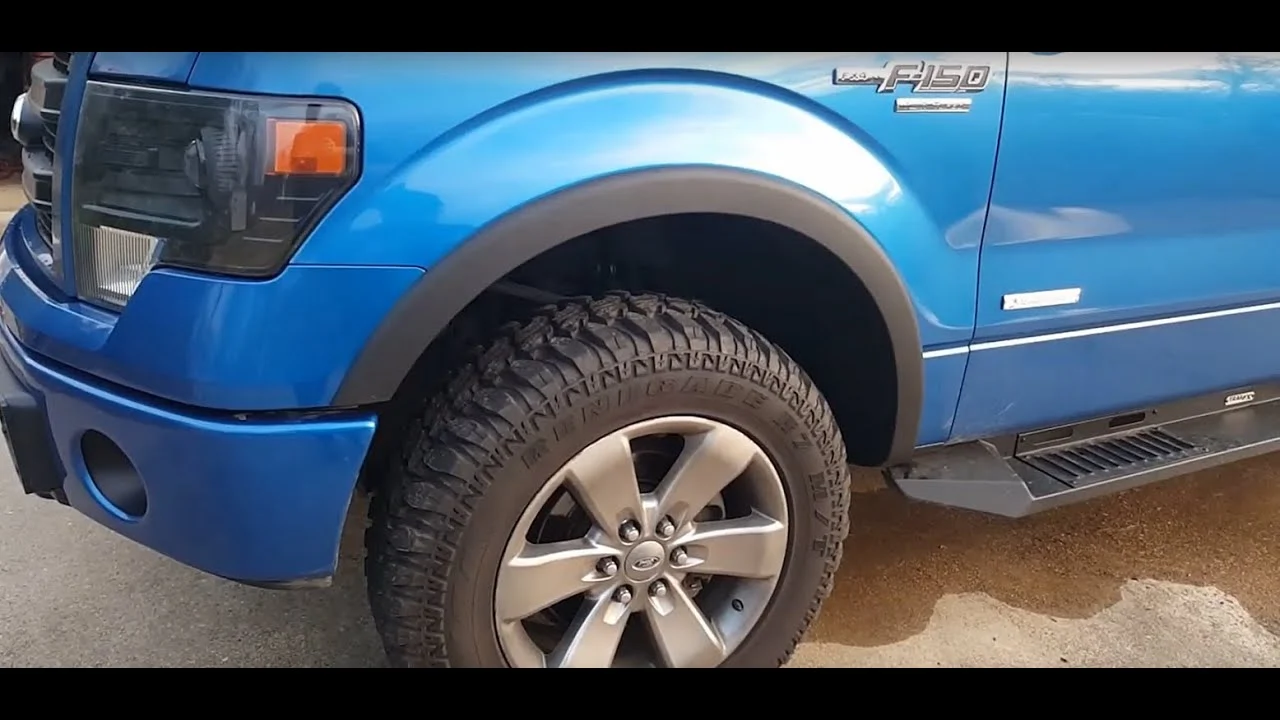
Different body generations change the answer
Ford has redesigned both truck lines several times. An F-150 from one generation may not accept an F-150 flare from another generation, and the same caution applies to F-250 parts. The model name alone is not enough to establish compatibility.
For example, an older F-250 may have a different front clip and wheel opening from a later Super Duty. An F-150 may also share certain design cues with the F-250 while using a different stamped fender underneath. A product listing that says “Ford pickup” without a precise year range deserves extra verification.
Front and rear flare shapes are not interchangeable
Front flares often account for the bumper corner, front door or fender seam, and steering clearance. Rear flares must match the bed side, bedside contour, fuel-filler area, and the rear portion of the wheel opening.
Even if an F-150 front flare appears close to an F-250 front flare, a rear piece may have an entirely different profile. A four-piece kit also may not include identical left and right shapes. Treat every position as a separate fitment question rather than assuming that one matching piece proves the whole kit works.
What Determines Fender Flare Compatibility?
Successful fitment requires more than similar dimensions. The flare must match the truck’s body generation, wheel opening, mounting surface, and intended coverage while leaving adequate clearance for the tire, suspension, and steering system.
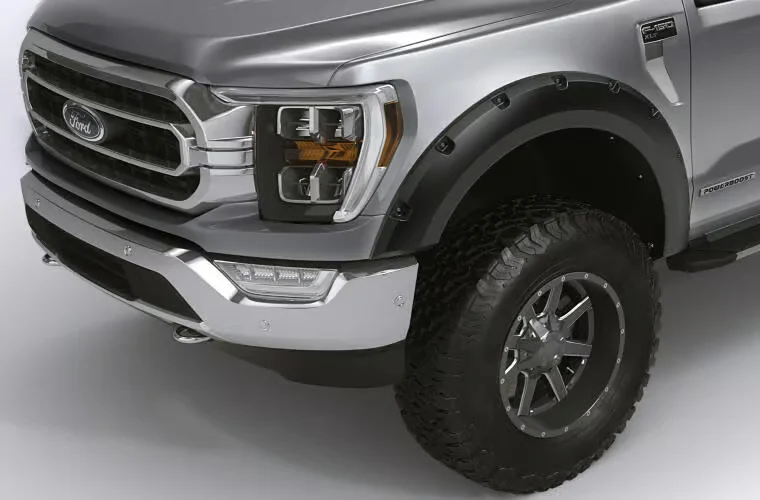
Wheel-arch dimensions and contour
Measure the opening itself, including its overall length, height, corner transitions, and curvature. A flare with a similar outside width can still fail if its inner lip does not track the metal arch.
The contour is especially important on molded ABS or fiberglass parts. These materials can flex slightly, but forcing a rigid flare into a different curve can cause waviness, cracked mounting tabs, pulled fasteners, or a visible gap that worsens over time.
Mounting holes and inner structure
Direct-fit flares commonly use clips, screws, studs, or a combination of those methods. The locations of the mounting holes must align with usable material on the fender or bedside. Drilling new holes may be possible, but it changes the job from a replacement to a modification.
Behind the outer panel, the truck may have braces, liners, wiring, or other components that limit access. A new hole can also expose bare metal to moisture and corrosion if it is not properly treated. Adhesive-only installation is not automatically a safe substitute for missing structural attachment points.
Coverage and tire clearance
Flares are often installed to cover tires or wheels that extend beyond the original fender. The required coverage depends on the wheel offset, tire width, suspension height, and local equipment rules. A flare that is too narrow may not solve the original problem.
At the same time, extra width does not guarantee clearance. Check the tire at full steering lock and through compression, and inspect the rear of the wheel opening, inner fender liner, and flare lip. Contact during normal driving can damage the tire or pull the flare away from the body.
Can an F-150 Flare Be Modified for an F-250?
An F-150 flare may be adapted to an F-250 in a custom installation, but that is different from true bolt-on compatibility. The result depends on the flare material, how much the shape differs, and whether the installer can create a strong, weather-resistant mounting system without compromising clearance.
Modification can involve trimming, reshaping, adding brackets, filling unused holes, or fabricating a transition at the body line. It may also require refinishing the cut edge and sealing new fastener locations. A part that looks acceptable while parked can still fail once vibration, mud, water, and repeated flexing affect the mounting points.
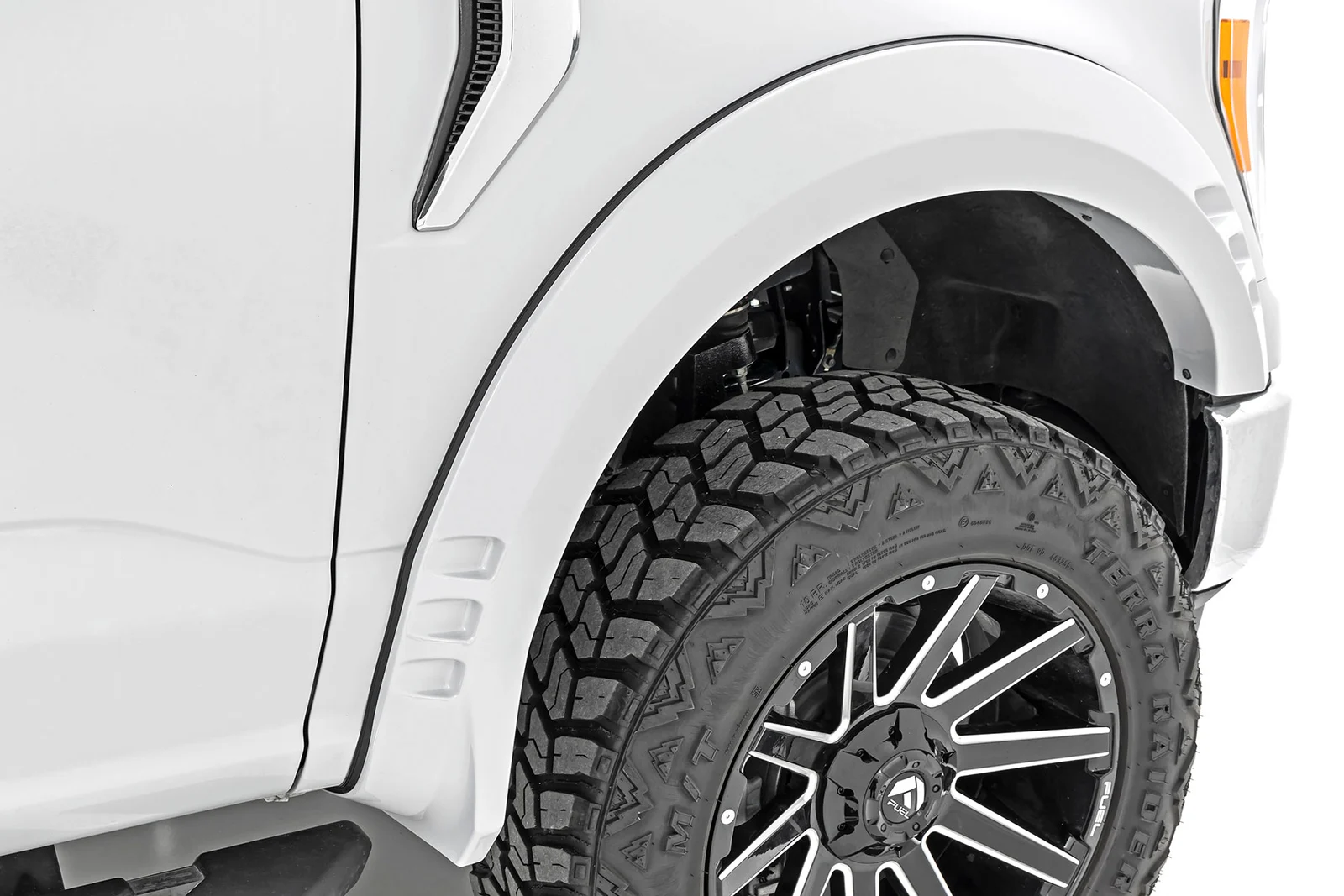
Universal flares versus model-specific flares
Universal fender flares are designed to be cut and shaped for a range of wheel openings. They offer more flexibility than an F-150-specific molded flare, but they still require careful layout and installation. Universal does not mean every truck receives the same result.
Flexible rubber or thermoplastic strip flares may conform more easily to different arches. They can be useful for a practical coverage solution, but the finished appearance and attachment quality depend heavily on the body surface and the selected hardware.
Common problems with forced fitment
- Gaps between the flare and the fender allow water, dirt, and road salt to collect.
- Misaligned fasteners can distort the flare or crack mounting tabs.
- Trimming too much material can reduce coverage or expose the tire during suspension movement.
- Sharp cut edges can damage wiring, the tire, or the installer’s hands.
- New holes without corrosion protection can lead to rust around the wheel arch.
- Uneven left and right placement makes the truck appear misaligned even when clearance is acceptable.
For these reasons, an adaptation is most sensible when the flare is inexpensive, the installer is comfortable with fabrication, and the final design can be tested thoroughly. If the truck is a daily driver or the flare is expensive to paint, a correctly matched F-250 kit is usually the lower-risk choice.
How to Verify the Correct F-250 Fender Flare
Before ordering, identify the truck as precisely as possible. Record the model year, F-250 or F-350 body family, cab configuration, bed length, two- or four-wheel-drive details when the seller requests them, and whether the truck has factory fender flares or an unusual replacement fender.
Use the manufacturer’s application chart as a starting point, then compare the product photographs and installation instructions. The most useful listings identify the exact years, front or rear position, left or right side, bed style, hardware, and whether trimming is required.
Use the truck’s existing flare or wheel opening
If a factory flare is still installed, remove or inspect it carefully and compare its mounting profile with the replacement. If it is missing, make a cardboard template from the wheel opening and adjacent body lines. A template can reveal whether the new part is too short, too flat, or incorrectly positioned before drilling begins.
Measure the flare’s usable coverage rather than only its widest point. Note the distance from the wheel opening to the door seam, bumper, rocker panel, bed rail, and fuel door. These reference points help expose a mismatch that a simple length measurement may hide.
Test-fit before permanent installation
Hold the flare in place with low-tack tape or temporary clamps, protecting the paint from scratches. Check the body line, end points, gap consistency, and relationship to the tire from several angles.
Turn the steering wheel fully in both directions on the front axle. For all corners, inspect clearance with the suspension at normal ride height and consider compression during bumps or a loaded bed. Do not rely only on a stationary visual check from outside the truck.
Confirm hardware and installation requirements
Read whether the kit uses factory holes, self-tapping screws, clips, adhesive, or a combination. Confirm that the included hardware reaches suitable mounting surfaces and that the instructions do not quietly assume a different fender design.
After drilling, deburr and protect exposed metal with an appropriate automotive coating or touch-up product. Keep fasteners clear of wiring and use washers or backing support where needed. Tighten evenly; excessive force can deform plastic and create a permanent stress point.
When an F-250-Specific Kit Is the Better Choice
An F-250-specific flare kit is usually the best route when the objective is a clean appearance, predictable installation, and reliable tire coverage. Correctly designed parts reduce trimming, limit unnecessary holes, and are more likely to match the truck’s body lines.
This matters even more on a newer or well-maintained truck. A low-cost mismatch can become expensive after paint damage, rust repair, replacement hardware, or a second flare kit is added to correct the first attempt.
Check for special truck configurations
Some F-250s have aftermarket bumpers, suspension lifts, wide wheels, replacement bedsides, or prior body repairs. These changes can affect clearance even when the flare itself is correctly listed for the year and model.
Factory and aftermarket flares may also use different coverage goals. One design may follow the original arch closely, while another extends outward to cover a more aggressive wheel-and-tire combination. Select based on the truck’s actual setup, not just the name of the product style.
Ask the seller precise questions
Before purchase, ask whether the part is intended for the exact model year and body style, whether it is front or rear specific, and whether it is a direct replacement or a universal piece. Request the return policy if the part has not been test-fitted.
Useful product details include material, mounting method, included hardware, required trimming, paintability, and the amount of tire coverage. A seller who cannot identify the application clearly may not be able to resolve a fitment problem later.
FAQ: Will F150 Fender Flares Fit F250?
Will an F-150 fender flare bolt directly onto an F-250?
Usually, it will not. The wheel-arch shape, panel dimensions, and mounting locations generally differ, so an F-150 flare should not be assumed to bolt onto an F-250 without modification.
Are F-150 and F-250 wheel openings the same size?
They are not consistently the same. Dimensions and curvature vary by generation, body style, and front or rear position, even when the trucks have similar-looking exterior styling.
Can universal flares work on an F-250?
Yes, some universal flares can be adapted. They must be measured, trimmed, positioned, and securely mounted for the specific truck, and they still need a clearance check through steering and suspension movement.
Does the wheel bolt pattern determine flare fitment?
No. Bolt pattern affects wheel attachment, while a flare must match the body panel and wheel opening. Tire width and wheel offset can influence the coverage needed, but they do not make an F-150 flare a direct F-250 fit.
Can an F-150 rear flare fit an F-250 bed?
It is unlikely to be a direct fit. Bedside contours, wheel openings, end points, and mounting surfaces can differ substantially, so the exact F-250 bed configuration must be verified.
What is the safest way to check a questionable flare?
Use a temporary test fit before drilling or cutting. Compare the wheel arch, body lines, mounting points, tire coverage, steering clearance, and suspension clearance, then follow the manufacturer’s installation requirements.
Final Takeaway on F-150 and F-250 Flare Fitment
So, will f150 fender flares fit f250? In most cases, no—not as a direct, reliable bolt-on part. Similar styling does not overcome differences in generations, wheel-arch contours, panel dimensions, hardware locations, and required tire coverage.
A universal flare or carefully modified part can work, but it carries more measurement, fabrication, corrosion-control, and clearance responsibility. The practical next step is to identify the exact F-250 year and body configuration, compare an F-250-specific application, and test-fit any questionable part before drilling, trimming, painting, or driving.