Will a Chevy 1500 Fender Fit a 2500: Clear Answers and Key Facts
Sometimes, but not automatically. A Chevy 1500 fender may fit a 2500 only when the trucks share the same body style, generation, cab configuration, and front-end design. This guide examines “will a chevy 1500 fender fit a 2500” and explains the details that matter in practice.
That answer matters because Chevrolet uses the 1500 and 2500 labels for different truck classes, but those badges alone do not determine whether a body panel will interchange. Some Silverado models use closely related sheet metal, while others have different suspension dimensions, wheel openings, mounting points, or trim details that make a direct swap impossible. A panel can look nearly identical in a photograph and still fail to align at the door, hood, bumper, grille, or inner fender.
This guide explains how to separate a genuinely compatible panel from a risky visual match. You will learn which model-year clues to compare, why heavy-duty front-end differences matter, how to read aftermarket listings and part numbers, what a professional should inspect before installation, and when modifying a fender is a poor idea. By the end, you should be able to decide whether the proposed panel is a true bolt-on replacement or whether finding a fender made specifically for the 2500 is the safer, less expensive choice.
Will a Chevy 1500 Fender Fit a 2500?
The most accurate answer is that fitment depends on the exact trucks, not simply on the 1500 or 2500 badge. In some Chevrolet Silverado generations, the light-duty and heavy-duty trucks share enough exterior architecture for certain front fenders to interchange. In other generations, the fenders have different shapes, mounting locations, wheel openings, or front-end relationships.
Before buying a used or aftermarket panel, compare the model year range, body style, cab type, bed configuration, and front-end design. A fender listed for a “Silverado” without a detailed application range is not enough information to establish compatibility.
Even when a panel physically bolts on, the result may not be correct. Differences in the wheel-arch profile, body lines, marker-light opening, bumper corner, hood edge, or grille arrangement can leave uneven gaps or prevent other parts from fitting properly.
Why Model Generation Matters More Than the Badge
Chevrolet redesigned its full-size pickups several times, and a redesign can change the basic shape and attachment points of a fender. The 1500 and 2500 may share a platform family while still receiving different exterior panels, especially when the heavy-duty model has a separate front clip or a more substantial suspension layout.
A replacement part’s fitment normally follows a specific generation or production range. For example, a fender for one Silverado body generation should not be assumed to fit an earlier or later truck merely because both are called Silverado 1500 or Silverado 2500. Midyear changes can also affect lamps, emblems, brackets, and wheel-opening details.

Check the production range
Start with the vehicle identification number, model year, and the build configuration. A parts catalog, dealer parts department, or reputable collision-parts supplier can use that information to identify the correct application. A seller who provides only a broad description such as “Chevy truck fender” has not supplied enough detail.
Pay attention to wording such as “early design,” “late design,” “new body style,” or “classic body.” These terms may refer to different sheet-metal shapes sold during overlapping calendar years. The truck’s actual design and production details are more useful than the registration year alone.
Compare the visible body lines
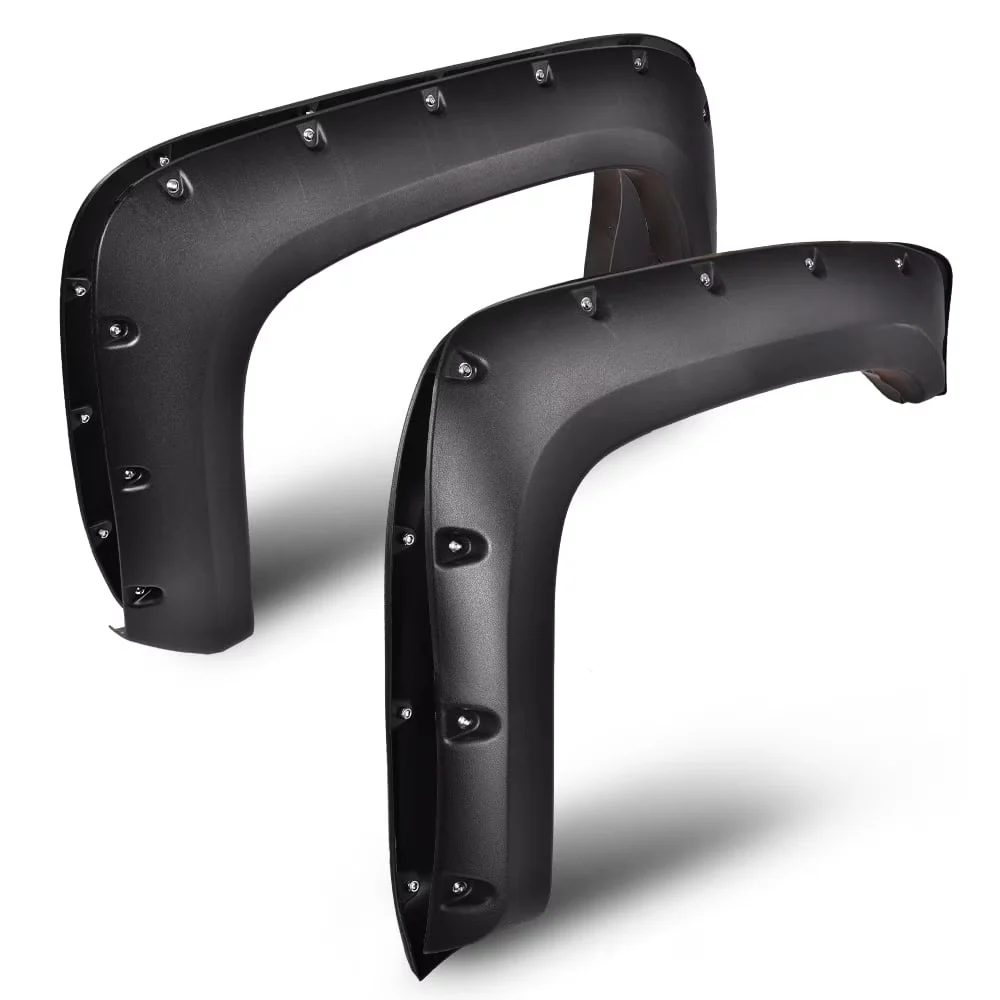
Place photographs of the candidate fender beside the truck, preferably from the same angle. Compare the upper body crease, wheel arch, lower rear corner, headlamp area, and front edge near the grille. A small difference in the contour can indicate a completely different stamping rather than a minor trim variation.
Visual comparison is useful for screening a part, but it is not proof of interchangeability. A panel can share the same general silhouette while using different brackets or mounting holes.
Physical Differences That Can Prevent a Direct Swap
The central issue is whether the replacement fender matches every adjoining component and attachment point. A correct replacement should align with the cab, hood, door, rocker area, inner fender, bumper, and front lighting without forcing the metal into position.
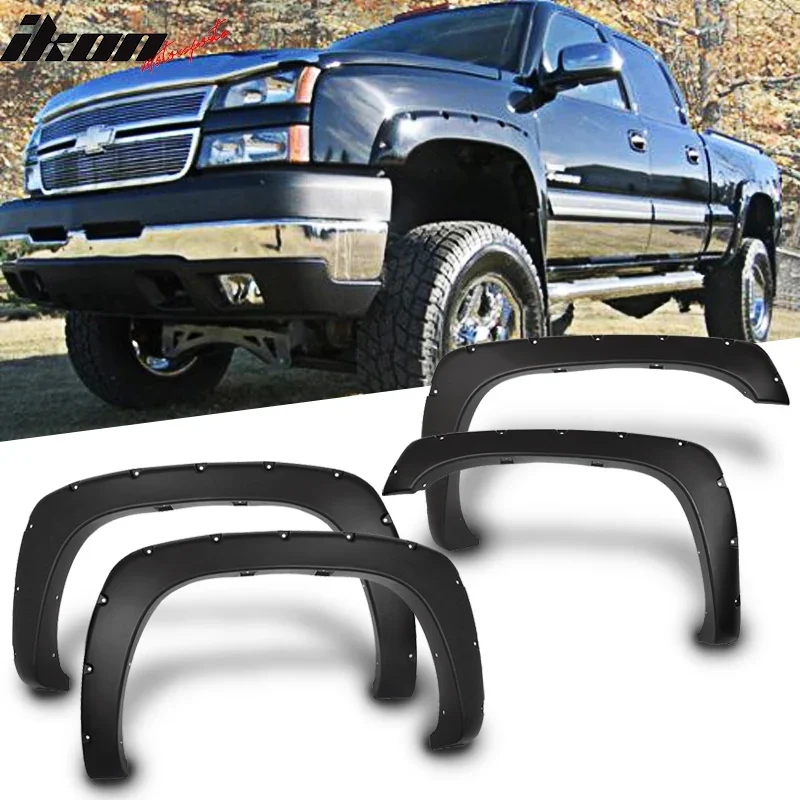
Mounting points and brackets
Fenders are secured through a series of bolts and brackets along the upper rail, door-side edge, lower rear area, and front corner. The number and location of those points may differ between a 1500 and a 2500, even when the outer panel appears similar.
Drilling new holes or bending brackets may make a panel attach, but that does not make it a proper bolt-on fit. Alterations can affect panel alignment, corrosion protection, and the way the fender supports nearby trim or lighting components.
Wheel opening and suspension clearance
The wheel opening must follow the correct radius and position relative to the hub and tire. Heavy-duty trucks can use different suspension components, ride heights, wheels, or tire sizes, so the fender’s arch and inner clearance deserve careful attention.
A mismatch may cause the tire to appear too far forward or rearward in the opening. It can also create contact during steering or suspension travel, especially with larger tires, aftermarket wheels, a suspension lift, or a loaded truck.
Front-end and lighting differences
The front tip of the fender works with the grille, headlamp, turn signal, bumper, and valance. A 1500 panel may have a different contour around these parts than a 2500 panel. Some versions also include different side-marker openings or provisions for trim and nameplates.
Before installation, confirm whether the part is intended for the truck’s exact lamp and grille arrangement. A fender that requires a different light assembly or leaves an exposed gap is not a satisfactory substitute. This distinction matters when answering “will a chevy 1500 fender fit a 2500”.
Cab and door alignment
The rear edge of the fender should meet the front door with a consistent gap from top to bottom. The door must open without contacting the fender, and the body line should continue smoothly across both panels.
If the gap changes sharply or the door catches after the panel is loosely installed, stop before tightening the hardware. Forcing the fender into alignment can distort the panel and hide a fundamental fitment problem.
How to Verify a Fender Before You Buy It
The safest approach is to verify application data first and use physical comparison as a second check. If you are asking, “will a Chevy 1500 fender fit a 2500,” the answer should come from a confirmed part application, not from the seller’s assumption that the trucks look alike.
- Record the truck details. Note the year, Silverado or other Chevrolet model, 1500 or 2500 series, cab style, drivetrain if relevant, and whether the truck has a special front-end package.
- Identify the fender side. Driver-side and passenger-side panels are not interchangeable. Confirm whether the listing uses left/right terminology based on sitting inside the truck.
- Find the part number. Compare the manufacturer or original-equipment number with a catalog that specifically lists the truck. Do not rely only on a photograph.
- Ask for the complete application range. The seller should be able to state the compatible years and configurations, not merely say that the panel came from a similar truck.
- Inspect the mounting details. Compare bolt holes, welded brackets, marker-light openings, wheel-arch shape, and the front and rear edges.
- Confirm related parts. Check whether the hood, grille, headlamp, bumper, inner fender, and wheel-opening molding remain the original truck’s components.
- Review the return policy. This is especially important for painted, used, imported, or modified body panels.
When possible, test-fit an unpainted panel before applying finish materials. Paint and bodywork can make a return difficult, and a mismatch becomes more expensive after preparation and installation.
Does a 1500 Fender Need Modification to Fit a 2500?
Modification is sometimes possible, but it is rarely the best solution for an ordinary replacement. Cutting, drilling, welding, or reshaping the panel can weaken the surrounding metal, remove corrosion protection, and make the final body gaps difficult to control.
A body shop may be able to adapt a panel for a custom build, restoration, or unusual parts combination. That work requires more than making the bolt holes line up; the technician must preserve tire clearance, panel strength, drainage, edge protection, and alignment with the hood and door.
For a daily-driven truck or an insurance-quality repair, a correctly cataloged 2500 fender is generally the better choice. The price of a cheaper mismatched panel can quickly disappear through extra labor, paint correction, filler work, replacement brackets, and repeated installation attempts.
Warning signs that the panel is wrong
- The wheel arch does not center over the tire.
- The door-side edge has a noticeably different angle or length.
- The upper bolt holes line up, but the lower bracket does not.
- The grille, headlamp, or bumper corner leaves an unusual gap.
- The seller cannot identify the donor truck’s year or body generation.
- The listing says “may require modification” without describing the required work.
- The fender blocks, touches, or sits close to the tire at steering lock.
- Body lines fail to continue from the door into the fender.
Used, Aftermarket, and Original-Equipment Fender Differences
A used original-equipment panel can be a strong option when it comes from a confirmed matching truck. It may have better contour accuracy than an inexpensive reproduction, but it should be checked for rust, previous repairs, stretched mounting holes, hidden dents, and damage around the wheel arch.
Aftermarket fenders vary in stamping quality. Even when the application is technically correct, a lower-quality reproduction may need adjustment before the gaps and body lines look right. That is a quality-control issue separate from whether the 1500 and 2500 versions are interchangeable.
Original equipment does not automatically mean the part fits every truck in the same series. The original part must still match the vehicle’s year range and configuration. Conversely, an aftermarket part can fit well if its catalog application is accurate and its construction matches the intended design.
Questions to ask a seller
Ask whether the fender is for a 1500, 2500, or both, and request the exact year range. Also ask whether it includes brackets, a side-marker opening, molding holes, or other features that differ by trim level.
For a used panel, request photographs of the inside surface and every mounting area. The outer shape alone will not reveal missing brackets, repaired rust, or holes made for a different light or emblem.
Safety and Installation Considerations
A fender is not usually a primary crash structure, but it sits near components that affect safe operation. Before final tightening, check tire clearance through steering movement and suspension travel, and make sure the panel does not interfere with the headlamp, turn signal, hood latch area, or bumper.
Use appropriate support and protective equipment when removing the old panel. Sheet-metal edges can be sharp, and a door or hood can shift when adjacent fasteners are loosened. If the truck has collision damage, do not assume a replacement fender will correct an underlying bent apron, hinge pillar, radiator support, or frame-related alignment issue.
Have a collision-repair professional inspect the truck if the replacement will not align, several panels are displaced, the door has changed position, or the front wheel appears out of place. A new fender cannot solve structural damage, and forcing one into position can create further problems.
Frequently Asked Questions
Will a Chevy 1500 fender fit a 2500
Not necessarily. The same model year does not guarantee shared sheet metal because Chevrolet may use different front-end designs or mounting arrangements. Confirm the exact body generation and part application before purchasing.
Are Silverado 1500 and 2500 fenders interchangeable?
Some may be, but interchangeability is generation-specific. Certain trucks share exterior architecture, while others have different wheel openings, brackets, and front-end contours. A verified part number or catalog application is more reliable than the Silverado name alone.
Can a 1500 fender be used on a 2500 if
Matching bolt holes are only one fitment test. The panel must also align with the door, hood, grille, bumper, lighting, and tire, with adequate clearance during steering and suspension movement.
Will a heavy-duty 2500 fender fit a 1500?
It depends on the same factors in reverse. A 2500 panel may have a different arch, bracket layout, or front corner even if the trucks share a cab and general styling. Verify the application for the specific 1500 before attempting installation.
Can a body shop make a mismatched fender work?
A skilled shop may be able to modify it, but adaptation is not the same as correct fitment. Custom work can add labor and may affect strength, corrosion resistance, clearances, and future service. For a standard repair, the correctly specified panel is usually preferable.
What information should I provide when ordering a replacement?
Provide the VIN or exact model details whenever possible. Include the year, series, cab style, body generation, side of the truck, trim-related openings, and any special front-end equipment. These details help prevent a visually similar but incompatible purchase.
Conclusion: Verify the Exact Application Before Buying
So, will a Chevy 1500 fender fit a 2500? It can in some closely related applications, but the badge, year, or similar appearance is not enough to prove a direct fit. The major limitations are generation differences, mounting points, wheel-arch geometry, front-end design, and clearance around the tire and adjoining panels.
Use the VIN or a confirmed part number, compare the complete application range, and inspect the mounting and body-line details before buying. If the panel needs substantial drilling, bending, or cutting, pause and have a body professional verify the repair rather than risking poor alignment or unsafe clearance.