Are Wheel Arch Liners Necessary: What to Know and Why It Matters
Yes, wheel arch liners are necessary on most vehicles because they shield the inner fender, wiring, suspension parts, and bodywork from water, mud, gravel, and road salt. A damaged or missing liner may not make the car undriveable immediately, but leaving the problem unresolved can allow avoidable corrosion and component damage. This guide examines “are wheel arch liners necessary” and explains the details that matter in practice.
You may be trying to decide whether a loose panel can be ignored, whether a replacement is worth the cost, or whether a vehicle can safely be driven without one. The answer depends on the liner’s condition, its location, the weather and roads you use, and whether exposed parts are already damaged.
This guide explains what these panels do, the risks of removing or neglecting them, the situations where a temporary repair may be acceptable, and the signs that call for prompt attention. You will be able to inspect the wheel well, judge the seriousness of missing fasteners or torn plastic, compare repair options, and decide when professional help is the safer choice.
What wheel arch liners do
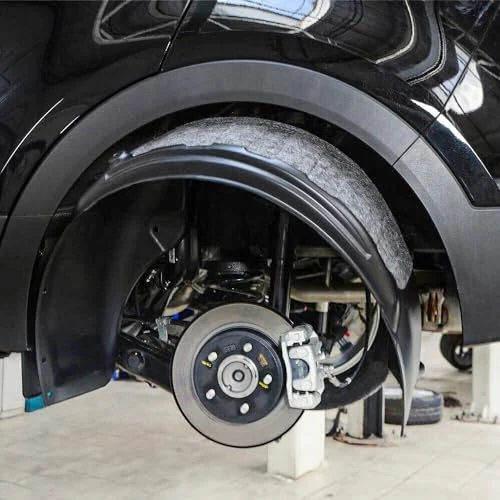
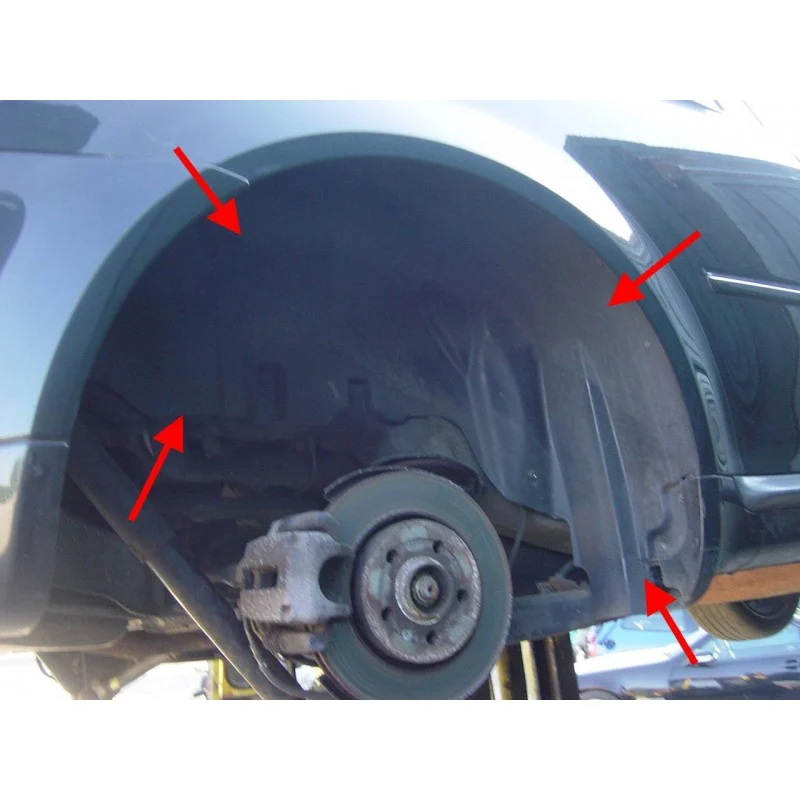
A wheel arch liner, also called an inner fender liner or splash shield, is a shaped panel fitted inside the wheel well. It follows the curve of the tire and separates the rotating wheel from vulnerable areas behind the fender and bumper.
The exact design varies by vehicle. Some liners are molded from flexible plastic, while others use composite material, felt-like fiber, or several interlocking sections. Front and rear liners may serve different purposes, and some vehicles also have lower engine splash shields connected to the wheel-well protection.
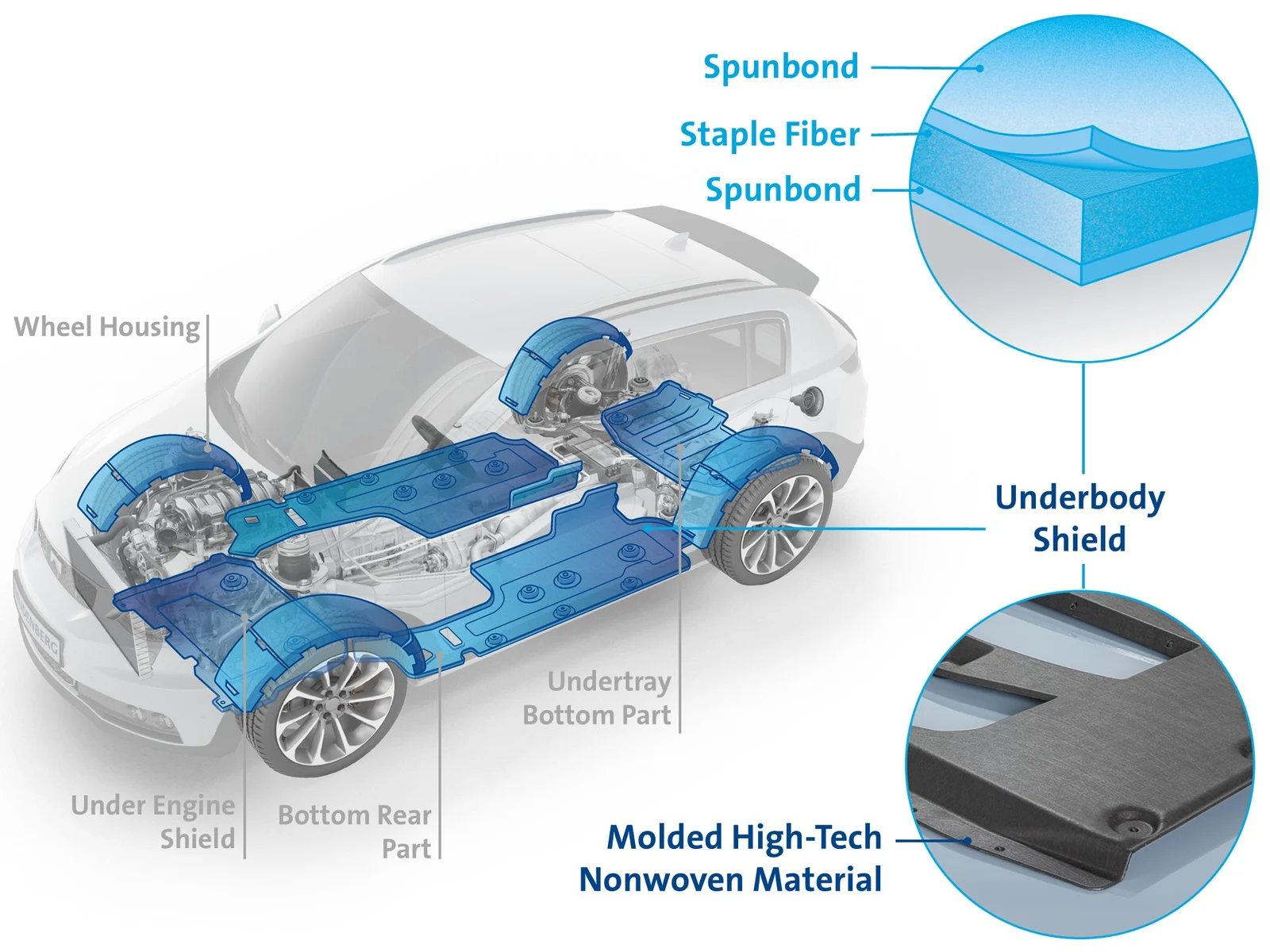
- Blocks water and mud thrown outward by the tire.
- Reduces impact from gravel, ice, and other road debris.
- Protects wiring harnesses, brake lines, connectors, and suspension components.
- Helps keep dirt away from the inner fender and body seams.
- Can reduce wind noise and control airflow around the wheel area.
- Supports the intended sealing and drainage arrangement of the wheel well.
The panel does not make the wheel well waterproof. Water still enters during rain, washing, and driving through puddles, but the liner controls where that spray travels and limits direct impact. Properly designed gaps and drain paths allow moisture to escape instead of trapping it against the body.
Are wheel arch liners necessary on every vehicle?
For normal road use, yes, a vehicle should have its original wheel arch liners installed and securely fastened. They are part of the manufacturer’s overall protection system, even though a car may continue moving for some time after one becomes loose or falls away.
A vehicle might operate without a liner in a dry climate or for a short distance without immediate symptoms. That does not mean the panel is unnecessary; it means the resulting damage may take time to appear. Repeated exposure to water, salt, and abrasive dirt is usually more important than one short trip.
The need is especially clear when the missing section exposes:
- Electrical wiring, sensors, or electronic control connectors.
- Brake hoses, hard lines, or parking-brake components.
- Strut mounts, shock absorbers, bushings, or other suspension parts.
- Unprotected body seams behind the fender.
- Air ducts, cooling components, or the back of a headlamp assembly.
Some off-road or competition vehicles use different guards and may be deliberately modified. Those applications should still provide equivalent protection for critical parts. Removing a factory liner without understanding what it shields can create a problem rather than a useful modification.
What happens when a liner is missing or damaged?
A missing wheel arch liner allows the tire to throw water and debris directly into spaces the vehicle was designed to protect. The consequences range from annoying noises and dirty components to corrosion, electrical faults, and damage to nearby plastic panels.
Corrosion is one of the main long-term concerns. Road salt and wet dirt can collect around seams, clips, brackets, and metal edges, especially where a torn liner lets spray strike from an unusual direction. Rust may begin out of sight and later affect the fender, rocker panel, subframe, or mounting points.
Water intrusion can also affect electrical systems. A wet connector may work normally at first, then develop intermittent faults as terminals corrode. Depending on its location, the exposed wiring could serve an ABS sensor, wheel-speed sensor, lighting system, airbag circuit, or other vehicle system.
There can be mechanical effects too. Grit and moisture may shorten the life of exposed suspension or steering components, while a loose piece of plastic can rub against the tire. If the tire contacts the liner, the damage can become worse quickly and may create a dangerous interference issue.
This distinction matters when answering “are wheel arch liners necessary”.
Some vehicles use the front liner to help manage airflow into the engine compartment, brake area, or radiator ducting. A missing section can therefore change airflow or allow debris to reach hot components, although the exact effect depends on the vehicle’s design.
How to tell whether a wheel arch liner needs replacement
Inspect the wheel well with the vehicle parked on a level surface, the engine off, and the steering turned only as needed for visibility. A flashlight can reveal missing clips, cracks, exposed wiring, or dirt buildup that is difficult to see in normal daylight.
Look for a liner that is split, heavily curled, hanging down, or pushed inward toward the tire. Small surface scratches are generally less urgent than a torn mounting edge or a section that no longer covers the body seam.
Signs that require prompt attention
- The panel touches the tire during steering or driving.
- Part of it hangs close to the road or can catch on another object.
- Sharp plastic edges point toward the tire, brake hose, or wiring.
- Fasteners are missing and the panel moves freely by hand.
- Electrical wires, connectors, or brake components are visible.
- There is fresh rubbing, grinding, or flapping noise from the wheel area.
- The inner fender shows wet mud, packed salt, or visible rust.
A liner that is only slightly loose may need new clips rather than a complete replacement. However, do not assume a noise is harmless: tire rubbing can damage the tire sidewall, and a panel may shift farther when the wheel is turned or the suspension moves.
Can you drive without a wheel arch liner?
Short-distance driving may be possible if the remaining panel is secure, nothing touches the tire, and no wiring or safety-related component is exposed. This is a temporary judgment, not a reason to treat the missing protection as acceptable indefinitely.
Avoid driving, or arrange inspection promptly, if the liner is dragging, rubbing, or blocking the wheel. The same applies when a brake hose, tire, electrical harness, or suspension part appears vulnerable. Driving through heavy rain, deep puddles, mud, or salted winter roads increases the potential for damage.
If a panel is loose, do not reach behind the wheel while it is turning, and do not work beneath a vehicle supported only by a jack. When access requires lifting the car, use properly rated jack stands on suitable support points and follow the vehicle service information.
A temporary securing method may be reasonable only when it keeps the panel fully away from the tire and hot or moving components. A missing fastener can sometimes be replaced with the correct automotive clip, but improvised wire, household screws, or oversized hardware may puncture wiring or fail under vibration.
Repair and replacement options
The best repair depends on whether the liner itself is intact and whether its mounting points remain usable. Start by identifying the cause of the failure, because replacing the panel alone will not solve a bent bracket, damaged bumper edge, or broken wheel-well mounting point.
Replacing missing clips
If the plastic is sound and the holes are not torn, replacement retainers may restore the original fit. Use clips designed for that vehicle or measure the old fastener carefully; similar-looking push pins can have different stem sizes and locking designs. Keep these limitations in mind when considering “are wheel arch liners necessary”.
Repairing a minor split
A small crack away from the tire may be stabilized with a suitable automotive repair method, but the repair must remain flexible and clear of moving parts. Adhesive alone often fails when the panel flexes, becomes wet, or encounters cold temperatures.
Replacing the complete liner
A badly torn, distorted, or missing panel should usually be replaced. Confirm the correct side, front or rear position, body style, and sensor or duct openings before ordering. Some vehicles use multiple pieces, so a single replacement may not include adjacent shields or mounting hardware.
After installation, check that the liner follows the wheel arch, all accessible fasteners are seated, and the tire clears it with the steering turned left and right. The panel should not press against the tire, brake assembly, suspension, or exhaust-related heat source.
Why liners sometimes fail
Impact is a common cause. A deep pothole, curb strike, snowbank, or piece of road debris can crack the plastic or pull out its fasteners. A collision repair may also leave a liner misaligned if the bumper, fender, or mounting bracket was not restored correctly.
Age and environmental exposure contribute as well. Plastic can become brittle from ultraviolet light, heat cycles, and cold weather, while fiber-style material may soften or tear after repeated saturation. Packed mud and ice can add weight and force to a panel that was designed to carry very little load.
Incorrect tire size, altered ride height, worn suspension, or an improperly fitted aftermarket bumper can create rubbing. If a replacement liner fails soon after installation, inspect for an underlying clearance or alignment issue rather than fitting another panel without investigation.
How to maintain wheel arch protection
Rinse the wheel wells periodically, particularly after driving on salted roads or through heavy mud. Removing packed dirt helps you spot cracks and prevents abrasive material from staying against seams and fasteners.
During routine tire changes or brake inspections, look behind the wheel for loose clips and damaged edges. Avoid directing a high-pressure washer at close range into electrical connectors, seals, or the liner’s mounting points, since excessive pressure can force water where it does not belong.
Do not drill extra holes or remove sections merely to make cleaning easier. Any modification can change splash protection and airflow, and an enlarged opening may expose a component that the original panel deliberately covered.
Frequently asked questions about wheel arch liners
Are wheel arch liners necessary if the car is driven
Yes, they remain useful for urban driving. City roads still produce water spray, gravel impact, curb debris, and winter salt. Short trips may reduce exposure, but they do not eliminate the need for the intended protection.
Can a missing liner cause a check-engine light?
It can, but not directly in every vehicle. If exposed water or debris damages a sensor, connector, or wiring harness, the resulting fault may trigger a warning light. A missing panel by itself does not automatically produce an engine fault.
Is a cracked wheel arch liner an urgent safety problem?
It becomes urgent when it can contact the tire or expose critical parts. A stable crack in an outer section may allow limited driving to a repair facility, while a hanging panel or exposed brake hose should be addressed before driving.
Can I remove the liner permanently for more clearance?
Permanent removal is generally a poor choice for a street vehicle. It may increase exposure to water, dirt, and impact, and it can create tire-clearance or airflow problems elsewhere. A correctly designed replacement or modified guard is safer than leaving the wheel well open.
Are front and rear wheel arch liners interchangeable?
No, they are normally shaped and mounted for a specific location. Front and rear wheel wells have different suspension, bumper, fuel, exhaust, and airflow arrangements. Verify the exact vehicle application before purchasing a part.
Should I replace the liner after a minor fender-bender?
Inspect it even if the visible body damage looks small. The impact may have cracked hidden mounting tabs or shifted the liner into the tire’s path. Replace or refit it if it no longer sits securely in its original position.
Conclusion: are wheel arch liners necessary?
Are wheel arch liners necessary? For nearly every normally driven passenger vehicle, yes: they provide important protection against water, road salt, gravel, and debris while helping shield wiring, brakes, suspension parts, and body seams.
A loose or missing liner should not be ignored, especially when it rubs the tire, hangs toward the road, or exposes safety-related components. Inspect the wheel well, replace damaged clips or the complete panel as appropriate, and seek professional help when clearance, wiring, braking parts, or structural damage is uncertain.