How Long Do Tonneau Covers Last: Key Facts and Helpful Guidance
The open bed of a pickup truck offers unparalleled utility, but it also leaves your cargo exposed to the elements and prying eyes. That’s where a tonneau cover comes in, transforming your truck bed into a secure, protected storage area. However, like any automotive accessory, tonneau covers aren’t designed to last forever. Understanding their lifespan is crucial for budgeting, maintenance, and making an informed purchase decision.
Many truck owners wonder about the longevity of these covers, especially given the variety of materials and designs available. From soft roll-ups to hard folding covers, each type presents different durability characteristics and maintenance needs.
I often hear questions about how long do tonneau covers last, and it’s a perfectly valid concern. Investing in a tonneau cover is a significant decision, and you want to ensure you’re getting good value for your money. This article will delve into the factors that influence a tonneau cover’s lifespan, explore the expected durability of different types, and provide practical tips to help you maximize its years of service.
By the end of this guide, you’ll have a clear understanding of what to expect from your tonneau cover and how to keep it in top condition for as long as possible, ensuring your cargo remains safe and dry for many miles to come.
Understanding the Lifespan of Tonneau Covers
When considering the question of how long do tonneau covers last, it’s important to recognize that there isn’t a single, universal answer. The lifespan can vary significantly, ranging from just a few years to well over a decade, depending on a multitude of factors. I’ve seen covers that look brand new after seven years and others that show significant wear after only three. This variability is why understanding the contributing elements is so important.
Generally speaking, a good quality tonneau cover, properly maintained, can be expected to last anywhere from 5 to 10 years. However, this is a broad average, and several key elements can push that number up or down. These factors include the type of cover, the materials it’s made from, the climate it endures, how frequently it’s used, and the level of care it receives.
For instance, a soft vinyl roll-up cover will typically have a shorter lifespan than a hard aluminum folding cover, simply due to the inherent differences in material durability. Similarly, a truck parked in a garage in a mild climate will likely see its tonneau cover last longer than one constantly exposed to harsh sun, heavy snow, or extreme temperature fluctuations.
My goal here is to break down these influencing factors so you can better estimate the expected life of your specific cover and take proactive steps to extend it.
Factors Influencing Tonneau Cover Lifespan
Several critical elements dictate how long your tonneau cover will remain functional and aesthetically pleasing. Understanding these factors is key to making an informed purchase and ensuring proper care.
Material Quality and Type
The materials used in a tonneau cover are perhaps the most significant determinant of its longevity. Different types of covers utilize different primary materials, each with its own durability profile.
- Soft Covers (Vinyl, Fabric): These covers, often made from marine-grade vinyl or canvas-like fabric, are generally the least expensive and tend to have the shortest lifespan. Vinyl can become brittle, crack, or fade over time due to UV exposure and extreme temperatures. Fabric covers can also fade and may be more susceptible to tears or punctures. I typically see these lasting 3-7 years, though high-quality versions with excellent UV protection can exceed that.
- Hard Folding Covers (Aluminum, FRP, ABS): These are much more durable. Aluminum panels are robust, resistant to punctures, and hold up well against the elements. Fiberglass Reinforced Polymer (FRP) and Acrylonitrile Butadiene Styrene (ABS) plastic panels also offer excellent impact resistance and UV stability. I find these covers often last 7-15 years, with the aluminum versions frequently at the higher end.
- Retractable Covers (Aluminum, Polycarbonate): These covers, often made from interlocking aluminum slats or polycarbonate, are designed for durability and security. The robust materials and complex mechanisms are built to last. The main wear points can be the canister and the tracks, but the cover itself is very resilient. Expect these to last 10-15+ years with proper maintenance.
- Hard One-Piece Covers (Fiberglass, ABS): These painted covers are essentially an extension of your truck’s body. Made from durable fiberglass or ABS, they are highly resistant to weather and impact. Their lifespan often mirrors that of the truck itself, easily lasting 10-20 years or more, provided the paint finish is maintained.
Climate and Environmental Exposure
Where you live and how your truck is stored play a huge role in the wear and tear your tonneau cover experiences.
- UV Radiation: Prolonged exposure to direct sunlight and its ultraviolet (UV) rays is a major enemy of tonneau covers, especially soft vinyl and fabric types. UV breaks down polymers, causing fading, cracking, and brittleness. Even hard covers can suffer from paint fade or clear coat degradation over time.
- Extreme Temperatures: Both intense heat and freezing cold can impact materials. Vinyl can become soft and sticky in extreme heat, then brittle and prone to cracking in freezing temperatures. Seals and gaskets can also degrade under these conditions, leading to leaks.
- Precipitation: Heavy rain, snow, and ice constantly test the seals and water-shedding capabilities of a cover. While modern covers are designed to be weather-resistant, constant exposure to moisture can accelerate wear on components and lead to potential leaks if seals aren’t maintained.
- Road Salt and Chemicals: In regions where roads are salted in winter, corrosive salt spray can affect metal components, hinges, and even the finish of hard covers if not regularly cleaned.
Frequency of Use and Operation
How often you open, close, roll, or fold your tonneau cover directly impacts its mechanical components and surface wear.
- Frequent Operation: Covers that are opened and closed multiple times a day will naturally experience more wear on hinges, latches, springs, and tracks than those that are rarely touched. This is particularly true for folding and retractable covers.
- Improper Operation: Forcing a cover, not ensuring it’s properly latched, or allowing debris into tracks can cause premature damage. I always advise people to operate their covers smoothly and gently.
- Cargo Contact: If you frequently load items that rub against the underside of the cover or place heavy objects on top (for hard covers designed to support weight), this can cause scuffs, scratches, or structural stress over time.
Maintenance and Care
This is perhaps the most controllable factor. A well-maintained tonneau cover will almost always outlast one that is neglected.
- Regular Cleaning: Dirt, grime, tree sap, and bird droppings can degrade materials if left on the surface. Regular washing with mild soap and water is essential.
- UV Protection: Applying UV protectants to vinyl and plastic components can significantly extend their life by shielding them from sun damage.
- Lubrication: For folding and retractable covers, lubricating hinges, latches, and tracks according to the manufacturer’s recommendations prevents seizing and ensures smooth operation.
- Seal Inspection: Regularly checking and cleaning the perimeter seals and weatherstripping helps maintain water resistance and prevents leaks. Replacing worn seals promptly is crucial.
- Tightening Hardware: Over time, mounting clamps and other hardware can loosen. A quick check and tightening can prevent rattles and ensure the cover remains securely attached.
Installation Quality
A tonneau cover that isn’t installed correctly can suffer premature wear and tear, or even fail prematurely.
- Misalignment: If the cover is not square on the truck bed, it can put undue stress on hinges, latches, and seals, leading to uneven wear or leaks.
- Over-tightening/Under-tightening: Clamps that are too tight can damage the bed rails or the cover’s frame. Clamps that are too loose can allow the cover to shift, causing abrasion or even detachment.
- Improper Sealing: If the initial installation doesn’t properly seal the cover to the bed, water intrusion will be an ongoing issue, potentially damaging both the cover and your cargo.
Considering these factors collectively provides a much clearer picture of what to expect from your tonneau cover’s lifespan and how you can actively influence it.
Expected Lifespan by Tonneau Cover Type
While the factors above apply broadly, the inherent design and materials of each tonneau cover type lead to different average lifespans. Here, I’ll break down what you can generally expect from each common category.
Soft Roll-Up Covers
These are typically the most affordable and, consequently, often have the shortest lifespan among tonneau covers. They consist of a vinyl or fabric tarp that rolls up towards the cab.
- Typical Lifespan: 3 to 7 years.
- Why: The primary material, vinyl or fabric, is more susceptible to UV degradation, fading, cracking, and tearing compared to hard materials. The stitching can also degrade over time. The frame components are often lighter gauge aluminum or plastic, which can also show wear sooner.
- Extending Life: Regular cleaning, frequent application of UV protectants (especially for vinyl), and careful operation are crucial. Avoiding prolonged exposure to harsh sun and extreme cold without protection will help significantly.
Soft Folding Covers
Similar to soft roll-ups in material, these covers fold into two or three sections. They offer slightly more rigidity than roll-ups but still rely on flexible materials.
- Typical Lifespan: 4 to 8 years.
- Why: The vinyl or fabric panels face similar challenges with UV and temperature as soft roll-ups. However, the folding design often means less stress on the material during opening and closing compared to constant rolling. The underlying frame structure for each panel also adds a bit more stability.
- Extending Life: Identical to soft roll-ups – consistent cleaning, UV protection, and gentle handling of the folding mechanisms.
Hard Folding Covers
These are a very popular choice, offering a good balance of security, durability, and convenience. They typically feature aluminum, FRP (Fiberglass Reinforced Polymer), or ABS plastic panels that fold up.
- Typical Lifespan: 7 to 15 years.
- Why: The hard panels are far more resistant to punctures, tears, and significant UV damage than soft materials. Aluminum and FRP are particularly robust. The hinges and seals are the primary wear points. High-quality hard folders often use durable aluminum frames and robust latching systems.
- Extending Life: Regular cleaning of the panels, periodic lubrication of hinges and latches, and inspection/replacement of perimeter seals are key. Protecting the finish (especially painted FRP/ABS) with waxes or sealants will also help.
Retractable Covers
Retractable covers slide into a canister mounted at the front of the truck bed. They can be made of aluminum slats, polycarbonate, or even heavy-duty vinyl/fabric.
- Typical Lifespan: 10 to 15+ years.
- Why: These covers are built for durability and security. The interlocking aluminum or polycarbonate slats are extremely tough. The main components are the canister, tracks, and the spring/tension mechanism. While more complex, these systems are designed for longevity.
- Extending Life: Critical maintenance includes keeping the tracks clean and free of debris, periodically lubricating the tracks and moving parts (as per manufacturer instructions), and ensuring the drainage tubes from the canister are clear.
Hard One-Piece (Hinged) Covers
These covers are essentially a solid lid that hinges at the front, often painted to match the truck’s color. They offer the highest level of security and weather protection.
- Typical Lifespan: 10 to 20+ years.
- Why: Made from durable fiberglass or ABS plastic, these covers are very robust and designed to last. Their construction is similar to parts of the truck body itself. The primary wear points are the gas struts (which lift the cover), hinges, and perimeter seals.
- Extending Life: Regular washing and waxing to protect the paint finish are paramount, just like the rest of your truck. Periodically check and lubricate hinges, and inspect/replace gas struts when they lose their lifting power. Ensure the seals remain pliable and intact.
It’s important to remember these are averages. A high-quality soft cover that is meticulously cared for in a mild climate might outlast a neglected, mid-range hard cover in a harsh environment. Your personal habits and local conditions will always play a significant role.
Signs Your Tonneau Cover is Nearing the End of Its Life
Even with the best care, all tonneau covers eventually show signs of wear and tear that indicate it might be time for a replacement. Recognizing these symptoms early can help you plan and avoid unexpected issues.
Visible Damage to the Cover Material
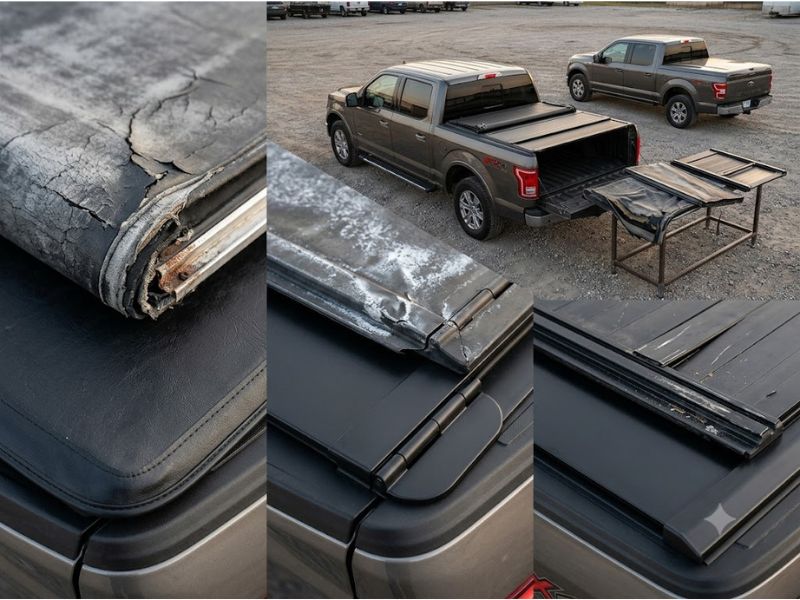
- Cracking or Peeling (Vinyl/Fabric): For soft covers, this is a clear sign of UV degradation and material fatigue. Cracks compromise water resistance and will only worsen.
- Fading or Discoloration: While cosmetic, severe fading, especially uneven fading, indicates the material’s protective layers are breaking down. This often precedes more structural issues.
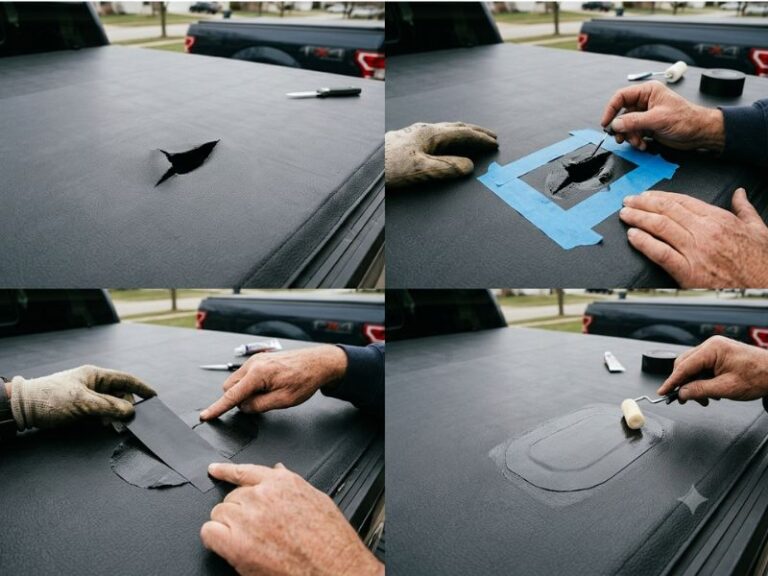
- Tears or Punctures: Any breach in the cover material, whether from impact or age, compromises its ability to protect cargo from weather and theft. Small tears can often be patched, but extensive damage means replacement.
- Dents or Deformations (Hard Covers): While hard covers are durable, significant dents or warping can affect their ability to seal properly or operate smoothly.
Compromised Water Resistance
The primary function of a tonneau cover is to keep your truck bed dry. If it’s failing at this, it’s a major problem.
- Persistent Leaks: If you find water in your truck bed after rain, even after checking and cleaning seals, it’s a strong indicator that the cover’s sealing integrity is compromised. This could be due to worn seals, a warped frame, or material damage.
- Degraded Seals: Visibly cracked, hardened, or shrunken rubber or foam seals around the perimeter or between panels are a common cause of leaks. While seals can sometimes be replaced, widespread degradation might mean the cover’s frame is no longer holding them correctly.
Difficulty in Operation or Mechanical Failure
If your cover isn’t opening, closing, or latching as it should, it’s a sign of mechanical wear.
- Sticking or Grinding (Retractables): If your retractable cover is hard to open or close, or makes grinding noises, the tracks might be damaged, or the internal mechanism is failing.
- Loose or Broken Hinges/Latches (Folding Covers): Hinges that are wobbly, rusted, or broken, or latches that don’t engage securely, compromise both security and functionality.
- Weak Gas Struts (Hinged Covers): If your one-piece cover no longer stays open on its own, or is difficult to lift, the gas struts have lost their pressure and need replacement. While struts are replaceable, if other components are also failing, it might be time for a new cover.
- General Looseness or Rattling: If the cover feels less secure, rattles excessively while driving, or shifts on the bed rails, it indicates worn mounting hardware or a compromised frame.
Poor Fit or Alignment
Over time, a cover’s frame can warp, or the mounting system can become compromised, leading to a poor fit.
- Gaps Between Cover and Bed Rails: Noticeable gaps, especially uneven ones, mean the cover is no longer sitting flush. This leads to leaks and reduced security.
- Misalignment: If the cover is visibly crooked or doesn’t sit squarely on the bed, it can put stress on components and prevent proper sealing.
When you start noticing a combination of these issues, it’s a good indication that your tonneau cover is reaching the end of its functional life. While some minor issues can be repaired, widespread problems usually mean a replacement will be more cost-effective and reliable in the long run.
Maximizing Your Tonneau Cover’s Lifespan: Practical Tips
Extending the life of your tonneau cover isn’t complicated, but it does require consistent effort. By following these practical tips, you can significantly increase the years of service you get from your investment.
Regular Cleaning and Protection
This is the most fundamental and impactful aspect of tonneau cover maintenance.
- Wash Regularly: Just like your truck, your tonneau cover needs regular washing. Use mild automotive soap and water. Avoid harsh detergents, abrasive cleaners, or stiff brushes, especially on soft vinyl or fabric. I recommend washing it every time you wash your truck, or at least once a month.
- Remove Debris Promptly: Tree sap, bird droppings, and industrial fallout can degrade materials if left on the surface. Clean them off as soon as possible.
- Apply UV Protectant (Soft Covers): For vinyl and fabric covers, a high-quality UV protectant (like 303 Aerospace Protectant or specific tonneau cover conditioners) is your best friend. Apply it every 1-3 months, especially if your truck is frequently parked outdoors. This prevents fading, cracking, and hardening.
- Wax/Sealant (Hard Covers): Treat hard, painted covers like the rest of your truck’s paint. Wash, wax, or apply a paint sealant regularly to protect the finish from UV rays and environmental contaminants.
- Clean Tracks and Canister (Retractables): Regularly clear out leaves, dirt, and debris from the side rails and the canister area of retractable covers. A leaf blower or a gentle rinse can help.
Proper Operation and Handling
How you interact with your cover daily makes a difference.
- Operate Smoothly: Avoid forcing the cover open or closed. If it’s sticking, investigate the cause (debris, lack of lubrication) rather than applying excessive force.
- Ensure Proper Latching: Always make sure the cover is fully closed and securely latched before driving. A partially latched cover can flap, causing damage to itself and potentially your truck.
- Avoid Overloading (Hard Covers): If your hard cover is designed to support weight, adhere to the manufacturer’s weight limits. Do not stand or place excessively heavy objects on covers not designed for it.
- Clear Snow/Ice: Before operating any tonneau cover, especially soft ones, gently clear off any accumulated snow or ice. Attempting to roll or fold a frozen cover can cause tears or damage to mechanisms.
Routine Inspections and Adjustments
A quick visual check can catch small issues before they become big problems.
- Inspect Seals: Periodically check all perimeter seals and seals between panels for cracks, hardening, or tears. Clean them with a mild soap and water solution to keep them pliable. Replace damaged seals promptly.
- Check Hardware: Over time, mounting clamps and other fasteners can loosen. Give them a quick check every few months and tighten as needed, but don’t over-tighten.
- Lubricate Moving Parts: For folding and retractable covers, lubricate hinges, latches, and tracks with a silicone-based lubricant (avoid petroleum-based products on rubber/plastic) according to the manufacturer’s recommendations. This ensures smooth operation and prevents wear.
- Drainage (Retractables): Ensure the drainage tubes from the retractable cover’s canister are clear and free-flowing. Clogged drains can lead to water backing up into the canister.
Storage and Environmental Considerations
Minimizing exposure to harsh conditions can significantly prolong life.
- Garage Parking: If possible, parking your truck in a garage or under a carport will shield your tonneau cover from the worst of UV rays, extreme temperatures, and precipitation.
- Winter Care: In cold climates, be extra vigilant about clearing snow and ice. Consider a protective cover for your tonneau cover if your truck is parked outside for extended periods in harsh winter weather.
By integrating these practices into your routine, you’ll not only extend the functional life of your tonneau cover but also keep it looking good and performing optimally for many years.
When to Consider Replacing Your Tonneau Cover
Even with diligent care, there comes a point when repairing a tonneau cover becomes less practical or cost-effective than replacing it. Knowing when to make that decision can save you frustration and ensure your truck bed remains protected.
Cost of Repairs vs. Replacement
This is often the primary driver. If the cost of repairing multiple components (e.g., new vinyl, multiple hinges, new seals, and gas struts) approaches or exceeds the cost of a new, entry-level tonneau cover, replacement is usually the smarter choice. I always advise my customers to get a quote for repairs and compare it directly to the price of a new cover, factoring in installation costs for both.
Widespread Material Degradation
If your soft cover is showing widespread cracking, severe fading, or multiple tears, it’s likely that the entire material is compromised. Patching one or two small areas might be feasible, but if the integrity of the entire cover is failing, a full replacement is necessary. For hard covers, extensive paint delamination, severe warping, or multiple deep cracks indicate the material itself has reached its limit.
Persistent Leaks
While a minor leak can often be fixed by replacing a seal or adjusting the cover, persistent leaks that return even after attempted repairs suggest a more fundamental issue. This could be a warped frame, an irreparable gap, or widespread seal failure. A leaky cover defeats its primary purpose, so if you can’t keep your bed dry, it’s time for a new one.
Frequent Mechanical Failures
If you’re constantly dealing with sticking mechanisms, broken latches, or failing hinges, it’s a sign that the cover’s internal components are worn out. While individual parts can sometimes be replaced, if failures are recurring or affecting multiple areas, the overall system is likely at the end of its design life. This is particularly true for complex retractable covers.
Compromised Security
A tonneau cover also serves as a deterrent to theft. If latches no longer secure properly, hinges are easily pried, or the material is so degraded it can be easily cut, its security function is lost. If you can’t trust your cover to protect your cargo, it’s time for an upgrade.
Aesthetic Deterioration
While not a functional issue, a severely faded, cracked, or damaged tonneau cover can significantly detract from the appearance and resale value of your truck. If the cover looks unsightly and you’re proud of your vehicle’s appearance, a replacement might be worthwhile for aesthetic reasons alone.
Upgrading Your Needs
Sometimes, your needs change. Perhaps you initially bought a soft roll-up for basic protection, but now you need more security for valuable tools, or you want the convenience of a retractable cover. In such cases, replacing a perfectly functional but less-than-ideal cover is a proactive decision to better suit your evolving requirements.
Ultimately, the decision to replace comes down to a balance of functionality, cost, and your personal satisfaction. If your current tonneau cover is no longer meeting your expectations for protection, security, or appearance, and repairs are no longer a viable long-term solution, then investing in a new one is the best course of action.
Conclusion
Understanding the lifespan of a tonneau cover is essential for any truck owner looking to protect their cargo and maximize their investment. While there’s no single definitive answer to how long do tonneau covers last, I’ve outlined how factors like material quality, climate, usage, and maintenance play crucial roles. From the 3-7 years you might expect from a soft vinyl cover to the 10-20+ years of a robust hard one-piece or retractable system, durability varies significantly across types.
By recognizing the signs of wear and tear, diligently cleaning and protecting your cover, and performing routine inspections, you can often push your tonneau cover well beyond its average expected lifespan. Ultimately, a tonneau cover is an investment in your truck’s utility and security, and with the right care, it will serve you reliably for many years to come.