How to Clean a Vinyl Tonneau Cover: Step-by-Step Instructions
There’s nothing quite like the sleek, protected look a tonneau cover gives your truck bed. It shields your cargo from the elements, deters theft, and can even improve fuel efficiency. But over time, constant exposure to sun, rain, road grime, and environmental pollutants can take a toll, especially on vinyl covers. That once-pristine surface can start to look dull, stained, or even develop mildew spots, diminishing both its appearance and its protective qualities.
You might be wondering if that faded, grimy look is permanent, or if there’s a way to restore its original luster without damaging the material. Perhaps you’ve tried a quick rinse with the garden hose, only to find stubborn dirt still clinging on, or maybe you’re hesitant to use harsh chemicals that could degrade the vinyl.
The good news is that with the right approach and a few common household items, you can effectively bring your vinyl tonneau cover back to life. Understanding the proper techniques and products is key to not only cleaning it but also protecting it for the long haul. This article will guide you through the precise steps on how to clean a vinyl tonneau cover, ensuring it looks great and continues to perform its vital function.
I’ll cover everything from the basic supplies you’ll need to tackling specific issues like mildew and stubborn stains, and even offer advice on ongoing maintenance to keep your cover in top condition. By the end, you’ll have a clear, actionable plan to rejuvenate your truck bed cover.
Understanding Your Vinyl Tonneau Cover
Before diving into the cleaning process, it’s helpful to understand a bit about what makes vinyl tonneau covers unique. Vinyl is a synthetic plastic polymer, specifically polyvinyl chloride (PVC), often reinforced with a fabric backing for strength and flexibility. This material is chosen for tonneau covers because it’s durable, weather-resistant, and relatively affordable. However, these very properties also dictate how it should be cleaned and maintained.
Vinyl is susceptible to certain types of damage if not cared for properly. Harsh chemical cleaners, for instance, can strip away protective coatings, dry out the material, leading to cracking, or even cause discoloration. Abrasive brushes or scrubbing pads can scratch the surface, creating micro-fissures where dirt and moisture can accumulate, making future cleaning more difficult and potentially compromising the cover’s waterproof integrity. UV radiation from the sun is another major enemy, causing fading and deterioration over time, which is why proper cleaning often includes a protective step.
Recognizing the type of dirt and grime you’re dealing with is also important. Is it just everyday dust and road film? Or are you battling stubborn tree sap, bird droppings, or even mildew? Each requires a slightly different approach, though the foundational cleaning steps remain consistent. My goal is to equip you with the knowledge to address these various challenges effectively and safely.
Essential Supplies for Cleaning Your Vinyl Tonneau Cover
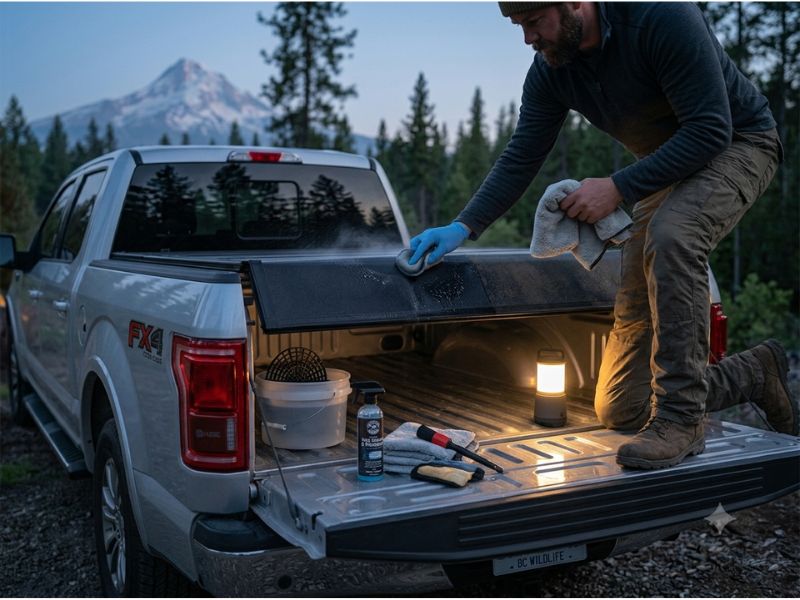
Gathering your supplies before you start will make the cleaning process much smoother and more efficient. You likely have many of these items around your home already, which makes this a very accessible DIY project. Here’s a list of what I recommend:
- Two Buckets: One for soapy water, one for clean rinse water. This helps prevent transferring dirt back onto the cover.
- Mild Automotive Soap or pH-Neutral Cleaner: Look for products specifically designed for car washing or general automotive surfaces. Dish soap, while effective at cutting grease, can sometimes be too harsh for vinyl, potentially stripping conditioners or leaving a residue. If you must use dish soap, choose a very mild, non-concentrated variety and dilute it heavily.
- Soft-Bristle Brush or Microfiber Wash Mitt: A soft brush is excellent for working soap into textured vinyl and dislodging stubborn dirt without scratching. A microfiber wash mitt is ideal for general cleaning and is very gentle.
- Several Microfiber Towels: For drying and applying protectants. Microfiber is highly absorbent and won’t scratch the vinyl.
- Garden Hose with a Spray Nozzle: For rinsing. A pressure washer can be used on a very low setting and from a safe distance, but I generally advise against it unless you are experienced, as high pressure can damage seams or force water under the cover.
- Optional: Vinyl Protectant/Conditioner: This is crucial for long-term care. Look for products specifically formulated for vinyl, often with UV inhibitors.
- Optional: All-Purpose Cleaner (APC) or Mildew Remover: For specific stains or mildew, I’ll discuss these in more detail.
Having these items ready will allow you to move through each step without interruption, ensuring a thorough and effective clean.
Step-by-Step Guide to Cleaning Your Vinyl Tonneau Cover
Now, let’s get down to the actual cleaning process. I’ll break this down into clear, manageable steps, from initial preparation to the final protective layer.
Step 1: Prepare the Area and Initial Rinse
Before applying any cleaners, it’s important to prepare both the cover and your workspace. I always recommend working in a shaded area, if possible. Direct sunlight can cause cleaning solutions to dry too quickly on the cover, leaving streaks or making them less effective. If shade isn’t an option, try to work on a cooler day or early in the morning/late in the evening.
Start by removing any large debris from the surface of the tonneau cover. This might include leaves, twigs, or loose dirt. You can use your hands or a soft brush to gently sweep these off. This prevents scratching the vinyl when you start rinsing.
Next, give the entire tonneau cover a thorough rinse with your garden hose. Use a steady stream of water to dislodge as much loose dirt, dust, and pollen as possible. Focus on rinsing from one end to the other, allowing the water to carry the grime off the cover. This initial rinse is crucial because it prevents you from rubbing abrasive particles into the vinyl during the washing phase.
Step 2: Apply Cleaning Solution
With the loose dirt gone, it’s time to apply your cleaning solution. I prefer to use a dedicated automotive soap that is pH-neutral, as it’s designed to be gentle on various vehicle surfaces, including vinyl. Follow the dilution instructions on your chosen product; typically, this involves mixing a small amount of soap with water in one of your buckets.
Dip your soft-bristle brush or microfiber wash mitt into the soapy water. Begin washing the tonneau cover, working in small sections. I find it best to start at one end of the cover and work my way across, ensuring I cover the entire surface. Apply gentle, even pressure. The goal is to lift the dirt, not to scrub aggressively. For textured vinyl, the soft brush can be particularly effective at getting into the grooves.
As you wash, periodically rinse your mitt or brush in your second bucket of clean water. This helps to remove the dirt you’ve lifted from the cover, preventing you from redepositing it. Then, re-dip it into the soapy water. This two-bucket method is a cornerstone of safe automotive cleaning practices.
Step 3: Address Stubborn Stains and Mildew
While the general wash will handle most dirt, you might encounter more stubborn issues. This is where targeted treatment comes in. Always test any specialized cleaner on an inconspicuous area first to ensure it doesn’t cause discoloration or damage.
For Mildew:
Mildew often appears as black or green spots and thrives in damp, shaded conditions. To remove mildew, I recommend a diluted solution of white vinegar and water (50/50 ratio) or a dedicated vinyl mildew remover. Apply the solution to the affected area with a soft cloth or sponge, let it sit for a few minutes (check product instructions for specific dwell times), and then gently scrub with a soft brush. The vinegar helps to kill the mildew spores. Rinse thoroughly afterward.
For Tree Sap:
Tree sap can be tricky. I find that rubbing alcohol (isopropyl alcohol) or a specialized tar and sap remover works well. Apply a small amount to a microfiber towel and gently dab the sap. Allow it to soften for a moment, then gently wipe it away. Avoid rubbing vigorously, as this can spread the sap or damage the vinyl. Always rinse the area with soapy water and then clean water after removing the sap to eliminate any residue from the alcohol or remover.
For Bird Droppings and Insect Remains:
These can be acidic and etch into the vinyl if left too long. If they’re fresh, a simple wash with soap and water should suffice. If they’ve dried and hardened, I recommend soaking a microfiber towel in warm, soapy water and laying it over the spot for a few minutes. This will rehydrate the grime, making it much easier to wipe away gently without scratching.
For Grease and Oil Stains:
For light grease or oil, a stronger dilution of your pH-neutral automotive soap might work. For tougher spots, a very small amount of an all-purpose cleaner (APC) diluted according to its instructions can be effective. Apply with a microfiber towel, gently agitate, and then rinse thoroughly. Avoid harsh degreasers, as they can be too aggressive for vinyl.
Remember, patience is key with stubborn stains. It’s better to apply a gentle solution multiple times than to use an aggressive one once and risk damaging the cover.
Step 4: Thorough Rinse
Once you’ve washed the entire tonneau cover and addressed any specific stains, it’s time for a comprehensive rinse. This is a critical step to ensure no soap residue is left behind, which can attract dirt, leave streaks, or even degrade the vinyl over time.
Using your garden hose with a spray nozzle, thoroughly rinse the entire cover. Start from one end and work your way to the other, ensuring all suds and loosened dirt are completely flushed away. Pay close attention to seams, edges, and any textured areas where soap might accumulate. I often rinse the cover twice to be absolutely sure all residue is gone. Watch the water as it runs off – it should be clear, with no signs of suds.
Step 5: Dry the Tonneau Cover
Drying the tonneau cover properly is just as important as washing it. Allowing it to air dry can lead to water spots, especially if you have hard water. These spots can be difficult to remove later and detract from the clean appearance.
I recommend using clean, dry microfiber towels to hand-dry the entire surface of the tonneau cover. Microfiber is excellent because it’s highly absorbent and won’t leave lint or scratch the vinyl. Work in sections, gently wiping the water away. If you have a leaf blower, you can use it on a low, cool setting to blow off the bulk of the water, which can speed up the process, but always follow up with a microfiber towel for a streak-free finish.
Ensure the cover is completely dry before proceeding to the next step or before rolling it up, if it’s a roll-up style. Trapped moisture can lead to mildew growth, especially in warmer climates.
Step 6: Apply a Vinyl Protectant and Conditioner
This final step is often overlooked but is arguably the most important for maintaining the longevity and appearance of your vinyl tonneau cover. A good vinyl protectant and conditioner will do several things:
- UV Protection: Shields the vinyl from harmful ultraviolet rays, which cause fading, cracking, and deterioration over time. This is especially crucial if your truck is frequently parked outdoors.
- Conditioning: Keeps the vinyl supple and prevents it from drying out, which can lead to cracks.
- Repels Dirt and Water: Creates a barrier that makes it harder for dirt, grime, and water to adhere to the surface, making future cleaning easier.
- Restores Luster: Can restore a rich, non-greasy finish to the vinyl, making it look new again.
Choose a product specifically designed for vinyl or rubber and look for one that explicitly states it offers UV protection. Avoid products that leave a greasy or oily finish, as these can attract dust and dirt. Many automotive detailing brands offer excellent vinyl protectants.
To apply, follow the product instructions carefully. Typically, you’ll spray a small amount onto a clean microfiber applicator pad or directly onto the cover (if the product allows), then spread it evenly over the entire surface. Work in small sections to ensure even coverage. Buff off any excess with a separate, clean, dry microfiber towel to achieve a uniform finish. Avoid getting the protectant on your truck’s paintwork, as some products can leave a residue; if you do, wipe it off immediately.
Allow the protectant to cure for the recommended time before exposing the cover to rain or rolling it up. This ensures maximum effectiveness.
Common Mistakes to Avoid When Cleaning a Vinyl Tonneau Cover
While the cleaning process itself is straightforward, there are several common pitfalls that can damage your tonneau cover or reduce its lifespan. I want to highlight these so you can avoid them:
- Using Harsh Chemicals: Avoid strong detergents, industrial cleaners, silicone-based products not specifically for vinyl, or products containing petroleum distillates. These can strip the vinyl’s protective layers, dry it out, cause discoloration, or accelerate cracking. Stick to pH-neutral automotive soaps and vinyl-specific cleaners.
- Abrasive Scrubbing: Never use stiff brushes, scouring pads, or abrasive cloths. These can scratch the vinyl surface, creating micro-tears that trap dirt and moisture, and can compromise the cover’s waterproof integrity. Always opt for soft-bristle brushes or microfiber materials.
- Cleaning in Direct Sunlight: As I mentioned earlier, cleaning in direct sun can cause cleaners to dry too quickly, leaving streaks and making it harder to rinse thoroughly. It can also make the cleaning solution less effective.
- Neglecting the Rinse: Leaving soap residue on the cover can attract dirt, leave a dull film, and potentially degrade the vinyl over time. Always rinse thoroughly until the water runs clear.
- Ignoring Protectant: Skipping the vinyl protectant step is a significant oversight. Without UV protection and conditioning, your cover will fade, dry out, and crack much faster, drastically shortening its lifespan.
- Using a High-Pressure Washer Incorrectly: While a pressure washer can be tempting for speed, using too high a pressure or holding the nozzle too close can damage the vinyl, especially at seams and edges. If you must use one, keep the pressure very low (under 1200 PSI) and maintain a safe distance (at least 2-3 feet). I generally recommend a standard garden hose for safety.
- Rolling Up a Wet Cover: Rolling up a tonneau cover that isn’t completely dry creates a perfect environment for mildew and mold to grow, leading to unpleasant odors and unsightly stains. Always ensure it’s fully dry before stowing or covering.
By being mindful of these mistakes, you can ensure your cleaning efforts are productive and contribute to the long-term health of your tonneau cover.
Ongoing Maintenance for Your Vinyl Tonneau Cover
Cleaning your tonneau cover isn’t a one-time event; it’s part of an ongoing maintenance routine that will keep it looking great and functioning properly for years. Here are my tips for regular care:
- Regular Light Cleaning: Don’t wait until your cover is heavily soiled. A quick rinse with water and a wipe-down with a microfiber towel every week or two can prevent dirt and grime from building up and becoming stubborn stains.
- Reapply Protectant Regularly: The frequency depends on your climate, how often your truck is exposed to the elements, and the specific product you use. Generally, I recommend reapplying a vinyl protectant every 1-3 months. In areas with intense sun or harsh winters, you might do it more often.
- Address Spills and Stains Immediately: Just like with your car’s paint, prompt attention to bird droppings, tree sap, or other spills can prevent them from etching into or staining the vinyl. Keep a spray bottle with diluted automotive soap and a microfiber towel handy for quick clean-ups.
- Check for Wear and Tear: During your cleaning routine, take a moment to inspect the cover for any signs of damage, such as small tears, loose stitching, or worn areas. Addressing these early can prevent them from becoming larger, more costly problems.
- Clean the Underside: While less exposed, the underside of your tonneau cover can also accumulate dust and dirt. Periodically wipe it down with a damp cloth to keep it clean.
- Lubricate Moving Parts (if applicable): For folding or retractable covers, check the manufacturer’s recommendations for lubricating hinges, rails, or other moving components. This ensures smooth operation and prevents premature wear.
By incorporating these habits into your truck care routine, you’ll not only keep your tonneau cover looking pristine but also extend its functional life, protecting your investment.
Choosing the Right Vinyl Protectant
I cannot stress enough the importance of selecting the correct vinyl protectant. It’s not just about making your cover look shiny; it’s about providing a crucial layer of defense against the elements. Here’s what I look for and recommend:
- UV Protection: This is paramount. The sun’s ultraviolet rays are the primary cause of fading, discoloration, and cracking in vinyl. Look for products that explicitly state “UV protection” or “UV inhibitors.”
- Non-Greasy/Non-Oily Finish: Avoid products that leave a slick, greasy, or overly shiny finish. These types of dressings often attract dust and dirt, making your cover look dirty faster. They can also transfer to clothing or hands. A good protectant will leave a natural, satin, or matte finish that feels dry to the touch.
- Water-Based Formula: Many high-quality vinyl protectants are water-based. These are generally safer for vinyl and less likely to cause drying or cracking compared to some oil-based or silicone-heavy formulas that aren’t specifically designed for automotive vinyl.
- Specifically for Vinyl/Rubber/Plastic: While some all-in-one interior/exterior dressings exist, I prefer products formulated specifically for exterior vinyl, rubber, and plastic trim. These are often engineered to withstand harsher outdoor conditions.
- Reputable Brands: Stick with well-known and respected brands in the automotive detailing industry. Brands like 303 Aerospace Protectant, Chemical Guys, Meguiar’s, and Mothers often have excellent options.
When applying, remember that less is often more. A thin, even coat is usually all that’s needed. Over-applying can lead to streaking or a sticky residue. Always buff off any excess with a clean microfiber towel to achieve the best finish and ensure the product is properly absorbed and cured.
Addressing Specific Tonneau Cover Types (Briefly)
While the cleaning principles remain largely the same for all vinyl tonneau covers, there are slight nuances depending on the type you have. I’ll briefly touch on these to provide a complete picture:
Roll-Up Vinyl Tonneau Covers:
These are very common and often have a textured vinyl surface. When cleaning, pay extra attention to the creases and folds where dirt can accumulate when the cover is rolled up. Ensure these areas are thoroughly rinsed and dried to prevent mildew. Also, inspect the Velcro or snap closures for dirt and clean them gently with a small brush if needed to ensure proper sealing.
Folding Vinyl Tonneau Covers:
Similar to roll-ups, these often have a vinyl surface over an aluminum frame. The main difference is the hinges and seams where the panels fold. Be sure to clean around these areas carefully, as dirt can get trapped. Again, ensure all sections are dry before folding to prevent moisture issues.
Retractable Vinyl Tonneau Covers:
These covers often have a vinyl-coated fabric that retracts into a canister. While the visible surface is cleaned the same way, it’s crucial to keep the tracks and canister clean. Periodically, I recommend wiping down the tracks with a damp cloth to remove grit and dust that could impede smooth operation. Some manufacturers recommend specific lubricants for the tracks; consult your owner’s manual for guidance.
Regardless of the type, the core steps of washing, rinsing, drying, and protecting remain universally applicable and essential for maintaining your vinyl tonneau cover.
Environmental Considerations for Cleaning Products
As I consider the best practices for cleaning, I also think about the environmental impact of the products I use. Many automotive cleaning chemicals can be harmful to waterways and local ecosystems if not disposed of or used responsibly. Here are a few points to keep in mind:
- Biodegradable Options: Whenever possible, I try to choose cleaning products that are labeled as biodegradable. These products break down more easily in the environment, reducing their long-term impact.
- Water Conservation: While a thorough rinse is essential, I also try to be mindful of water usage. Using a nozzle on your hose helps control the flow and prevents unnecessary waste. The two-bucket method also helps in this regard, as it reduces the need for constant running water.
- Proper Disposal: Never pour unused or expired cleaning chemicals down storm drains, as these often lead directly to rivers or lakes. Check with your local waste management facility for proper disposal methods for household hazardous waste.
- Natural Alternatives (with caution): For some light cleaning, diluted white vinegar (as mentioned for mildew) or baking soda paste can be effective and are more environmentally friendly. However, always test these on an inconspicuous area first, as natural doesn’t always mean safe for all surfaces.
By making conscious choices about the products and methods I use, I can keep my tonneau covers clean while also being responsible stewards of the environment.
Conclusion
Keeping your vinyl tonneau cover clean and protected is a straightforward process that yields significant rewards. By following the steps I’ve outlined – from the initial rinse and gentle wash to addressing stubborn stains and applying a quality protectant – you can ensure your cover not only looks its best but also lasts for many years to come. Regular maintenance, avoiding harsh chemicals, and diligent application of UV protectants are your best defense against the elements and the wear and tear of daily use. Taking the time to properly care for your truck’s tonneau cover is an investment in its appearance and functionality, ensuring it continues to protect your cargo and enhance your vehicle’s aesthetic. Now you know exactly how to clean a vinyl tonneau cover effectively and safely.