Can You Drive Long Distance with a Patched Tire Detailed Guide
You may drive long distance with a properly installed, professionally inspected patch in the tire’s repairable tread area, but only if the tire has no other damage and holds air.
A patched tire can be dependable but patched does not automatically mean ready for a long trip The repair method puncture location tire condition inflation pressure vehicle load.
That is why the answer to can you drive long distance with a patched tire is not a simple yes or no A small puncture in the central.
Would you trust the repaired tire for several hours on a hot highway with passengers luggage and no convenient tire shop nearby This guide explains how to assess.
- ✓A permanent repair is generally limited to a small puncture in the tire’s central tread, not the shoulder or sidewall.
- ✓A combination plug-patch installed from inside the tire is more reliable than an exterior string plug used alone.
- ✓Do not take a long trip if the tire leaks, vibrates, shows bulges, has exposed cords, or was driven flat.
- ✓Correct pressure, proper load, moderate speed, and a pre-trip inspection reduce—but do not eliminate—risk.
Can You Drive Long Distance with a Patched Tire?
In many cases yes but only after the repair has been evaluated as a permanent repair rather than a temporary roadside fix A sound repair seals the puncture.
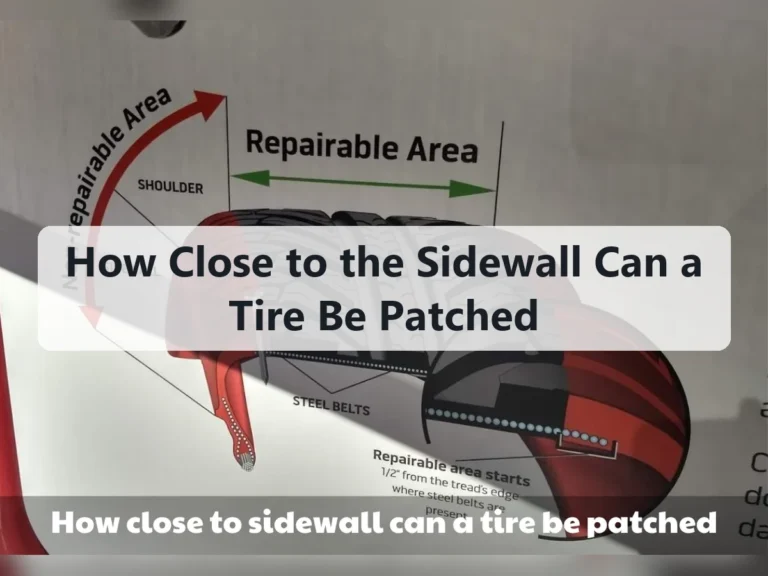
The most important distinction is where and how the tire was repaired A puncture located in the main tread area may be repairable if it is small clean.
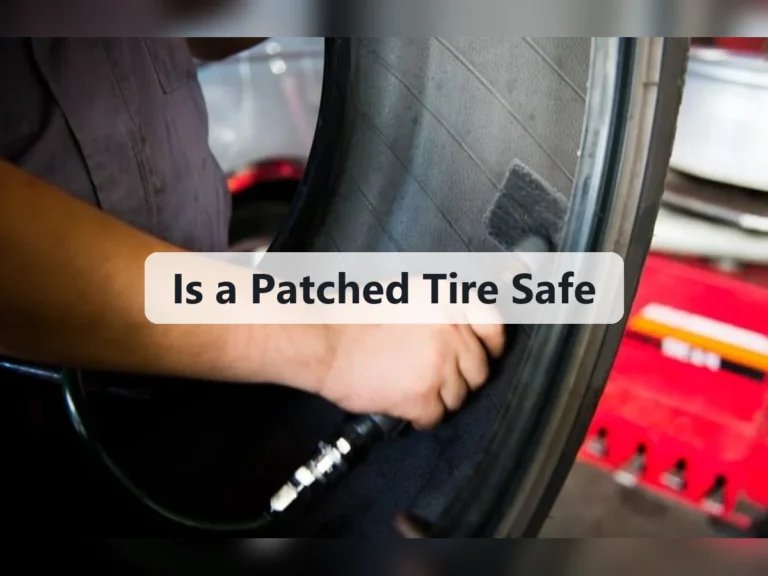
Before a highway journey have a qualified tire professional remove the tire from the wheel and inspect the inside An exterior plug can stop a leak long enough.

- Repair location: The puncture should be within the repairable tread area, away from the shoulder and sidewall.
- Repair construction: A properly installed combination repair seals both the tread opening and the inner liner.
- Structural condition: No repair can reverse belt separation, sidewall damage, exposed cords, or heat damage.
- Air retention: The tire must hold the correct pressure after sitting and after being driven locally.
What counts as a permanent tire repair?
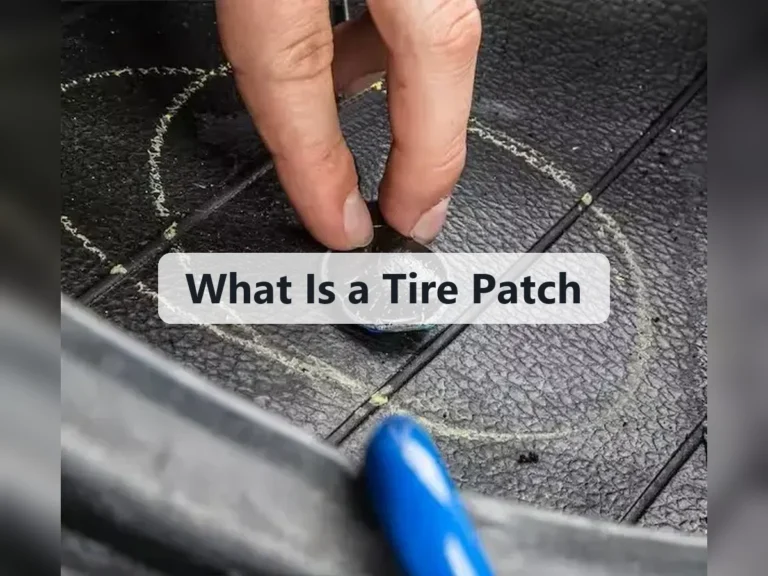
A permanent repair normally involves removing the tire inspecting it internally preparing the puncture and installing a repair unit designed to seal the puncture channel and inner liner.
Repair terminology varies so ask the shop exactly what was installed A technician should be able to tell you whether the repair was made from the inside whether.
Why the puncture location matters
The center of the tread is the least flexible part of the tire and is usually the most suitable repair area As a puncture moves toward the shoulder.
The sidewall is not a normal repair zone. It supports the vehicle while flexing constantly, and damage there can weaken the casing even when the visible hole looks small. A patch on the outside of a sidewall does not restore the tire’s original strength.
When a Patched Tire Is Not Safe for a Long Trip
Some tires should not be driven long distance after a puncture repair even if they appear to hold air The central question is whether the puncture caused only.
Inspect the tire in good light and compare it with the tire on the opposite side of the same axle Look for changes in shape tread wear color.
Do not use a patched tire for a long journey merely because the tread looks deep Tread depth helps with traction but it does not confirm that the.

- Reject sidewall damage: Replace a tire with a puncture, cut, bulge, abrasion, or exposed cord in the sidewall or shoulder.
- Reject run-flat damage: Treat any tire driven substantially underinflated as a possible internal-damage case.
- Reject recurring leaks: Pressure loss after repair may indicate a poor seal, another puncture, valve damage, or wheel damage.
- Reject visible deformation: A bulge, flat spot, separation line, or unusual vibration requires immediate attention.
Damage from driving on a flat or underinflated tire
When a tire is underinflated its sidewalls bend more than intended That flexing creates heat and can scuff or break the internal rubber and cord layers The damage.
If you do not know how far the vehicle traveled while the tire was low do not assume the repair solved the problem Tell the technician what happened.
Objects and punctures that raise concern
A nail or screw that enters straight through the central tread is usually less concerning than a jagged piece of metal glass or debris that tears the rubber.
Multiple repairs can also matter. Even when each hole seems small, repairs placed too close together can weaken the tread area or interfere with one another. The shop should evaluate the pattern rather than treating each puncture in isolation.
Age, wear, and uneven condition
A repair does not make an old or badly worn tire new again Check the tire s age tread condition cracking and wear pattern before planning a long.
Uneven wear can also point to alignment, suspension, wheel-balance, or inflation problems. Correcting those issues matters because a repaired tire may be exposed to extra heat or stress if the vehicle is not operating normally. This distinction matters when answering “can you drive long distance with a patched tire”.
Patch, Plug, or Patch-Plug: Which Repair Is Best?
The words patch and plug are often used casually, but they describe different parts of a tire repair. A plug fills the puncture channel, while a patch covers the inner liner. A combination repair is designed to address both functions at the same time.
For a long highway trip the quality and installation of the repair matter more than the label used at the counter Ask whether the tire was removed for.
A plug installed from the outside may be a useful emergency measure when you are stranded but it should not automatically be treated as the final repair It.
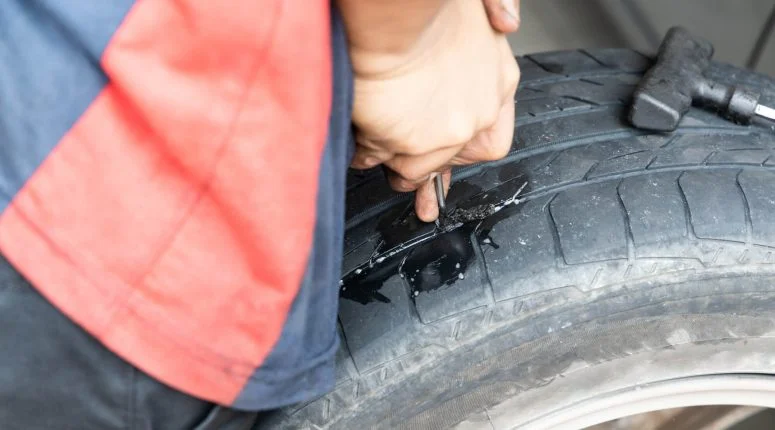
- Exterior plug: Fast and useful for reaching a repair facility, but limited because the tire is not removed for internal inspection.
- Interior patch: Covers the inner liner but may not seal the full puncture channel when used by itself.
- Combination repair: Uses a stem or plug through the puncture and a patch against the inner liner for a more complete repair.
- Sidewall patch: Not a reliable way to restore a damaged sidewall and generally not suitable for highway travel.
Why internal inspection changes the decision
Removing the tire lets the technician examine the inner liner for abrasion, flex damage, and signs of overheating. It also confirms whether the puncture is truly within the tread area and whether an object caused more damage than the outside suggests.
Internal inspection does not guarantee a safe tire, but it eliminates a major uncertainty. That is particularly valuable before a trip where stopping on the shoulder, arranging a tow, or finding a compatible replacement would be difficult.
Can a plug alone handle a long-distance trip?
Do not assume an exterior plug alone is ready for a long-distance trip Some plugs may hold reliably for a period of time but the repair method tire.
If a plug was installed during an emergency, drive only as needed to reach a tire professional, follow the posted speed limits, avoid unnecessary load, and monitor pressure. Have the tire inspected promptly rather than treating the temporary repair as permanent.
How to Inspect a Patched Tire Before Driving
A short inspection cannot replace professional judgment but it can identify obvious reasons to postpone the trip Perform it when the tires are cold preferably before the vehicle.
Check all four tires not only the repaired one Long-distance safety depends on the complete set and a weak companion tire can create the same roadside problem Also.
After setting pressure leave the vehicle parked for several hours or overnight and recheck it A measurable loss suggests a leak that needs diagnosis If the tire passes.
- Pressure: Set the cold pressure to the vehicle manufacturer’s specification and verify that it remains stable.
- Surface: Look for bulges, cuts, cracks, exposed cords, tread separation, or a repair that is lifting.
- Handling: Stop the trip if the vehicle pulls, shakes, thumps, or produces new road noise.
- Equipment: Carry a working spare or approved mobility equipment, a gauge, and a way to contact roadside assistance.
Use pressure, not appearance, as the main check
A tire can look normal while losing air slowly. Conversely, a tire may look slightly different because of temperature or load without having a puncture problem. Measure pressure with a reliable gauge and compare the reading with the vehicle specification.
Check pressure again after a long drive only when the tires have cooled Hot pressure naturally rises so releasing air from a hot tire can leave it underinflated.
Pay attention to heat and vibration
During the first part of the trip, notice whether the repaired tire produces a new vibration or rhythmic thumping. These symptoms can arise from an improperly seated repair, imbalance, wheel damage, tread separation, or another tire problem.
After stopping do not touch the tire or brake components immediately A tire may be hot from normal operation and a noticeably hotter tire than its counterpart can.
Preparing for a Long Drive with a Repaired Tire
If the tire has passed inspection and the repair facility considers it suitable reduce avoidable stress before departure Confirm the vehicle s load inflate the tires correctly and.
Plan the route with realistic stopping points A repaired tire may be safe but no tire is immune to road debris potholes valve leaks or damage from a. Keep these limitations in mind when considering “can you drive long distance with a patched tire”.
Drive normally and follow the tire and vehicle speed limits. Do not use a repaired tire as a reason to drive faster, tow beyond the vehicle’s capacity, or continue through symptoms that would justify stopping with any tire.
- Load correctly: Keep passengers and cargo within the vehicle’s stated limits and avoid concentrating heavy items on one side.
- Check cold pressure: Verify all tires before departure, including the spare if it is full-size and intended for use.
- Choose a fallback: Know where you can stop for air, inspection, or replacement along the route.
- Monitor changes: Treat a warning light, new vibration, pulling, or repeated pressure loss as a reason to stop.
Driving habits that reduce stress
Avoid potholes, road debris, abrupt curb strikes, and hard cornering when possible. These events can damage any tire, and a repaired area should not be exposed to unnecessary impacts. Leave extra following distance so you have more time to avoid objects.
Take breaks during a very long journey and inspect the tires visually at stops You are not looking for a precise temperature or a perfect appearance you are.
When to stop immediately
Stop in a safe location if the vehicle begins pulling strongly, the steering wheel shakes, the tire-pressure warning returns, or you hear slapping, clicking, or thumping. If the tire is visibly damaged or nearly flat, do not continue driving to “see whether it improves.”
Use a spare or call roadside assistance when appropriate. Driving a short additional distance on a severely underinflated tire can turn a repairable puncture into a destroyed casing and may damage the wheel as well.
Patched Tire Versus Replacement: Making the Safer Choice
Repair is attractive because it costs less and preserves a tire that may otherwise have substantial useful life Replacement is the better choice when the tire is outside.
Replacing one tire can also create a tread-depth difference with the other tire on the same axle Depending on the vehicle s drivetrain and manufacturer guidance a significant.
A new tire is not automatically the safest answer if it is the wrong size, load rating, speed rating, or type for the vehicle. The replacement must meet the vehicle’s requirements and be installed with correct balancing and inflation.
| Situation | More reasonable choice | Why |
|---|---|---|
| Small central-tread puncture, inspected internally, stable pressure | Professional permanent repair | The casing may remain sound and the repair addresses the leak. |
| Damage in the shoulder or sidewall | Replacement | High flexing and structural risk make a repair unreliable. |
| Tire driven while flat or substantially underinflated | Professional internal inspection, often replacement | Heat and flexing may have damaged hidden layers. |
| Old, cracked, severely worn, or irregularly worn tire | Replacement or broader vehicle service | The puncture is not the only safety concern. |
| Exterior plug installed as roadside repair | Prompt inspection and possible permanent repair | The plug alone does not confirm internal condition. |
Why long distance changes the risk calculation
A local trip gives you more opportunities to return home or reach a nearby shop if something changes A long highway trip adds sustained heat higher average speed.
If the repair is questionable replacing the tire before departure may be worth the expense The same is true if the tire is near the end of its.
Common Mistakes After a Tire Repair
Many problems blamed on a patch actually result from decisions made after the repair Drivers may inflate the tire to the sidewall maximum ignore a slow leak overload.
Another mistake is treating all tire repairs as equivalent. A professionally inspected combination repair and an emergency exterior plug have different purposes. Knowing which one you have helps determine whether you should travel, seek inspection, or replace the tire.
- Using the wrong pressure: Follow the vehicle placard rather than guessing from the tire’s maximum molded pressure.
- Ignoring a slow leak: Repeatedly adding air does not fix a leak and may allow internal damage to develop.
- Driving on symptoms: Vibration, pulling, heat, or noise deserves inspection even when the patch looks intact.
- Overloading the vehicle: Extra cargo and passengers increase tire deflection, heat, and stopping demands.
Do not remove or alter the repair yourself
Do not cut out a repair add sealant without checking compatibility or attempt another plug beside the first one Improvised changes can make professional inspection more difficult and.
Do not rely on sealant as a permanent solution
Emergency sealants may help with certain punctures, but they do not replace a proper tire repair and can complicate later inspection. Some products may also affect pressure sensors or wheel-cleaning procedures. Read the product directions and disclose its use to the tire shop.
FAQ: Can You Drive Long Distance with a Patched Tire?
How far can you drive on a patched tire?
There is no universal mileage limit for a properly repaired tire. Distance depends on the repair quality, puncture location, tire condition, pressure, load, speed, and the tire maker’s or repair professional’s guidance.
A permanent repair in a healthy tire may remain in service for the tire’s normal usable life. An exterior plug used as an emergency measure should be treated as a reason to reach a repair facility, not as a guaranteed mileage allowance.
Is a patch safer than a plug for highway driving?
A patch and plug serve different purposes so the most complete repair is generally a combination repair installed after removing and inspecting the tire A patch alone may not seal.
Ask the technician what was installed and whether the tire was inspected internally. The method and condition of the tire matter more than calling the repair a “patch” or a “plug.”
Can you drive long distance with a patched tire in the rain?
Rain does not automatically make a sound repair unsafe, but wet roads reduce traction and can hide potholes and debris. A tire with low tread, incorrect pressure, or an uncertain repair has less margin in those conditions.
Postpone the trip or replace the tire if the repair is questionable. If you must drive after a professional inspection, reduce speed for conditions and stop if pressure or handling changes.
Can a patched tire be used on a highway?
It can be used on a highway when the repair is permanent, the puncture is in the approved tread area, the tire was internally inspected, and the tire holds the correct pressure. Follow the tire’s speed rating and the vehicle’s operating limits.
A temporary plug, sidewall repair, visible damage, or a tire that was driven flat is not a sound basis for highway travel. Have it inspected or replaced first.
Should you replace a tire after one puncture?
Not necessarily. A single small puncture in the central tread can often be repaired if the tire has no structural damage and meets the repair requirements.
Replacement is more appropriate for shoulder or sidewall damage, large or irregular punctures, closely spaced repairs, severe wear, cracking, age-related deterioration, or damage from driving underinflated.
How do you know whether a patch is leaking?
Check cold pressure with a gauge and compare it over time. A tire that loses pressure after repair needs inspection, even if the loss is slow.
You can also apply soapy water around the repair, valve stem, bead, and tread puncture area and watch for growing bubbles. This can locate a leak, but it does not evaluate hidden internal damage.
What should you do if a patched tire loses air during a trip?
Slow down carefully, pull to a safe location, and inspect the tire without continuing on it if it is visibly low. Inflate it only if doing so is appropriate and safe, then check whether it holds pressure.
If the pressure drops again, use the spare or call roadside assistance. Do not repeatedly inflate and drive a leaking tire for miles, because underinflation can destroy the casing and create a more dangerous failure.
Conclusion
Can you drive long distance with a patched tire Yes sometimes but only when a qualified inspection confirms a permanent repair in the central tread stable air pressure.
Because long highway trips add heat, speed, load, and distance from assistance, do not accept uncertainty simply because the tire appears repaired. Check pressure, verify the vehicle load, monitor handling, and stop immediately if the tire or vehicle behaves differently.
Before leaving, have the repaired tire inspected internally, set all tire pressures cold to the vehicle specification, and replace it if its repair location or structural condition is uncertain.