Are Fender Flares Necessary: What to Know and Why It Matters
Are fender flares necessary? Usually, no: they are optional on many trucks and SUVs, but they can become important when wider tires, wheel spacers, or local equipment rules leave tread exposed. Their value depends on tire fitment, road conditions, vehicle use, and the protection or appearance you want.
A flare can cover the portion of a tire that extends beyond the factory fender, helping redirect mud, water, and gravel away from the body. It may also give a modified vehicle a finished appearance, but it cannot correct unsafe wheel fitment, repair rust, or replace a properly designed fender and splash-guard system. Appearance and actual condition are separate questions.
Exposed tread can create problems ranging from paint chips and road spray to inspection issues or conflicts with local requirements, while a truck with factory wheels and tires may need no added coverage at all. This guide separates those genuine concerns from cosmetic preferences, explains fitment and installation limits, compares flare styles, and shows what to check before deciding whether your vehicle needs them.
When fender flares are useful
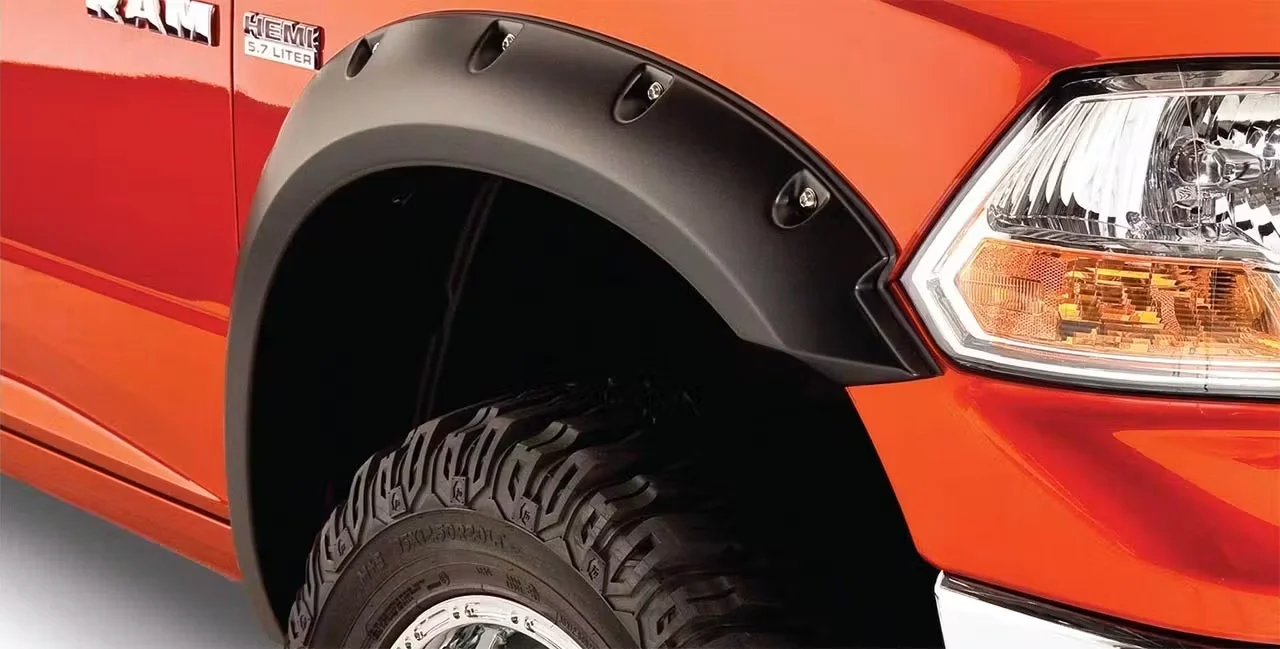
Fender flares are most useful when the tire extends outside the original wheel arch or when off-road driving sends mud and debris against the body. They add material around the wheel opening, creating more coverage than the stock sheet metal provides.
That extra coverage can protect the lower doors, rocker panels, and rear quarter panels from tire spray and small stones. It can also make a wider wheel-and-tire setup look intentional instead of unfinished, although styling alone does not make a flare functionally necessary.
Wider tires and wheel offset
Wheel width, tire width, wheel offset, and suspension changes all affect how far a tire sits outward. A tire that fits inside the original arch at normal ride height may move outward or become exposed after installing a low-offset wheel, a wheel spacer, or a wider tire.
The relevant measurement is not simply the tire’s advertised width. The sidewall shape, wheel position, steering angle, suspension compression, and the vehicle’s fender design determine whether the tread remains covered during real driving.
Check the vehicle from above and from the side, then inspect it with the steering turned fully in both directions. If possible, check clearance at normal ride height and with the suspension compressed. A tire that appears covered while parked may still project beyond the body when the suspension moves.
Off-road and work-truck use
On gravel roads, muddy trails, and construction sites, tires can throw debris far beyond the wheel opening. A wider flare may reduce the amount of material striking painted panels, though it will not eliminate all spray or protect the underbody from every impact.
Flexible rubber or pocket-style flares may suit vehicles that regularly encounter brush and uneven terrain better than rigid, highly protruding pieces. The right choice depends on how much movement, contact, and cleaning the vehicle experiences.
Appearance and body coverage
Some owners install flares to create a more rugged look or visually balance an aftermarket suspension lift. That is a legitimate customization goal, but it is a cosmetic choice rather than a mechanical requirement.
Flares can also hide minor paint differences or the visual gap created by a wider tire. They should not be used to conceal structural rust, cracked bodywork, loose trim, or damage around the wheel arch. Those conditions require repair before adding exterior parts.
When fender flares are not necessary
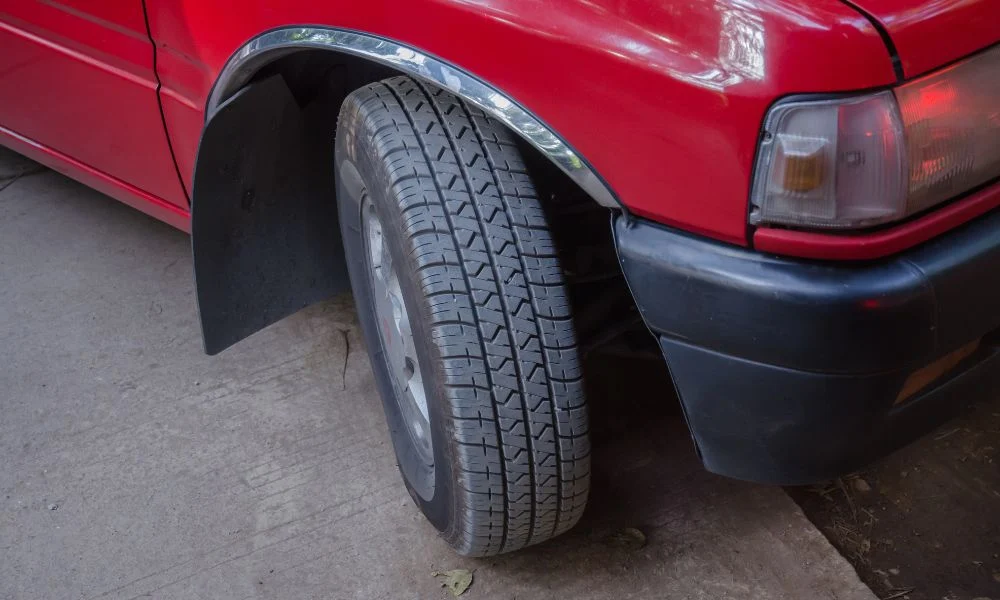
A vehicle generally does not need aftermarket flares when its factory wheels and tires remain within the original bodywork, the tread is adequately covered, and the vehicle is used on ordinary paved roads. The original fenders and splash guards already provide the coverage the vehicle was designed to use.
In that situation, adding flares may provide little functional benefit. Poorly fitted parts can introduce new problems, including wind noise, trapped dirt, damaged paint, loose fasteners, and an uneven appearance.
Factory fitment is usually enough
Manufacturers design the stock wheel and tire package around the factory fenders, suspension travel, and steering range. If the vehicle has not been modified and the tires are not oversized, there is usually no need to add another layer of coverage.
Normal wear can still produce chips and grime, but fender flares are not the only way to address those issues. Clean mud promptly, use correctly shaped splash guards where appropriate, and maintain a safe following distance on loose surfaces. This distinction matters when answering “are fender flares necessary”.
Flares cannot fix rubbing or clearance problems
A flare covers the outside of the body; it does not create meaningful clearance inside the wheel well. If a tire rubs the liner, suspension, frame, or body mount, installing a flare will not solve the interference.
Rubbing can damage the tire, cut the sidewall, wear through wiring, or affect steering control. The correct response is to identify the contact point and correct the wheel-and-tire fitment, suspension setup, or body clearance rather than covering the evidence.
More coverage is not automatically safer
A large flare can reduce visible tread exposure, but it may also reduce clearance around the tire or become loose after contact with brush and debris. Fasteners that penetrate a thin body panel can create rust points if holes are not sealed correctly.
Fender flares also add width to the vehicle. That may affect parking clearance, trail maneuvering, and the risk of striking objects near the wheel opening. Function should take priority over the largest or most aggressive-looking design.
Legal, safety, and practical considerations
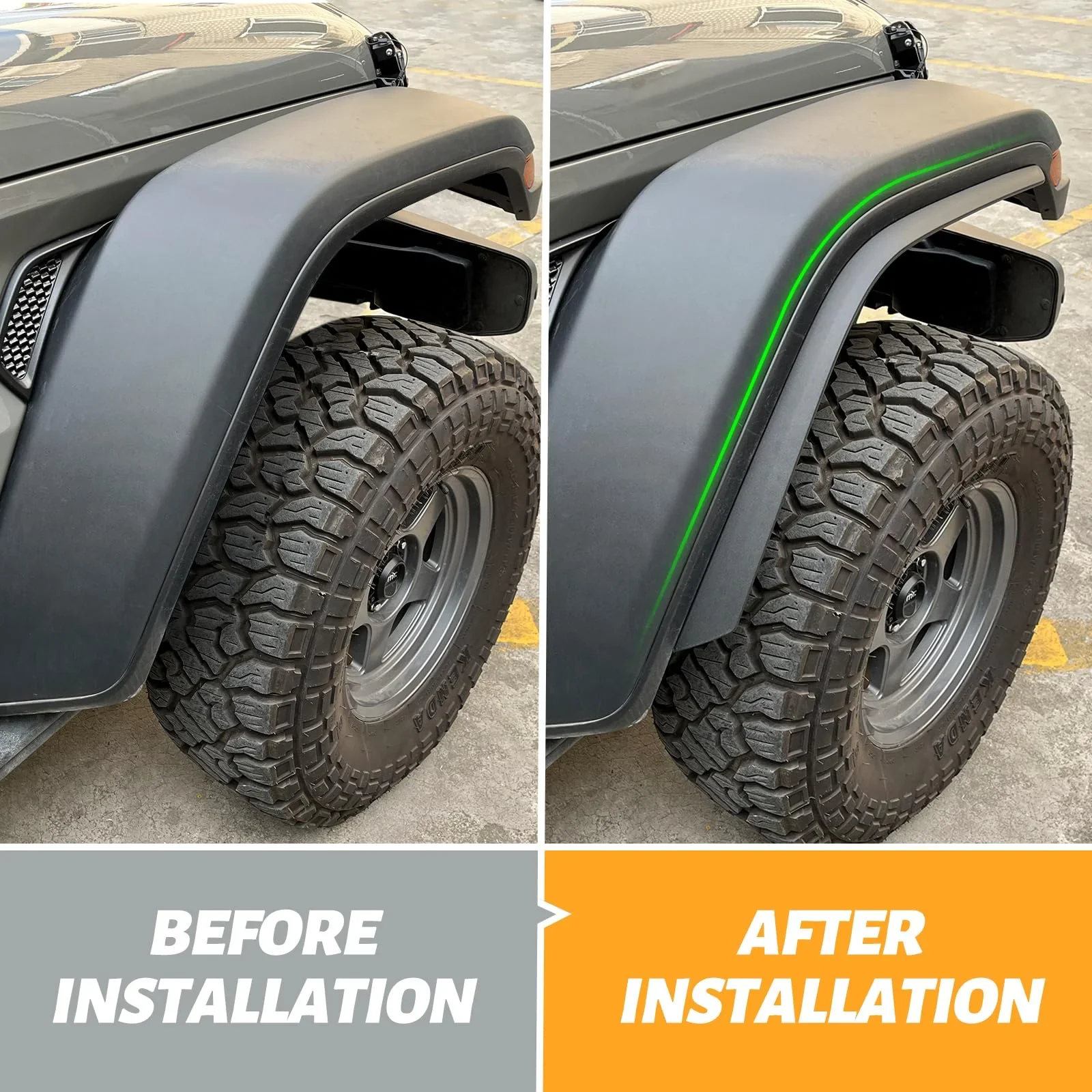
Coverage requirements vary by state and sometimes by vehicle type or local enforcement practice. A general rule in many jurisdictions is that the body or an approved extension should cover the tire tread when the tire protrudes, but the exact requirement must be confirmed locally rather than assumed.
Fender flares can help with tread coverage, but they do not automatically make a modified vehicle compliant. The flare must be wide and positioned correctly, remain secure, and provide coverage at the angles relevant to the applicable rule.
Check local equipment requirements
Before buying parts, review the current equipment rules for the state where the vehicle is registered and driven. An inspection station, vehicle-equipment office, or qualified local professional can clarify questions about exposed tread, mudguards, wheel offset, and required coverage.
Do not rely only on a product listing that says “street legal.” Such language may describe a general design rather than the requirements for your specific vehicle or jurisdiction.
Inspect the installation carefully
Loose flares can detach into traffic or rub against the tire. Incorrect drilling can damage wiring, create corrosion, or weaken a body panel, while uneven mounting can leave sharp edges and gaps that collect water and grit.
- Confirm that the tire clears the flare at full steering lock.
- Check clearance through suspension compression and rebound.
- Make sure all brackets, clips, and fasteners are secure.
- Seal drilled holes according to the fastener and body material.
- Inspect for contact after the first short drive and periodically afterward.
Know what flares cannot protect
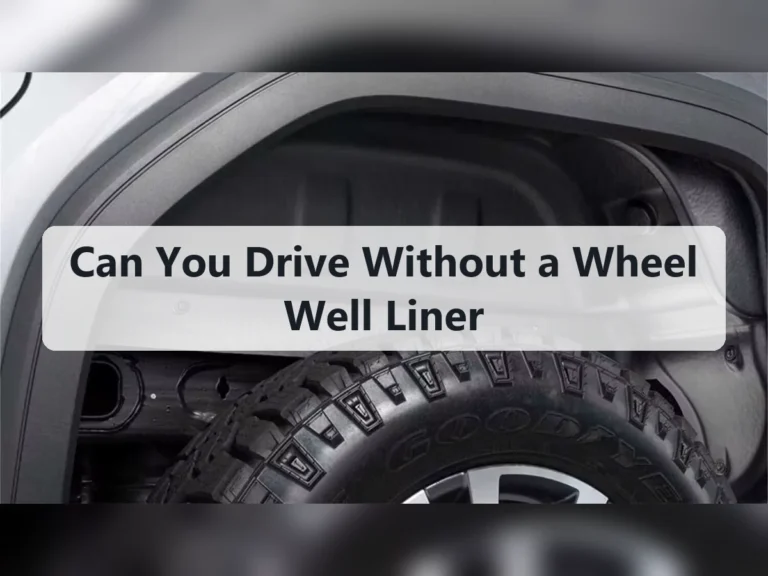
Flares can reduce debris striking the outer body, but they do not replace mud flaps, inner fender liners, rock sliders, or underbody protection. Water and mud can still reach the suspension, brakes, door seams, and chassis.
They also do not improve braking, steering, tire load capacity, or suspension geometry. A vehicle with oversized tires remains subject to the tire manufacturer’s load limits and the vehicle’s clearance and handling constraints.
How to choose the right fender flare
If your vehicle genuinely needs additional coverage, select a flare based on measured fitment and intended use rather than appearance alone. The best part follows the wheel opening, clears the tire through its full range of movement, and remains secure under the conditions the vehicle encounters.
Measure before ordering, especially when the vehicle has aftermarket wheels, a lift kit, leveling components, or spacers. Compare the flare’s coverage width, mounting method, material, and stated compatibility with the actual configuration of the truck or SUV. Keep these limitations in mind when considering “are fender flares necessary”.
Common flare styles
OE-style flares are shaped to resemble factory equipment and usually suit owners who want a restrained appearance. They may provide modest additional coverage without making the vehicle look substantially wider.
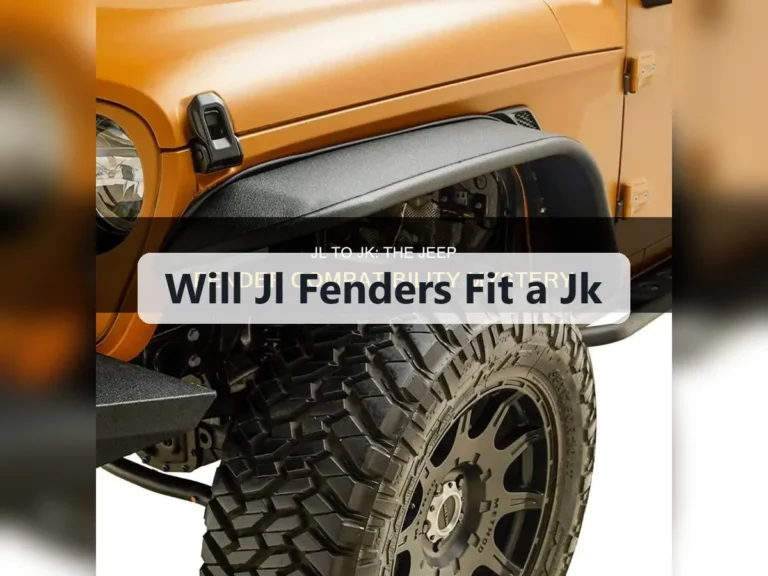
Pocket-style flares use visible bolt heads or bolt-like details for a more aggressive off-road appearance. Some use actual exposed fasteners, while others use decorative hardware, so installation and durability can differ.
Extended flares project farther outward and are intended for wider wheel-and-tire combinations. They can provide more tread coverage, but they also require closer attention to body width, door clearance, and overall vehicle dimensions.
Flexible or cuttable flares can be useful for custom builds and rough conditions. Their adaptability may simplify an unusual installation, but a flexible edge still needs secure mounting and sufficient clearance from the rotating tire.
Material and mounting quality matter
Plastic, rubber, and composite materials behave differently in heat, cold, impacts, and sunlight. A rigid material may hold its shape well but crack after contact, while a flexible material may tolerate minor impacts but sag or wave if poorly supported.
Look for a design that follows the body cleanly and uses appropriate mounting points. Avoid forcing a part into alignment with excessive tension, because that can distort the flare and loosen fasteners over time.
Professional installation may be worthwhile
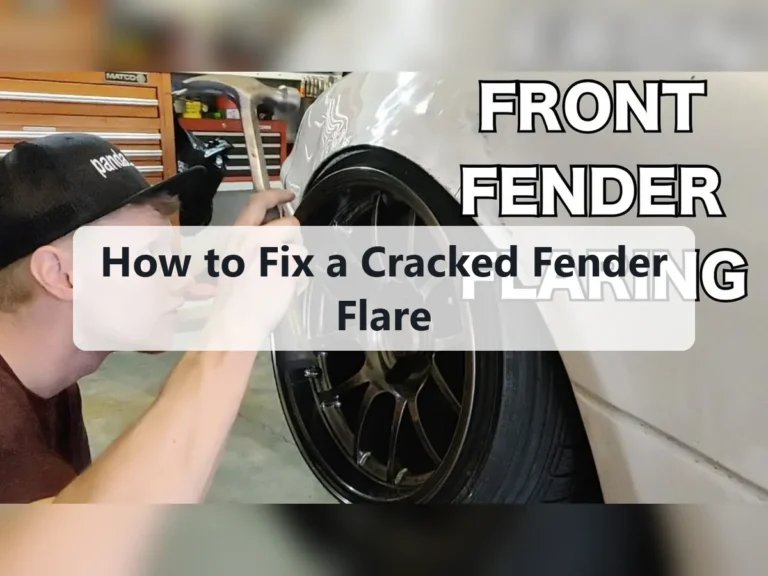
DIY installation is reasonable when the part is designed for the vehicle, mounting instructions are clear, and no cutting or unusual wiring work is required. Take time to protect the paint, keep fastener holes aligned, and verify clearance before final tightening.
Professional help is advisable when the setup includes substantial suspension changes, body cutting, wheel spacers, uncertain tread exposure, or repeated tire contact. A qualified installer can assess the full wheel-and-tire combination rather than treating the flare as an isolated accessory.
Are fender flares necessary for your vehicle?
For most stock vehicles, the answer is no. For a modified truck or SUV, the answer depends on whether the tire extends beyond the body, whether debris is causing damage, and whether local rules require additional coverage.
Use this short decision process:
- Identify whether the tire tread or sidewall extends outside the factory wheel arch.
- Check the vehicle at full steering lock and through available suspension movement.
- Look for rubbing, paint chips, mud buildup, or damage around the wheel opening.
- Confirm local requirements for tread coverage and mudguards.
- Choose a flare only if it provides measured coverage without creating contact or installation risks.
If the tires are covered and the vehicle has no rubbing or debris problem, spend the money on maintenance rather than decorative parts. If tread is exposed, address the underlying wheel fitment and add properly designed coverage when appropriate.
Frequently asked questions
Are fender flares necessary on a stock truck?
Usually not. A stock truck with its original wheel and tire package normally has fenders designed to provide adequate coverage. Inspect the vehicle if the tires have been replaced with a different size or if the truck has aftermarket wheels.
Do fender flares stop mud and rocks completely?
No. They can reduce the amount of spray and debris thrown onto the body, but they cannot stop all material from reaching the doors, underbody, suspension, or vehicles behind you. Mud flaps and appropriate driving habits may still be useful.
Can fender flares fix tires that rub?
No. A flare changes exterior coverage, not the clearance inside the wheel well. Tire rubbing should be diagnosed and corrected before adding an exterior extension.
Are fender flares necessary when tires stick out past
They may be functionally and legally important. If tread remains exposed, additional coverage can reduce spray and may help satisfy local equipment requirements. Measure the setup and verify the applicable rules before choosing a part.
Will fender flares damage a vehicle?
Improper installation can cause damage. Drilling, trapped moisture, loose hardware, and tire contact may lead to paint damage or corrosion. Correct fitment, sealed mounting points, and regular inspection reduce those risks.
Do fender flares make a truck wider?
Yes, they can. Extended flares add to the vehicle’s exterior width, even when the wheels remain unchanged. Consider parking clearance, trail obstacles, door movement, and any applicable width restrictions.
Should a professional install fender flares?
It depends on the modification. A vehicle-specific, bolt-on kit may be manageable for a careful DIY installer, while custom trimming, uncertain clearance, or a heavily modified suspension deserves professional assessment.
Conclusion: decide based on fitment, not appearance
Are fender flares necessary? They are optional for most stock vehicles, but they become valuable when wider tires or altered wheel offset expose tread, increase debris spray, or create a compliance concern. Their main limitation is that they cannot repair poor fitment, stop all road debris, or replace safe tire and suspension choices.
Measure the tire position, check clearance through steering and suspension movement, inspect for damage, and confirm local requirements before buying. If coverage is adequate already, skip the accessory; if it is not, choose a properly fitted flare and verify the installation after driving.