How to Check Tire Pressure Subaru Crosstrek Safely at Home Now
A low-tire warning in a Subaru Crosstrek can be unsettling, especially when the vehicle otherwise feels normal. Tires often lose air gradually because of changing temperatures, a small puncture, or a leaking valve, so the dashboard warning may appear before you notice a handling problem. Checking the pressure yourself is a straightforward way to find out whether the tires simply need air or require closer attention.
The safest target is not the number molded into the tire’s sidewall. It is the cold-tire pressure printed on the label inside the driver’s door area or listed in the owner’s manual. That specification can vary by model year, tire size, and equipment, so using the label on your own Crosstrek matters.
This guide explains how to check tire pressure Subaru Crosstrek owners can use at home, at a gas station, or with a portable inflator. You will learn how to measure all four tires, add or release air accurately, inspect for obvious problems, and confirm the result without relying only on the dashboard. If a tire is visibly damaged, rapidly losing air, or unsafe to drive on, stop and have it inspected rather than continuing the trip.
At a glance
- Use the cold-tire PSI on your Crosstrek’s driver-side door-jamb label, not the tire sidewall maximum.
- Check all four tires with a reliable gauge, even when only one TPMS warning appears.
- A warning that returns after inflation can indicate a puncture, valve leak, or system issue.
How to Check Tire Pressure Subaru Crosstrek Owners Can Do Safely
The basic method is to measure each tire while it is cold, compare the reading with the vehicle’s recommended pressure, and adjust it in small amounts. “Cold” means the Crosstrek has been parked long enough for the tires to cool, ideally before driving for the day; driving heats the air inside the tire and temporarily raises the reading.
Tools you will need
- A tire pressure gauge, preferably a digital or quality pencil gauge, to measure PSI.
- An air compressor or service-station air pump for adding air when needed.
- Optional: a valve-stem cap remover or small tool only if a cap is difficult to loosen; do not use sharp objects on the valve.

Step 1 Find the correct pressure specification
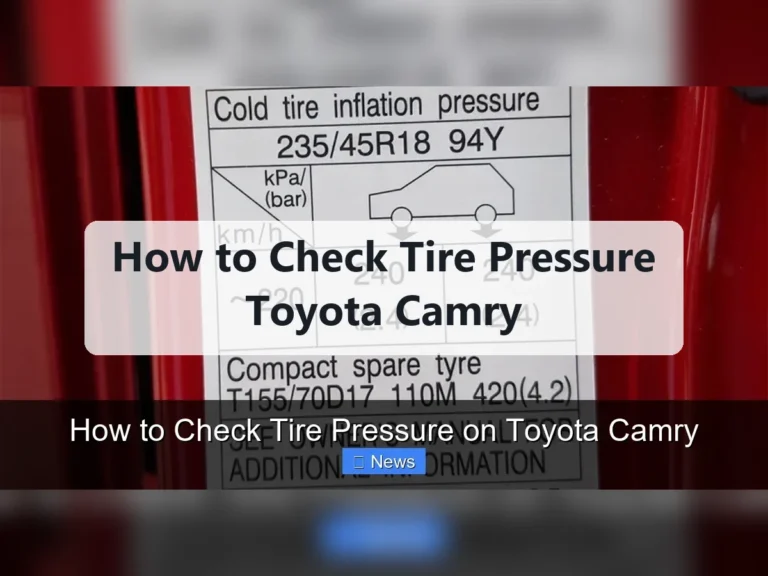
Open the driver’s door and look along the door jamb or the edge of the door for the vehicle certification and tire information label. Find the recommended cold inflation pressure, expressed in PSI, for the front and rear tires. Some vehicles show one pressure for all four tires, while others list different front and rear values.
Use the number for your specific Crosstrek rather than guessing from memory. The tire sidewall usually lists a maximum permitted pressure for the tire, not the pressure Subaru selected for the vehicle’s ride, handling, load, and fuel-efficiency balance.
If the label is missing or unreadable, consult the owner’s manual or ask a Subaru service department to verify the specification using the vehicle identification number and current tire size. Do not substitute a pressure from a different Crosstrek year or an unrelated tire size.
Step 2 Let the tires cool before measuring
Park the Crosstrek on a level surface away from traffic and allow the tires to cool. Measuring before the first drive of the day is usually easiest. If you have already driven, avoid treating the warm reading as the final target; record it if useful, then recheck when the tires are cold.
Do not attempt this inspection beside a busy roadway unless you can move to a genuinely safe location. Set the vehicle in Park, apply the parking brake, and keep loose clothing and fingers away from moving parts. You do not need to remove a wheel or crawl under the vehicle.
Step 3 Inspect each tire before using the gauge
Walk around the Crosstrek and look at all four tires. Check for a tire that appears significantly lower than the others, nails or screws in the tread, cuts, bulges in the sidewall, exposed cords, or objects lodged near the valve stem. Also look for uneven tread wear, which can suggest an alignment, suspension, or inflation problem.
A visibly damaged tire is not a normal inflate-and-go situation. If the sidewall has a bulge or cut, the tread is separating, or the tire is nearly flat, do not drive on it at highway speed. Use roadside assistance or arrange a professional inspection, following the vehicle’s instructions for the spare or tire repair equipment if supplied.
Step 4 Measure the first tire at its valve stem
Remove the small cap from the valve stem and set it somewhere clean. Press the tire gauge straight onto the valve stem firmly enough to stop air escaping around the connection. A digital gauge will display a number; a pencil gauge will extend a marked rod.
Read the pressure after the gauge settles. If air hisses continuously or the reading jumps around, reposition the gauge rather than assuming the tire is empty. A brief hiss while connecting the gauge is normal, but holding the gauge against the valve for too long can release a small amount of air.
Write down or remember the result and compare it with the door-jamb specification. Repeat the measurement once if the reading seems surprising. The result is useful only when the gauge is seated properly and the tires are at a similar temperature.
A useful way to approach how to check tire pressure subaru crosstrek is to check your progress after each stage.
Step 5 Check the other three tires and the spare if equipped
Measure the remaining tires in the same way, including the tire that did not trigger a warning. Temperature, road debris, and small leaks can affect tires independently, and the dashboard may not identify every detail. Comparing the four readings gives you a clearer picture of the vehicle’s condition.
If your Crosstrek has a temporary spare, check its pressure according to the owner’s manual or the marking near the spare. A temporary spare commonly requires a different pressure from the regular tires, so do not inflate it to the same PSI automatically. Some Crosstrek configurations may not include a conventional spare; do not mistake tire repair equipment for a spare tire.
Step 6 Add air in short increments when a tire is low
Connect the air hose to the valve stem or position the portable inflator according to its instructions. Add air briefly, then remove the connector and measure again. Continue until the cold reading reaches the recommended PSI on the vehicle label.
Adding air in short bursts gives you control and prevents overshooting the target. If the pump has a digital setting, treat its displayed value as a convenience rather than a substitute for checking with your own gauge. Pumps can differ in accuracy, and the connector may not seal perfectly.
Keep hands clear of the hose connection and do not lean over a tire that is visibly damaged. Stop if you hear a strong, continuous leak, see the tire deform, or cannot make the valve accept air normally. Those signs need inspection rather than more inflation.
Step 7 Release excess air carefully if a tire is overinflated
If the measured pressure is above the recommended cold PSI, press the small pin in the center of the valve stem briefly with the back of some gauges or the tool specified by the gauge manufacturer. Remove the tool and measure again after each short release.
Do not use the sidewall maximum as your target, and do not release air simply because the warm reading is higher than the door-jamb number. Warm tires naturally show an elevated pressure. When in doubt, wait for the tires to cool before making a significant adjustment.
Step 8 Replace the valve caps and check for leaks
After each tire reaches the correct pressure, screw its valve cap back on by hand until snug. The cap helps keep dirt and moisture away from the valve; it is not a substitute for a sound valve core, so a missing cap alone does not explain a major pressure loss.
Listen briefly around the valve stem for hissing. If you have soapy water available, a growing cluster of bubbles at the valve or a tread puncture can reveal escaping air, but do not use this as a reason to handle a damaged tire. A tire that loses noticeable pressure soon after inflation should be examined by a tire professional.
Step 9 Drive only when the tires are safe and recheck the warning
Once the tires are properly inflated and free of obvious damage, start the Crosstrek and observe the tire pressure warning light. Depending on the model year and system, the light may go out immediately, after the vehicle is driven, or after the system completes its monitoring cycle. The exact behavior and any reset procedure are described in the owner’s manual.
Understanding how to check tire pressure subaru crosstrek also means recognizing the limits of the method.
Do not repeatedly reset the TPMS warning without correcting the pressure. The tire pressure monitoring system is a useful alert, but it does not replace a gauge and may not identify every leak or pressure difference. After a short, cautious drive, park safely and confirm that the warning has cleared if your model requires movement before updating its reading.
Check your result
Success check: All four regular tires match the cold PSI on the door-jamb label, the valve caps are installed, no tire shows visible damage, and the warning does not return during normal driving.
What the Crosstrek Tire Pressure Warning Can and Cannot Tell You
The TPMS warning light indicates that the system detected low pressure or a monitoring-related condition. It does not necessarily tell you which tire is low, how many PSI the tire needs, or whether the cause is a puncture. That is why a manual check of every tire remains important.
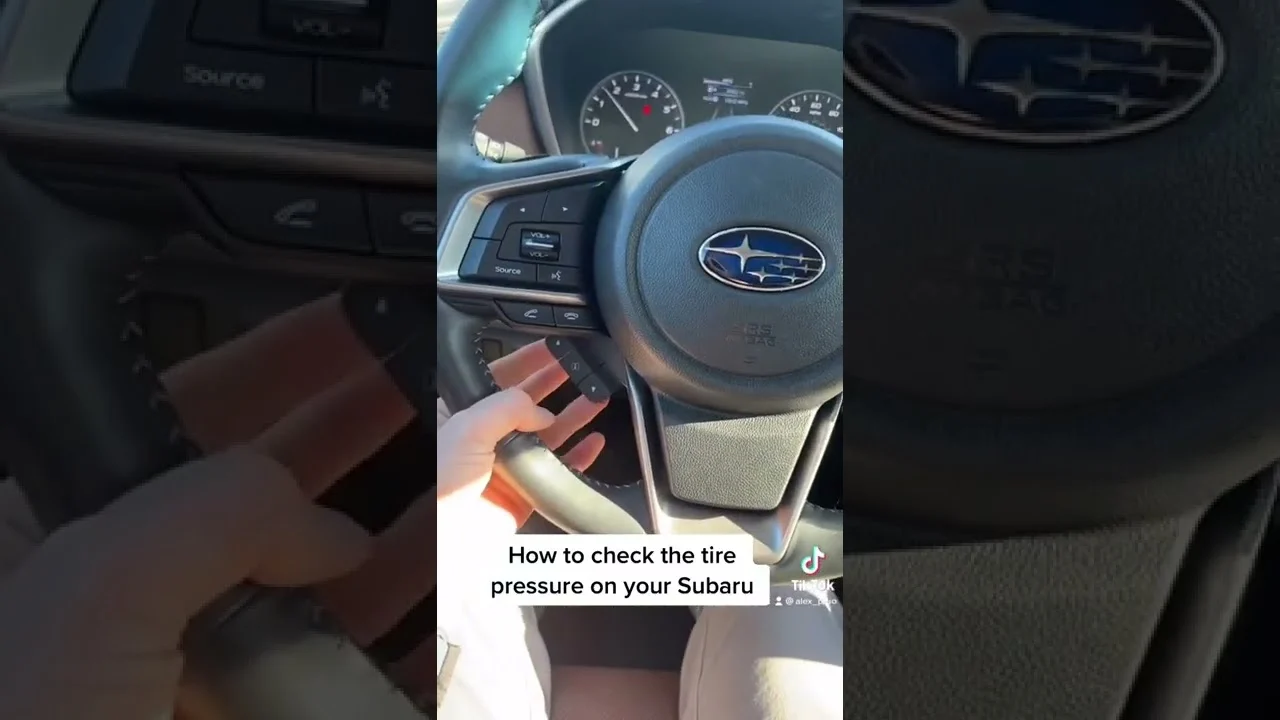
Some Crosstrek models may show individual tire pressures on the instrument display, while others mainly use a warning light. Displayed readings can be helpful for comparison, but they should still be checked against the recommended pressure with a gauge when the warning appears.
Why temperature changes the reading
Air pressure generally falls when the weather becomes colder and rises as the tires warm during driving. A cold morning can therefore trigger a warning even when no puncture occurred. Add air to the vehicle’s specified cold pressure, then continue monitoring rather than lowering a warm tire to match the label immediately.
Why the door label is more useful than the tire sidewall
The number on the tire sidewall is commonly the tire manufacturer’s maximum inflation pressure under specified conditions. It is not a recommendation tailored to your Crosstrek. The door-jamb label accounts for the vehicle configuration and is the correct starting point for normal operation.
When the pressure should be checked
Check the tires at regular intervals, before a long trip, after a substantial temperature change, and whenever the vehicle pulls, rides differently, or displays a warning. Checking when the tires are cold produces the most meaningful comparison with the vehicle label.
Troubleshoot Readings That Do Not Make Sense
Most problems come from a poor gauge connection, measuring warm tires, using the wrong specification, or a genuine leak. Compare the symptom with the likely cause before making a large adjustment. If the tire looks unsafe, skip diagnosis at home and arrange professional help.

| What you observe | What it may mean and what to do |
|---|---|
| One tire is much lower than the other three | Possible puncture, valve leak, or wheel damage. Inflate only enough to move safely for inspection, if the tire is not visibly damaged, and have it checked promptly. |
| The warning returns soon after inflation | Air is probably escaping, or the monitoring system needs its model-specific relearn process. Recheck all four tires and consult the owner’s manual or a qualified technician. |
| The gauge reads zero or fluctuates wildly | The gauge may not be seated on the valve, the valve may be damaged, or the gauge may be faulty. Try a second reliable gauge and stop if air leaks continuously. |
| All tires read lower after a cold snap | Temperature may have reduced pressure evenly. Set each tire to its specified cold PSI and monitor for uneven loss. |
| The light stays on after correct inflation | The system may need driving time, a prescribed reset, or diagnosis of a sensor/system fault. Use the manual rather than guessing at a reset sequence. |
Important
Do not drive normally on a tire that is flat, badly underinflated, cut, bulged, or losing air quickly. Underinflation can generate heat and damage the tire internally even when the outside appears intact.
When a tire shop should handle the problem
Seek professional inspection when a tire repeatedly loses pressure, contains a nail or screw, has sidewall damage, shows a bulge, or cannot be inflated. A puncture in the tread may be repairable, but damage near the sidewall or shoulder often requires replacement, and the decision depends on the tire’s construction and condition.
Also get help if the Crosstrek pulls strongly, vibrates, makes unusual tire noise, or has uneven wear. Those symptoms may involve alignment, suspension, a bent wheel, or tire damage that pressure adjustment alone will not correct.
Beginner FAQs About Crosstrek Tire Pressure
These answers cover the questions that commonly arise after the first pressure check.
What PSI should I put in my Subaru Crosstrek tires?
Use the cold-tire PSI printed on the tire and loading label inside the driver’s door area. The correct value can vary by model year, tire size, and configuration, so do not rely on a generic number or the tire sidewall maximum.
Can I check the pressure immediately after driving?
Yes, you can take a reading for information, but the result will be higher because the tires are warm. For setting pressure, wait until the tires cool and compare the reading with the cold specification on the vehicle label.
Why is the TPMS light on after I added air?
The warning may require driving before the system updates, or your Crosstrek may have a model-specific relearn or reset procedure. First verify all four tire pressures manually. If the light remains on or returns, have the tires and TPMS system inspected.
Should I inflate my tires to the maximum number on the sidewall?
No. The sidewall number is generally a maximum pressure for the tire, not the normal vehicle setting. Inflate to the recommended cold pressure on the Crosstrek’s door-jamb label unless a qualified professional gives you a specific, justified instruction for an unusual load or tire setup.
How often should I check Crosstrek tire pressure?
Check it regularly, before long trips, after major temperature changes, and whenever the vehicle displays a warning or feels different. Monthly checks are a practical baseline, but a tire that has lost pressure once deserves more frequent monitoring until the cause is known.
Confirm the Pressure Before You Drive
Knowing how to check tire pressure Subaru Crosstrek owners can perform at home means using a reliable gauge, the vehicle’s cold-PSI label, and a careful inspection of all four tires. Measure before driving when possible, adjust in small amounts, replace the valve caps, and treat recurring pressure loss as a repair issue rather than a routine refill.
After the check, verify that the tires are undamaged and that the TPMS warning clears according to your model’s instructions. If any tire is flat, damaged, or losing air quickly, stop and arrange qualified assistance before returning to normal driving.