How to Disable Tire Pressure Monitoring System: Safe Options
A tire pressure warning that will not go away is frustrating, especially when the tires look properly inflated. Some drivers search for how to disable tire pressure monitoring system alerts because the light is inconvenient, a sensor has failed, or a different wheel set does not include compatible sensors. The safe answer is not to defeat the system blindly: tire-pressure monitoring can warn you about a real leak or an unsafe underinflated tire.
In most vehicles, you cannot permanently switch TPMS off through a normal dashboard menu. You can often clear a correctly resolved warning by setting the tires to the pressure on the driver-door placard, driving through a relearn cycle, or using a vehicle-specific reset procedure. A repair shop may also be able to reprogram the system, but disabling it may be restricted by law or blocked by the vehicle manufacturer.
This guide explains how to identify the type of warning, check the tires safely, reset or relearn the system, and verify the result. It also shows when a failed sensor, incompatible wheel, spare tire, or wiring problem requires diagnosis instead of another reset. If the warning is flashing, a tire is damaged, or the vehicle handles abnormally, stop treating the light as a nuisance and have the vehicle inspected.
At a glance
- Check actual tire pressure and tire condition before attempting any reset.
- A reset clears stored information; it does not repair a leak or replace a dead sensor.
- Permanent TPMS deactivation is generally unsafe, may be illegal, and is not a normal owner adjustment.
How to disable tire pressure monitoring system alerts safely
The practical goal is usually to clear a false or resolved warning, not to remove a safety feature. Follow the sequence below for a typical passenger vehicle, then use the owner’s manual for the exact button sequence, driving distance, and relearn requirements for your model.
Tools you will need
- A reliable tire-pressure gauge to compare each tire with the vehicle’s specified pressure
- An air pump or compressor, if adjustment is needed
- Owner’s manual, especially for the TPMS reset or sensor-relearn procedure
- Optional: TPMS scan tool, useful when the warning remains after pressure and reset checks
Step 1 Read the warning light before touching the tires
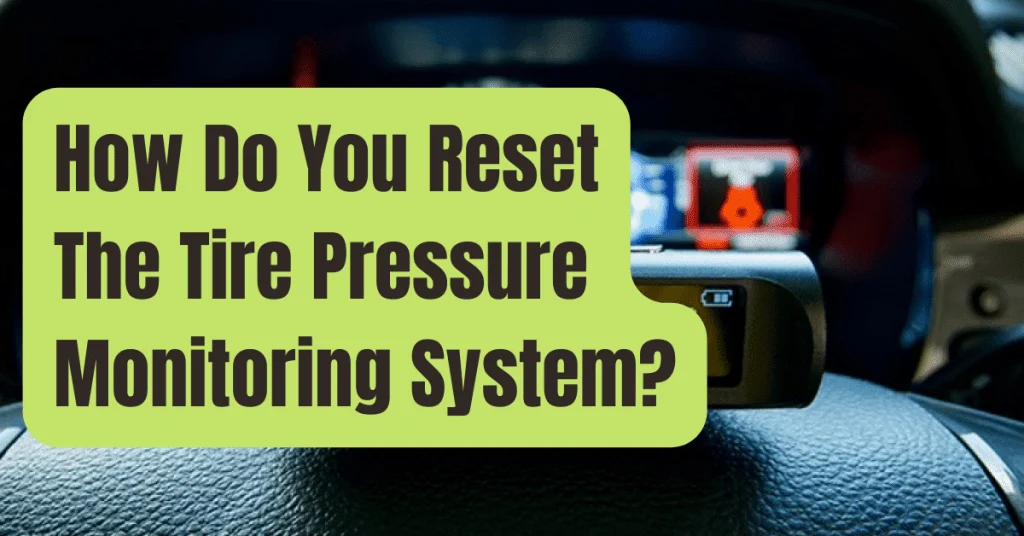
Turn the ignition on without starting the engine and observe the TPMS symbol. A steady yellow tire-shaped light usually means the system has detected low pressure in one or more tires. A light that flashes for roughly a minute and then stays on commonly indicates a TPMS fault, such as a sensor, receiver, or communication problem.
Do not assume that a flashing warning can be fixed by adding air. The vehicle may have correct tire pressure but still be unable to receive a sensor signal. Note whether a message identifies a specific wheel, says “service tire monitor,” or appeared after installing different wheels.
Important
Do not drive normally on a visibly damaged, soft, or rapidly losing tire. Inflate it only if appropriate for moving the vehicle to a safe location; otherwise use roadside assistance or a qualified tire professional.
Step 2 Find the specified cold tire pressure
Look for the tire-pressure placard on the driver’s doorjamb, door edge, fuel-door area, or inside the owner’s manual. Use the pressure listed there, not the maximum pressure molded into the tire sidewall. The placard may specify different pressures for front and rear tires or for a heavily loaded vehicle.
“Cold” means the vehicle has been parked long enough for the tires to return close to outdoor temperature. Driving heats the air and temporarily raises the reading, so checking immediately after a trip can lead to an inaccurate adjustment. If you must check warm tires, record the readings and confirm them again when cold rather than guessing at a correction.
Step 3 Measure all tires, including the spare when applicable
Remove the valve-cap cover and press the gauge squarely onto each valve stem. Record all four readings and check the spare if the vehicle’s TPMS monitors it. Some full-size spares contain a sensor and can trigger a warning when installed; many compact spares do not have a monitored sensor but can still affect the system if they replace a normal wheel.
Compare every reading with the placard. Add air in small amounts when a tire is low, then measure again. If one tire is substantially lower than the others, look for a nail, screw, valve-stem leak, sidewall damage, or bead leak rather than simply resetting the light.
A tire can lose pressure without looking flat, and a visual inspection cannot confirm the correct pressure. The observable result of this step is a written set of readings that matches the vehicle specification and a tire inspection that reveals no obvious damage.
Step 4 Correct the underlying pressure or tire problem
Inflate low tires to the placard specification with an accurate gauge. If a tire is overinflated, release air in short presses and recheck it. Replace the valve cap after measuring; the cap helps keep dirt and moisture away from the valve but does not repair a leak.
Have a tire professional inspect any tire that loses pressure again, has a bulge or cut, contains a puncture in an unsafe repair area, or shows exposed cords. Do not use a dashboard reset to hide a repeated pressure loss. The system is doing its job when it alerts you to a condition that has not been corrected.
Step 5 Perform the vehicle’s normal TPMS reset or relearn
Once the pressures are correct, follow the owner’s manual procedure. Depending on the vehicle, this may involve selecting a tire-pressure reset option in the instrument-cluster or infotainment menu, pressing a physical TPMS button, or driving at a specified speed for a period so the system can update its readings.
Some vehicles use an indirect TPMS system that estimates pressure through wheel-speed sensors and requires a reset after adjusting the tires. Others use direct TPMS sensors inside the wheels, which measure pressure and transmit individual readings. The correct procedure is not interchangeable between these designs.
After initiating a reset, the dashboard may display a confirmation, beep, or message such as “learning” or “tire pressure initialized.” If the manual says to drive, use normal roads and obey traffic laws. Do not repeatedly press the reset button while driving or try to complete a relearn in an unsafe location.
Step 6 Complete a sensor relearn when wheels or sensors changed
If the warning began after installing winter wheels, replacement wheels, new sensors, or a spare, the vehicle may need to learn each sensor’s identification code. A relearn can be automatic, require a specific drive cycle, or require a compatible TPMS activation tool at each wheel.
Follow the manual’s wheel-position order if one is provided. Some systems identify the position automatically while others require the sensor at the left front, right front, right rear, and left rear to be activated in sequence. A shop may need to program universal sensors with the vehicle’s correct application before the vehicle can recognize them.
Success is shown by individual tire-pressure readings, a completed relearn message, or a warning light that turns off after the required drive cycle. If the system cannot learn one wheel, stop repeating the process and have that sensor and its compatibility checked.
Step 7 Clear a stored fault only after the cause is addressed
A TPMS scan tool can read sensor identification, pressure, temperature, battery condition, and communication faults on supported vehicles. It may also clear a stored code after a sensor replacement or wiring repair. This is different from merely resetting the pressure baseline.
Use a scan tool only according to its instructions and the vehicle’s service information. A tool that can read engine codes may not support TPMS, and an inexpensive reader may show limited data. If the scan reports a dead sensor battery, missing sensor, invalid sensor ID, receiver fault, or communication error, the fault needs repair rather than repeated clearing.
Do not attempt to program a sensor based only on its physical appearance. Sensor frequency, protocol, valve design, and vehicle application must match. A sensor that fits the wheel may still be electronically incompatible.
A useful way to approach how to disable tire pressure monitoring system is to check your progress after each stage.
Step 8 Confirm that the warning stays cleared
Park safely and turn the vehicle off. Restart it and check the instrument cluster before driving. The TPMS light should remain off or show normal pressure information, depending on the vehicle’s design.
After completing any required drive cycle, recheck the display and pay attention to handling. A successful reset means the system recognizes the expected tire data; it does not prove that a slow leak will never return. Check the pressures again after the vehicle has been parked and keep the readings in mind for future comparison.
Check your result
A genuine successful result is a warning that remains off after startup and the specified relearn drive, with all tire pressures still matching the door-placard values.
Why permanently disabling TPMS is usually the wrong fix
TPMS is designed to warn when a tire is significantly underinflated or when the monitoring system cannot perform its job. Underinflation can increase heat buildup, reduce handling stability, affect braking, and accelerate tread wear. Turning off the alert removes information without correcting any of those conditions.
When people ask how to disable tire pressure monitoring system warnings, they often mean one of three different things: clear a warning after filling the tires, stop a fault caused by a second wheel set, or permanently prevent the system from reporting. The first two may be solved with a reset, relearn, compatible sensors, or repair. The third is not a responsible substitute for maintenance.
On many modern vehicles, TPMS settings are controlled by the body control module or another vehicle computer. There may be no owner-accessible off switch. A dealer or repair facility might be able to change configuration settings with manufacturer-level equipment, but that does not make permanent deactivation safe or permitted for road use.

When a steady warning is not a reset problem
A steady light that returns after pressure correction commonly points to a slow leak, incorrect pressure, temperature-related pressure change, or a sensor that is not reporting correctly. Cold weather can lower tire pressure enough to trigger a warning, but the correct response is still to measure and adjust the tires rather than suppress the alert.
If one tire repeatedly reads lower than the others, request a leak inspection. If all pressures remain correct but the warning returns, inspect the sensor data and relearn status. The vehicle’s manual may also specify a minimum speed or distance before the system updates.
When a flashing warning needs diagnosis
A flashing TPMS light followed by a steady light usually means a system malfunction rather than simple low pressure. Common causes include a failed sensor battery, a sensor damaged during tire service, an incompatible aftermarket sensor, a missing sensor in a replacement wheel, or a receiver and wiring issue.
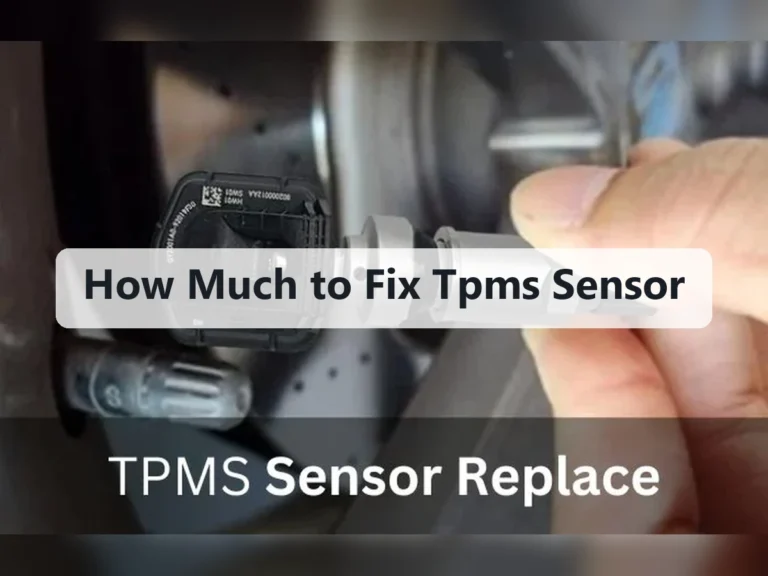
Because sensor batteries are commonly sealed inside the sensor, the battery itself is generally not replaced separately. The sensor assembly may need replacement, followed by programming or relearning. Avoid removing a tire-mounted sensor yourself unless you have the correct tire-service equipment and training.
How to verify the result without relying on the dashboard alone
Verification combines the dashboard message with actual pressure measurements. The light turning off is useful, but it is not proof that the tires are correctly inflated or that a slow leak has been repaired.
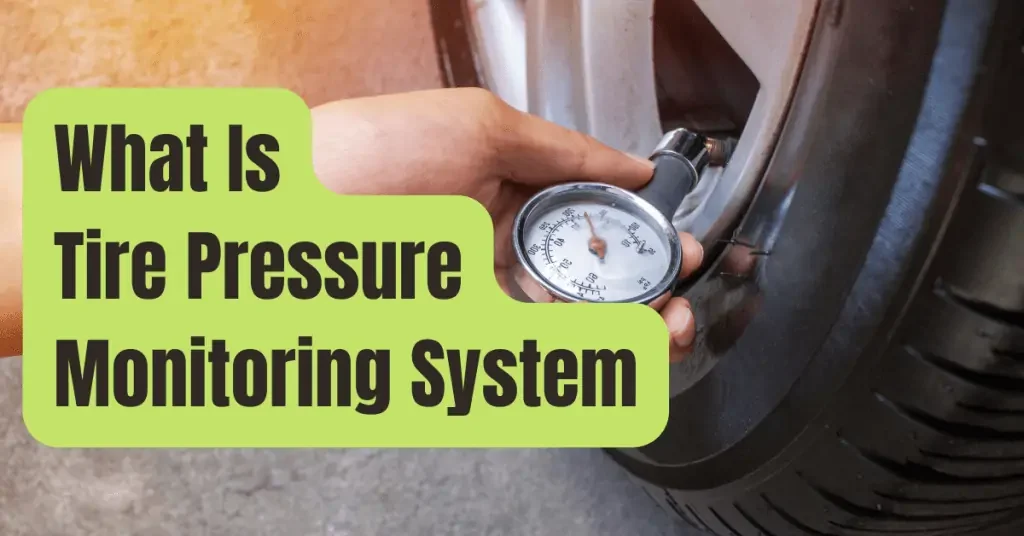
- Compare each cold tire with the door-placard pressure.
- Confirm that the vehicle recognizes every monitored wheel, if individual readings are available.
- Restart the vehicle after the relearn and check whether the warning returns immediately.
- Complete the specified drive cycle without ignoring unusual vibration, pulling, noise, or handling.
- Recheck pressure later if a tire previously lost air or if the system reports a low reading again.
Some vehicles display pressure values only after the wheels are moving. Others show pressure only when requested from a menu. If the display shows dashes, an unavailable reading, or one missing wheel, consult the manual or obtain a TPMS scan rather than assuming the system is disabled.
Common TPMS problems and the appropriate response
The most useful distinction is whether the warning reports low pressure or a system fault. The symptoms below help narrow the next action, but a repair professional should diagnose persistent faults before the vehicle is used for long trips.
| What you observe | Likely next action |
|---|---|
| Steady light after a cold-weather change | Measure all tires cold and adjust to the placard pressure; reset if the manual requires it. |
| One tire is lower again after inflation | Have the tire, valve, wheel, and bead checked for a leak. |
| Light flashes, then stays on | Scan or inspect the TPMS; look for a failed, missing, or incompatible sensor. |
| Warning began after installing another wheel set | Confirm that each wheel has a compatible sensor and complete the required relearn. |
| Light returns immediately after reset | Do not keep clearing it; obtain sensor data and fault diagnosis. |
Why the reset did not work
The most common mistake is resetting before correcting pressure. Another is using the wrong tire specification, such as the sidewall maximum instead of the placard value. A third is starting a relearn without satisfying the vehicle’s conditions, such as ignition position, parking-brake status, gear selection, or required driving speed.
Temperature can also explain a recurring warning. Pressure drops as air cools, so a tire that was marginally inflated in warm weather may trigger the monitor on a cold morning. Measure the tire rather than estimating from its appearance.
What to do after replacing a sensor
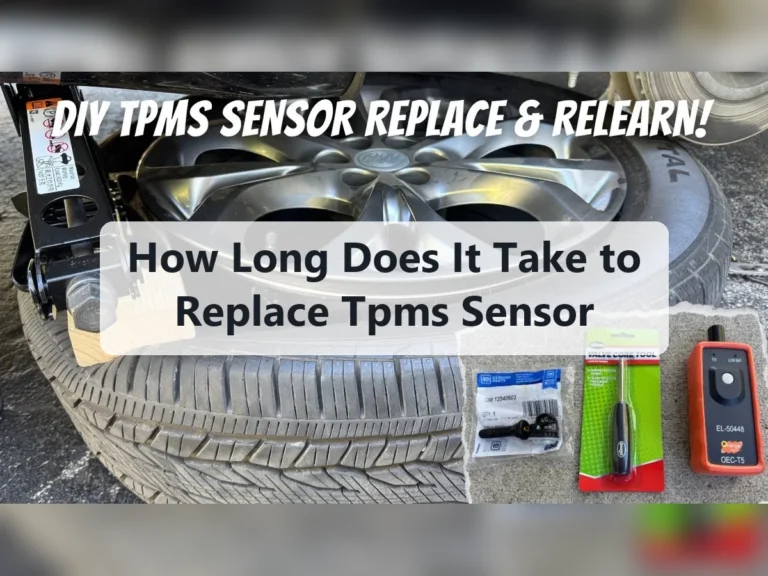
Ask whether the replacement sensor is compatible with the vehicle and whether it was programmed with the correct sensor ID. Some vehicles learn new IDs automatically; others require a scan tool or a specific activation sequence. Tire shops may also need to install a new valve seal or service kit, depending on the sensor design.
If the warning remains after a verified compatible sensor is installed and learned, the problem may be in the receiver, antenna, wiring, or control module. That is the point to use a qualified technician with vehicle-specific diagnostic information.
Can a second wheel set work without TPMS sensors?
It depends on the vehicle and the wheel set. A vehicle with direct TPMS may show a fault when its sensors are missing, while an indirect system may continue to operate after its pressure baseline is reset. Some models also require sensors in the spare or refuse to complete a relearn without every expected wheel.
Before buying or installing another wheel set, confirm the required sensor type, frequency or protocol, valve style, and relearn method. Do not assume that a sensor from another vehicle will work because it physically fits the wheel.
TPMS questions beginners commonly ask
Can I turn off TPMS from the dashboard?
Usually not permanently. Some vehicles provide a reset or initialization command, but that establishes a new pressure reference or starts a relearn; it does not remove the monitoring function. The owner’s manual will identify any legitimate user-accessible setting.
Will disconnecting the battery disable the tire-pressure warning?
It is not a reliable solution and can create additional issues, including lost settings or other warning messages. The TPMS may retain its fault or relearn after power is restored. Correct the tire or sensor problem and use the prescribed reset procedure instead.
Why is the light on when all four tires look full?
A tire can be underinflated without looking flat, so measure each tire when cold. If the readings match the placard, the warning may indicate a sensor fault, an incomplete relearn, a missing sensor, or a pressure change that has not been initialized.
Can I drive with the TPMS light on?
If the tires have been checked, hold the specified pressure, and show no damage, drive only as necessary to obtain diagnosis and monitor the vehicle carefully. Do not continue driving normally if a tire is losing air, damaged, hot, vibrating, or affecting handling. A flashing light deserves prompt service because it commonly indicates a TPMS malfunction.
How often should I reset TPMS?
Reset only when the vehicle’s procedure calls for it, such as after adjusting pressures, rotating tires, or changing wheels. Frequent resets can hide a recurring leak or prevent the system from using the correct baseline. Regular pressure checks are more important than repeatedly clearing the warning.
Use the warning to find the cause, not hide it
The safest way to approach how to disable tire pressure monitoring system alerts is to identify why the warning appeared, correct the tire or sensor issue, and then complete the vehicle’s approved reset or relearn. Check cold pressures against the door placard, inspect for leaks or damage, and verify that the dashboard stays clear after the required drive cycle.
There is usually no responsible permanent off switch for a road-going vehicle. If the light flashes, returns after correct inflation, or follows a wheel or sensor change, stop repeating resets and arrange a TPMS diagnosis. A working monitoring system is most useful when the tires are correctly maintained and the warning is treated as information rather than an inconvenience.