Do Tire Plugs Expire — The Short Answer and Important Exceptions
Tire plugs do not have one universal expiration date, but rubber plugs can age, dry out, or lose bonding ability. Replace questionable, damaged, or poorly stored plugs.
That answer is less reassuring than it first sounds: a plug can look perfectly usable while its rubber has hardened enough to compromise a repair. The expiration question is therefore not only about the calendar; it is about the plug’s material, packaging, storage conditions, and intended use.
For a driver carrying a puncture kit, the rushed decision is usually simple—grab the oldest strip and get back on the road. Yet a plug that has spent years in a hot trunk, has a cracked surface, or came from an opened package deserves more scrutiny than a newer, sealed plug stored indoors. This guide explains how tire plugs age, how to inspect them, when a temporary roadside repair is appropriate, and when the tire should be professionally repaired or replaced.
This guide examines “do tire plugs expire” and explains the details that matter in practice.
This guide examines “do tire plugs expire” and explains the details that matter in practice.
You will learn how to interpret package dates, distinguish a plug from a complete tire-repair system, recognize storage-related failure signs, and decide whether an old plug belongs in an emergency kit or the trash. The goal is a practical answer to do tire plugs expire without treating every old repair strip as either automatically safe or automatically useless.
- ✓Most tire plugs have no universal expiration date, but rubber and adhesive materials can deteriorate with age.
- ✓Heat, sunlight, moisture, ozone, and an opened package can shorten useful storage life.
- ✓A temporary plug is generally for a tread puncture, not a sidewall, shoulder, large tear, or damaged tire.
- ✓Inspect old plugs for hardening, cracking, brittleness, contamination, and poor flexibility before use.
- ✓A tire repaired from the inside with a properly installed plug-and-patch combination is usually a better permanent solution than an exterior plug alone.
Do Tire Plugs Expire, or Do They Simply
Tire plugs are typically made from a rubber-like compound designed to remain flexible enough to fill a puncture and seal against the tire’s inner surfaces. Some kits also include a separate vulcanizing cement or rubber cement. The plug and the chemical compound do not necessarily age at the same rate.
Manufacturers may print a shelf-life recommendation, lot information, or a “use by” date on the package. Other products provide storage guidance without stating a firm expiration date. If a manufacturer gives a date, temperature range, or replacement recommendation, follow that information rather than relying on a general rule for all plug kits.

- Package information: Look for a printed expiration date, production date, lot number, or storage instruction.
- Material condition: A usable strip should remain pliable and cohesive, not dry, crumbly, glazed, or cracked.
- Separate chemicals: Check cement or adhesive for thickening, separation, a dried nozzle, or a changed smell and texture.
- Storage history: A plug kept in a cool, dry cabinet is generally less concerning than one exposed to years of trunk heat.
So, do tire plugs expire in the same decisive way that food or medicine does? Not always. A plug without a printed date is not automatically safe forever, and a plug past a printed date is not something to use casually just because it still resembles new rubber.
Think of the date as one decision point, not the entire decision. Age, condition, storage, product instructions, and the tire damage itself all determine whether using that repair is sensible.
What Makes a Tire Plug Deteriorate?
Rubber compounds gradually change when exposed to oxygen, ozone, ultraviolet light, heat, and contaminants. The process can be slow in a sealed package stored under favorable conditions, but it accelerates in a vehicle exposed to summer temperatures and repeated temperature swings.
Heat can make some materials soften, dry, or lose volatile components. Sunlight can degrade exposed rubber, while moisture and dirt can contaminate an opened package. A strip that has been loose in a tool box may also pick up oil, grease, dust, or metal fragments that interfere with the repair.

- Heat exposure: A glove box or trunk can become much hotter than the storage conditions recommended for repair materials.
- Ultraviolet light: Direct sunlight can dry and weaken exposed rubber, especially when packaging is torn or transparent.
- Ozone and air: Long-term exposure may contribute to surface cracking and loss of flexibility.
- Contamination: Oil, solvents, dirt, and moisture can affect how a plug interacts with the tire and cement.
Not every surface change means immediate failure. A slightly dull appearance may be harmless, while a hard outer skin, deep cracks, or a strip that snaps when bent are clear reasons not to use it. When uncertain, replacing inexpensive repair material is safer than gambling on a questionable seal.
How to Inspect an Old Plug Before Using It
Before opening a tire, examine the plug and the rest of the kit in good lighting. The inspection cannot prove that a repair will succeed, but it can identify materials that should never be installed.
Flex the strip gently rather than aggressively stretching it. It should bend without crumbling, splitting, or feeling rigid. The surface should be reasonably uniform, with no obvious white bloom, severe stickiness, hard crust, mold, embedded debris, or chemical damage.

- Bend test: Reject a strip that cracks, snaps, flakes, or remains stiff when gently flexed.
- Surface check: Avoid material with deep cracks, severe drying, oily contamination, or an unusual hardened coating.
- Package check: Discard open, wet, torn, or unmarked packaging when you cannot establish how the plug was stored.
- Cement check: Do not rely on adhesive that is dried out, separated, unusually thick, or unable to spread as directed.
Do not test a plug by driving a nail or sharp tool through it. That creates unnecessary damage and does not simulate the forces involved inside a pressurized tire.
The repair tool matters too. A rusty insertion tool, damaged reamer, missing handle, or dull cutting blade can turn a usable plug into a poor repair. Replace the complete kit when several components are old or compromised rather than assuming the rubber strip is the only part that matters.
Storage Determines More Than the Calendar
Storage is one of the most useful clues when deciding whether old repair materials are worth keeping. A sealed kit stored indoors, away from sunlight and large temperature changes, has a better chance of remaining serviceable than an opened kit kept permanently in a hot vehicle. This distinction matters when answering “do tire plugs expire”.
That does not create a guaranteed shelf life. Even ideal storage cannot reverse a manufacturer’s stated expiration date or compensate for a product that shows visible deterioration. It simply helps explain why two plugs of the same age may have very different conditions.
- Cool location: Keep the kit away from radiators, engine compartments, and prolonged vehicle heat.
- Dry packaging: Seal unused strips and cement to reduce moisture and contamination.
- Dark container: Block direct sunlight and ultraviolet exposure.
- Periodic review: Inspect the kit when checking other emergency supplies, especially before a long trip.
A car emergency kit still has a practical role, but it should not become a retirement home for old rubber. If the kit has been in the trunk for many years, replace the consumable materials even if the tools look fine. The cost is small compared with the inconvenience of a failed roadside repair.
Temporary Plug Versus a Proper Tire Repair
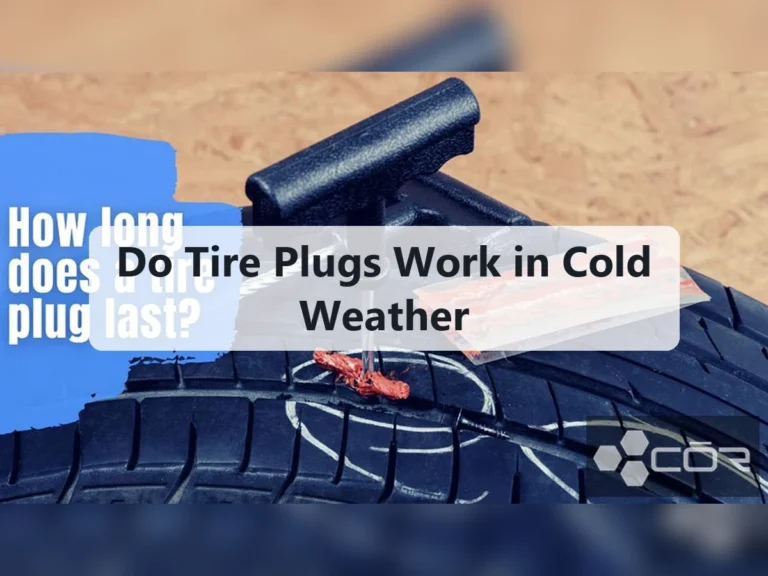
An exterior tire plug is commonly used as a temporary or emergency repair for a small puncture in the central tread. It is inserted from outside without removing the tire, which makes it useful when a driver needs to restore air pressure and reach a repair facility.
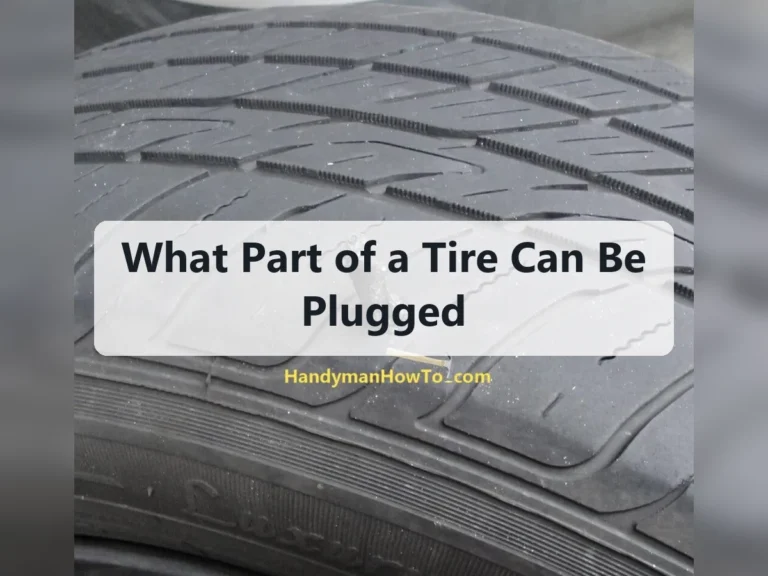
It is not appropriate for every puncture. Damage in the sidewall or shoulder affects areas that flex significantly and cannot generally be made safe with a simple plug. A large puncture, irregular tear, separated tread, exposed cords, bulge, or tire driven while severely underinflated may require tire replacement.
- Suitable location: A small, clean puncture in the tread’s repairable area is the usual situation for consideration.
- Unsafe location: Do not plug sidewall, shoulder, bead, or tread-edge damage.
- Hidden damage: A tire may have internal injury after being driven flat or nearly flat.
- Permanent repair: Ask a tire professional to remove and inspect the tire and use the repair method appropriate for its construction.
Many tire-industry repair procedures favor a combination repair installed from inside: a rubber stem fills the puncture while a patch seals the inner liner. An exterior plug alone may seal air temporarily, but it does not let an inspector see internal damage or properly address every path through the tire.
This distinction matters when evaluating an old plug. A fresh strip cannot make an unsafe puncture safe, and an expired adhesive cannot turn a roadside repair into a permanent one. The condition and location of the tire damage come before the age of the material.
Common Mistakes With Old Tire Plugs
The most common mistake is treating flexibility as the only test. A strip may still bend while its cement is unusable, its package is contaminated, or the puncture falls outside the repairable area.
Another mistake is assuming that a successful inflation proves the repair is sound. A plug can hold air initially and still leak later, work loose, or conceal damage that was never inspected from inside the tire.
- Ignoring the cement: The plug may be sound while the included chemical has dried or degraded.
- Plugging a sidewall: Sidewall repairs are not equivalent to tread repairs and can create a serious safety risk.
- Driving indefinitely: A temporary repair should lead to a prompt professional inspection, not months of normal driving.
- Using too many plugs: Multiple repairs close together can weaken the tire or exceed repair limits.
- Skipping pressure checks: A repaired tire should be monitored for pressure loss after installation.
If a tire loses pressure again, feels unusual, or shows a bulge near the repair, stop treating the plug as successful. Inflate only according to safe instructions and have the tire assessed; continuing to drive on a leaking or structurally damaged tire can worsen the hazard.
Frequently Asked Questions About Whether Tire Plugs Expire
Do tire plugs expire if they stay sealed?
A sealed package slows aging but does not make the material permanent. Use the manufacturer’s date and storage instructions when available, and replace the plug if it is beyond the stated shelf life or shows deterioration.
How long do tire plugs last in a car?
There is no single dependable number because kits differ and vehicle storage conditions vary. Years of heat, sunlight, and temperature cycling are reasons to inspect or replace the kit rather than assuming it remains fresh.
Can an old tire plug still work?
It may, if it remains flexible, clean, and within the product’s stated storage guidance. However, appearance alone cannot guarantee a reliable repair, and an old plug should not be used for damage that requires professional inspection.
Does tire plug glue expire?
Yes, cement and adhesive can dry, thicken, separate, or lose effectiveness. Check its package and texture separately from the rubber strip, and do not use a chemical that no longer spreads or behaves as instructed.
Can I use a tire plug past its expiration date?
You should follow the manufacturer’s recommendation and replace material past its stated date when possible. If it is the only emergency option, the condition of the tire and the plug still determine whether a temporary repair is even appropriate, but an uncertain repair should be treated as temporary and inspected promptly.
Do tire plugs expire faster in a hot trunk?
Heat and repeated temperature changes can accelerate aging, especially in an opened or poorly sealed kit. A hot trunk is a less favorable storage location than a cool, dry, dark place.
Is a tire plug a permanent repair?
An exterior plug is generally considered a temporary repair method. A tire professional should remove the tire, inspect it internally, and determine whether a suitable permanent repair or replacement is possible.
Conclusion
Do tire plugs expire? They can become unreliable with age and poor storage, even when no universal expiration date appears on the package. Check the printed guidance, inspect the rubber and cement, and reject anything hardened, cracked, contaminated, or poorly stored.
Use a plug only for an appropriate small tread puncture and treat it as a temporary solution until the tire receives a proper inspection. If the damage involves the sidewall, shoulder, internal structure, or a tire driven flat, replacement may be the safer decision.
Inspect your repair kit today, replace questionable plugs and cement, and keep a fresh kit in a cool, dry location.