Can You Use a Tonneau Cover with Rambox: Full Guide and Key Facts
You’ve invested in a Ram truck, perhaps drawn by its robust capabilities and innovative features like the RamBox Cargo Management System. This integrated storage solution, built into the side rails of the truck bed, offers unparalleled convenience for tools, gear, and anything you want to keep secure and organized. However, as practical as the RamBox is, a common question arises for many owners: what about protecting the rest of the bed?
The desire for a tonneau cover is understandable. It shields your cargo from the elements, deters theft, and can even improve fuel efficiency by reducing aerodynamic drag. But the unique design of the RamBox, with its prominent side compartments, presents a potential conflict. It’s not immediately obvious how a cover designed to fit over a standard truck bed would integrate with these built-in storage units.
This situation leads many Ram owners to wonder: can you use a tonneau cover with RamBox? The short answer is yes, you absolutely can, but it’s not as simple as picking any cover off the shelf. The RamBox system requires specific tonneau cover designs that accommodate its dimensions and functionality. Understanding these specialized options is key to maintaining both the utility of your RamBox and the benefits of a covered bed.
In this guide, I will explain the compatibility factors, the types of tonneau covers that work with RamBox, and what you need to consider to make the best choice for your Ram truck.
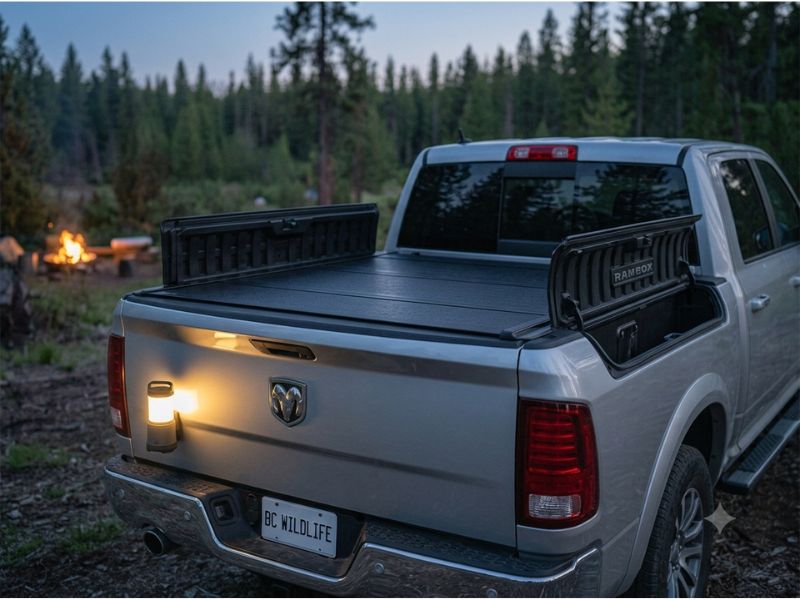
Understanding RamBox Compatibility for Tonneau Covers
The RamBox Cargo Management System is a game-changer for truck utility, offering lockable, drainable, and illuminated storage compartments integrated into the bed rails. While incredibly useful, these compartments occupy space along the top edges of the bed, which is precisely where many traditional tonneau covers mount. This fundamental design difference is why standard covers often won’t fit a Ram truck equipped with RamBox.
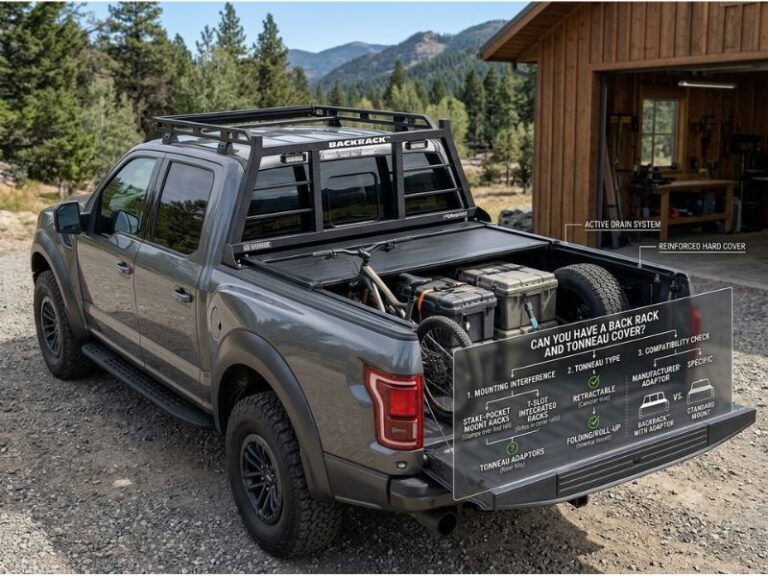
When I talk about compatibility, I’m primarily referring to how the tonneau cover’s mounting rails interact with the RamBox’s structure. Most tonneau covers use clamps or rails that attach to the inside lip of the truck bed rails. On a RamBox-equipped truck, these lips are either absent or significantly altered by the RamBox units themselves. Therefore, a compatible tonneau cover must be specifically engineered to work around or integrate with the RamBox system without obstructing its access or functionality.
Key Design Considerations for RamBox Tonneau Covers
Several critical design elements differentiate RamBox-compatible tonneau covers from their standard counterparts:
- Mounting System: The most significant difference is the mounting hardware. RamBox-compatible covers feature unique brackets or rail systems that attach to the truck bed in a way that bypasses the RamBox compartments. This often involves mounting lower in the bed or utilizing specialized clamps that don’t interfere with the RamBox lids.
- Width and Fit: The RamBox system slightly narrows the available space for the tonneau cover rails compared to a non-RamBox bed. Compatible covers are designed with precise dimensions to fit this narrower profile without rubbing against the RamBox units.
- Access to RamBox: A good RamBox-compatible tonneau cover allows you to open and access your RamBox compartments even when the cover is closed. This is a crucial feature, as it preserves the primary utility of the RamBox system. Some covers might require partial opening to access the RamBox, while others offer full, unimpeded access.
- Drainage: Just like standard covers, RamBox-compatible covers need effective drainage to prevent water from pooling on the cover or leaking into the truck bed. The design must account for the unique contours of the RamBox system to ensure proper water management.
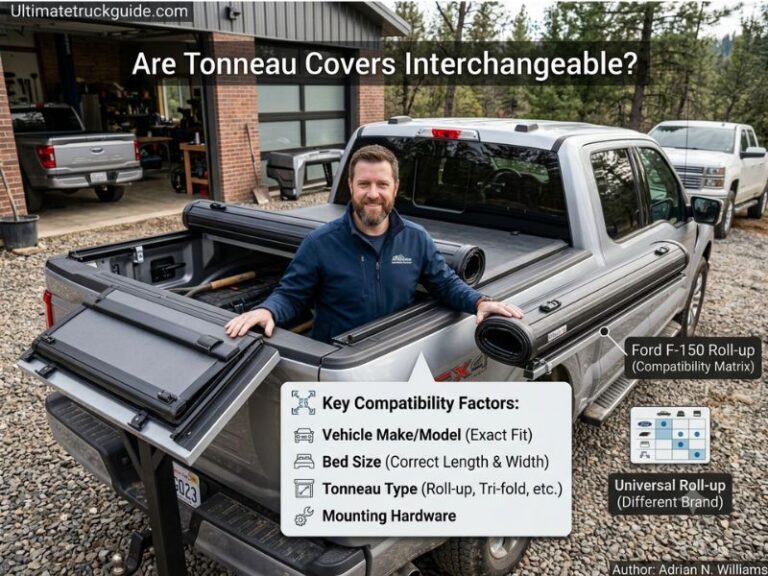
Ignoring these compatibility factors can lead to a frustrating experience, including improper fit, damage to your truck or cover, or loss of RamBox functionality. Always verify that a tonneau cover is explicitly listed as “RamBox compatible” before making a purchase.
Types of Tonneau Covers That Work with RamBox
While the RamBox system narrows your choices, several excellent tonneau cover types are specifically designed to integrate seamlessly. Each type offers distinct advantages in terms of security, convenience, and aesthetics. I’ll break down the most common and effective options.
1. Soft Roll-Up Tonneau Covers
Soft roll-up covers are among the most popular choices for RamBox-equipped trucks due to their affordability and ease of use. They typically feature a vinyl or fabric material stretched over a frame that attaches to the bed rails.
- How They Work: These covers usually mount with a low-profile rail system that sits inside the bed rails, often with specialized clamps that work around the RamBox. When you need full bed access, you simply unlatch the cover at the tailgate and roll it up towards the cab, securing it with straps.
- Advantages:
- Affordability: Generally the least expensive option.
- Full Bed Access: When rolled up, they provide nearly 100% access to the truck bed.
- Lightweight: Easy to operate and remove if needed.
- RamBox Access: Most soft roll-up covers allow full access to the RamBox compartments even when the cover is closed, as their mounting rails are designed to sit below the RamBox lids.
- Disadvantages:
- Security: Offers less security against forced entry compared to hard covers, as the fabric can be cut.
- Durability: Vinyl or fabric can be more susceptible to wear and tear from weather and UV exposure over time.
- Ideal For: Ram owners who prioritize budget, easy cargo access, and maintaining full RamBox functionality, and whose primary concern is weather protection and casual theft deterrence.
2. Hard Roll-Up Tonneau Covers
Hard roll-up covers combine the flexibility of a roll-up design with the enhanced security and durability of a hard material. They typically consist of interconnected aluminum or composite slats.
- How They Work: Similar to soft roll-ups, these covers roll up towards the cab. However, the individual slats provide a rigid surface. The mounting system is also designed to integrate with the RamBox, often sitting low on the bed rails.
- Advantages:
- Enhanced Security: The hard slats offer much better protection against cutting and forced entry than soft covers.
- Durability: More resistant to weather, UV, and minor impacts.
- Full Bed Access: Rolls up to provide nearly full bed access.
- RamBox Access: Many hard roll-up designs are engineered to allow RamBox access while the cover is closed.
- Disadvantages:
- Cost: More expensive than soft roll-up covers.
- Weight: Heavier than soft covers, making operation slightly more involved.
- Bulk: When rolled up, the canister or rolled-up bundle can take up a small amount of space near the cab.
- Ideal For: Those who want the convenience of a roll-up design but need superior security and durability for their cargo.
3. Retractable Tonneau Covers
Retractable covers are a premium option known for their sleek appearance and convenient operation. They typically slide into a canister located at the front of the truck bed.
- How They Work: These covers are made of rigid aluminum or polycarbonate slats that retract smoothly into a compact canister near the cab. They are often spring-loaded or electrically operated. The mounting rails are specifically designed to fit RamBox-equipped trucks, usually sitting low on the bed rails.
- Advantages:
- Superior Security: The rigid slats and locking mechanisms provide excellent theft deterrence.
- Sleek Aesthetics: Offers a very clean, low-profile look.
- Convenience: Easy to open and close, often with multiple locking positions. Electric models offer push-button operation.
- RamBox Access: Most retractable covers designed for RamBox allow full access to the RamBox compartments when the cover is closed.
- Disadvantages:
- Cost: Generally the most expensive type of cover.
- Canister Space: The canister at the front of the bed takes up a small amount of cargo space, which can be a consideration for very long items.
- Installation Complexity: Can be more involved to install than other types.
- Ideal For: Ram owners seeking the highest level of security, convenience, and a premium look, and who are willing to invest more.
4. Soft Folding Tonneau Covers
Soft folding covers offer a balance of affordability and quick access. They are typically made of vinyl or fabric stretched over an aluminum frame that folds into two or three sections.
- How They Work: These covers clamp onto the bed rails and fold up towards the cab in sections. While many standard soft folders won’t work, specific RamBox-compatible versions have redesigned clamps and rail systems that sit inside the bed and clear the RamBox.
- Advantages:
- Affordability: More budget-friendly than hard covers.
- Quick Access: Easy to fold open for partial or full bed access.
- Lightweight: Simple to handle.
- Disadvantages:
- Security: Similar to soft roll-ups, they offer less security than hard covers.
- Partial Obstruction: When folded, the sections stack up, potentially obstructing the rear window slightly.
- RamBox Access: While some are designed to allow RamBox access, it’s crucial to confirm this for the specific model, as the folding mechanism might interfere.
- Ideal For: Those looking for an economical option with decent weather protection and quick, easy access to their bed, and who don’t require the highest level of security.
5. Hard Folding Tonneau Covers
Hard folding covers provide excellent security and durability, folding into two, three, or four sections. They are typically made of aluminum or composite panels.
- How They Work: These covers attach to the bed rails with specialized clamps that are designed to clear the RamBox. They fold up towards the cab, stacking the rigid panels.
- Advantages:
- Superior Security: The hard panels offer excellent protection against theft.
- Durability: Highly resistant to weather and impacts.
- Quick Access: Offers quick access to the bed by folding sections.
- RamBox Access: Many hard folding covers designed for RamBox allow full access to the RamBox compartments when the cover is closed.
- Disadvantages:
- Cost: More expensive than soft covers.
- Partial Obstruction: When folded, the stacked panels can slightly obstruct the rear window.
- Weight: Heavier than soft covers.
- Ideal For: Ram owners who need robust security, durability, and quick access to their bed, and who are comfortable with the folded sections potentially impacting rear visibility.
It’s important to reiterate that regardless of the type, you must ensure the tonneau cover is explicitly advertised and designed as “RamBox compatible.” Generic versions of these cover types will not fit correctly.
Key Factors When Choosing a RamBox Tonneau Cover
Selecting the right tonneau cover for your RamBox-equipped truck involves more than just picking a type. I always advise considering several practical factors to ensure you get a cover that truly meets your needs and enhances your truck’s utility.
1. RamBox Access and Functionality
This is arguably the most critical factor. The whole point of having a RamBox is its convenient, integrated storage. Your tonneau cover should not hinder this. I always look for covers that allow you to open and close the RamBox lids even when the tonneau cover is fully closed.
- Unimpeded Access: The best covers will have mounting rails that sit low enough or are designed in such a way that they don’t block the RamBox lids from opening.
- Partial Access: Some covers might require you to partially open or fold back a section of the tonneau cover to fully access the RamBox. While workable, it adds an extra step.
- No Access: Avoid any cover that completely blocks RamBox access when closed. This defeats a major purpose of having the RamBox.
Always check product descriptions and reviews specifically for how the cover interacts with the RamBox system.
2. Security Needs
The level of security you require for your truck bed cargo should heavily influence your choice. Are you primarily protecting against weather, or do you need serious theft deterrence?
- Light Security (Weather Protection): Soft roll-up or soft folding covers are good for keeping rain and casual prying eyes out. They deter opportunistic theft but can be breached with a knife.
- Moderate Security: Hard roll-up or hard folding covers offer a significant step up. Their rigid panels are much harder to cut or pry open.
- High Security: Retractable covers, especially those with robust locking mechanisms and durable aluminum slats, provide the highest level of security, often making them as secure as the truck’s tailgate itself.
Remember that no tonneau cover makes your bed impenetrable, but a good one significantly deters theft.
3. Durability and Material
The material and construction of the tonneau cover directly impact its lifespan and resistance to the elements.
- Vinyl/Fabric: Common for soft covers. Look for marine-grade vinyl or heavy-duty fabric that is UV-resistant and tear-resistant. These materials are generally less durable than hard options but are lighter.
- Aluminum/Composite: Used for hard roll-up, hard folding, and retractable covers. These materials offer superior resistance to impacts, weather, and UV degradation. They are heavier but provide better long-term durability.
- Frame Construction: Pay attention to the quality of the frame and hinges. Aluminum frames are preferred for their corrosion resistance and strength.
Consider your local climate. If you live in an area with harsh sun, heavy snow, or extreme temperatures, investing in a more durable material will pay off.
4. Ease of Installation and Removal
While many tonneau covers are designed for DIY installation, some are more complex than others. If you’re not comfortable with tools, or prefer to remove the cover frequently, this is an important consideration.
- Clamp-On Systems: Many soft roll-up and folding covers use clamp-on systems that are relatively easy to install with basic hand tools.
- Rail Systems: Hard roll-up and retractable covers often involve more extensive rail systems that might require more precise alignment and potentially more time.
- Weight: Heavier covers (hard folding, retractable) can be more challenging to install alone.
I always recommend watching installation videos for specific models before purchasing to gauge the complexity.
5. Budget
Tonneau covers for RamBox-equipped trucks vary widely in price, from a few hundred dollars for basic soft covers to over a thousand for premium retractable models.
- Entry-Level: Soft roll-up and soft folding covers are typically the most budget-friendly.
- Mid-Range: Hard roll-up and hard folding covers fall into the mid-price range.
- Premium: Retractable covers are generally at the higher end of the price spectrum.
Determine your budget upfront, but also consider the long-term value. A more expensive, durable cover might save you money in replacements or repairs down the line.
6. Aesthetics and Profile
The look of your truck is important, and the tonneau cover plays a big role in its overall appearance.
- Low Profile: Many owners prefer a low-profile design that sits flush with the bed rails for a sleek, integrated look. Retractable and some hard folding covers excel here.
- Above-Rail: Some covers sit slightly above the bed rails. While still functional, they might not offer the same streamlined appearance.
- Finish: Covers come in various finishes, from matte black vinyl to textured or smooth aluminum. Choose one that complements your truck’s color and style.
I find that a well-chosen tonneau cover not only adds functionality but also enhances the visual appeal of your Ram.
Installation Tips for RamBox-Compatible Tonneau Covers
Installing a tonneau cover on a Ram truck with a RamBox system can be a bit different than a standard truck bed. While the specific steps will vary by manufacturer and cover type, I can offer some general tips to ensure a smooth and successful installation.
1. Read the Instructions Thoroughly
This might seem obvious, but it’s the most crucial step. RamBox-compatible covers have unique mounting hardware and procedures. Skimming the instructions or assuming it’s like a standard installation is a recipe for frustration. I always read the entire manual before touching a tool.
2. Verify All Parts Are Present
Before you begin, unbox everything and lay out all the components. Cross-reference them with the parts list in the manual. It’s much easier to discover a missing bolt or bracket at the beginning than halfway through the installation.
3. Clean the Bed Rails
Ensure the truck bed rails are clean and dry where the tonneau cover rails will mount. Any dirt, debris, or wax can interfere with proper adhesion (if weather stripping is involved) or clamping, potentially leading to leaks or an insecure fit.
4. Pay Close Attention to RamBox-Specific Brackets
The specialized brackets or shims designed to work around the RamBox are the heart of the compatibility. These components are critical for proper fit and RamBox access. Ensure they are oriented correctly and securely fastened according to the instructions.
5. Don’t Overtighten Clamps Initially
When attaching the main rails to the truck bed, hand-tighten the clamps first. This allows for minor adjustments to ensure the rails are perfectly straight and evenly spaced. Once everything is aligned and the cover fits properly, then go back and fully tighten all clamps to the manufacturer’s specified torque.
6. Check for Level and Square
The tonneau cover rails need to be level and square with the truck bed. Use a tape measure to check the distance from the front to the back of the rails, and from the top of the rail to the bed floor. This ensures the cover operates smoothly and seals correctly.
7. Test RamBox Access
Once the cover is installed, immediately test the RamBox functionality. Open and close both RamBox lids with the tonneau cover both open and closed. Confirm that the lids clear the tonneau cover rails and operate without obstruction.
8. Seal and Drainage
Most tonneau covers come with weather stripping or seals. Pay close attention to these, especially around the bulkhead (front of the bed) and tailgate. RamBox-compatible covers often have specific sealing requirements around the RamBox units to prevent water intrusion. Ensure any drain tubes are properly routed and secured.
9. Adjust Tension (for Roll-Up Covers)
If you have a roll-up cover, there might be tension adjusters. Follow the instructions to set the correct tension. Too loose, and the cover might flap; too tight, and it could be difficult to operate or put undue stress on the fabric.
10. Seek Professional Help if Needed
If you encounter difficulties or are unsure about any step, don’t hesitate to consult the manufacturer’s support or take your truck to a professional installer. A correctly installed cover will perform better and last longer.
By following these tips and carefully adhering to the specific instructions for your chosen cover, you can successfully install a RamBox-compatible tonneau cover and enjoy its benefits.
Maintaining Your RamBox Tonneau Cover
Proper maintenance is key to extending the life and preserving the appearance of your tonneau cover, especially one designed for the unique RamBox system. I always emphasize that a little regular care goes a long way.
1. Regular Cleaning
The most basic and important maintenance step is regular cleaning. Dirt, dust, tree sap, bird droppings, and road grime can accumulate and degrade the cover’s material over time.
- Soft Covers (Vinyl/Fabric): Use a mild automotive soap and water solution with a soft brush or cloth. Rinse thoroughly. Avoid harsh chemicals or abrasive cleaners, as they can damage the material and its UV coating. Many manufacturers offer specialized cleaners and protectants for vinyl covers.
- Hard Covers (Aluminum/Composite): These can typically be washed with your truck using automotive soap and water. For stubborn grime, a non-abrasive all-purpose cleaner might be suitable, but always test in an inconspicuous area first.
- Frequency: Aim to clean your cover whenever you wash your truck, or at least once a month, depending on environmental exposure.
2. Protectants and Conditioners
For vinyl and fabric covers, applying a UV protectant or conditioner is crucial. The sun’s UV rays can cause the material to fade, crack, and become brittle over time.
- UV Protection: Look for products specifically designed for tonneau covers or marine vinyl. These often contain UV inhibitors that shield the material from sun damage.
- Conditioning: Conditioners help keep the material supple and prevent drying and cracking.
- Application: Apply these products every few months, or more frequently if your truck is parked outdoors in direct sunlight for extended periods.
3. Inspect Seals and Drainage
Periodically check the seals around the perimeter of the cover, especially where it meets the RamBox units and the tailgate. These seals are vital for keeping water out.
- Look for Damage: Inspect for cracks, tears, or compression that might compromise the seal.
- Clean Debris: Clear any leaves, dirt, or debris from the seals and drain channels. For retractable covers, ensure the drain tubes from the canister are clear and properly routed.
- Lubricate (if applicable): Some seals or moving parts (like on retractable covers) may benefit from a silicone-based lubricant to maintain flexibility and prevent sticking.
4. Check Hardware and Fasteners
Vibrations from driving can sometimes loosen fasteners over time. It’s a good practice to periodically check all clamps, bolts, and mounting hardware.
- Tighten as Needed: Gently tighten any loose fasteners. Be careful not to overtighten, as this can strip threads or damage components.
- Lubricate Moving Parts: For folding or retractable covers, lubricate hinges, pivots, and tracks with a dry lubricant (like silicone spray) to ensure smooth operation. Avoid oily lubricants that can attract dirt.
5. Address Minor Repairs Promptly
Small tears in soft covers or minor damage to hard panels can worsen if left unaddressed. Many manufacturers offer repair kits for minor issues.
- Patch Kits: For small holes or tears in vinyl, a vinyl repair kit can often provide a temporary or even long-term fix.
- Professional Repair: For more significant damage, consult with the manufacturer or a professional auto accessory shop.
6. Winter Care
In colder climates, special care is needed.
- Snow and Ice: Remove heavy snow accumulation promptly to prevent excessive weight on the cover. Avoid using sharp objects to scrape ice, as this can damage the material.
- Freezing: If the cover freezes shut, do not force it open. Use warm water to melt the ice, or allow the sun to warm it up.
By dedicating a small amount of time to these maintenance practices, your RamBox-compatible tonneau cover will continue to look great and perform its function effectively for many years.
Common Mistakes to Avoid with RamBox Tonneau Covers
Even with the right RamBox-compatible cover, certain mistakes can lead to problems with fit, function, or longevity. Based on my experience, here are some common pitfalls to steer clear of.
1. Buying a Non-RamBox Compatible Cover
This is the most significant and costly mistake. Assuming any tonneau cover will fit a Ram truck is incorrect, and assuming a standard Ram cover will fit one with RamBox is equally wrong. The RamBox system fundamentally changes the bed rail profile. A non-compatible cover will either not fit at all, or it will interfere with the RamBox functionality, making it useless.
- Solution: Always double-check that the product description explicitly states “RamBox Compatible” for your specific Ram model year.
2. Improper Installation
Even the best cover can fail if not installed correctly. Misaligned rails, overtightened clamps, or improperly sealed edges can lead to leaks, poor operation, or damage to the cover or truck.
- Solution: Follow the manufacturer’s instructions meticulously. Don’t rush. If you’re unsure, watch installation videos or consider professional installation.
3. Neglecting Seals and Drainage
The primary purpose of a tonneau cover is often to keep cargo dry. If the seals are compromised or drainage is blocked, water will inevitably get in.
- Solution: Regularly inspect all seals for wear, tears, or debris. Ensure any drain tubes are clear and properly routed away from the bed. Clean the bed rails where the seals make contact.
4. Overloading the Cover
Tonneau covers are designed to protect cargo, not to bear heavy loads on top. Placing excessive weight, like heavy snow or large items, can damage the cover’s panels, frame, or hinges.
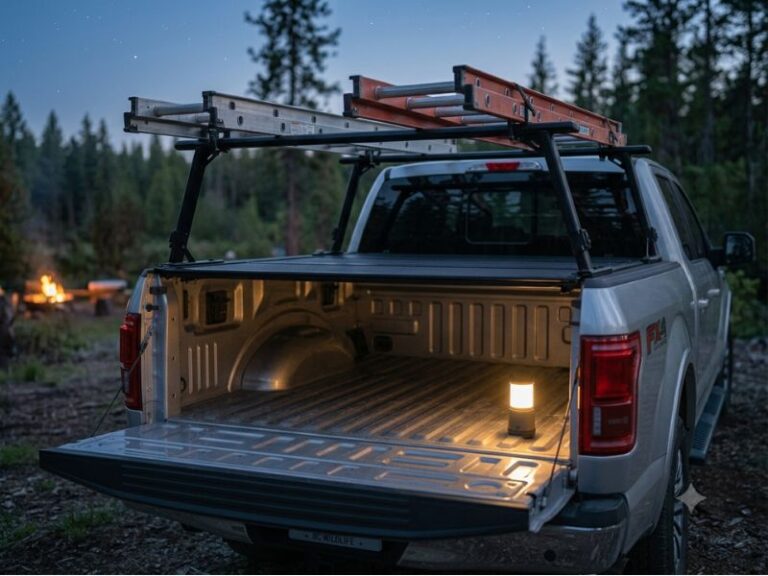
- Solution: Remove heavy snow promptly. Avoid placing anything heavy on top of the cover. If you need to carry items on top, you’ll need a specific rack system designed to integrate with a tonneau cover.
5. Using Harsh Cleaning Chemicals
Especially for soft vinyl or fabric covers, harsh detergents, abrasive cleaners, or petroleum-based products can strip UV coatings, cause discoloration, or degrade the material, leading to premature aging and cracking.
- Solution: Use only mild automotive soap and water, or specialized cleaners recommended by the tonneau cover manufacturer. Apply UV protectants regularly.
6. Forcing a Frozen Cover
In cold weather, a tonneau cover can freeze shut, either from ice on the surface or frozen seals. Forcing it open can tear the material, break hinges, or damage the locking mechanisms.
- Solution: Be patient. Use warm water to melt the ice, or allow the sun to warm the cover. Gently pry seals apart if they are merely stuck.
7. Ignoring Minor Damage
A small tear in a soft cover or a minor crack in a hard panel might seem insignificant, but it can quickly worsen due to wind, weather, or vibrations, leading to more extensive and costly repairs.
- Solution: Address any damage promptly. Many manufacturers offer repair kits for minor issues. For larger problems, consult a professional.
8. Not Considering Your Use Case
Choosing a cover based solely on price or aesthetics without considering how you’ll use your truck can lead to dissatisfaction. If you frequently haul tall items, a folding or retractable cover that provides full bed access is better than a solid one. If security is paramount, a soft cover might not be enough.
- Solution: Carefully assess your needs regarding security, cargo access, durability, and budget before making a purchase.
By being aware of these common mistakes, you can ensure your RamBox-compatible tonneau cover serves you well for years to come.
Conclusion
The innovative RamBox Cargo Management System is a fantastic feature for any Ram truck owner, offering unparalleled convenience and secure storage. The good news is that you absolutely do not have to sacrifice the benefits of a tonneau cover to enjoy your RamBox. While the unique design of the RamBox requires specific compatibility, the market offers a wide range of excellent solutions, from affordable soft roll-ups to premium retractable hard covers.
When making your choice, I encourage you to prioritize RamBox access, consider your security needs, evaluate material durability, and align your selection with your budget and aesthetic preferences. By carefully choosing a tonneau cover explicitly designed to integrate with your RamBox, installing it correctly, and maintaining it properly, you can enjoy the best of both worlds: a secure, weather-protected truck bed and the full, unhindered utility of your RamBox system. So, yes, you can use a tonneau cover with RamBox, and with the right choice, it will enhance your Ram truck’s versatility and value. A reliable answer to “can you use a tonneau cover with rambox” comes from applying these points to the specific situation rather than relying on one rule.