How to Tell If TPMS Sensor Is Bad: A Practical Test
A tire-pressure warning light is easy to notice and surprisingly easy to misread. It may indicate a genuinely low tire, a damaged valve-stem sensor, a sensor with a depleted battery, or a communication problem. On some vehicles, the light appears briefly at startup as a normal system check; on others, a flashing light points to a system fault rather than low pressure.
The good news is that you can narrow down the cause without immediately removing a tire or replacing an expensive part. The safest first checks are accurate pressure measurements, a careful look at the warning-light behavior, and a scan for stored TPMS fault information. These checks often distinguish a tire problem from a sensor problem.
This guide explains how to tell if tpms sensor is bad, what you can verify at home, and when a tire shop or repair facility needs to perform a TPMS scan or relearn. You will also learn why a sensor can seem faulty after a tire rotation, how indirect systems differ from direct sensors, and how to confirm the repair before driving normally.
At a glance
- Check and correct every tire’s pressure before blaming a sensor.
- A flashing warning light, missing sensor reading, or scan fault is stronger evidence than the light alone.
- Do not remove a tire or replace a valve-stem sensor without confirming the fault and the vehicle’s TPMS procedure.
How to tell if tpms sensor is bad: a safe diagnostic method
Start with the least invasive checks and move toward electronic testing only when the basic evidence supports it. A direct TPMS sensor measures pressure inside each wheel and transmits data, while an indirect system estimates pressure through wheel-speed sensors and may not contain a pressure sensor in the wheel at all. That difference determines what “bad sensor” means for your vehicle.
Tools you will need
- Accurate tire-pressure gauge, used to compare each tire with the vehicle’s recommended cold pressure
- Air compressor or service-station air supply, if pressure needs correction
- Vehicle owner’s manual, for the pressure specification, warning-light meaning, and reset procedure
- Optional TPMS scan tool or compatible diagnostic scanner, used to read sensor IDs, pressure data, battery status, and fault codes
- Optional tread-safe flashlight and soapy water, used to look for visible valve or tire leaks without removing the tire
Step 1 Identify the warning-light pattern
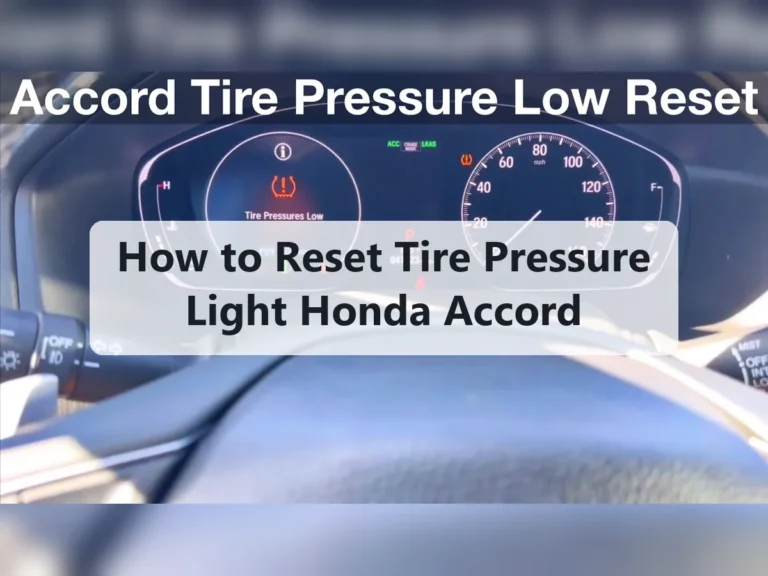
Turn the ignition on without starting the engine and watch the tire-pressure warning light. Many vehicles illuminate it briefly during the bulb check, then turn it off after the engine starts. That brief appearance is normal and is not evidence of a failed sensor.
Notice what happens while driving. A light that stays on steadily commonly means the system has detected low pressure, although the exact meaning varies by vehicle. A light that flashes for roughly a minute and then remains on usually indicates a TPMS malfunction or a failure to receive valid sensor data.
Record whether the warning began after a tire rotation, tire replacement, wheel change, cold weather, or a puncture. A temperature drop can reduce measured tire pressure enough to trigger the light, while recent tire work can leave a sensor unprogrammed, damaged, or unable to communicate with the vehicle.
Check your result
Useful observation: A steady light after a cold start is a reason to measure pressure first. A flashing light followed by a steady light is a reason to check for a system fault, even if the tires are correctly inflated.
Step 2 Check all four tires when they are cold
Park the vehicle for several hours, or check it before driving for the day. Remove the valve-cap from each tire, press the gauge firmly onto the valve stem, and write down the reading. Include the spare tire if the vehicle has a full-size spare and the manual says it is monitored; some compact spares are not part of the system.
Compare each reading with the pressure listed on the driver’s-door-jamb label or in the owner’s manual. Use that specification, not the maximum pressure molded into the tire sidewall. The sidewall number is the tire’s maximum permitted pressure under stated conditions, not the normal pressure selected by the vehicle manufacturer.
If one tire is low, inspect it for a nail, screw, cut, bulge, or visibly damaged valve area. Do not keep driving on a tire that is substantially underinflated, losing air quickly, or visibly damaged. Inflate a sound tire to the recommended cold pressure, but have a suspected puncture repaired rather than treating the warning as a sensor issue.
When all tires have similar, correct pressures but the warning remains, a sensor or system problem becomes more likely. It is not yet proof: the vehicle may need a reset, relearn, or a short drive before it recognizes the corrected readings.
Step 3 Inspect the valve stems and tires without dismounting them
Look at each valve stem from outside the wheel. Compare the stems if possible. A bent stem, cracked rubber, missing valve core, heavy corrosion, or a damaged cap can allow air to escape or indicate that the sensor assembly was disturbed.
Some direct sensors are attached to the inside of the valve stem, so external inspection cannot reveal every failure.
Use a small amount of soapy water around the valve tip and the outside of the valve-stem base if you suspect a leak. Bubbles that continue to grow point to escaping air. Check the tread and sidewall for obvious punctures as well, but do not probe an object in the tread or attempt a roadside repair that the vehicle manufacturer or tire maker does not permit.
Never loosen the valve-stem nut, insert a tool into the valve, or pry a tire bead away from the rim as a home diagnostic step. A direct TPMS sensor can be broken by tire-changing equipment, and a damaged wheel or tire can create a more serious safety problem.
Step 4 Perform the vehicle’s required reset or relearn
Read the owner’s manual before pressing a TPMS reset button or beginning a relearn. Some vehicles reset after correcting pressure and driving; others require a menu command, a specific ignition sequence, a scan tool, or a handheld activation tool at each wheel. An indirect system may need to be recalibrated so its computer can learn the current baseline.
Use the manual’s exact order and pressure requirements. On vehicles with a reset button, the button may be under the dash, inside the glove box, or in a settings menu. Hold or select it only as instructed, then drive under the stated conditions.
A successful reset normally produces a message, a light that turns off, or a system that remains normal after the required drive.
Do not assume that pressing reset repairs a dead sensor. Resetting tells the vehicle to accept a new pressure baseline or begin learning; it cannot restore a sensor battery that has run down or repair a broken sensor circuit. A useful way to approach how to tell if tpms sensor is bad is to check your progress after each stage.
Step 5 Read live TPMS data with a compatible scanner
If the warning returns, use a TPMS tool or have a tire shop scan each wheel. A compatible tool can often activate a direct sensor and display its unique sensor ID, measured pressure, temperature, and battery condition. The vehicle’s diagnostic system may also store a fault code identifying lost communication, an invalid signal, or a sensor that is not registered.
Scan all wheels rather than testing only the tire nearest the warning light. Radio signals do not make the warning light identify a particular corner, and a sensor’s location in the vehicle may not match its position in the dashboard display after a rotation.
Interpret the results as a pattern:
- A sensor that responds with a plausible pressure and a healthy status is probably communicating, even if the tire had been low.
- A sensor that does not respond while the other sensors do may have a dead battery, damaged electronics, an incorrect frequency, or a physical problem at that wheel.
- A sensor that responds but reports an obviously impossible value may be defective, incorrectly programmed, or incompatible with the vehicle.
- Several missing sensors at once may point to a relearn, receiver, wiring, or compatibility problem rather than several batteries failing simultaneously.
Some tools report battery condition, but not every sensor or vehicle supports a reliable battery-health reading. A “good” battery indication does not rule out a damaged pressure port, intermittent radio transmission, wrong sensor ID, or a fault in the vehicle’s TPMS receiver.
Step 6 Match sensor IDs and locations after tire work
Ask the technician or scan tool to confirm that the sensor IDs stored in the vehicle match the sensors currently installed. This matters after replacing a wheel, installing aftermarket wheels, changing a sensor, or rotating tires on a vehicle that requires fixed location programming.
A sensor can be fully functional yet fail to operate correctly if it uses the wrong radio frequency or is not compatible with the vehicle’s software. Programmable universal sensors must be configured for the specific vehicle, and some vehicles require a formal relearn after programming.
If the tool detects every sensor but the vehicle still displays a fault, the issue may be the relearn procedure, a receiver antenna, wiring, or a control-module fault. At that point, replacing a sensor based only on the warning light is unlikely to solve the problem.
Step 7 Confirm the result with a cold-pressure check and road test
After correcting pressure, completing the relearn, or replacing a confirmed sensor, let the vehicle sit until the tires are cold again if practical. Measure the pressures once more and compare them with the door-jamb specification. This confirms that the tire itself is not slowly leaking and that the pressure adjustment was accurate.
Start the vehicle and observe the warning light during the normal self-check. Follow the manual’s driving instructions for system verification. The light should turn off or remain off after the system has had enough time to receive or calculate valid data.
Recheck the pressures after the road test if the vehicle’s procedure or the service facility recommends it. If the light returns, note whether it is steady or flashing and have the stored TPMS data read before another part is replaced. A repeat fault after correct pressure and a completed relearn is strong evidence that the underlying communication or sensor problem remains.
What a bad TPMS sensor can and cannot explain
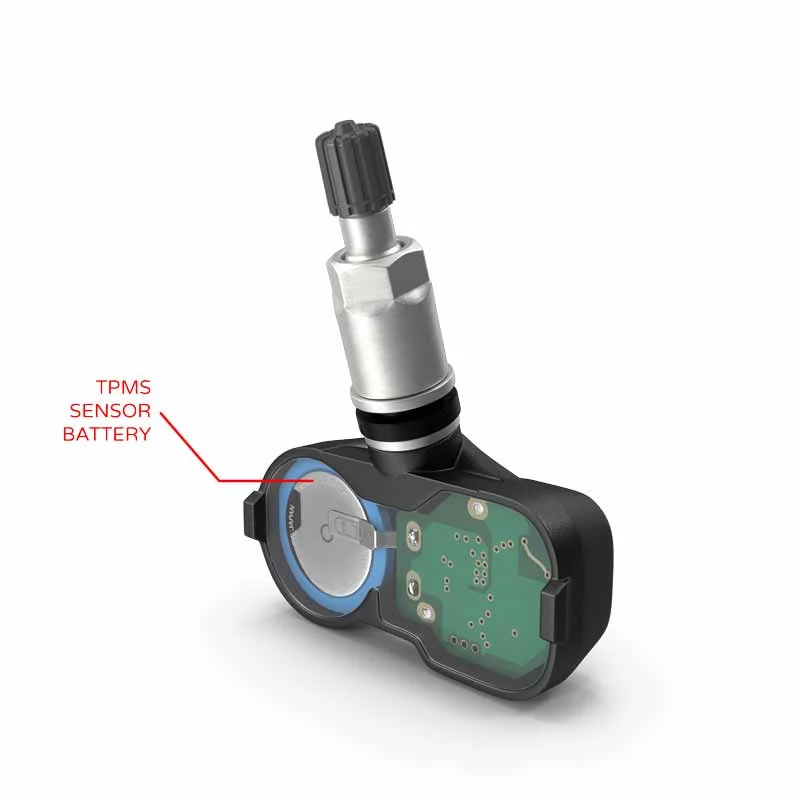
A TPMS sensor problem is only one possible cause of a warning. Understanding the system helps prevent an unnecessary replacement, especially because a direct sensor’s battery is usually sealed inside the sensor assembly and is not serviced separately.

Direct TPMS versus indirect TPMS
Direct TPMS uses a pressure sensor in each monitored wheel. The sensor is commonly built into the valve-stem assembly and sends pressure information by radio to a receiver in the vehicle. A failed sensor may stop reporting, report an implausible value, or transmit intermittently.
Indirect TPMS does not measure air pressure directly at the valve. Instead, it uses wheel-speed data from the anti-lock braking system to detect changes in a tire’s rolling circumference. It may warn about low pressure after a puncture or pressure imbalance, but the remedy is usually correcting pressure and recalibrating the system—not replacing a valve-stem sensor.
Understanding how to tell if tpms sensor is bad also means recognizing the limits of the method.
Check the manual if you are unsure which type is installed. A dashboard display showing individual tire pressures strongly suggests direct measurement, but vehicle designs vary and a display alone should not replace the manual or a diagnostic scan.
Common symptoms and their limits
The most common signs of a failing direct sensor are a warning that remains after all pressures are correct, a flashing malfunction light, one wheel missing from the pressure display, or a scan tool that cannot activate one sensor. These signs narrow the diagnosis but do not independently prove that the sensor itself is bad.
Interference, a weak vehicle battery, a faulty receiver, incorrect sensor programming, and a damaged antenna can create similar symptoms. Likewise, a low tire caused by a nail can keep the warning on even though every sensor is working normally. The pressure gauge and scan results must be considered together.
How to verify the diagnosis before replacing a sensor
The most reliable confirmation combines a physical pressure check, a compatible electronic test, and the vehicle’s relearn requirements. If a shop recommends replacement, ask which wheel failed, whether the sensor responded to activation, and whether a stored fault code or missing sensor ID supports the recommendation.

- Pressure check: The tire is at the correct cold pressure and is not losing air.
- Activation test: The suspected sensor fails to transmit, reports invalid data, or shows a confirmed battery or internal fault.
- Compatibility check: The sensor has the correct frequency, part configuration, and programming for the vehicle.
- Relearn check: The vehicle has been taught the sensor ID or recalibrated according to the manual.
- Final check: The warning remains off after startup and the required drive, with no new TPMS fault code.
If the sensor responds normally when tested outside the vehicle but disappears once installed, investigate installation damage, sensor location, programming, and the vehicle receiver. If every sensor disappears together, focus on the receiver, wiring, power supply, or relearn procedure before authorizing multiple sensor replacements.
Important
Stop and seek qualified tire service if a tire is visibly damaged, loses air quickly, has a sidewall bulge, or must be removed from the wheel. Tire and wheel work can cause serious injury when performed without proper equipment.
Troubleshooting a TPMS warning that will not clear
Use the symptom that remains after the cold-pressure check to choose the next sensible test. The table is a starting point, not a substitute for the vehicle-specific diagnostic procedure.
| What you observe | Likely direction to investigate |
|---|---|
| Light stays on steadily; one tire is low | Puncture, valve leak, temperature-related pressure loss, or an incorrect pressure adjustment |
| Light flashes, then stays on; pressures are correct | TPMS malfunction, missing sensor data, programming issue, receiver fault, or failed sensor battery |
| One wheel shows no pressure on the display | Unresponsive sensor, incorrect sensor ID, incompatible sensor, or location relearn problem |
| Warning began after rotation | Required relearn not completed, fixed-location IDs not matched, or a sensor damaged during service |
| Warning appears during cold weather | Pressure has fallen below the threshold; measure and inflate when cold before diagnosing electronics |
| Warning returns soon after inflation | Slow puncture, valve-stem leak, bead leak, or a sensor issue that still needs electronic testing |
When a reset does not work
First confirm that the pressure was measured cold and set to the door-jamb specification. Then verify that the reset procedure actually applies to the vehicle; a reset button intended for another system or an incomplete menu sequence may appear to do nothing.
If the light still flashes after the correct reset or relearn, obtain a TPMS scan. Continuing to reset the system without reading the fault does not repair a communication failure and can make it harder to describe the original symptom.
When a sensor was recently replaced
Confirm that the replacement sensor was programmed for the exact vehicle and that its ID was learned. Ask whether the shop installed a sensor with the correct frequency and whether the valve hardware was torqued according to the manufacturer’s specifications.
Some replacement sensors require a special activation tool, while others learn through the vehicle’s drive procedure. A sensor that is physically installed but not registered can behave like a dead sensor even when its battery and electronics are good.
When the warning is intermittent
An intermittent warning can result from a marginal sensor battery, corrosion, physical damage, radio interference, or a loose connection in the vehicle’s TPMS receiver circuit. Record when it occurs, including cold starts, highway driving, rain, tire rotations, or wheel changes.
Have the sensor monitored with a compatible tool rather than relying only on a single quick test. Intermittent faults are easier to confirm when the technician can compare all sensor transmissions and inspect the stored fault history.
TPMS sensor questions beginners commonly ask
These questions cover the situations that most often cause confusion when a warning light appears.
Can I drive with the TPMS light on?
Only drive as needed to reach a safe place or tire service after checking the pressure. A TPMS light does not tell you whether a tire is severely underinflated, and the system is not a substitute for inspecting the tires. Do not continue driving if a tire is visibly damaged, rapidly losing air, or unsafe to control.
Does a dead TPMS sensor mean the tire is flat?
No. A dead sensor cannot report pressure, but the tire may still be properly inflated. Measure the tire with a reliable gauge, because a vehicle cannot warn you accurately about that wheel while its sensor is not communicating.
How long do TPMS sensor batteries last?
They are designed to last for years, but service life varies with the sensor, operating conditions, transmission frequency, and vehicle use. Most direct-sensor batteries are sealed, so the usual repair is replacement of the sensor assembly rather than changing a small battery at home.
Will a new TPMS sensor work automatically?
Not always. The sensor may need vehicle-specific programming, an ID relearn, or a drive procedure. It must also have the correct frequency and configuration.
A new sensor that has not been registered can leave the warning active even if it is functioning.
Can low temperatures make a good TPMS sensor trigger the light?
Yes. Cold air reduces tire pressure, and the pressure can fall below the vehicle’s warning threshold even though the tire has no leak and the sensor works correctly. Measure the tires when cold, inflate them to the door-jamb specification, and then follow the vehicle’s reset or drive procedure.
Confirm the fault before replacing the part
Learning how to tell if tpms sensor is bad starts with the tire, not the sensor: check every tire cold, look for a leak or damage, and observe whether the warning is steady or flashing. If pressure is correct and the warning persists, a compatible TPMS scan can show whether one sensor is missing, incorrectly programmed, or reporting a fault.
Do not treat a reset as proof that a sensor is healthy, and do not replace a sensor solely because the warning light appeared. Confirm compatibility, complete the required relearn, and verify that the light stays off after the vehicle’s normal self-check and road test. If the diagnosis points to tire removal, electrical faults, or an unsafe tire, have qualified tire service finish the job.