How to Replace TPMS Sensor Battery Safely
A tire-pressure warning that returns after you inflate the tires can make the sensor battery seem like the obvious culprit. In many vehicles, it is—but the battery is usually sealed inside the TPMS sensor, so it is not designed to be removed and replaced like a key-fob battery. Cutting open the sensor may damage the wheel, create an unreliable repair, and leave the tire-pressure monitoring system unable to communicate correctly.
The safe, practical solution is normally to replace the complete sensor, then perform the relearn or registration procedure required by the vehicle. Some vehicles use indirect TPMS, which has no battery-powered sensor in the wheel at all, so identifying the system before buying parts matters.
This guide explains how to replace TPMS sensor battery issues without treating a sealed component as serviceable. You will learn how to identify the system, match a replacement sensor, have it installed without damaging the tire or wheel, program it when necessary, and verify the warning light is gone for the right reason.
At a glance
- Most direct-TPMS batteries are sealed; replace the entire sensor rather than opening it.
- Confirm vehicle, model year, sensor frequency, and relearn requirements before purchasing a part.
- Verification requires correct tire pressures plus a completed drive cycle or sensor registration.
How to replace TPMS sensor battery safely
For most vehicles, “replacing the TPMS sensor battery” means replacing the wheel-mounted sensor whose internal battery has reached the end of its life. The safest method is to identify the correct replacement, let a tire professional remove and install it, then complete the vehicle-specific sensor relearn process.
Tools you will need
- Vehicle owner’s manual or service information, for the correct tire pressures and relearn method
- Vehicle identification number (VIN), trim information, and model year, to confirm compatibility
- Replacement TPMS sensor matched to the vehicle’s frequency and valve-stem style
- Accurate tire-pressure gauge, for setting all tires to the door-jamb specification
- TPMS scan or programming tool, if the sensor must be cloned or electronically registered
- Professional tire-changing equipment, or a tire shop that can safely break the bead and balance the wheel
- Optional: new valve core, cap, grommet, nut, or seal kit if the replacement sensor manufacturer requires them

Step 1 Confirm whether the vehicle uses direct or indirect TPMS
Look up the system in the owner’s manual or ask a parts counter or tire shop using the VIN. A direct TPMS uses a pressure sensor inside each wheel, usually attached to the valve stem. That sensor measures air pressure and sends data wirelessly, so its internal battery can eventually go dead.
An indirect TPMS does not use a battery-powered sensor in each tire. Instead, it estimates a tire’s rolling difference through the anti-lock braking system’s wheel-speed sensors. If your vehicle uses indirect TPMS, replacing a wheel sensor battery will not solve the warning; the system may need properly inflated tires and a reset or calibration through the vehicle controls.
Do not rely only on the appearance of the valve stem. Some direct sensors use a rubber snap-in stem, while others use a metal clamp-in stem, and the hardware can look similar across different applications. The vehicle’s information and the sensor manufacturer’s compatibility data should agree.
Step 2 Read the warning pattern and check the tires manually
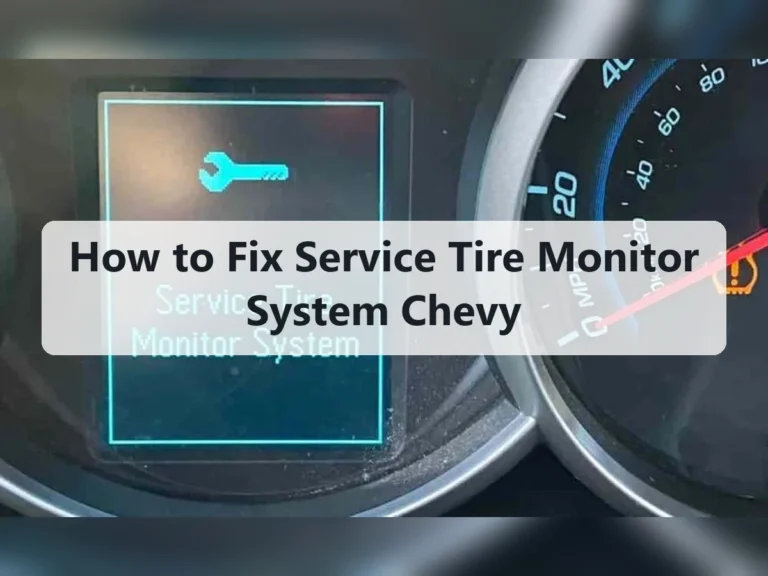
Before buying a sensor, inspect the warning light behavior. A light that comes on briefly at startup and then stays on commonly indicates low pressure, while a light that flashes for roughly a minute before remaining illuminated often indicates a TPMS fault. Exact behavior varies, so use the manual as the final reference.
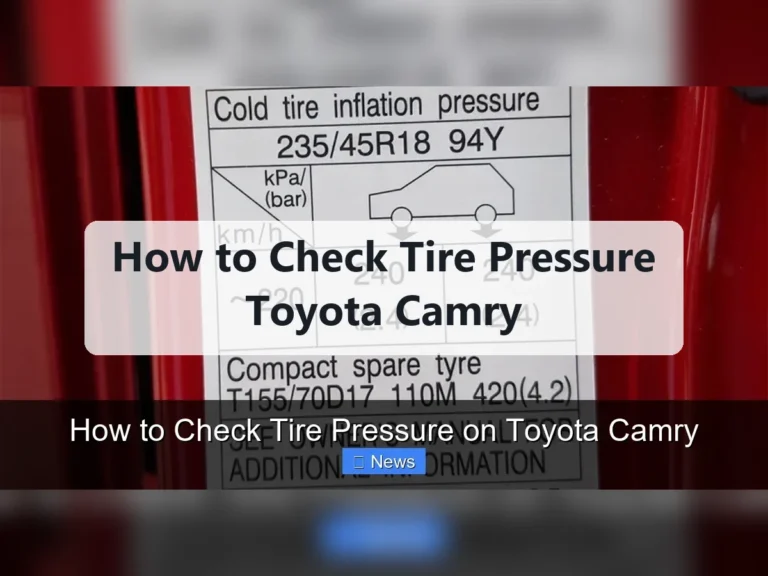
Check pressure when the tires are cold, using the pressure printed on the driver’s door-jamb label—not the maximum pressure molded into the tire sidewall. Compare the readings with the display if the vehicle has one. A puncture, leaking valve seal, damaged wheel, or temperature change can trigger a warning even when the sensor battery is healthy.
Important
Never use the dashboard warning light as a substitute for a pressure gauge. If a tire is visibly low, damaged, or losing air, stop driving except to move to a safe location and arrange tire service.
Step 3 Identify the failed sensor before ordering a replacement
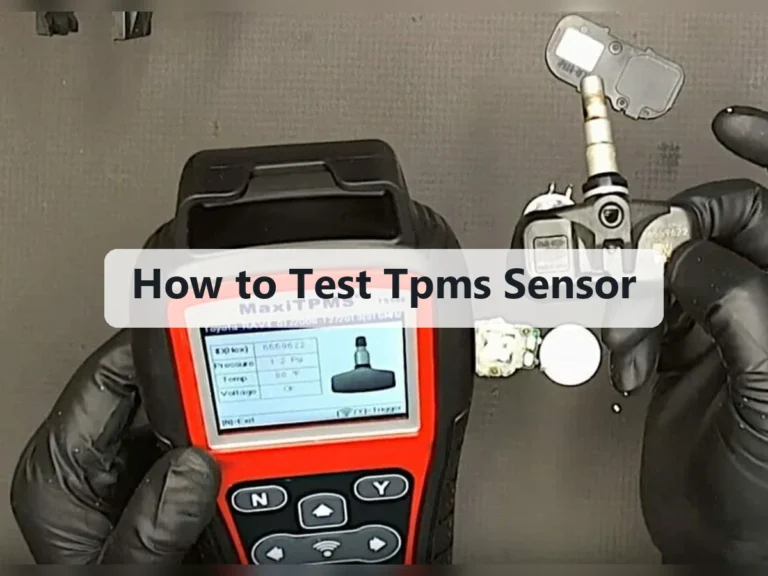
A TPMS scan tool can often read each sensor’s identification number, pressure, temperature, and battery status. A tire shop can scan the sensors through the tire sidewall without removing the tire. If one sensor does not respond while the others communicate normally, it is a strong indication that the sensor or its battery has failed.
A missing reading does not always prove a dead battery. The sensor may be damaged, incorrectly programmed, outside the scan tool’s coverage, or asleep until the wheel rotates. Low vehicle battery voltage, radio interference, and a receiver or antenna fault can also affect communication.
If the vehicle is already receiving intermittent readings, compare the sensor data at different wheels and have the shop inspect for corrosion or physical damage. A complete diagnosis is especially important if several sensors stopped communicating at the same time, because that pattern may point to a vehicle-side problem rather than four depleted batteries.
Step 4 Choose a compatible complete sensor, not a loose replacement battery
Most original-equipment TPMS sensors are sealed assemblies. Their battery is molded or enclosed inside the housing, and the sensor is calibrated, sealed against tire moisture, and matched to a specific radio system. For that reason, a loose coin cell is generally not a valid repair part.
Choose a sensor that matches the vehicle’s model year, trim, market, sensor frequency, and valve-stem configuration. Depending on the application, the correct part may be an original-equipment sensor, a properly listed aftermarket sensor, or a programmable universal sensor. Confirm whether the part is supplied pre-programmed, requires cloning, or must be configured with a TPMS tool before installation.
Also check whether the sensor kit includes the required valve hardware. A clamp-in sensor may need a new seal, washer, nut, valve core, and cap. Reusing old sealing hardware can cause a slow leak even when the electronic sensor works correctly.
Helpful tip
If you are replacing only one sensor, ask whether the remaining sensors are the same age. Replacing an entire set can be reasonable when several original batteries are near the end of their service life, but the decision should be based on diagnosis and condition rather than a blanket rule.
Step 5 Arrange safe tire and sensor removal
Have the tire removed with equipment designed for TPMS-equipped wheels. The sensor is mounted near the valve stem, so placing a tire machine tool against that area can break the housing or bend the valve stem. Tell the technician where the sensor is located before the bead is broken.
Because removing a tire from a wheel involves compressed air, bead pressure, and heavy equipment, it is not a good first project with hand tools or improvised pry bars. If you are doing the work in a professional shop, ask the technician to inspect the wheel for cracks, corrosion, and damage around the valve hole while the tire is off.
Once the tire is removed, the old sensor is detached according to its design. The technician should replace the relevant seal and valve hardware, clean the valve-hole area, and check that the replacement sensor sits securely without contacting the wheel in a way that could cause damage.
Step 6 Install and program the replacement sensor
The replacement sensor must be installed with the correct orientation and hardware torque specified by its manufacturer. Over-tightening a valve-stem nut can damage the sensor or seal; under-tightening can permit an air leak. This is one reason the installation should be performed with the sensor instructions available, rather than by guessing from the old part.
A replacement sensor may use one of three common arrangements: it may already contain the vehicle’s required identification data, it may be cloned from the old sensor, or it may need a new identification number written into the vehicle. The tire shop or technician should confirm which arrangement applies before the wheel is refitted.
After the tire is mounted, inflate it to the vehicle’s specified cold pressure and check the valve area for leakage. The wheel may also need balancing because the sensor adds weight inside the rim. A smooth balance and a stable pressure reading are useful physical checks before moving on to the electronic relearn.
Step 7 Register the sensor using the vehicle’s required relearn method
Sensor registration tells the vehicle which identification number belongs to each wheel position. The required method depends on the vehicle. Some systems learn automatically after driving; some use a dashboard menu; some require a TPMS activation tool at each wheel; and some need a diagnostic tool connected to the vehicle’s OBD port.
Follow the owner’s manual in the stated order. A typical procedure may require turning the ignition on without starting the engine, selecting a tire-learning mode, activating each sensor in a specific sequence, and then driving until the system confirms the data. These details are not interchangeable between makes and model years.
If a universal sensor was installed, programming may need to happen before the sensor is mounted or while it is accessible at the wheel. A sensor that is physically correct but not programmed for the vehicle may show no pressure, display a fault, or cause the warning light to return.
The practical answer to how to replace TPMS sensor battery questions is therefore two-part: replace the sealed sensor assembly, then teach its identification number to the vehicle when the system requires it. Installing the part without completing that second part can leave a good sensor apparently “dead.”
Step 8 Set all tire pressures and complete the verification drive
With the vehicle parked on a level surface and the tires cold, set all four tires to the door-jamb specification. If the vehicle has a full-size spare monitored by TPMS, check that tire too. Do not use the pressure shown on the tire sidewall as the normal operating target.
Start the vehicle and observe the TPMS indicator. Depending on the design, the light may remain on until the vehicle receives valid sensor data or completes the relearn. Drive only when the tires are properly inflated and the shop has confirmed that the wheels are secure.
During the specified drive cycle, watch for pressure readings at all monitored positions. A successful result is a normal startup indicator, valid readings for the expected wheels, and no flashing fault light after the system has had time to learn. Use a physical gauge again if a display reading seems implausible.
Check your result
A complete verification is more than seeing the light turn off once. Confirm the pressures with a gauge, confirm that each monitored wheel reports data, and confirm that the warning does not return after the vehicle is parked and restarted.
Why a TPMS battery usually cannot be replaced separately
The battery inside a direct TPMS sensor is selected for a long service life and sealed into a small housing. The housing must survive vibration, moisture, temperature swings, tire mounting forces, and contact with air inside the tire. Opening it destroys the original seal and can change the sensor’s balance or electrical reliability.
Some specialty sensors or older designs may have serviceable components, but that is not a safe assumption for a general vehicle repair. The manufacturer’s service instructions—not the fact that the sensor contains a visible battery—determine whether a battery-only repair is approved.
Searching for how to replace TPMS sensor battery may produce instructions that involve cutting, prying, soldering, or resealing the sensor. Those methods can create an air leak, damage the valve assembly, or cause a sensor to fail soon after installation. They can also make the part unsuitable for use inside a pressurized tire.

When replacing the entire sensor is the right repair
A complete sensor replacement is appropriate when a scan confirms a dead or nonresponsive battery, when the sensor housing or valve stem is damaged, or when the sensor cannot be programmed for the vehicle. It is also sensible to replace a sensor while the tire is already removed for another repair, provided the replacement is verified as compatible.
Battery age by itself is not enough to condemn a sensor if it still communicates correctly and holds the correct pressure data. A scan, visual inspection, and leak check provide better evidence than replacing parts based only on the warning light.
Why relearn and programming are different
Programming writes vehicle-specific information to a programmable sensor or prepares it with a compatible identification number. Relearning teaches the vehicle’s control module where each sensor is located. Some sensors need programming, relearning, both, or neither because they arrive already configured.
Do not assume that driving automatically teaches every vehicle. If the vehicle has a dedicated TPMS reset menu, the reset may be intended only after correcting tire pressures—not as a replacement for sensor registration. Using the wrong procedure can erase useful data without fixing the fault.
How to tell whether the repair worked
The warning light should behave normally at startup, and the system should show believable pressure information for each monitored wheel if the vehicle has a pressure display. A successful repair also requires stable tire pressure; an electronic light that goes away while the tire continues losing air is not a successful result.
Check the tire pressure again after the vehicle has been parked long enough for the tires to cool. If one tire is lower than the others, have the valve stem, bead, tread, and wheel inspected for a leak. Soap bubbles around the valve area can help locate a leak, but a tire professional should handle any tire removal or internal repair.

Use these observable checks
- The replacement sensor appears in a TPMS scan or provides a valid pressure reading.
- The vehicle recognizes the sensor in the correct wheel position, when position data is supported.
- The TPMS indicator does not flash and then remain illuminated after the relearn.
- All tires match the cold-pressure specification on the door-jamb label.
- No air leak is present around the valve stem, bead, wheel, or tire.
- The warning remains cleared after a restart and the required drive cycle.
Common problems after sensor replacement
A new sensor that does not work does not necessarily have a bad battery. The most common causes are an incorrect part, an incomplete relearn, an unprogrammed universal sensor, a damaged valve seal, or a vehicle-side communication problem.
| What you observe | What to check |
|---|---|
| Light stays on steadily | Set pressures to specification, then perform the required reset or relearn. |
| Light flashes before staying on | Look for a system fault, missing sensor data, wrong sensor frequency, or incomplete programming. |
| One wheel shows no reading | Scan that sensor, verify its ID and battery status, and inspect the valve hardware. |
| Pressure drops after installation | Check the valve seal, valve core, nut, bead, and wheel for a leak. |
| Light returns after several days | Recheck actual pressure and scan all sensors; a slow leak or another aging sensor may be involved. |
When a reset does not clear the light
First, confirm that the tires are at the correct cold pressures and that the replacement sensor is the right part. Then repeat the exact relearn procedure from the manual. If the procedure requires a scan tool, a dashboard reset alone will not register a sensor that the vehicle has never seen.
If the sensor is recognized by a shop tool but the vehicle still reports a fault, the problem may be a receiver, antenna, wiring, control module, or software issue. Stop replacing sensors at random and request a vehicle-side diagnosis.
When several sensors fail together
Several nonresponsive sensors can indicate that the sensors are all reaching the end of their service life, especially if they are the same age. It can also indicate a problem with the TPMS receiver or a relearn procedure that was not completed correctly.
Have all sensors scanned before authorizing multiple replacements. Keep the scan results and sensor identification numbers if possible; they make it easier to determine whether the issue follows a wheel or affects the entire vehicle.
TPMS sensor battery FAQs
Can I replace only the battery inside a TPMS sensor?
Usually no. Most original TPMS sensors have sealed batteries and are intended to be replaced as complete assemblies. Battery-only repair is appropriate only when the specific sensor manufacturer explicitly provides a service procedure and approved parts.
How long does a TPMS sensor battery last?
Life varies with sensor design, use, temperature, and age, so there is no universal replacement interval. A scan showing a low battery or a sensor that no longer communicates is more useful than relying on a fixed mileage estimate.
Do I need to replace all four TPMS sensors?
No. Replace the failed or damaged sensor when the others test correctly. Replacing multiple sensors may be reasonable when they are the same age and several show weak batteries, but testing should guide that decision.
Can I drive without a working TPMS sensor?
The vehicle may still drive normally, but you may lose an important warning about low tire pressure, and the vehicle may not meet local equipment requirements. Check pressure manually and arrange repair promptly rather than treating the warning as harmless.
Will a new TPMS sensor work immediately after installation?
Not always. Some sensors require programming, and many vehicles require a relearn that assigns the sensor to the vehicle and wheel position. The warning may remain until the system receives valid data and completes its learning process.
Why is the TPMS light on when all four tires have the right pressure?
Correct pressure does not rule out a sensor battery failure, communication fault, damaged valve seal, or incomplete relearn. Scan the system for sensor data and fault codes instead of repeatedly adding air.
Finish the repair with a verified sensor and relearn
For most vehicles, how to replace TPMS sensor battery is really a question of how to replace the sealed TPMS sensor safely. Confirm whether the vehicle uses direct or indirect monitoring, diagnose the actual fault, match the complete sensor to the vehicle, and avoid opening a component designed to remain sealed inside the tire.
After installation, set the cold tire pressures, program or relearn the sensor as required, and verify every reading with a gauge and the vehicle’s display or scan tool. If the warning flashes, returns, or accompanies an air leak, have a qualified tire or automotive technician diagnose it before continuing to drive normally.