What to Do If a Tire Plug Is Leaking: Clear Answers and Key Facts
Stop driving on the leaking tire, check its pressure, and have the tire professionally inspected. A leaking plug usually needs replacement or a proper internal repair.
A tire plug that is losing air is not a minor inconvenience to ignore. The plug may have been installed incorrectly, the puncture may be too large or irregular, or the tire may have suffered additional damage that the original repair did not address. Driving while pressure drops can overheat the tire and damage its internal structure.
Understanding what to do if a tire plug is leaking starts with separating a temporary roadside fix from a permanent tire repair. A plug inserted from the outside can sometimes stop a small tread puncture, but it does not let a technician inspect the inside of the casing, check for sidewall damage, or confirm that the injury is within a repairable area.
First, this guide explains how to confirm the leak without creating a new hazard. It then covers safe short-distance decisions, common causes, plug-versus-patch repairs, tire-pressure checks, and signs that replacement is the better choice. By the end, you can decide whether the vehicle should remain parked, go directly to a tire shop, or receive a new tire instead of another plug.
- ✓A leaking plug should be treated as a failed repair, not simply tightened or pushed farther into the tire.
- ✓Inflate the tire only enough for a safe inspection or very short trip to a repair facility, following the vehicle placard and tire limits.
- ✓A professional repair usually requires removing the tire and using an approved internal patch-plug repair when the puncture is in the tread and otherwise suitable.
- ✓Sidewall damage, a puncture near the shoulder, low-pressure driving, exposed cords, or a large injury generally means tire replacement.
What to Do If a Tire Plug Is Leaking?
Park on a firm, level surface away from moving traffic if possible. Turn on the hazard lights, set the parking brake, and do not crawl under the vehicle or work beside a busy roadway. If the tire is visibly flat, the plug is loose, or air escapes rapidly, use a spare tire or roadside assistance rather than attempting to drive on it.
Check the tire pressure with a reliable gauge when the tire is cool. Compare the reading with the pressure shown on the driver-door placard, not the maximum pressure molded into the tire sidewall. If the pressure is only slightly low and the tire holds air after inflation, a cautious trip directly to a nearby tire professional may be possible; it is not a reason to resume normal driving.

- Leak speed: Spray soapy water over the plug and watch for growing bubbles. Rapid bubbling means the tire should stay parked.
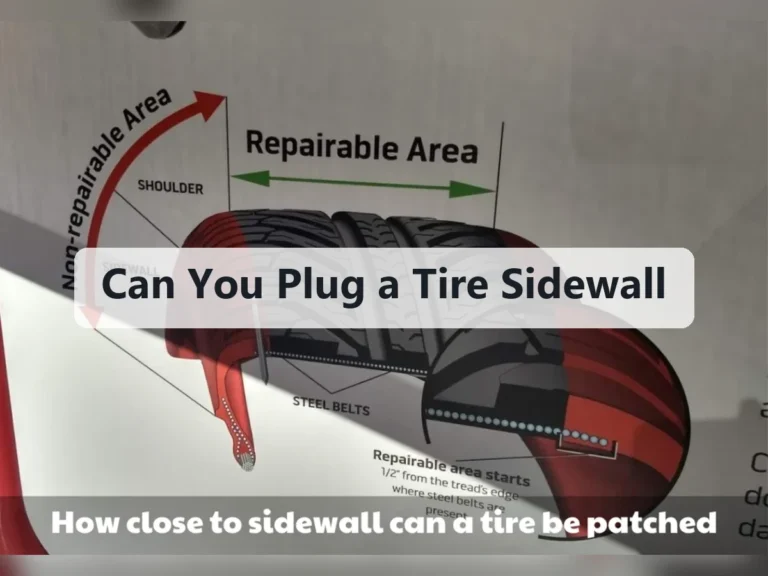
- Tire location: A puncture in the center tread may be repairable, while damage in the shoulder or sidewall is usually not.
- Visible condition: Look for bulges, cuts, exposed cords, cracking, or a tread section that has separated.
- Pressure trend: Recheck after several minutes and again before moving the vehicle; a falling reading signals an active leak.
When driving to a shop is not safe
Do not drive on a tire that cannot hold safe pressure, has gone flat, or shows sidewall distortion. A tire can look acceptable from the outside while its internal cords have been weakened by being driven underinflated. Heat and flexing may turn a small puncture into a sudden failure.
If the repair facility is not close, the route requires highway speeds, or weather and traffic make roadside work dangerous, call for assistance. A tow or mobile tire service is usually a better choice than repeatedly adding air and hoping the plug remains sealed.
Why a tire plug can start leaking
Plugs seal a puncture by filling the path made by the object, but the seal depends on the plug material, the puncture shape, and proper installation. A plug that was not centered, cemented, or sized correctly may leak immediately or lose its seal after heat, movement, and moisture affect the repair.
The puncture itself may also be unsuitable for a plug. A nail that entered nearly straight through the tread creates a different injury from a screw that entered at an angle, a jagged object that tore the rubber, or a hole enlarged by driving while the tire was underinflated. In each case, the visible plug does not tell the whole story.
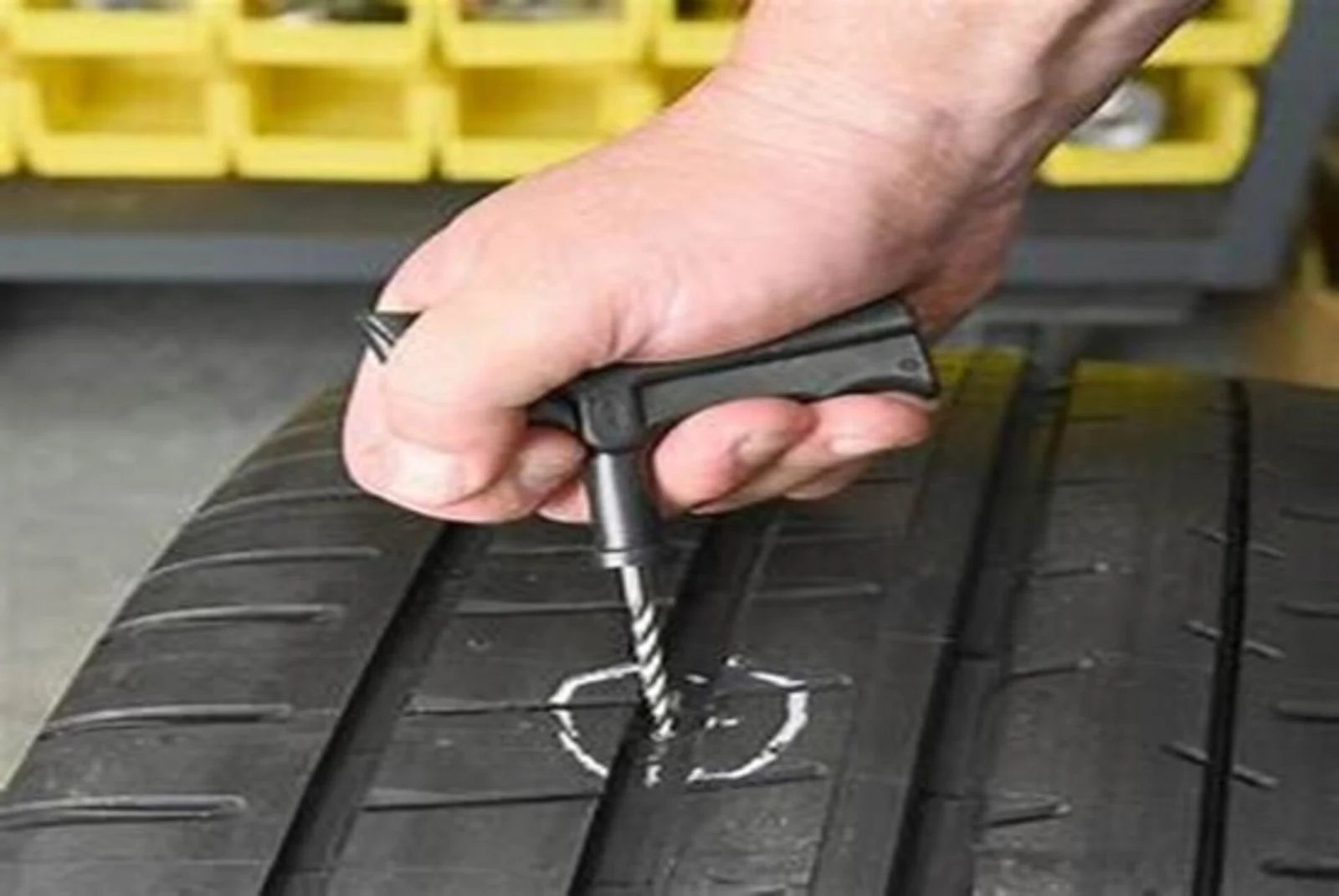
- Improper insertion: A plug may not fully fill the puncture channel or may be cut too short.
- Oversized injury: A wide or torn hole can allow air to pass around the plug.
- Wrong repair area: Plugs near the shoulder or sidewall face too much flexing to be dependable.
- Additional puncture: A second nail, screw, valve leak, or bead leak may be mistaken for a failed plug.
Confirm that the plug is actually the source
Air loss near the repaired area is strong evidence, but it is worth checking the entire tire before choosing a repair. Apply soapy water to the plug, valve stem, valve core, bead area, and tread. Bubbles that grow steadily identify the leaking point.
Do not remove the plug to “see how bad” the hole is. Pulling it out can make the leak larger and may eliminate the option of moving the vehicle even a short distance. Leave the tire as found and tell the technician how quickly it lost air.
Plug versus internal tire repair
An external plug is commonly used as a temporary or emergency measure because it can be installed without removing the tire from the wheel. It can stop air loss long enough to reach help, but it does not allow an inspection of the inner liner. A proper repair normally begins with demounting the tire so the injury and inside surface can be examined.
A combination patch-plug repair is designed to fill the puncture channel and seal the inner liner. The technician generally prepares the injury from the inside, applies the repair correctly, and checks for additional damage. The repair is still limited by the tire’s condition, puncture size, and location.
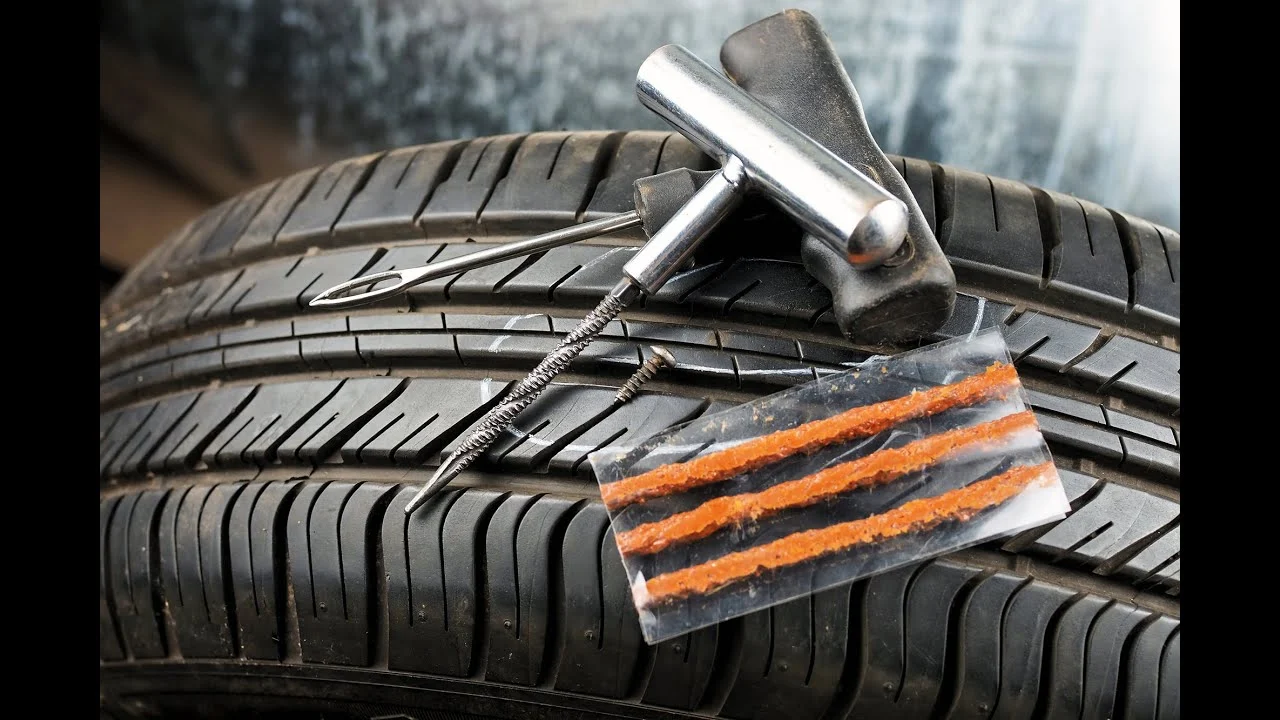
- External plug: Fast and useful in an emergency, but it cannot reveal hidden internal damage.
- Internal patch-plug: Requires tire removal and inspection, providing a more complete repair when the injury qualifies.
- Replacement tire: Necessary when the casing, repair area, or overall condition makes repair unsafe.
If you are deciding what to do if a tire plug is leaking, do not solve the problem by adding a second plug beside the first one. Multiple plugs can weaken the surrounding rubber, fail to seal the full injury, and make later inspection more difficult. A shop should remove the tire and determine whether the original puncture can be repaired correctly.
When an internal repair may be allowed
A repair may be considered when the injury is limited to the main tread area, the hole is within accepted repair limits, and the tire has not been driven while severely underinflated. The technician also needs to confirm that there is no internal abrasion, separation, bulge, or other structural damage. This distinction matters when answering “what to do if a tire plug is leaking”.
Repair standards and shop policies can differ, so a tire professional must make the final decision. A tire that is old, badly worn, unevenly damaged, or previously repaired several times may not be a good candidate even if the new puncture looks small.
How to decide whether the tire needs replacement
Replacement is generally the safer outcome when the puncture reaches the shoulder or sidewall. Those areas flex substantially as the tire rolls, and a plug cannot restore the strength of damaged sidewall cords. A plug that appears to hold air may still fail under load.
Replacement is also likely after a tire has been driven flat or substantially underinflated. Internal scuffing can occur between the tire’s layers, leaving damage that is invisible from the outside. Ask the technician to inspect the inside rather than relying only on the plug’s appearance.
- Sidewall injury: Cuts, punctures, bulges, or bubbles in the sidewall are not normal plug-repair situations.
- Shoulder puncture: Damage close to the tread edge may fall outside the repairable zone.
- Internal damage: Abrasion, wrinkling, exposed cords, or separation means the casing is compromised.
- Severe wear: Low tread, irregular wear, dry rot, or age-related cracking can make repair uneconomical or unsafe.
Consider the other tires too
If one tire must be replaced, compare its tread depth and type with the tires on the same axle. A large difference can affect handling and traction, especially on vehicles with all-wheel drive. The vehicle manufacturer or tire professional can explain whether one tire, a pair, or a larger set should be replaced.
Never choose a cheaper used tire solely because it matches the size. Its age, prior damage, repair history, and remaining tread may be unknown. A properly matched replacement with a known condition is easier to evaluate and maintain.
What to tell the tire shop and what to ask
Tell the technician when the plug was installed, whether it was a roadside repair, how quickly the tire lost air, and whether you drove after noticing the leak. Mention any vibration, pulling, noise, or repeated need to add air. These details help identify damage beyond the original puncture.
Ask whether the tire was removed for an internal inspection and whether the injury is in the repairable tread area. If the answer is replacement, request an explanation based on the puncture location, internal condition, tread wear, or age rather than accepting another exterior plug without an inspection.
- Inspection: Was the tire removed from the wheel and checked inside?
- Repair type: Is the proposed fix an internal patch-plug repair or only another outside plug?
- Cause: Is the plug leaking, or is air escaping from the valve, bead, or another puncture?
- Matching: If replacement is needed, how will the new tire match the vehicle’s existing tires?
How to prevent another plug leak
Check tire pressure at least monthly and before long trips, using the cold-pressure specification on the door placard. Correct pressure reduces flexing, heat buildup, and uneven wear. It also makes a slow leak easier to detect before the tire reaches a damagingly low pressure.
Inspect the tread for nails, screws, cuts, and objects that may be embedded but not yet causing obvious symptoms. Do not pull out an object that may be sealing the hole; have the tire assessed while it is still in place.
Use a tire-pressure monitoring system as an alert, not as a substitute for a gauge. The warning may appear only after pressure has already fallen noticeably, and sensors do not identify every condition that can make a tire unsafe.
- Check when cold: Measure before driving or after the vehicle has been parked for several hours.
- Inspect after impact: A pothole or curb strike can cause internal damage even without a visible puncture.
- Track slow losses: Repeated pressure changes usually indicate a leak that needs diagnosis.
Frequently asked questions about a leaking tire plug
Can I put air in a tire with a leaking
You can add air to reach a safe inspection point or a nearby repair facility if the tire and route are otherwise suitable. Do not use inflation as permission to continue normal driving, especially if pressure falls again quickly.
Can I drive with a tire plug that is slowly
It is best not to drive farther than necessary to obtain professional help. Avoid highways, high speeds, heavy loads, and long distances; use a spare or roadside service if the tire cannot maintain pressure.
Should I push the plug farther into the tire?
No. Pushing, trimming, or pulling the plug can enlarge the injury or disturb whatever seal remains. Leave the repair untouched and have the tire inspected from the inside.
Can I add another plug to stop the leak?
Adding another plug is not a reliable repair. It can conceal the original damage and further weaken the punctured area, so the tire should be removed and evaluated instead.
How do I know whether the valve is leaking instead?
Apply soapy water to the valve stem and valve core as well as the plug. Growing bubbles at the valve point to a separate leak, but the tire still needs inspection if it has been driven underinflated.
Is a leaking plug always a reason to replace
No. A qualified technician may be able to replace an unsuitable external plug with an internal patch-plug repair when the injury is small, centered in the tread, and free of internal damage. Sidewall injuries, shoulder damage, severe underinflation, and worn or damaged tires usually require replacement.
Can a tire plug leak weeks after installation?
Yes. Heat cycles, flexing, moisture, an incorrectly sized plug, or a puncture that was never suitable for plugging can cause a delayed leak. Any recurring pressure loss deserves prompt diagnosis rather than repeated inflation.
Conclusion
When deciding what to do if a tire plug is leaking, treat the leak as a failed or incomplete repair until a professional proves otherwise. Check pressure and the leak location, avoid unnecessary driving, and choose an internal inspection before another plug. Replace the tire when the injury reaches the sidewall or shoulder, the casing has internal damage, or the tire is too worn to trust.
Inflate only as needed for a safe assessment, then take the tire to a qualified repair shop or use roadside assistance instead of driving on a leaking plug.